


Antique Chimney Plate
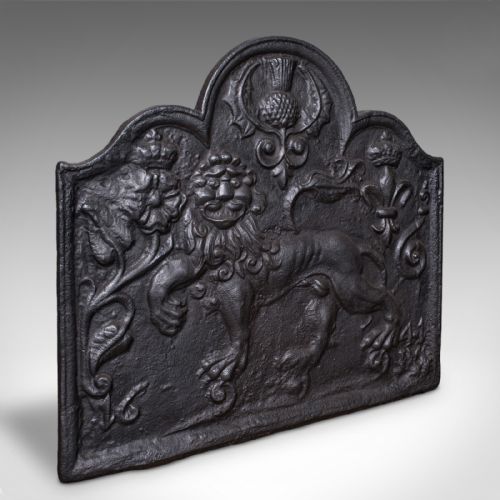
These heavy cast iron antique chimney plate pieces serve to reflect heat and protect the masonry behind your hearth.
Antique Chimney Plate
When you search for an antique chimney plate, you encounter heavy iron firebacks designed to sit at the back of a hearth and project warmth into the room.
The selection ranges from robust seventeenth-century cast iron examples featuring horse and rider motifs to later nineteenth-century French designs decorated with armour and eagles.
These items function primarily as fireplace accessories, protecting the brickwork from direct flames while managing heat distribution.
Materials and construction methods
The primary material found in these pieces is cast iron, poured into moulds to create deep relief imagery such as horses, riders, and heraldic emblems.
Makers utilised durable iron to withstand intense heat cycles over centuries of use in domestic hearths.
Early iron plates often feature mounted horsemen keeping watch over the hearth through centuries of soot.
Factors determining quality
Quality rests in the crispness of the cast iron relief and the depth of the sculptural detail visible across the surface of the plate.
Earlier examples display greater artistic ambition in their pictorial subjects, distinguishing them from standard utility castings.
Ciceri and Co
The Antique Chimney Plate Glossary
- Fireback
- A heavy iron plate placed at the back of an open fireplace. It protects the wall and radiates heat back into the room.
- Hearth
- The floor area of a fireplace, typically made of stone or brick. It sits directly beneath the chimney plate.
- Relief
- Sculptural projection from a flat background surface. Iron chimney plates utilise this technique to depict figures and scenes.
- Cast iron
- Iron alloy poured into a mould while molten. This material forms the durable body of traditional chimney plates.
Antique Chimney Plate: Frequently Asked Questions
What is an antique chimney plate used for?
An antique chimney plate acts as a protective shield at the back of an open hearth. It prevents intense heat from damaging the surrounding masonry.
Beyond protection, the heavy iron absorbs heat from the fire and radiates it forward into the room long after the flames die down.
How do I install a heavy fireback?
These iron plates stand upright against the rear wall of the fireplace recess. Many rely on their own substantial weight and slight backward tilt to remain secure.
Specialised feet or hearth supports sometimes assist in keeping the plate upright and stable against the brickwork.
How do I date a cast iron fireback?
Dating relies heavily on the style of the relief decoration, such as seventeenth-century equestrian motifs or nineteenth-century armorial designs. The casting technique and type of iron edges also provide clues to the period.
Records from past sales and surviving stylistic parallels help narrow down the decade of production.
Are these plates suitable for modern fireplaces?
Many historical iron plates fit standard hearth dimensions and function effectively in active wood-burning fireplaces today. Their primary role remains heat reflection and masonry protection.
Proper measurement of the firebox clearance ensures the plate sits safely inside the hearth space.