


English Iron Fireplace Back
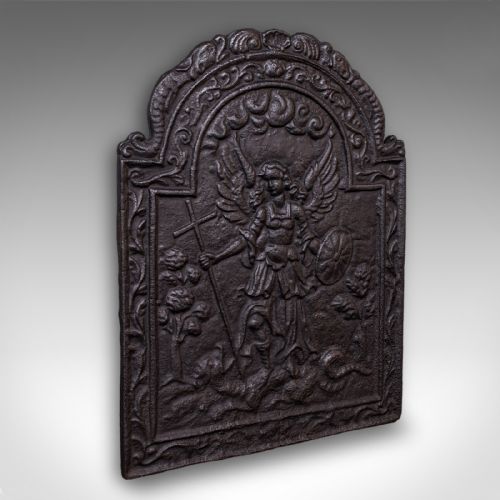
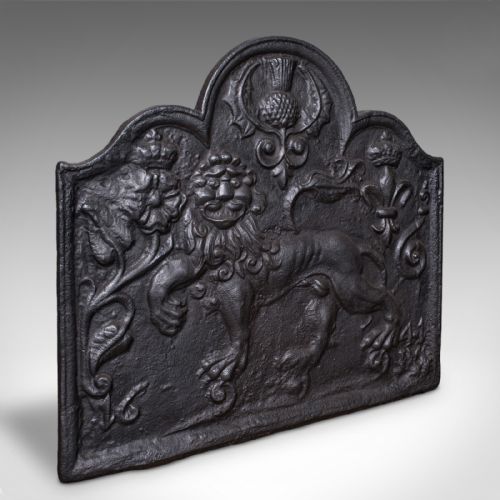
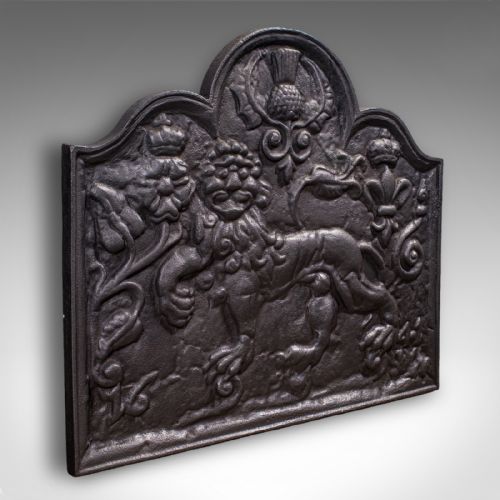
These heavy cast iron english iron fireplace back panels protect the masonry and throw radiant heat back into the room.
English Iron Fireplace Back
An english iron fireplace back sits against the rear wall of a hearth to absorb and radiate heat while protecting the brickwork. The pieces gathered here predominantly date from the Victorian era, alongside examples from the Georgian period.
The forms encompass straightforward fireplace reflectors as well as heavier decorative firebacks. Collectors encounter specific stylistic revivals including Neoclassical, Carolean, and Gothic interpretations.
Objects range from compact panels to tall hearth pieces designed for substantial chimney breasts. Many incorporate architectural relief work and traditional motifs.
How they were made
Foundries produced these heavy items in cast iron using traditional moulding sand techniques. Molten metal poured directly into open or two-part moulds captured deep relief ornamentation and crisp textural detail.
Makers utilised durable iron formulations capable of withstanding extreme thermal cycles without fracturing. Subsequent finishing involved minimal dressing of the cast surface, leaving the robust industrial texture intact.
The listings show cast iron as the sole material utilised across both Victorian and Georgian periods.
What varies in quality
Quality rests upon the depth and clarity of the cast relief work. Sharply defined patterns and well-modelled figures indicate superior foundry work compared to shallow or blurred castings.
The thickness and weight of the iron plate determine structural integrity under intense heat. Heavier castings demonstrate greater substance and resilience than thinner, lighter panels.
The English Iron Fireplace Back Glossary
- Fireback
- A heavy metal plate placed at the back of an open hearth. It serves to protect the brick wall and reflect heat forward into the room.
- Reflector
- An alternative term for a fireback emphasising its functional role in throwing warmth outward. These pieces direct thermal energy away from the chimney masonry.
- Relief
- Ornamental work raised above the background plane of the iron plate. This technique creates depth and shadow under the flickering light of an open fire.
- Carolean Revival
- A Victorian stylistic movement looking back to the decorative arts of the mid seventeenth century. Pieces in this idiom feature characteristic scrollwork and heraldic vigour.
- Neoclassical Revival
- A style drawing inspiration from classical antiquity. Such designs incorporate symmetrical urns, swags, and classical architectural motifs.
English Iron Fireplace Back: Frequently Asked Questions
How do I install an english iron fireplace back?
Place the heavy iron plate upright against the rear brick wall of your hearth, ensuring it stands stable on the floor or grate.
Most panels stay in position under their own substantial weight without requiring permanent mechanical fixings.
Can I use an antique fireback with a modern fire?
These cast iron panels work effectively behind wood-burning fires, gas grates, and decorative hearth settings alike.
The robust metal handles radiant heat from various fuel types while protecting the surrounding masonry.
How do I distinguish Victorian firebacks from Georgian ones?
Georgian panels typically display restrained proportions and simpler decorative schemes reflecting earlier tastes.
Victorian examples often embrace heavier casting techniques alongside ornate Gothic, Neoclassical, or Carolean revival motifs.
How do I clean an iron fireplace back?
Remove loose soot and ash with a soft brush rather than harsh liquid cleaners.
Applying a light coat of grate polish or black lead helps maintain the dark iron finish and prevents corrosion.