

Antique Cachepot Planter
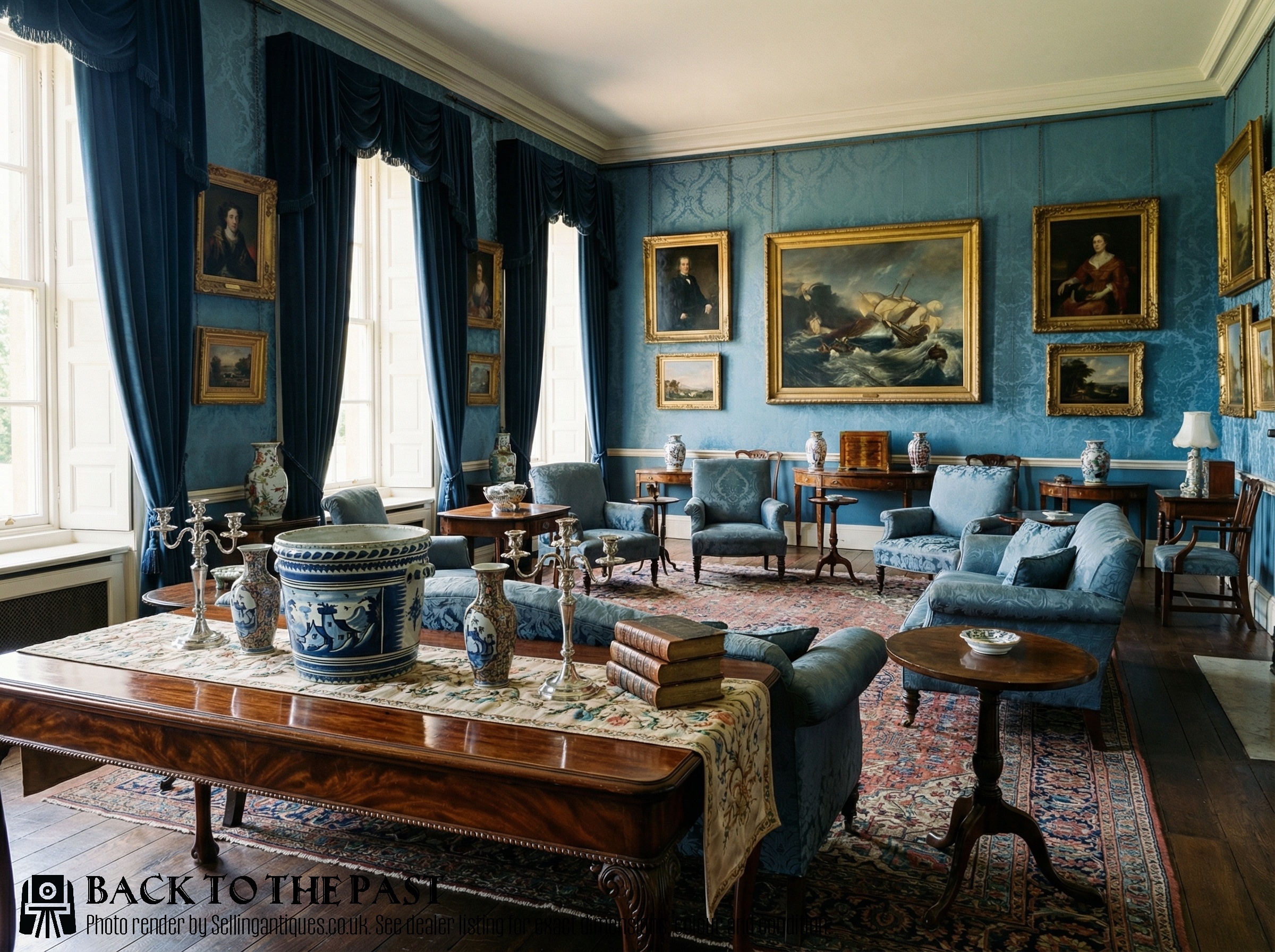
An antique cachepot planter brings living greenery indoors inside a vessel of brass, porcelain or ceramic.
Antique Cachepot Planter
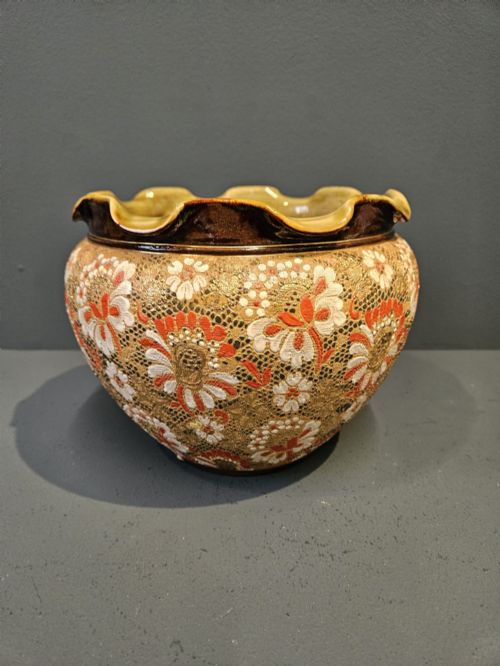
An antique cachepot planter acts as an ornamental container designed to hold a potted plant and protect interior surfaces from moisture. When exploring this selection, buyers encounter forms ranging from heavy brass vessels to delicate porcelain urns.
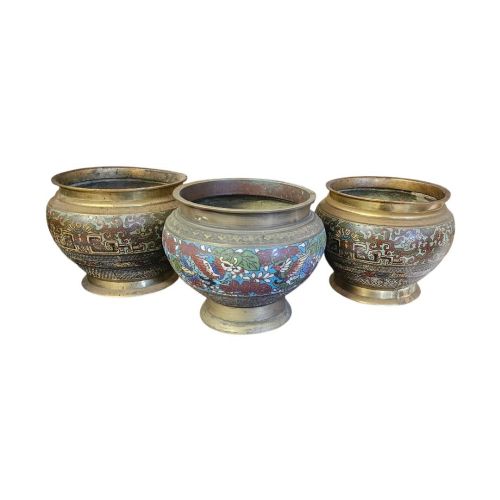
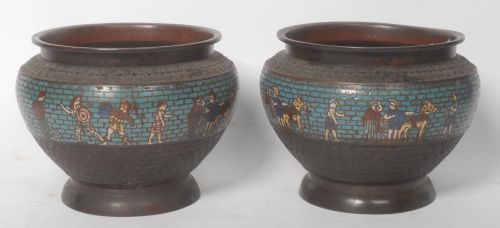
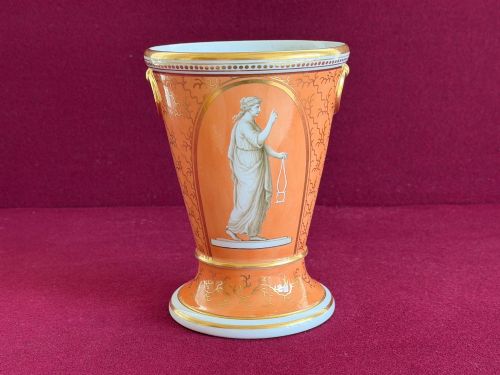
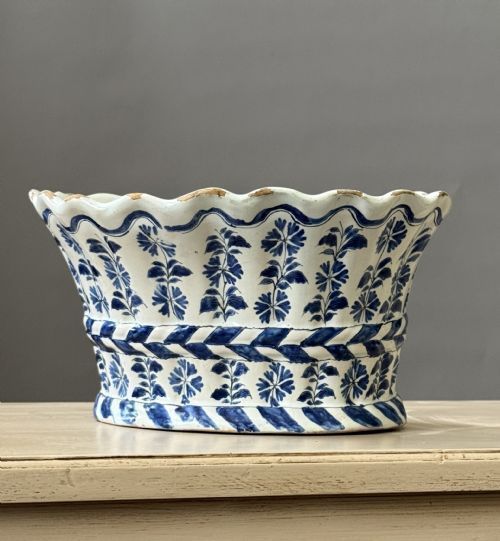
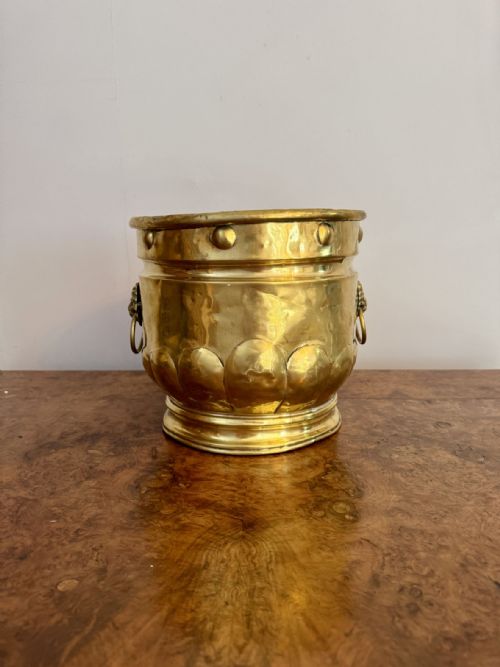
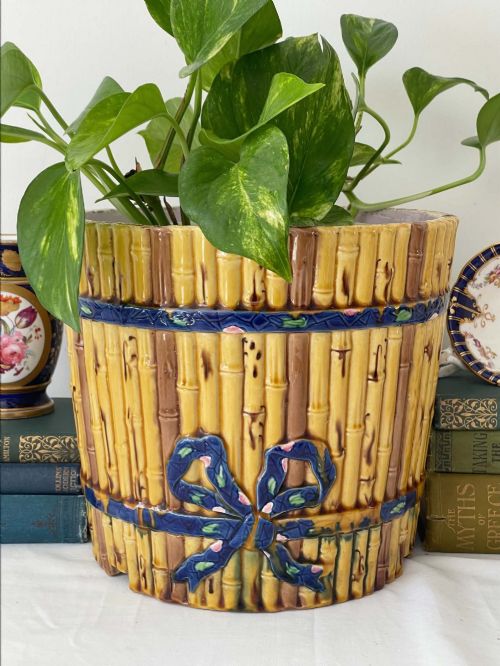
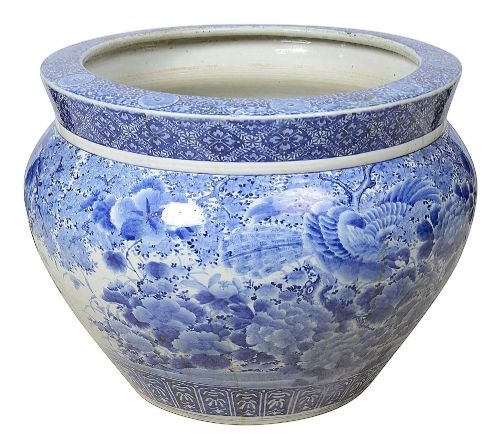
The pieces represented span numerous origins and eras, including Victorian brass designs, Georgian porcelain pots, and Japanese Imari jardinieres. Ceramic versions such as Delft bough pots and Majolica wares also appear frequently among the listings.
Makers and makers' marks occasionally identify specific potteries like Doulton Lambeth or Worcester, adding documented provenance to domestic plant holders. These vessels bridge utilitarian horticulture and interior decoration across centuries.
Materials and Craftsmanship
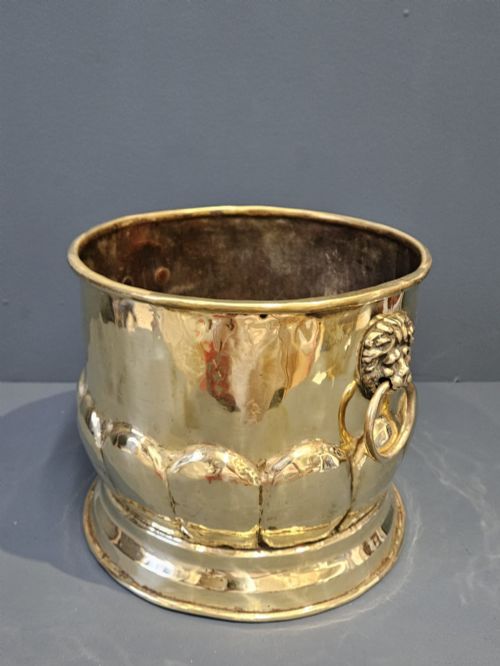
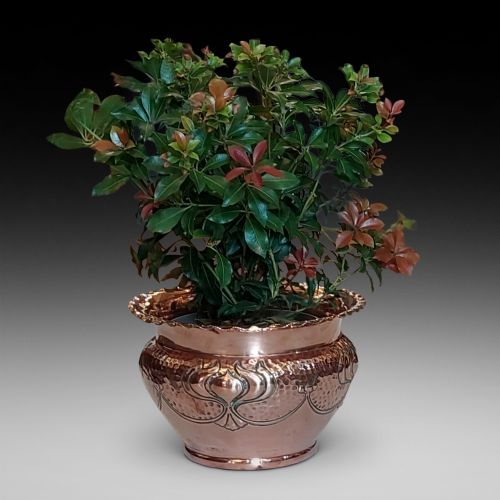
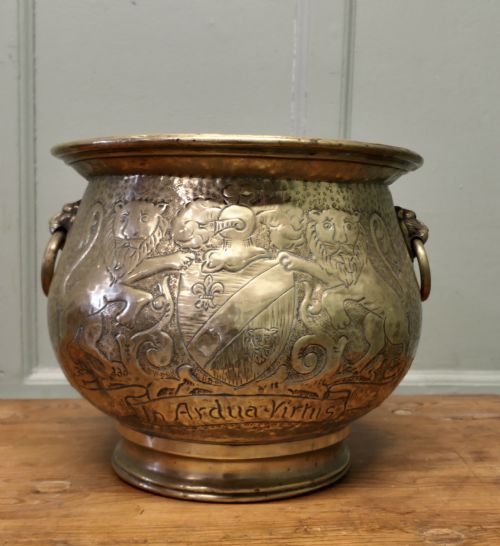
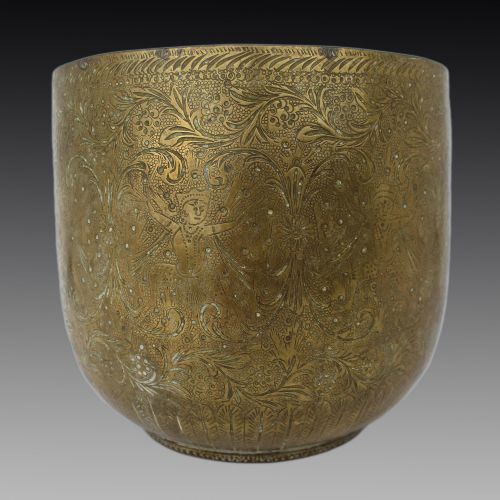
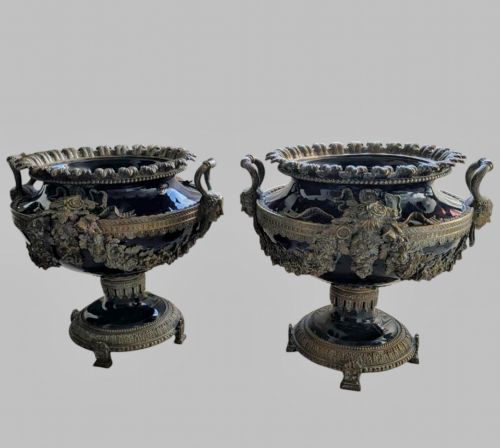
Metalwork versions rely on hammered, cast or pierced brass and copper, often featuring applied shields, crests or bronze mounts. These metallic vessels provide structural rigidity and metallic warmth suited to interior display.
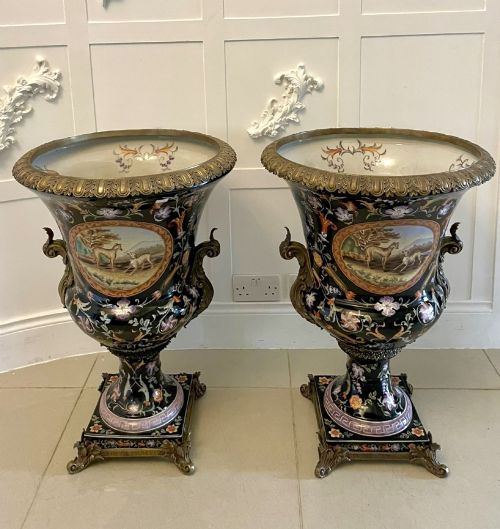
Ceramic and porcelain examples utilise hand-thrown or moulded bodies finished with tin glazes, blue and white transfer printing, or rich majolica lead glazes. Firing techniques determine the depth of colour and the durability of the glaze.
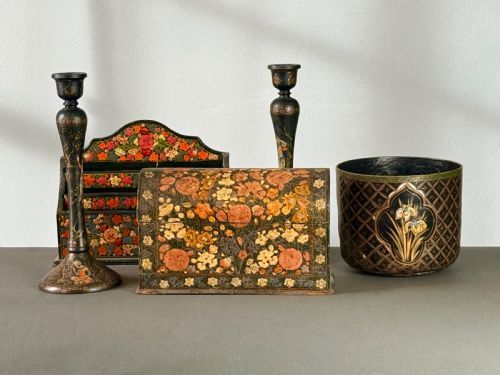
Specialist touches such as gold leaf highlights, olive wood construction, and hand-painted floral motifs elevate basic potting vessels into decorative arts objects.
Some nineteenth-century makers styled heavy brass planters with fierce heraldic crests and lions to look like miniature artillery ammunition.
Distinctions in Quality
Quality rests upon the crispness of surface detail, whether in the chased relief of a brass planter or the hand-painted precision of a Worcester porcelain floral motif. Stronger pieces display deliberate artistic intent rather than mass-produced uniformity.
The integrity of the body materials dictates longevity, separating thin, unstable constructions from thick, resonant stoneware, dense porcelain, and heavy-gauge brass or copper.
Original matching stands and mounts elevate an object's completeness and artistic cohesion, distinguishing superior matched ensembles from isolated vessels.
Flight & Barr Worcester·Barr, Flight & Barr·Minton·William Adams & Sons·W.A. Adderley·Royal Doulton·Doulton Lambeth·Doulton Burslem
The Antique Cachepot Planter Glossary
- Cachepot
- A decorative flower pot holder designed to conceal a plain inner plant pot. It typically lacks drainage holes at the base.
- Jardiniere
- A large ornamental pot or stand for holding plants or flowers. These items often sit directly on floors or tabletops.
- Majolica
- A type of earthenware coated with an opaque tin-lead glaze and painted with bright metallic oxide colours. This technique enjoyed great popularity during the nineteenth century.
- Delft
- Tin-glazed earthenware originating from the Netherlands, traditionally decorated in blue and white. Early examples often took the form of bough pots.
- Jasper ware
- A fine-grained, unglazed stoneware developed by Josiah Wedgwood, characterised by white relief figures applied against a coloured ground.
Antique Cachepot Planter: Frequently Asked Questions
What is a cachepot planter used for?
A cachepot holds a potted plant to conceal standard nursery containers and catch excess water from drainage. They serve primarily as decorative indoor receptacles.
Historically, they brought living greenery and flowering plants directly into parlours and drawing rooms without risking damage to fine furniture.
How do I care for an antique planter?
Protect delicate interiors by using a modern plastic liner inside the antique vessel to prevent direct contact with moisture and soil. This stops mineral deposits and rot.
Clean brass and copper surfaces with a dry cloth, avoiding abrasive polishes that remove patination. Dust ceramics gently without soaking unglazed areas.
How do I distinguish Victorian from Georgian pieces?
Georgian pieces often feature refined porcelain bodies from factories like Worcester, displaying neoclassical motifs or delicate hand-painted scenes. Their forms reflect eighteenth-century symmetry and elegance.
Victorian examples frequently utilise heavier brass, vibrant majolica glazes, or industrial stoneware techniques. They embrace diverse revival styles including Gothic and Art Nouveau.
Did these planters originally have stands?
Certain larger jardinieres and Japanese Imari planters were produced with matching pedestals or feet. These integrated stands elevated the display.
Many surviving vessels operated independently on tabletops, while others retain their original fitted metal or wooden bases.