

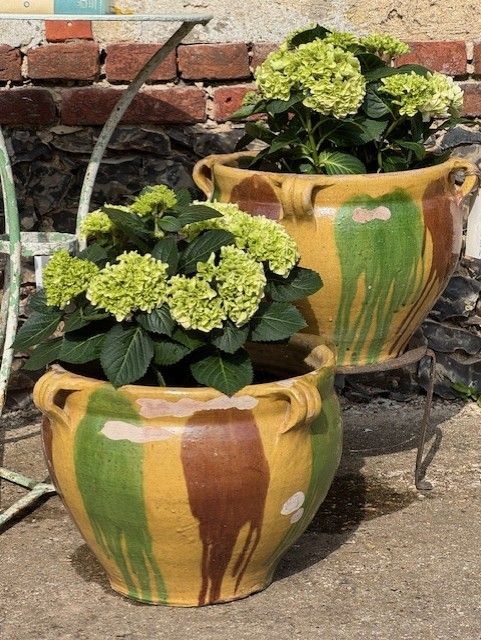


French Country Ceramic Pot
These french country ceramic pot examples bring authentic rustic utility into modern interiors through time-worn earthenware and organic glazes.
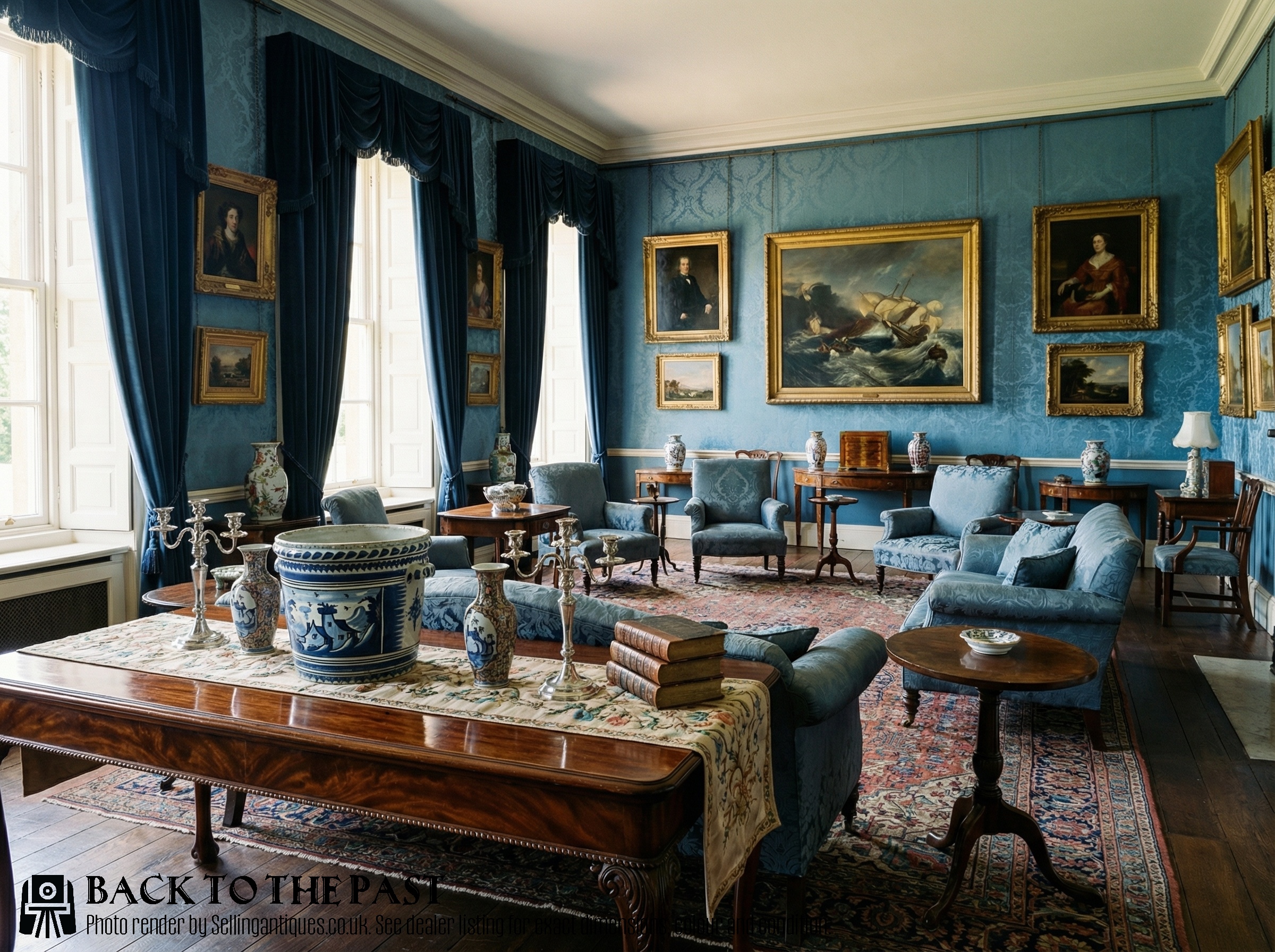
French Country Ceramic Pot
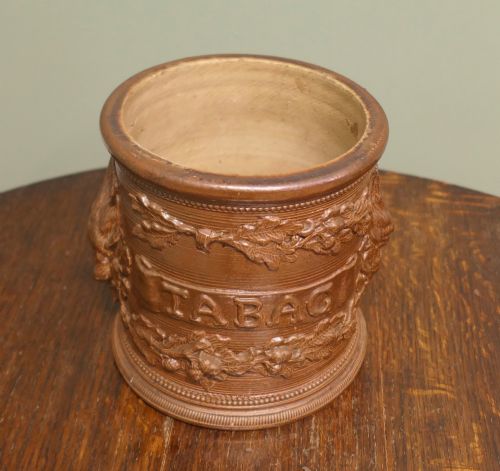
When searching for a french country ceramic pot, you encounter traditional vessels and jars shaped for agricultural and domestic tasks across French regions. The pieces listed range from large olive jugs and confit jars to garden planters and cream pots.
The selections span several centuries, with examples originating from the eighteenth and nineteenth centuries alongside mid-twentieth century items. Forms include handled vessels, amphora shapes, and specialised items such as orange pots and walnut oil jugs.
Most entries embody styles like French provincial, rustic farmhouse, and rustic European folk traditions. These utilitarian items served practical roles in storing oils, creams, and preserves before finding a place in decorative interiors.
How they were made
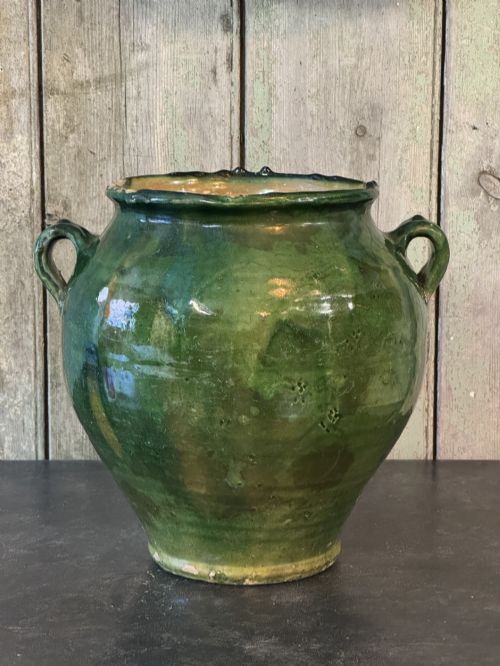
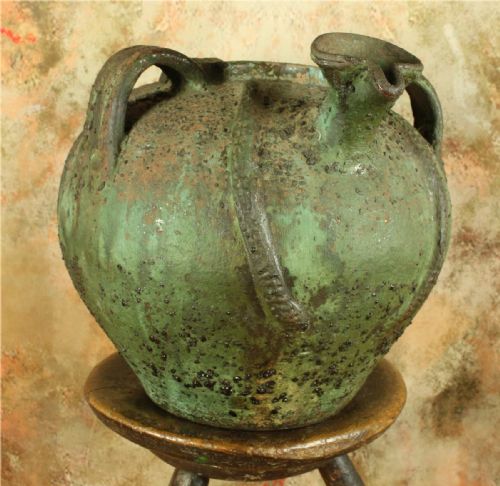
Maker techniques rely heavily on worked terracotta and earthenware shaped by hand into robust functional forms. Artisans applied liquid glazes, including tin glaze and distinctive dribble glazes, to seal the porous clay bodies for storing liquids.
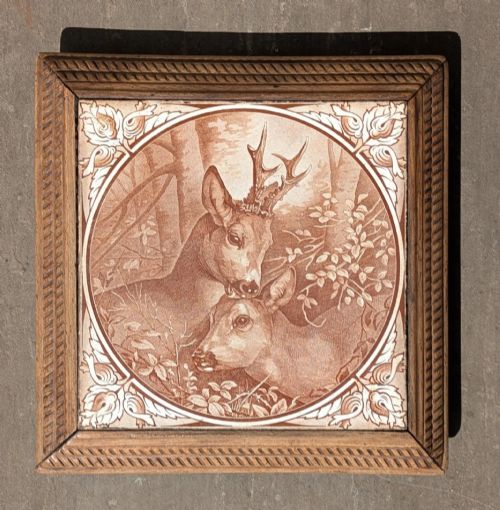
Natural materials dominate the construction, utilising local clay alongside supportive elements such as oak and walnut stands for specific tiles and vessels. The combination of simple earthenware with rich surface finishes defines the physical makeup of these pieces.
French Country Ceramic Pot Retail Price Guide 2026
Typical asking prices for french country ceramic pot among the pieces listed under this phrase on Sellingantiques today, from the lower quarter to the upper quarter. They describe what is for sale here now, not the wider market.
Some pots retain three handles because one is simply for hanging on a wall hook while pouring oil.
What varies in quality
Quality separates objects by the depth of character in the glaze run and the preservation of the original clay body over centuries of use. Pieces displaying rich dribble glazes or multi-handle configurations demonstrate greater artisanal ambition than plain utilitarian variants.
The integrity of the form and the harmonious ageing of the earthenware surface dictate the standing of each vessel. Finer examples retain their original functional context, whether as large olive jugs or specialised confit jars, with surfaces shaped genuinely by age.
The French Country Ceramic Pot Glossary
- Confit pot
- A traditional French earthenware jar with handles, historically used for preserving meat and provisions. These vessels feature glazed interiors and often show characteristic surface wear from kitchen use.
- Earthenware
- Porous pottery fired at relatively low temperatures, requiring a glaze to hold liquids. This material forms the primary body of traditional French provincial vessels.
- Terracotta
- Fired unglazed or glazed clay of a brownish-red colour, commonly utilised for garden planters and large agricultural vessels. The material provides robust weight and structure to heavy storage jars.
- Tin glaze
- An opaque white or coloured glaze containing tin oxide, providing a smooth surface for painted decoration on historic faience. This technique appears on specialised decorative items such as orange pots.
- Faience
- Tin-glazed earthenware produced in European traditions, known for decorative surfaces and refined forms. Historic examples reflect regional pottery styles from periods like the eighteenth century.
French Country Ceramic Pot: Frequently Asked Questions
What were french country ceramic pot vessels originally used for?
These ceramic vessels served practical daily functions in rural French households and agricultural estates. Confit pots held preserved meats, while walnut oil jugs and cream pots stored essential kitchen provisions.
Over time, these utilitarian objects transitioned from working farm environments into decorative interior pieces. Their robust construction and organic forms made them durable enough for continuous domestic service.
How do I distinguish eighteenth century pieces from later ones?
Eighteenth century examples often display specific regional characteristics, such as the tin glaze work seen on Nevers faience. The clay bodies and handle formations reflect older hand-working techniques distinct from later production.
Later nineteenth and twentieth century pieces typically show heavier green glazes or distinct dribble glaze effects. Comparing the baseline potting style and material finish helps clarify the chronological origin of each jar.
Where should I place a large confit pot at home?
Large confit pots work well as floor-standing decorative elements in hallways, living rooms, or kitchens. Their substantial terracotta or earthenware bodies anchor empty corners effectively.
Alternatively, smaller variants can sit on tables or shelves to display dried botanicals. Their neutral earthy tones integrate smoothly into rustic and contemporary interior schemes alike.
Are these pots waterproof for live plants?
Many historic earthenware and terracotta vessels are porous due to the firing methods of their respective periods. While some feature internal glazes, moisture can still seep through unglazed clay or historic hairline fissures.
Using a separate inner plastic liner protects the historic interior surface when housing live plants. This preserves the pot while allowing you to use it safely as a planter.