






Antique Blue Charger
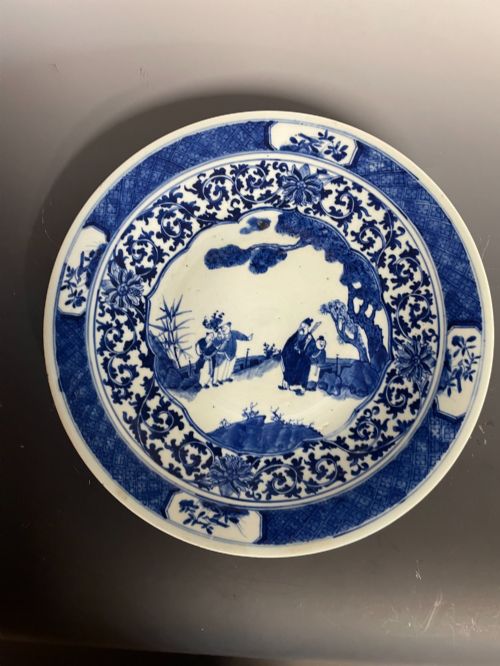
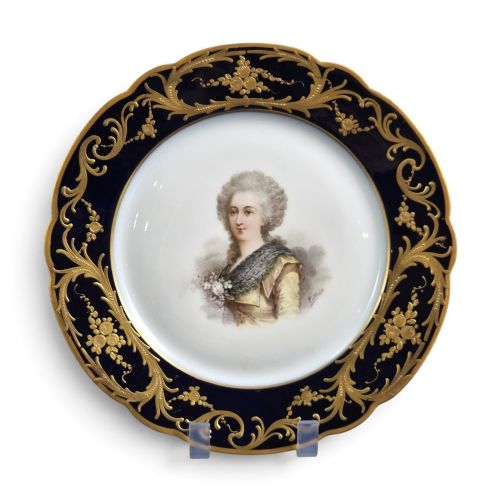
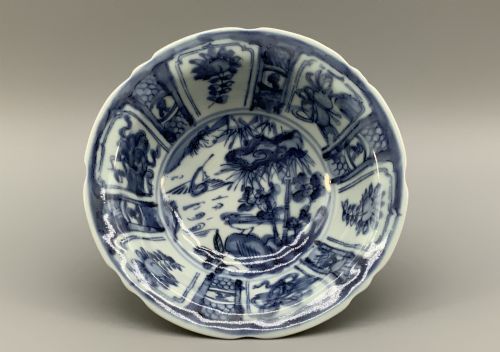
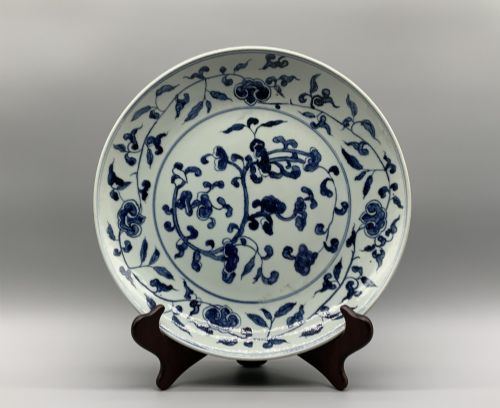
An antique blue charger brings large-scale cobalt decoration to a wall or central table, offering centuries of hand-painted artistry for the home.
Antique Blue Charger
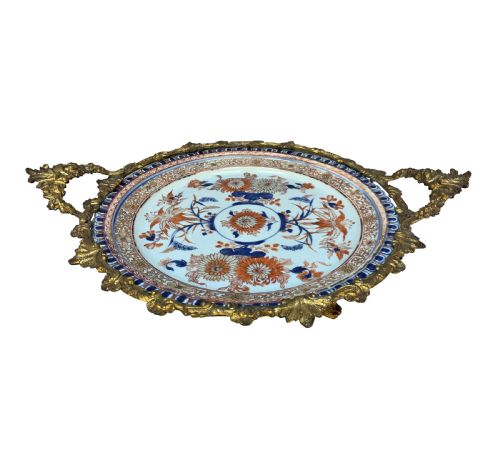
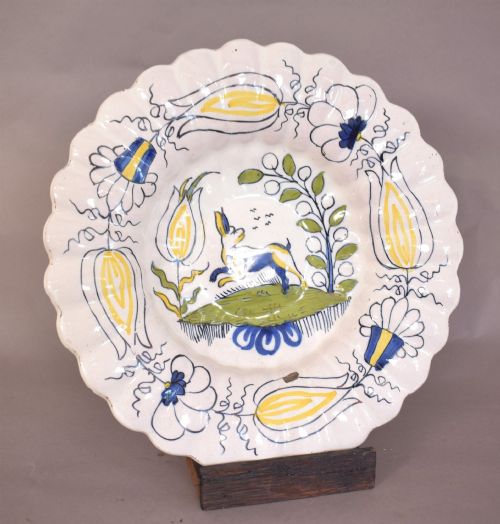
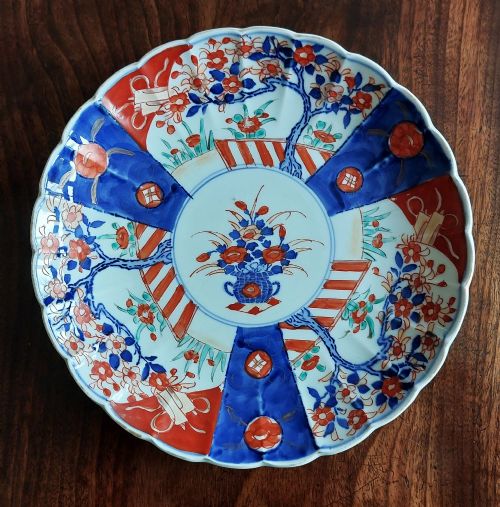
When you search for an antique blue charger, you encounter large decorative plates, platters, and round dishes produced across several centuries. The examples on this page span Dutch Delftware, English pottery, French soft-paste porcelain, and Japanese Imari output from the seventeenth century through to the twentieth century.
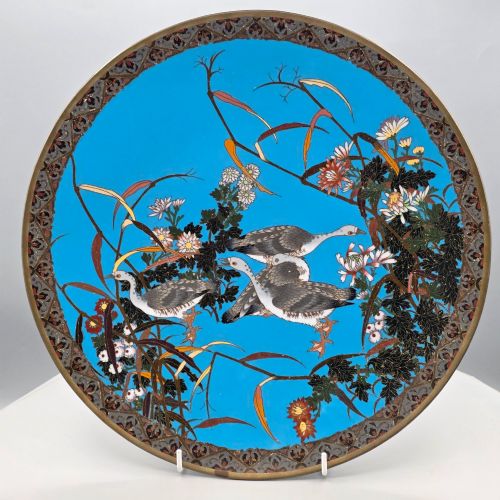
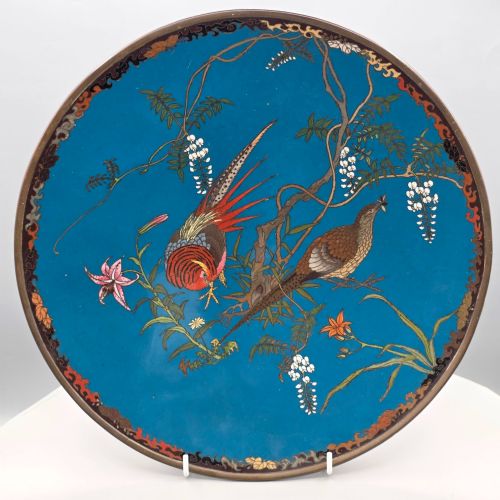
The most frequent form on this page is the large serving plate or wall platter executed in cobalt blue tones. These items range from tin-glazed earthenware and earthenware transferware to detailed Japanese porcelain and cloisonné enamel chargers.
Origins include seventeenth-century and eighteenth-century Delft traditions, nineteenth-century Staffordshire and Worcester production, and Meiji period Japanese workshops. Buyers select these large pieces for their commanding scale and rich blue pigment work.
How they were made
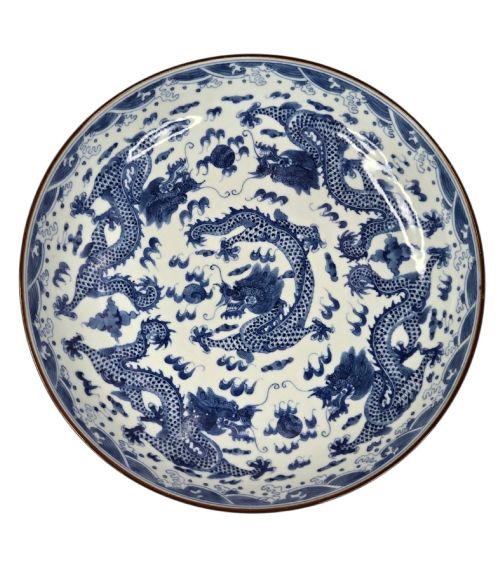
Makers utilised porcelain, earthenware, and tin-glazed bodies as the foundational canvas for cobalt blue painting, enamel work, and transfer printing. Artisans applied cobalt underglaze pigments before glazing and firing, or laid transfer-printed patterns onto earthenware platters.
Techniques varied from hand-painted Chinese and Japanese floral and dragon motifs to European delftware and transferware depictions of landscapes and temples. Metal mounts in ormolu and cloisonné wirework added structural framing to specific porcelain and enamel pieces.
Listings span seventeenth-century tin-glazed earthenware to twentieth-century porcelain cabinet plates by Royal Worcester.
What varies in quality
Quality rests in the crispness of the cobalt painting, the depth of the glaze, and the precision of the firing process. Pieces with sharp brushwork, clear pictorial detail, and stable glaze surfaces sit at the upper end of the scale.
The sophistication of the design composition and the handling of secondary colours, such as gold leaf accents or enamel highlights alongside the primary blue, distinguish standard production from exceptional artistry.
Royal Worcester·Royal Crown Derby·John Rogers and Son·Royal Bonn
The Antique Blue Charger Glossary
- Charger
- A large decorative plate or platter traditionally used for ceremonial service or wall display. These substantial vessels measure significantly larger than standard dinner plates.
- Tin-Glazed Earthenware
- Pottery covered with a white tin-oxide glaze that provides an opaque surface for painted cobalt decoration. This technique defines Dutch delftware and English counterparts.
- Cobalt Underglaze
- Pigment applied to a ceramic body before the application of a clear glaze and high-temperature firing. The method yields a durable blue design embedded beneath the glassy surface.
- Imari
- A style of Japanese porcelain featuring cobalt blue and iron red, often enriched with gold leaf. Production centred on the port of Arita for both domestic use and export.
- Transferware
- Pottery decorated by applying a printed design from a copper plate onto paper, which is then transferred onto the clay body before glazing. This technique enabled detailed pictorial scenes on nineteenth-century earthenware.
Antique Blue Charger: Frequently Asked Questions
How were antique chargers used?
These large vessels originally served grand dining tables for presenting meats or courses before transitioning to decorative wall display.
Their substantial diameter made them centrepieces for hospitality, while later examples functioned primarily as cabinet pieces or wall plaques.
How do I hang a charger safely?
Displaying a large plate requires a specialised wall bracket or spring-loaded wire hanger designed for heavy earthenware and porcelain.
Ensure the mounting hardware matches the exact weight and rim depth of the specific dish to prevent slippage.
How do I distinguish Delft from Imari?
Delft pieces rely on tin-glazed earthenware bodies with cobalt blue designs executed in European interpretations of Chinese motifs.
Imari pieces utilise porcelain substrates, combining cobalt blue underglaze with iron red and gold leaf in Japanese aesthetic traditions.
Can I use these plates for food?
Historic ceramic chargers feature fragile glazes, historic wear, and occasionally lead-bearing compositions unsuited for modern culinary use.
Displaying them visually preserves their painted surfaces and structural integrity without risking chemical interaction or physical damage.