



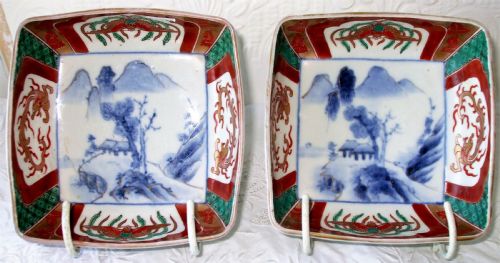


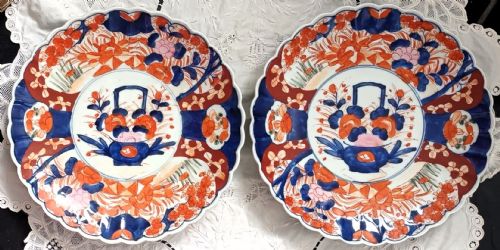
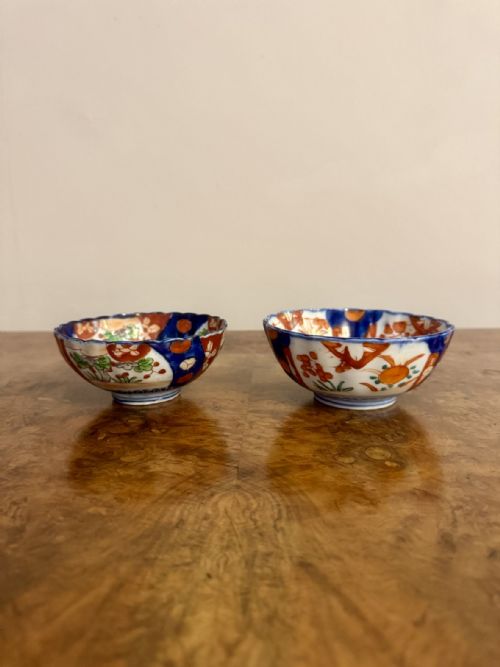
Antique Asian Ceramic Dish
These antique asian ceramic dish examples bring centuries of skilled kiln work and hand painting directly to a table or wall.
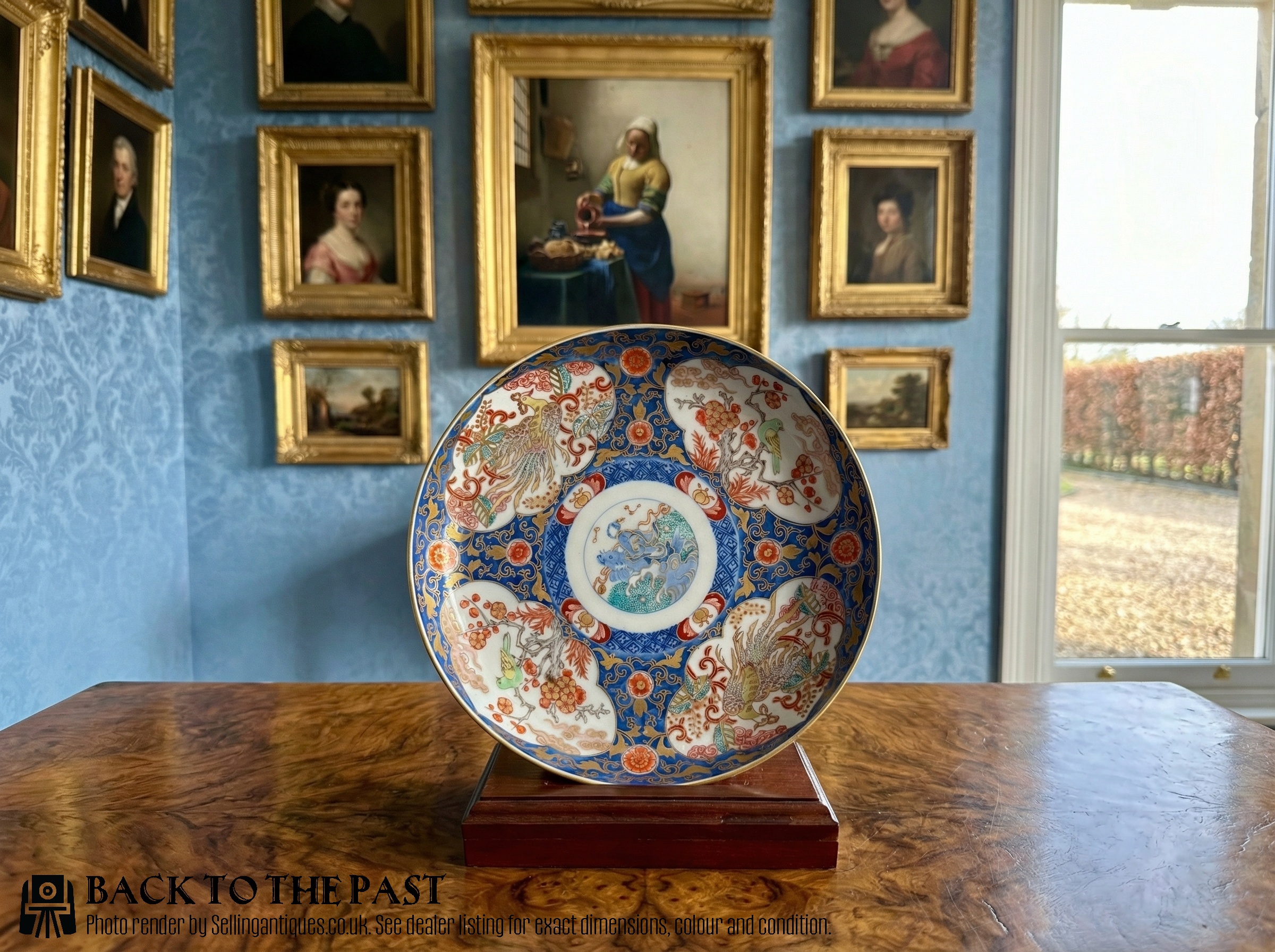
Antique Asian Ceramic Dish
An antique asian ceramic dish encompasses both Chinese and Japanese production, spanning periods from the seventeenth century through the early twentieth century. Buyers encounter forms ranging from shallow decorative dishes and scalloped plates to deep chargers and bowls.
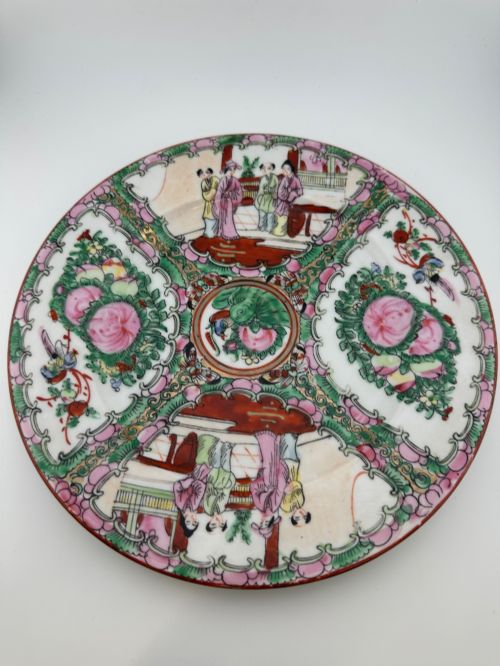
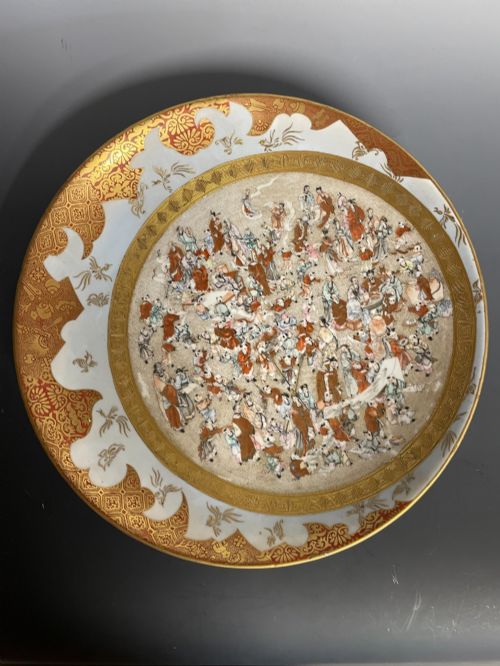
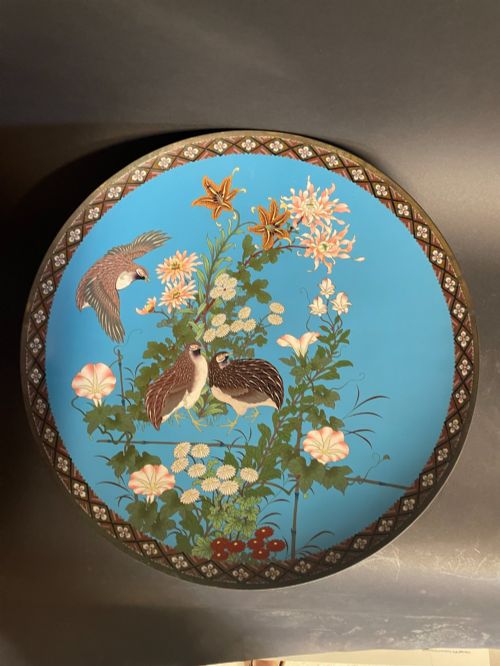
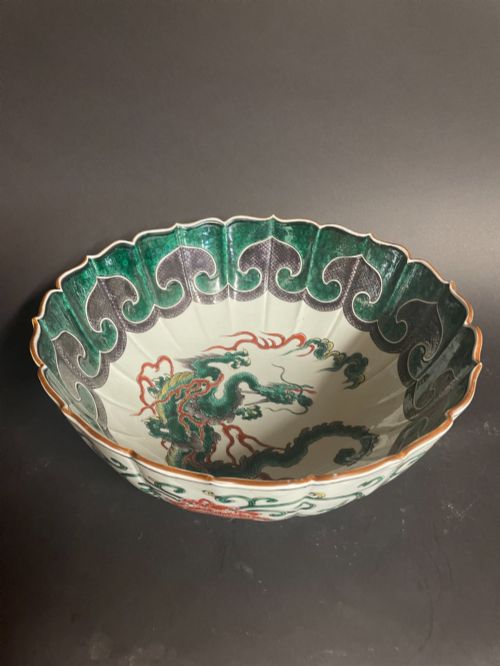
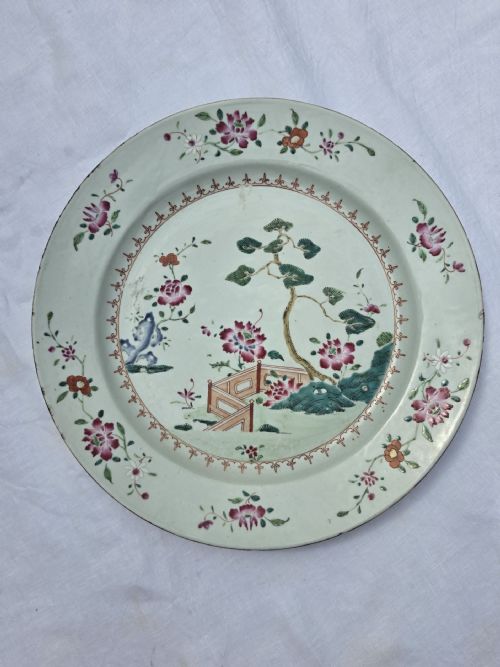
Japanese pieces frequently originate from the Meiji period, featuring Kutani, Satsuma, and Imari styles often decorated with birds, flowers, or figural scenes. Chinese examples include Export porcelain, Canton painted enamels, and Ming Dynasty wares.
The selection on this page relies heavily on nineteenth-century and early twentieth-century items, alongside occasional eighteenth-century export chargers and seventeenth-century bowls. These domestic and decorative items reflect the shifting export markets of East Asia.
Materials and Techniques
Potters relied on fine white clay bodies to shape porcelain plates and bowls, applying mineral-based glazes before high-temperature firing. Enamel colours and gold leaf were often added in subsequent low-temperature enamel kilns to build up intricate surface patterns.
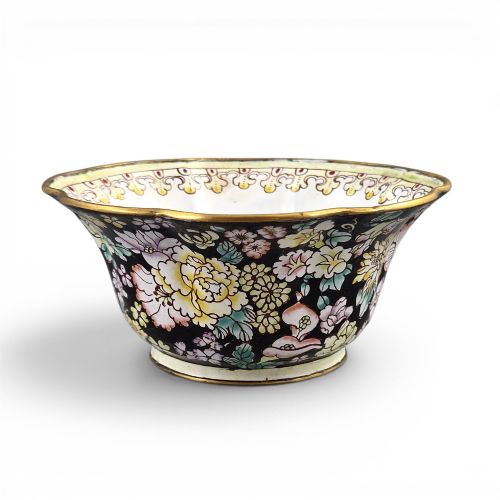
Earthenware formed the base for specific traditions like Satsuma ware, which received a characteristic crackle glaze beneath painted details. Copper served as the foundation for painted enamel vessels such as those from Canton.
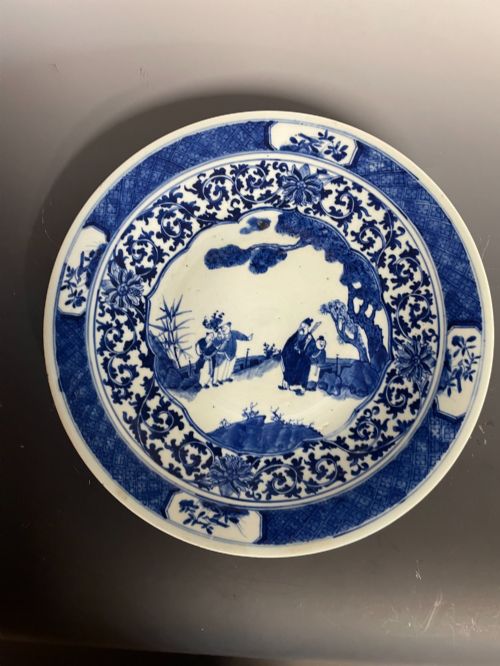
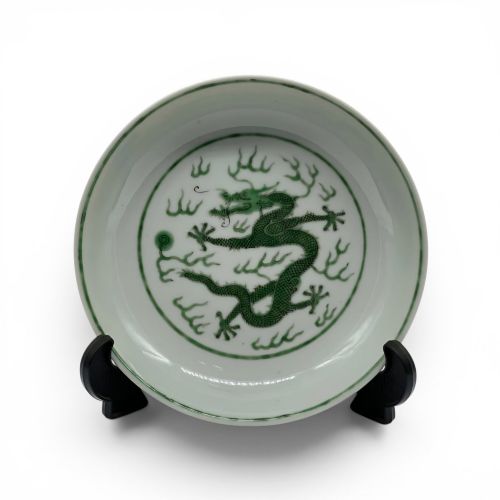
Hand painting dictated the final appearance of these surfaces, with artisans utilising fine brushes to outline botanical motifs, imperial dragons, and exotic birds. Gilding and gilt highlights provided additional contrast against cobalt blues and polychrome enamel palettes.
Listings span multiple centuries, incorporating materials like porcelain, earthenware, enamel, and gold leaf alongside styles from the Edo, Meiji, and Qing periods.
Evaluating Execution
The precision and detail of the hand painting separate ordinary production from superior examples. Skilled brushwork shows clean lines, careful shading, and thoughtful composition across the plate or bowl.
The application of glaze and enamel dictates visual depth, where smooth, even surfaces without excessive bubbling or pooling demonstrate better kiln control. Rich cobalt blue tones and well-preserved gilding enhance the overall presence of a piece.
Koshida·Gyokkō·Kozan
The Antique Asian Ceramic Dish Glossary
- Imari
- A style of Japanese porcelain featuring a palette of underglaze blue, iron red, and gilt. It originated in Arita and became widely exported to Europe.
- Satsuma
- A type of Japanese earthenware characterised by an ivory-coloured, crackled glaze and elaborate polychrome and gilt decoration. These pieces were heavily produced for export during the Meiji period.
- Kutani
- Japanese porcelain known for bold pictorial designs and rich colour palettes, particularly greens, reds, and golds. Production centres in Ishikawa Prefecture.
- Famille Rose
- A major palette of Chinese porcelain enamel colours introduced in the eighteenth century, dominated by opaque pink or rose enamels. The style superseded earlier green-dominant families.
- Charger
- A large decorative plate intended for display on a sideboard or wall rather than for serving food at the table.
Antique Asian Ceramic Dish: Frequently Asked Questions
How do I date an imari dish?
Dating relies on the weight of the porcelain, the hue of the underglaze blue, and the style of the hand-painted motifs. Edo period pieces often display heavier potting and deeper cobalt tones, whereas Meiji examples utilise brighter enamels and finer detailing.
Examining the foot ring provides further clues regarding manufacturing methods and kiln furniture marks typical of specific decades.
Were these dishes meant for food?
While many forms originated as tableware, larger chargers and decorated plates were frequently produced primarily for display. Export wares often balanced utility with decorative appeal for foreign markets.
Fine enamels and gold leaf can wear down with frequent washing, so collectors generally treat older pieces as decorative objects today.
What is satsuma ware?
Satsuma ware is a type of Japanese earthenware featuring a distinct pale, crackled glaze. Artisans painted intricate scenes over this base, often incorporating heavy gold leaf and detailed borders.
These items gained immense popularity during the Meiji period and were produced in workshops across Kyoto and other regions.
How should I display a charger?
Chargers are well-suited for wall mounting using coated wire hangers designed for heavy porcelain plates. Alternatively, sturdy plate stands allow them to sit securely on a cabinet or mantelpiece.
Keeping them away from direct sunlight protects the integrity of the hand-painted enamels and gilt highlights over time.