





19th Century Japanese Plates
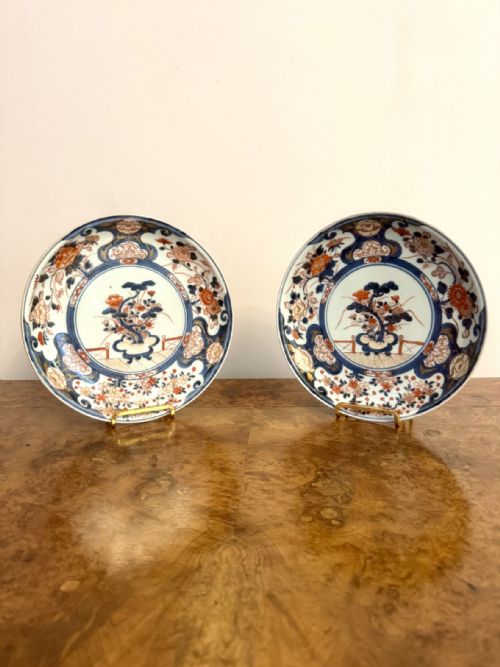
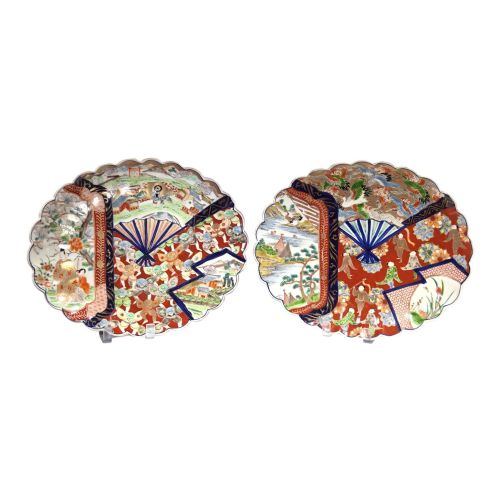
These 19th century japanese plates bring together intricate hand-painted palettes and metalwork techniques that anchor a room with distinct historical presence.
19th Century Japanese Plates
When searching for 19th century japanese plates, collectors encounter varied ceramics and metalwork originating from the Meiji and late Edo periods. These pieces range from standard cabinet plates to massive wall chargers measuring over fifty centimetres in diameter.
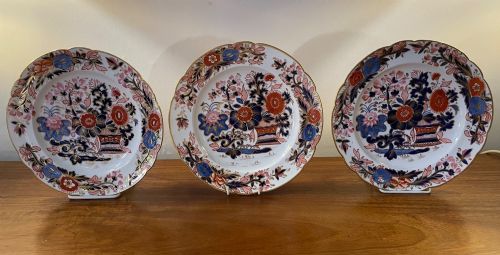
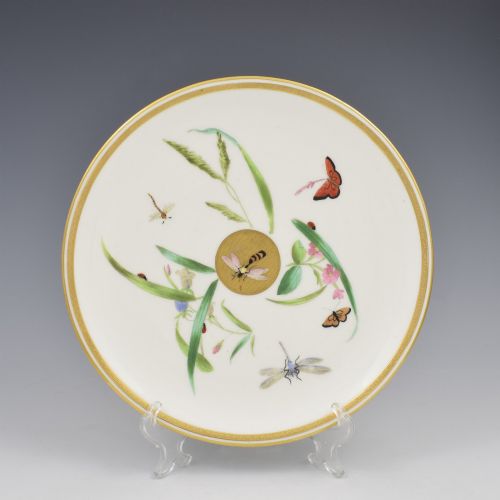
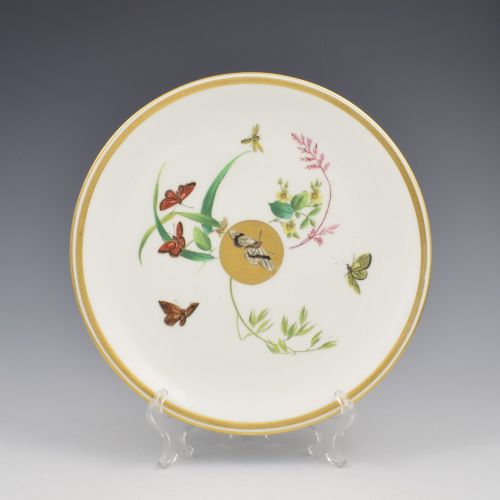
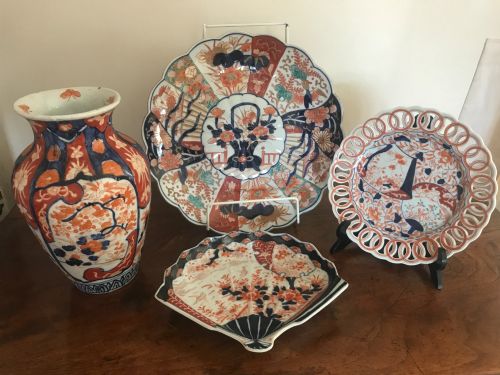
The selections on this page heavily feature traditional Japanese Imari porcelain alongside intricate cloisonne enamel trays and chargers. British interpretations inspired by Japanese design also appear, demonstrating the widespread Victorian aesthetic influence of the era.
Forms include scalloped dessert plates, large circular chargers, and octagonal serving trays. Makers utilised porcelain, copper, and enamel to create decorative surfaces depicting dragons, koi, phoenixes, and botanical motifs.
Materials and methods
Porcelain bodies form the base of traditional Imari pieces, fired at high temperatures and decorated with characteristic cobalt blue and iron red glazes, often augmented with gilt highlights. British equivalents utilise local porcelain painted with Japanese-style motifs under a glossy finish.
Cloisonne enamel pieces rely on metal bases made of copper or brass, where thin wire compartments outline the design before being filled with coloured enamels and polished smooth. Variations like Totai Shippo incorporate porcelain cores wrapped in cloisonne wirework or tree bark textures.
Listings span the late Edo period through the Meiji era, incorporating porcelain, copper, and cloisonne enamel.
Distinctions in quality
The distinction between standard domestic wares and top-tier examples lies in the precision and complexity of the decoration. Masterpieces display deeply detailed iconography such as leaping koi, samurai, or dragons executed with exceptional line control and controlled colour saturation.
Physical scale and technical ambition also separate pieces, with massive chargers requiring immense skill to prevent warping during kiln firing. Signed works and unusual material combinations like cinnabar lacquer or Totai Shippo elevate the standing of individual items.
The 19th Century Japanese Plates Glossary
- Imari
- A style of Japanese porcelain featuring a distinctive palette of underglaze blue, iron red, and gilt highlights. These items were widely exported to Europe throughout the period.
- Cloisonne
- A metalwork technique involving soldered wire partitions that create cells filled with enamel paste. The surface is subsequently fired and polished to a smooth finish.
- Charger
- A large decorative plate intended primarily for display on a wall or sideboard rather than for dining use. They often measure significantly larger than standard tableware.
- Totai Shippo
- A specialised technique where enamelwork is applied directly over a porcelain or earthenware body rather than a traditional metal base. This method combines ceramic shaping with metal cloisonne wiring.
19th Century Japanese Plates: Frequently Asked Questions
Were these plates used for dining?
Most large examples function strictly as decorative chargers meant for display on walls or central tables rather than everyday dining.
Smaller cabinet plates and dessert sets were designed for light dining use, though their delicate enamel and gilt surfaces meant careful handling.
How do I identify Imari ware?
Imari pieces are readily distinguished by their heavy reliance on deep cobalt blue and rust red, frequently accented with painted gold leaf.
Traditional motifs often include floral arrangements, brocade patterns, and panels filled with stylized landscapes.
What is cloisonne enamel?
Cloisonne is a decorative technique where thin metal wires are soldered onto a metal or porcelain base to form intricate outlined cells.
These individual compartments are packed with coloured glass paste and fired repeatedly until the surface can be ground flat and polished.
How can I tell the period?
Dating relies on stylistic shifts between the late Edo period and the industrial expansion of the Meiji era, alongside physical signatures.
Victorian British adaptations of Japanese styles feature distinct European ceramic marks on the reverse rather than Japanese workshop signatures.