

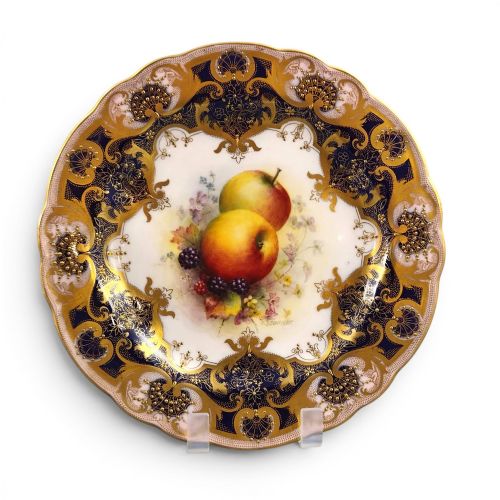


Cobalt Blue Gold Ceramic Plate
These cabinet plates and serving dishes in cobalt blue gold ceramic plate deliver striking visual contrast through rich cobalt glaze and gilded highlights.
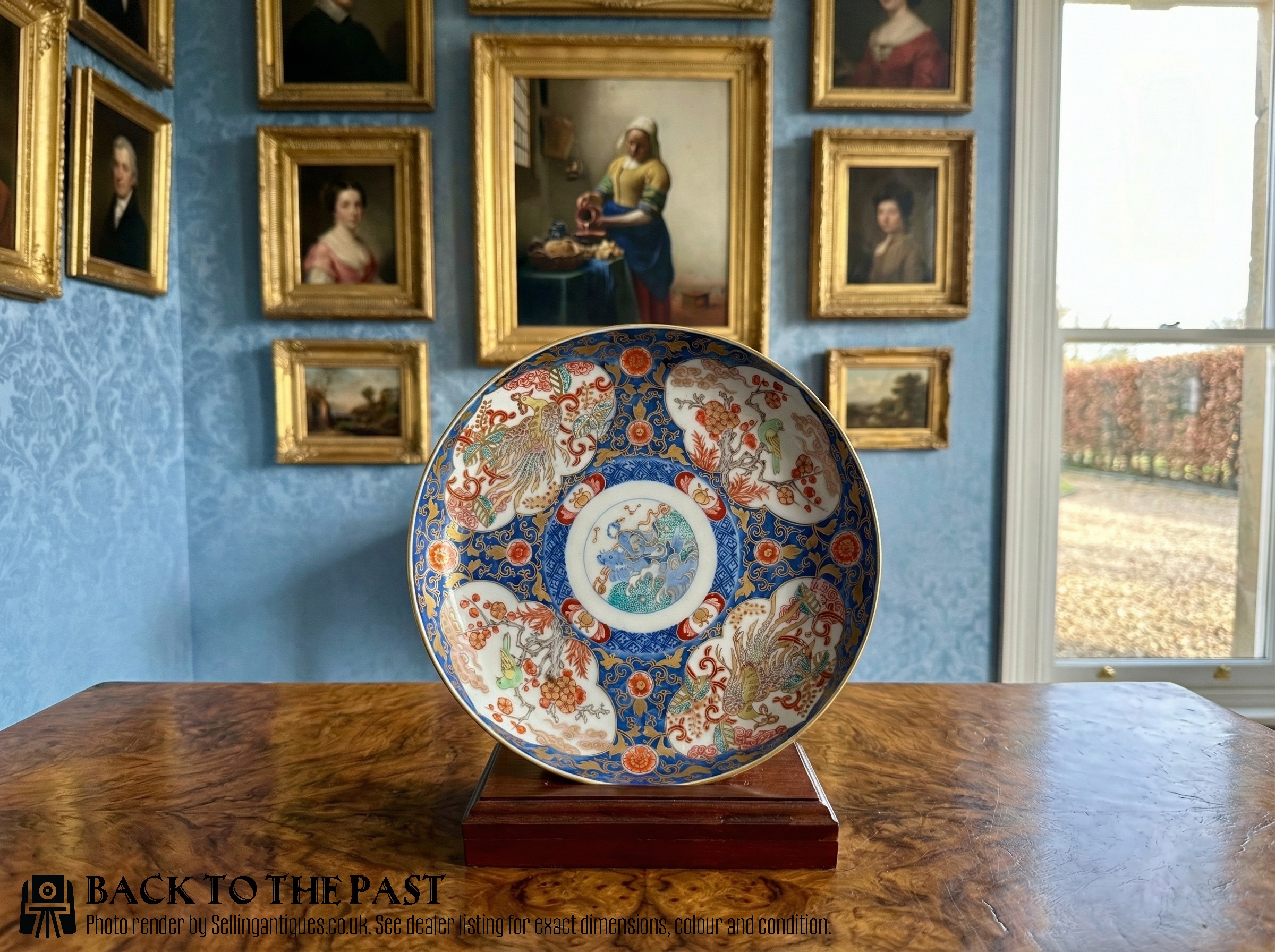
Cobalt Blue Gold Ceramic Plate
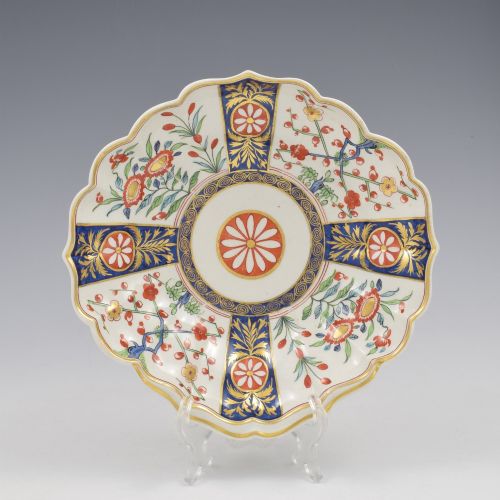
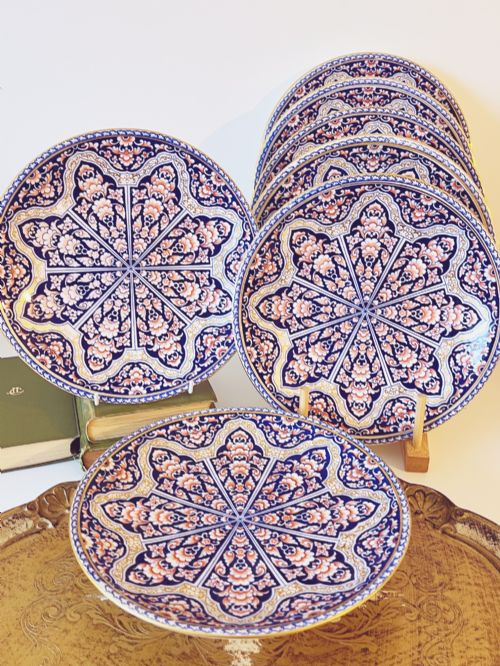
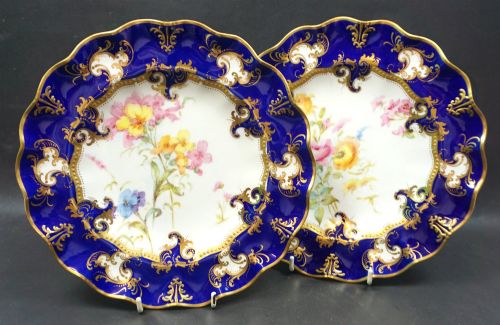
A cobalt blue gold ceramic plate brings together deep blue grounds and lavish metallic ornamentation, spanning cabinet plates, dessert dishes, and serving pieces. When you search for a cobalt blue gold ceramic plate, you encounter finely painted porcelain and bone china created for display and formal dining.
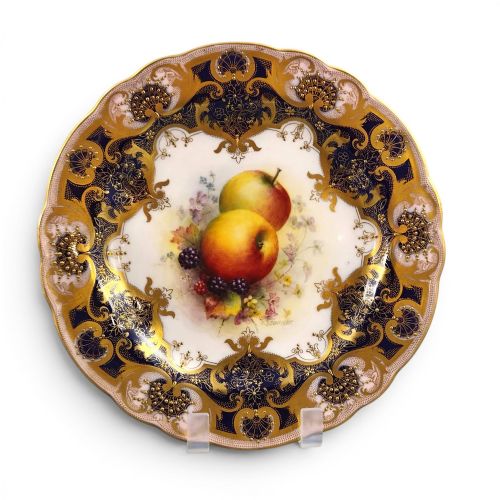
The pieces on this page range from eighteenth-century English works to nineteenth-century continental items and twentieth-century British studio output. Makers from Worcester, Derby, and Vienna dominate the selection, offering botanical studies, mythological scenes, and fruit painting executed by named artists.
Cabinet plates and dessert service components form the bulk of the available material. These items prioritised visual splendour over everyday utility, resulting in surviving examples that retain bright gilding and pristine enamels.
Materials and production
Makers utilised hard-paste porcelain, soft-paste porcelain, and bone china as the structural body for these items. Potters applied cobalt oxide under the glaze to achieve the characteristic deep blue ground before firing at high temperatures.
Gilding was executed using gold leaf or liquid gold preparations, which were fixed to the surface through subsequent kiln firings. Artisans then added hand-painted enamel details, botanical studies, or figurative scenes over the glazed and gilded ground.
Cobalt Blue Gold Ceramic Plate Retail Price Guide 2026
Typical asking prices for cobalt blue gold ceramic plate among the pieces listed under this phrase on Sellingantiques today, from the lower quarter to the upper quarter. They describe what is for sale here now, not the wider market.
Cupid and Psyche rub shoulders with botanical studies and medieval battle scenes across these painted ceramic surfaces.
Assessing quality
Quality rests upon the precision of the hand-painting and the crispness of the gilding. Works by documented artists demonstrate superior brushwork in floral motifs and figurative subjects compared to standard factory output.
The depth and uniformity of the cobalt blue ground, combined with the weight and translucency of the porcelain body, distinguish finer pieces. Plates that retain burnished gold leaf without rubbing indicate careful handling and superior initial firing.
Royal Crown Derby·Royal Worcester·Pucher Deroche Paris·Coalport·Royal Vienna·Meissen·Worcester·Ridgway·Aynsley·Sevres
The Cobalt Blue Gold Ceramic Plate Glossary
- Cabinet Plate
- A decorative ceramic plate intended for display in a cabinet rather than for serving food. These pieces frequently incorporate pierced borders, intricate gilding, and hand-painted central panels.
- Bone China
- A type of porcelain containing calcined cattle bone, developed in England to improve strength and translucency. It provides a bright white base that contrasts effectively with cobalt glazes.
- Soft-Paste Porcelain
- An artificial porcelain composition fired at lower temperatures than hard-paste porcelain. It produces a warm, slightly creamy body commonly found in eighteenth-century English wares.
- Gilding
- The application of gold leaf or powdered gold to the ceramic surface. This technique highlights rims, borders, and raised motifs against the blue ground.
- Enamel
- Opaque vitreous paint applied over the glaze to introduce vibrant colours to the design. Firing fuses the enamel permanently to the ceramic body.
Cobalt Blue Gold Ceramic Plate: Frequently Asked Questions
How do I display a cabinet plate?
Cabinet plates are typically shown using specialised wall hangers with coated prongs or sturdy plate stands designed for tabletop display. Ensure the support takes the full weight of the ceramic without putting pressure on the gilded rim.
Keep display locations away from direct sunlight and areas of high humidity to protect the enamel colours and metallic leaf over time.
What is an Imari pattern?
Imari style decoration incorporates a distinct palette of cobalt blue, iron red, and abundant gold detailing, inspired by Japanese export porcelain. Victorian and later makers adopted this aesthetic for serving dishes and cabinet plates.
The combination of deep underglaze blue and brilliant gilding aligns closely with the traditional cobalt and gold aesthetic.
How do I identify the maker?
Makers' marks are usually found stamped, painted, or impressed on the underside of the ceramic body. These marks can include factory ciphers, pattern numbers, and date symbols.
Comparing the style of the mark with standard ceramic reference guides helps narrow down the exact decade of manufacture.