

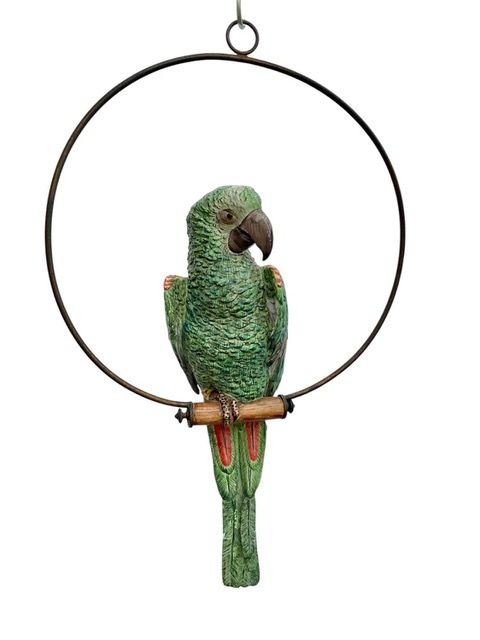

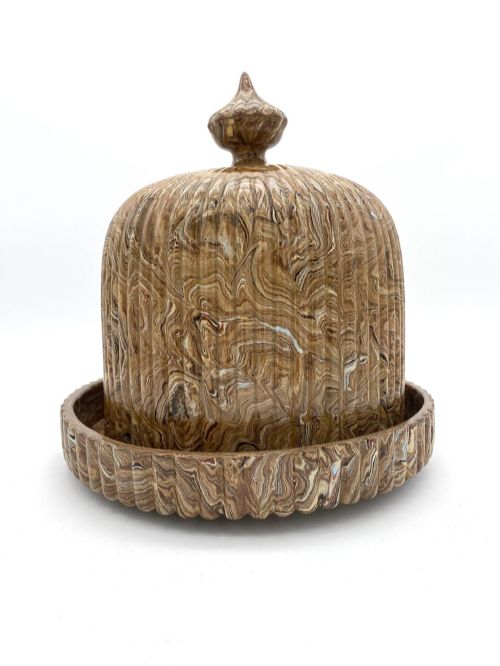
19th Century Staffordshire Pottery
These robust earthenware pieces carry the enduring charm of 19th century staffordshire pottery, bringing character to any mantelpiece through figurative models and utilitarian vessels.

19th Century Staffordshire Pottery
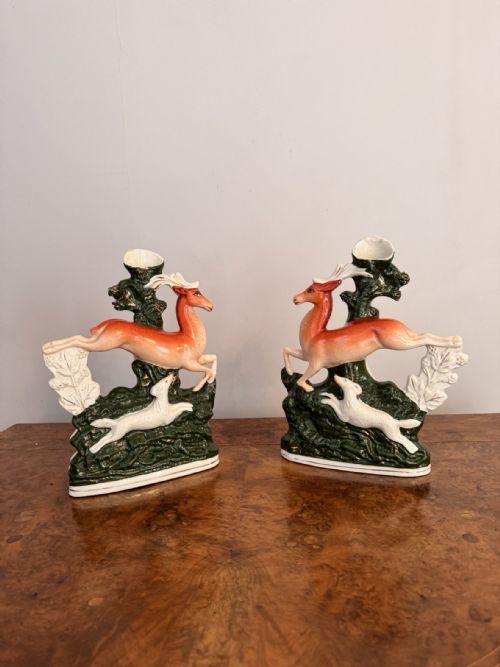
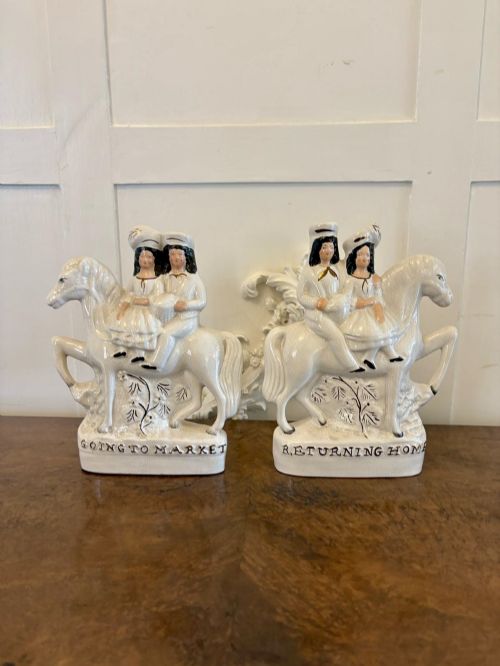
Collectors seeking 19th century staffordshire pottery encounter a diverse array of ceramic objects, ranging from decorative mantel figures to functional jugs and tableware. The inventory spans early Georgian and Regency iterations through to late Victorian productions, capturing the evolving domestic tastes of the period.
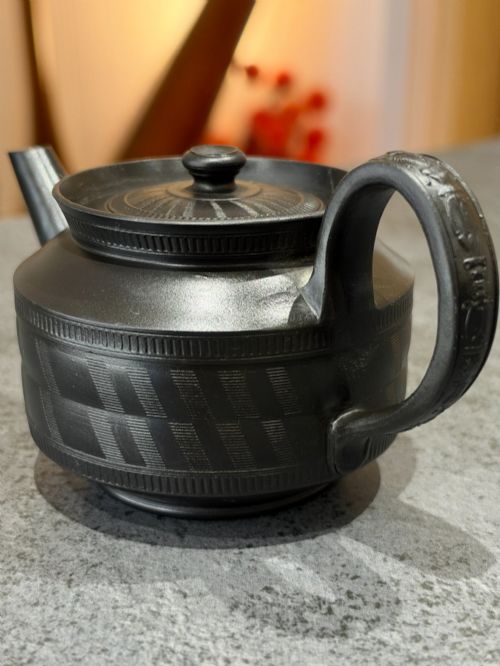
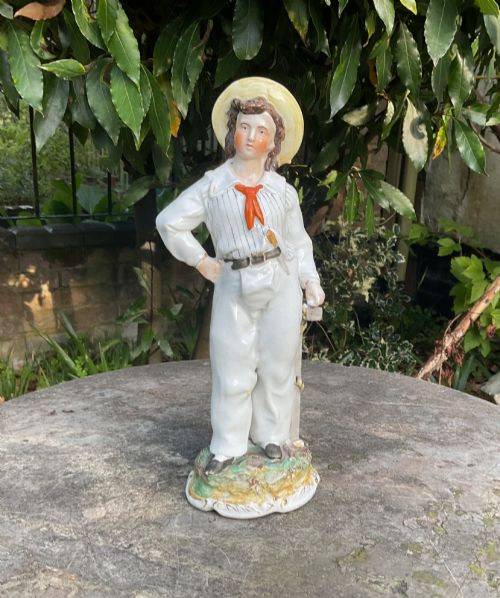
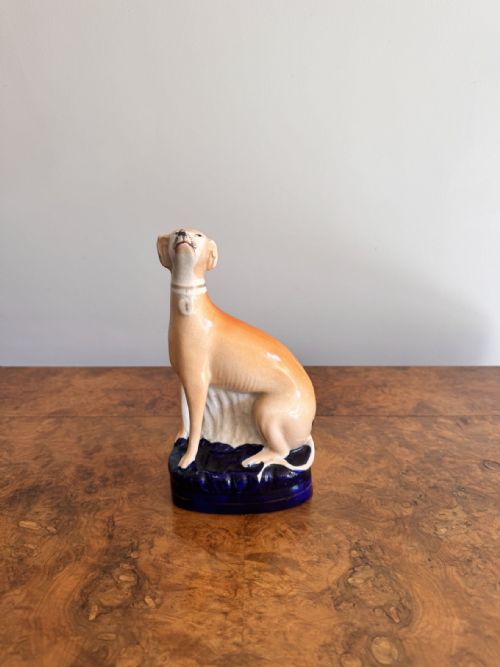
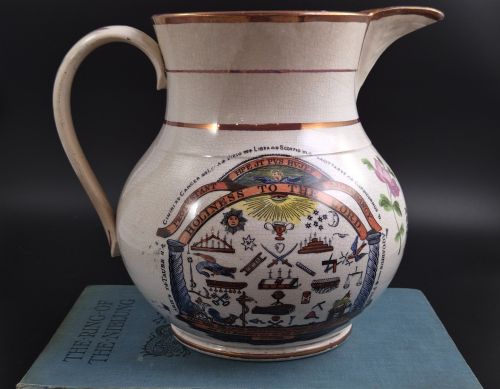
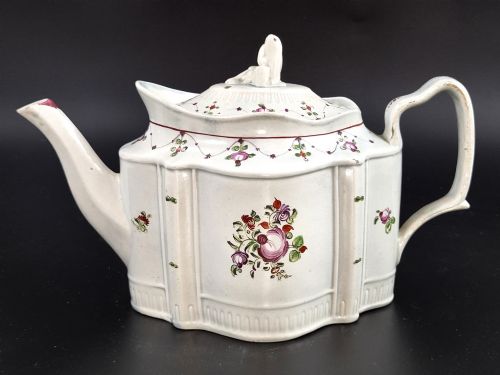
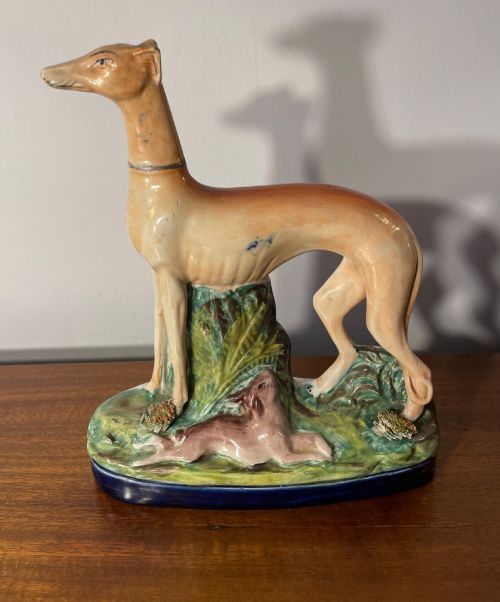
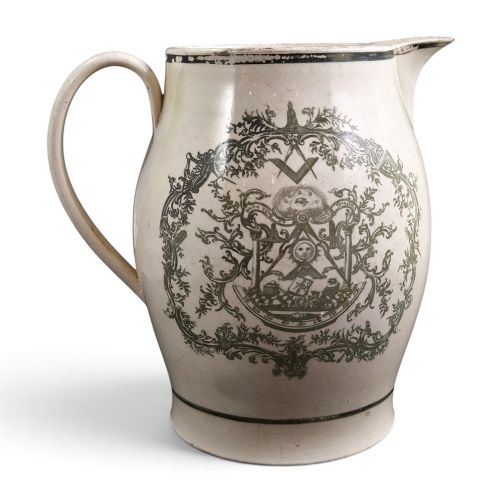
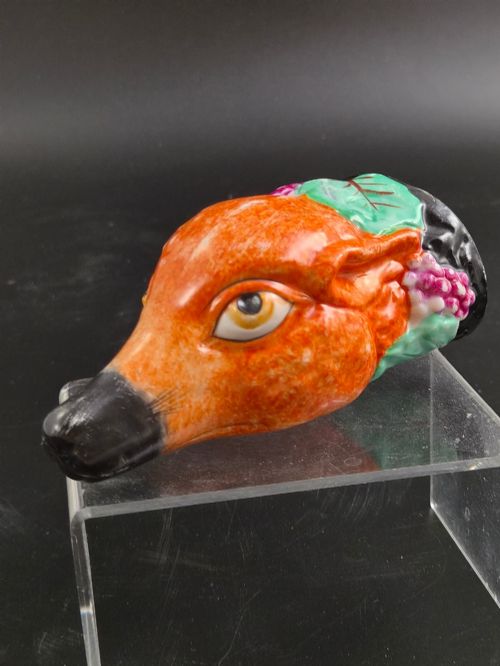
Figurines and spill vases dominate the selection, often depicting domestic animals such as spaniels, greyhounds, and sheep, alongside notable historical portraits. Jugs, pitchers, and utilitarian teapots also appear frequently, finished with transfers or hand-painted details.
The objects originate from English kilns working across multiple stylistic vocabularies, including folk art, classical revival, and transfer-printed blue and white wares. Buyers meet both modest earthenware items and more ambitious moulded figures on the page.
Materials and methods
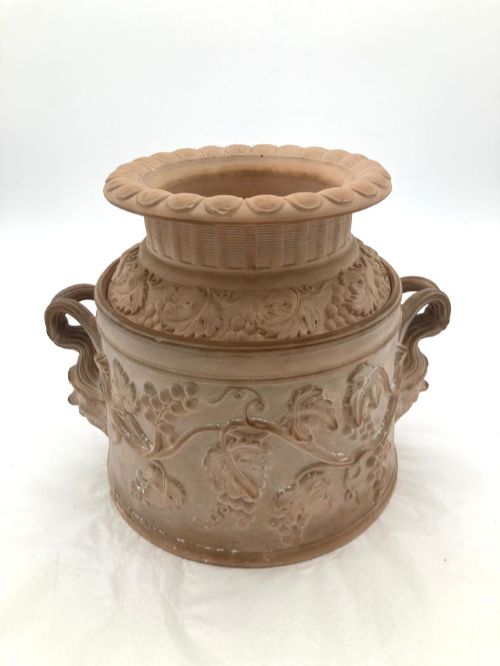
Potters utilised earthenware, creamware, and pearlware bodies, shaping them through moulding and casting before applying lead glazes. Many items received hand-painted enamel colours or copper lustre highlights over the fired surface.
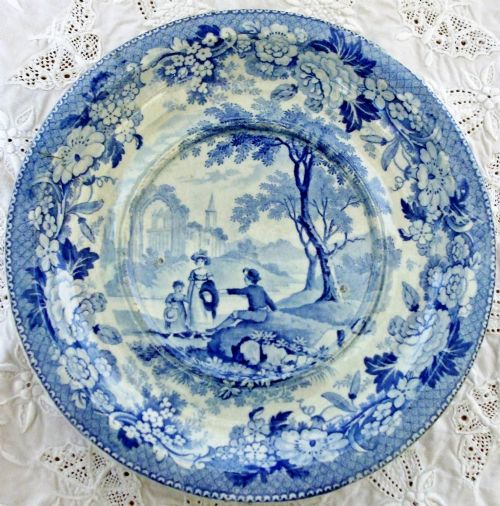
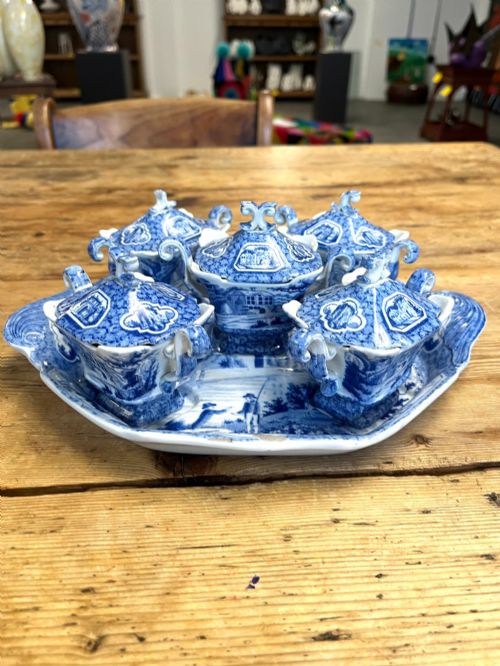
Transfer printing provided intricate surface patterns in blue, black, and multi-coloured palettes, allowing workshops to produce detailed pictorial scenes efficiently. Enamel paints and gilt additions completed the decoration on select commemorative and portrait figures.
19th Century Staffordshire Pottery Retail Price Guide 2026
Typical asking prices for 19th century staffordshire pottery among the pieces listed under this phrase on Sellingantiques today, from the lower quarter to the upper quarter. They describe what is for sale here now, not the wider market.
Listings feature earthenware, creamware, and pearlware bodies decorated with lead glazes, transfer prints, and polychrome enamels.
Gradations in quality
Proportion and stance distinguish superior animal figures and portrait models from simpler mass-produced variants. Pieces displaying careful brushwork and rich glaze finishes occupy the upper tier of the range.
John Bevington
The 19th Century Staffordshire Pottery Glossary
- Pearlware
- A refined earthenware developed with a bluish glaze that pooling in recesses created a whiter appearance overall. It bridges the transition from creamware to later Victorian ceramics.
- Creamware
- A light-coloured earthenware perfected by Staffordshire potters, noted for its warm buttery tone beneath a transparent lead glaze. It formed the body for many early transfer-printed jugs.
- Spill vase
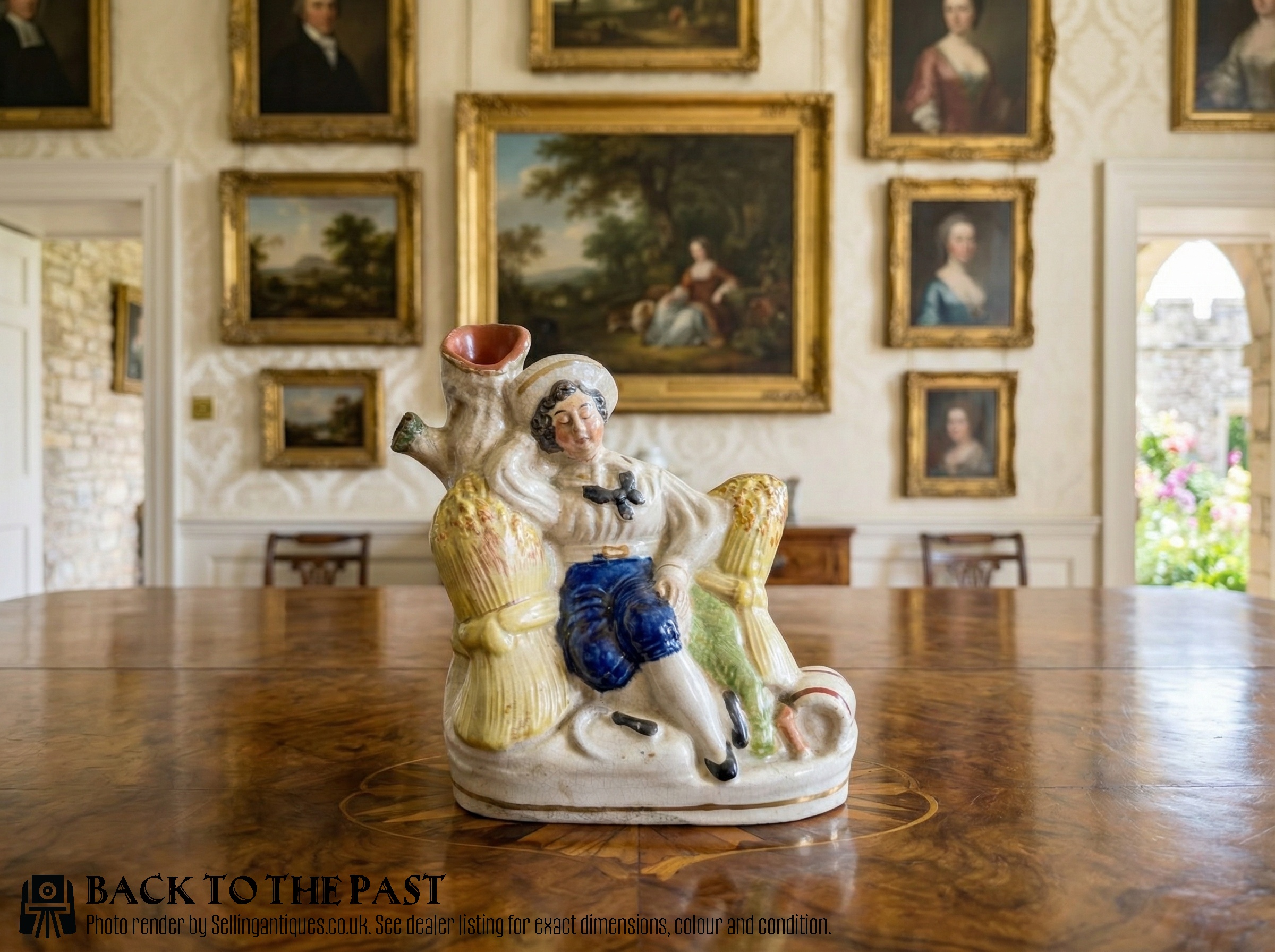
- A hollow figurine incorporating an attached cylindrical holder designed to contain wooden matches or tapers. These functional ornaments sat upon fireplaces for lighting pipes and candles.
- Flatback
- A figural ceramic moulded in three dimensions at the front while the reverse remains flat and unadorned. This economy of form allowed figures to sit flush against cottage mantelpieces.
- Transfer print
- A decorative technique where an engraved copper plate applied an ink design onto tissue paper, which was then transferred onto the biscuity ceramic surface before glazing.
- Toby jug
- A stout pottery jug modelled in the likeness of a robust eighteenth-century gentleman holding a mug of beer and a pipe. They remained popular decorative and utilitarian objects throughout the nineteenth century.
19th Century Staffordshire Pottery: Frequently Asked Questions
How do I date 19th century staffordshire pottery?
Dating relies on stylistic clues, glaze characteristics, and the evolution of manufacturing techniques across the century. Earlier pieces often utilise creamware or pearlware bodies, whereas later Victorian examples favour denser earthenware and heavier enamels.
Historical subjects also provide chronological markers, as figures commemorating specific battles, political figures, or royalty align with known historical events.
Were Staffordshire figures meant for display?
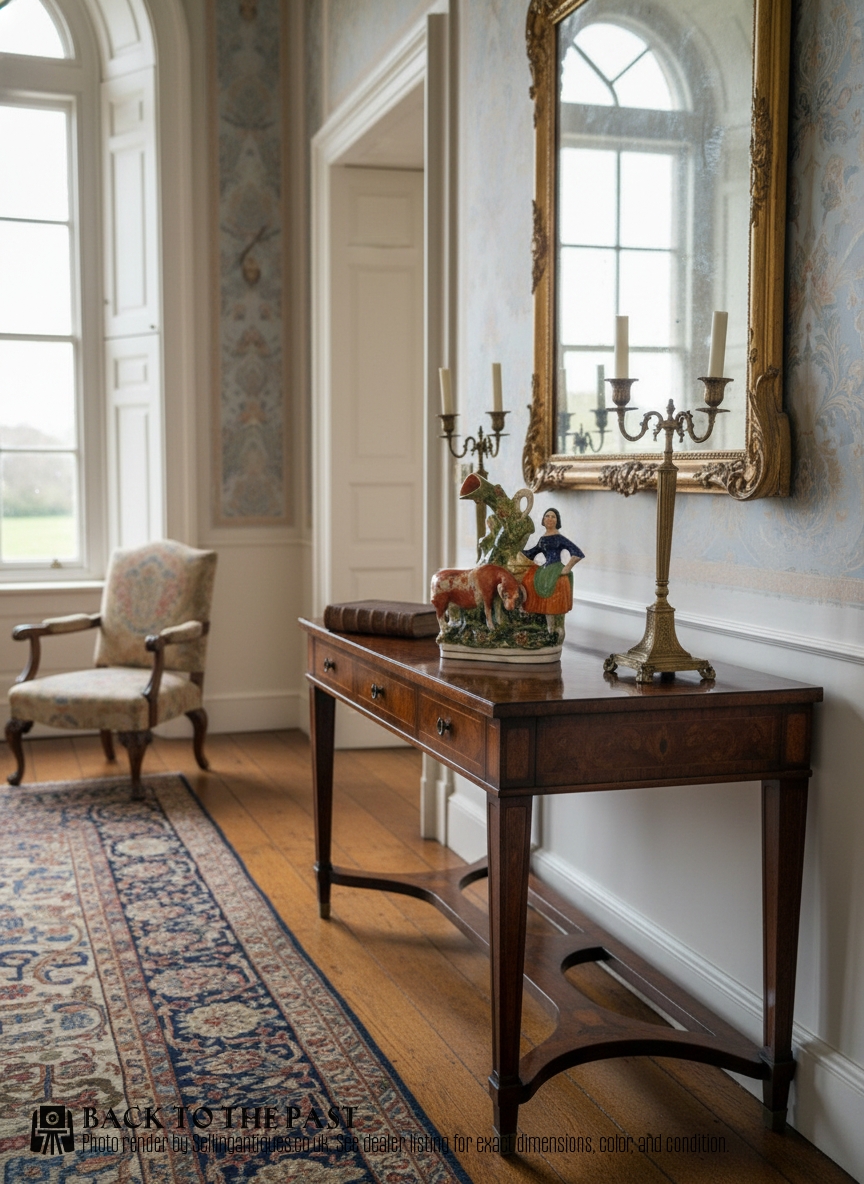
Most figurative pottery served as affordable ornamental items for domestic mantelpieces, sideboards, and cottage windows. Pairs of dogs and portrait figures were arranged symmetrically to decorate the principal living spaces of homes.
Utilitarian forms like jugs, basins, and creamers combined display value with everyday functions at the dining table or washstand.
What is a flatback figure?
A flatback figure is a ceramic sculpture moulded with a detailed front and a largely unadorned, flattened reverse. This design allowed the piece to rest securely against a wall or shelf without tipping.
Potters adopted this construction method to save materials and reduce weight on large mantel ornaments.
How should I clean my pottery?
Dust ceramic figures gently with a soft dry brush to prevent accumulation in crevices and moulded details. Avoid submerging antique earthenware in water, particularly pieces with delicate enamel or gilt decoration.
Moisture can penetrate older, crazed glazes over time, so damp cleaning should be performed sparingly with a well-wrung cloth.