



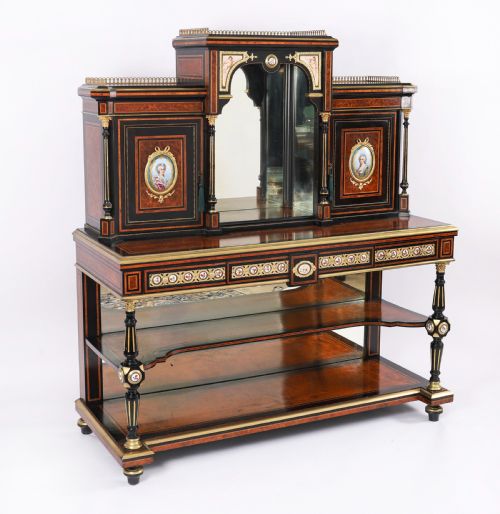


19th Century Porcelain Plaque
A 19th century porcelain plaque brings hand-painted classical scenes and rich European artistry directly into domestic display and furniture mounting.
19th Century Porcelain Plaque
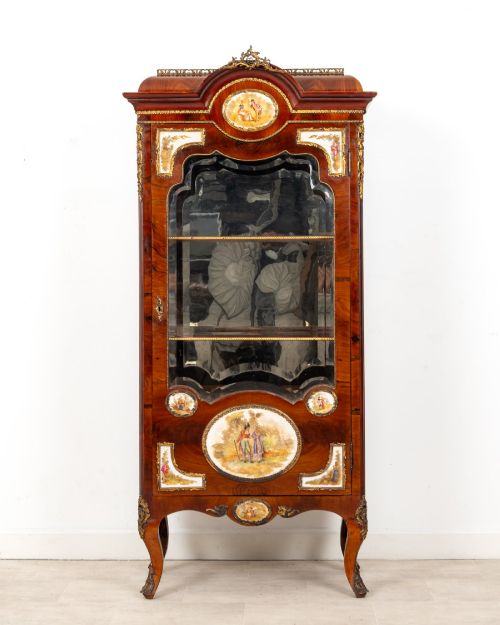
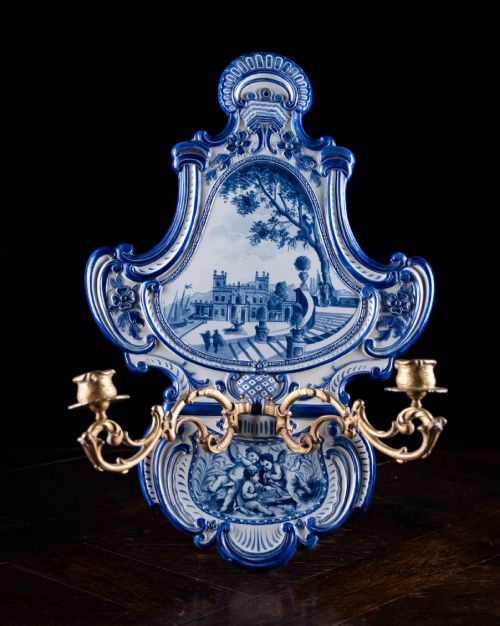
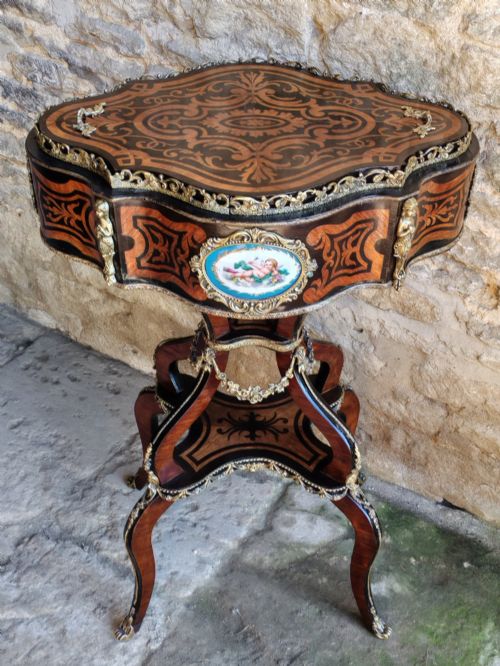
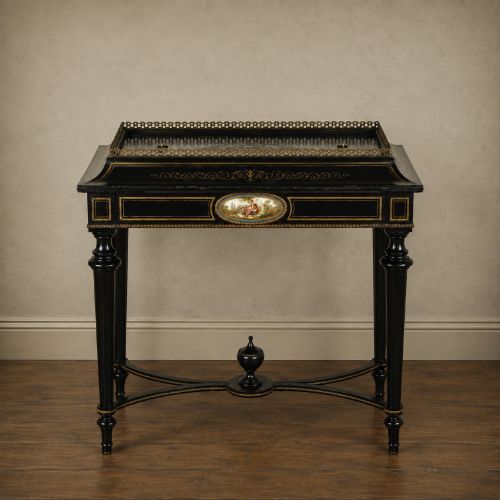
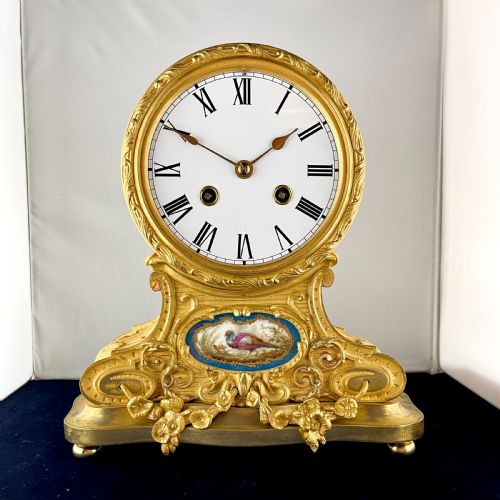
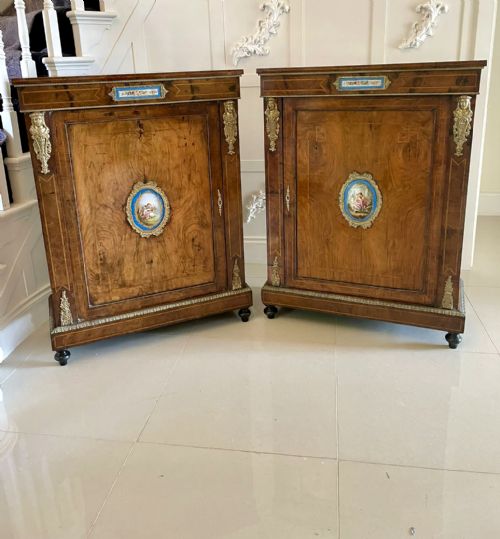
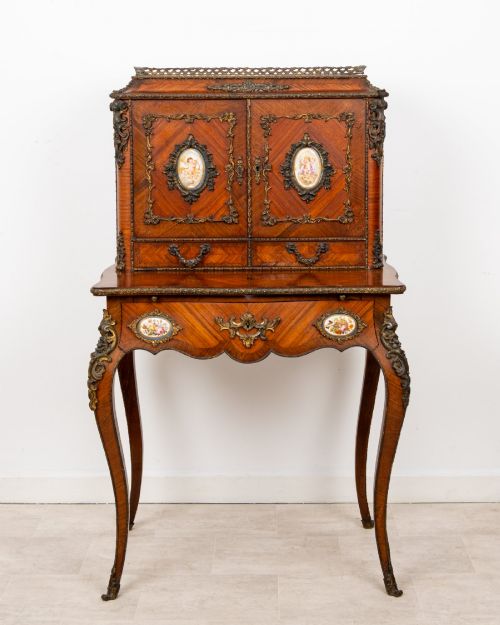
A 19th century porcelain plaque serves either as standalone wall art within carved frames or as an inset decorative panel on fine furniture. Buyers encounter these painted pieces integrated into French writing desks, credenzas, pier cabinets, and caskets from the Victorian era.
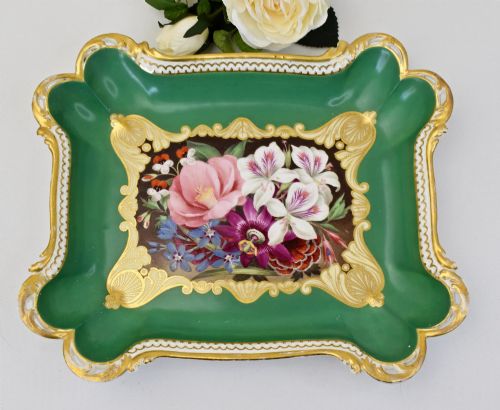
The objects stem predominantly from major European factories and workshops operating across the nineteenth century. Continental porcelain plaques depict mythological figures, religious scenes after master painters, and romantic portraits framed by gilt bronze or rich timbers.
Framed wall plaques and tabletop items appear alongside furniture mounts in walnut, kingwood, and ebonised wood. This variety allows collectors to select independent framed artworks or decorative panels built into nineteenth-century cabinetry.
Materials and Construction Techniques
Craftsmen utilised hard-paste porcelain blanks as canvases for detailed hand-painted enamels depicting classical narratives and portraits. These ceramic panels were then fired to fix the pigments before integration into broader decorative schemes.
Ormolu, or gilt bronze, frequently frames or mounts the porcelain plaques on furniture pieces like bonheur du jour desks and pier cabinets. Cabinetmakers combined exotic veneers including satinwood, amboyna, and kingwood with cast metal mounts to frame the ceramics.
The inventory records pieces from the Victorian period up to 1900, incorporating works by Vienna, KPM, and continental European makers.
Assessing Quality and Execution
The refinement of the hand-painted brushwork distinguishes superior examples from standard production pieces, particularly in facial expressions and drapery detail. Master painters achieved depth through careful layering of enamel colours before final firing.
The integration between the ceramic panel and its mount demonstrates the maker's skill. High-grade pieces feature precisely fitted ormolu surrounds and solid timber carcases veneered in figured walnut, satinwood, or kingwood.
Doe and Rogers·Royal Vienna·KPM·Villeroy and Boch
The 19th Century Porcelain Plaque Glossary
- Ormolu
- Gilt bronze mounts cast and chased to embellish furniture and frame ceramic panels. This decorative metalwork frequently accompanies nineteenth-century French pieces.
- Bonheur du jour
- A small ladies writing desk featuring drawers, a writing surface, and often inset porcelain plaques. These refined pieces appeared widely during the Victorian period.
- Pier cabinet
- A narrow display cabinet designed to stand against a wall between windows. Makers often inset painted porcelain panels into the doors of these walnut or satinwood items.
- Hard-paste porcelain
- A durable ceramic composition fired at high temperatures using kaolin and petuntse. European factories utilised this material for detailed portrait and narrative plaques.
19th Century Porcelain Plaque: Frequently Asked Questions
How were porcelain plaques displayed in the nineteenth century?
Homeowners mounted painted porcelain panels within carved giltwood frames to hang as wall art in reception rooms. Alternatively, cabinetmakers set ceramic plaques directly into the doors of credenzas and the superstructures of writing desks.
This dual application meant porcelain plates served both as independent artworks and as decorative furniture mounts. The mounting style depended largely on the origin of the piece and the prevailing interior fashion.
What subjects typically appear on these painted plaques?
Classical mythology, religious narratives, and portraits after Renaissance masters dominate the painted scenes on nineteenth-century ceramic panels. Artists frequently replicated works by major painters onto porcelain blanks.
Romantic tableaus, classical maidens, and historical figures also recur across Vienna, KPM, and Sevres-style pieces. Signed works by known painters command particular attention from collectors.
How do I care for a porcelain plaque in a modern home?
Dust framed porcelain plaques gently with a soft, dry brush to prevent accumulation on the painted surface. Avoid placing mounted furniture pieces in direct sunlight to protect both the ceramic enamels and the surrounding timber veneers.
Keep ormolu mounts unpolished with abrasive cleaners to preserve the original gilding. Stable room humidity prevents timber shrinkage around inset ceramic panels.
How can I distinguish between different European porcelain centres?
Factory marks on the reverse of unmounted plaques or visible signatures on the painted surface offer primary clues to origin. Vienna pieces often depict classical or mythological narratives with distinct cobalt blue shield marks.
French pieces frequently align with Sevres styles, mounted in gilt bronze alongside kingwood or ebonised timbers. Examining the quality of the paste and the palette provides further attribution evidence.