



Antique Miniature Ceramic Art
Antique miniature ceramic art brings domestic portraits, delicate snuff bottles and cabinet bowls into the palm of your hand.
Antique Miniature Ceramic Art
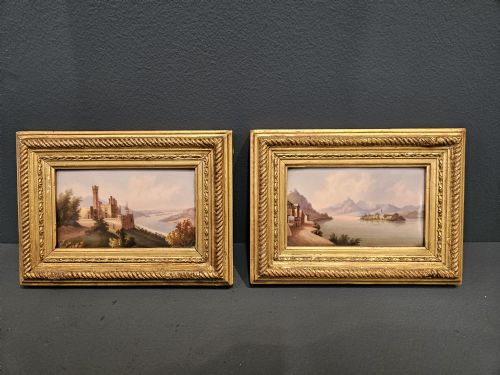
These pieces comprise small-scale items such as hand-painted porcelain plaques, snuff bottles, and lustre miniature bowls originating from the nineteenth and early twentieth centuries. Such objects demonstrate meticulous detail condensed into compact forms, bridging the gap between fine art and decorative objects.
Visitors browsing this selection will most frequently encounter painted porcelain plaques mounted in frames alongside small decorative vessels like teapots and mugs. These works draw upon diverse aesthetic currents including Victorian folk art, Art Nouveau, and Rococo Revival.
Originating from British, European, and Chinese workshops, the selection spans vernacular bargeware to factory-produced cabinet pieces. Each item reflects the specific domestic or elite tastes of its period of origin.
How they were made
Makers utilised fine porcelain, earthenware, and enamel, applying glazes and gold leaf to achieve polished surfaces. Artisans painted intricate portraits and scenes directly onto porcelain plaques and vessels before subjecting them to high-temperature kiln firings.
Mounting often involved supplementary materials such as giltwood, gilded wood, velvet, and carved frames to complement the ceramic centrepieces. Individual pieces frequently bear artist signatures or factory marks indicating their origin.
Antique Miniature Ceramic Art Retail Price Guide 2026
Typical asking prices for miniature ceramic art among the pieces listed under this phrase on Sellingantiques today, from the lower quarter to the upper quarter. They describe what is for sale here now, not the wider market.
Listings feature porcelain, earthenware, and enamel, alongside framing materials such as giltwood, gilded wood, and velvet.
What varies in quality
The precision of the brushwork and the complexity of the painted subject matter separate standard items from superior examples. Hand-painted portraits and copies after masters demand advanced draughtsmanship that elevates the piece beyond basic decoration.
The integration of the ceramic item with its housing, such as carved frames or gilded mounts, determines the overall sophistication of the object. Factory attribution, artist signatures, and well-preserved glaze lustre also contribute significantly to the standing of a piece.
Daisy Makeig-Jones Wedgwood·H. Desprez·KPM
The Antique Miniature Ceramic Art Glossary
- Porcelain
- A hard, white ceramic material fired at high temperatures to achieve a vitrified, non-porous body. It serves as the primary canvas for detailed miniature paintings.
- Lustre
- A type of ceramic glaze containing metallic residues that produce an iridescent, rainbow-like sheen upon firing. Wedgwood pieces frequently employ this technique.
- Plaque
- A flat, ornamental panel intended for wall hanging or framing, commonly utilised in the nineteenth century for miniature portraits.
- Bargeware
- Traditional British folk art pottery associated with canal narrowboats, typically characterised by bright glazes and applied decoration.
- Snuff bottle
- A small, narrow-necked container designed to hold powdered tobacco, often fashioned from porcelain and detailed with miniature artwork.
Antique Miniature Ceramic Art: Frequently Asked Questions
What distinguishes bargeware teapots from other ceramics?
Bargeware teapots are traditional folk art objects originating from canal culture, featuring robust earthenware bodies decorated with distinctive applied motifs. These pieces serve as utilitarian vessels transformed into decorative items through bright glazes and folk ornamentation.
Their substantial forms contrast sharply with delicate porcelain cabinet pieces, reflecting a distinct vernacular tradition.
How do you identify nineteenth century porcelain plaques?
Observers examine the reverse of the ceramic body and the style of the painted subject matter to determine the approximate period. Signatures, factory stamps, and the characteristics of the surrounding frame often provide further clues regarding origin and date.
European examples frequently reference classical masterworks or depict romanticised portraits characteristic of Victorian taste.
What is the purpose of lustre glazes?
Lustre glazes introduce metallic films to the ceramic surface during firing, creating an iridescent sheen that catches the light. Makers utilised this technique to add depth and visual interest to small bowls and mugs.
The resulting optical effect shifts depending on the viewing angle, enhancing the decorative appeal of miniature vessels.