





Painted Porcelain Wall Plaques
These painted porcelain wall plaques bring together fine miniature painting and ceramic arts, offering interior decoration rooted in nineteenth and early twentieth century traditions.
Painted Porcelain Wall Plaques
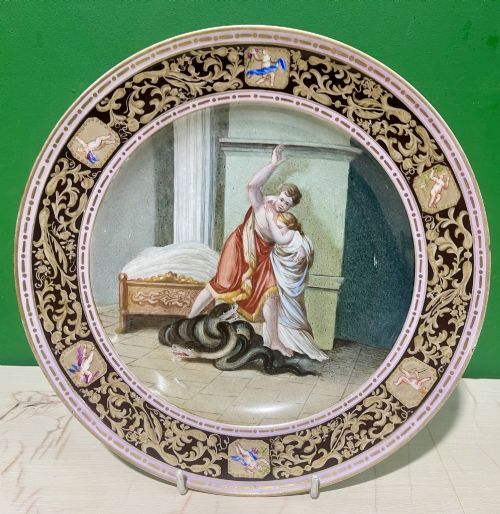
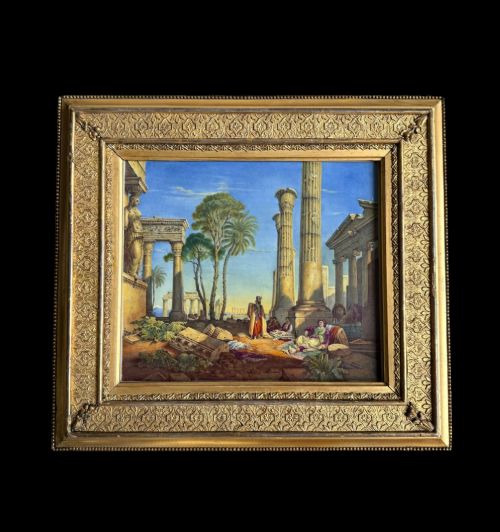
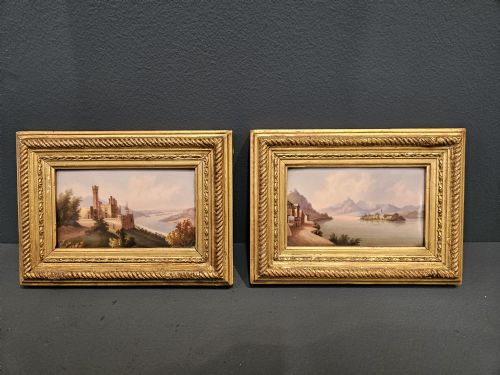
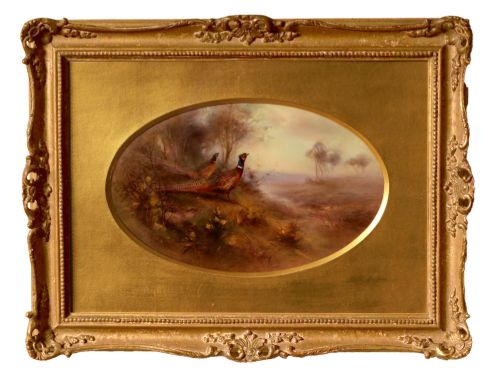
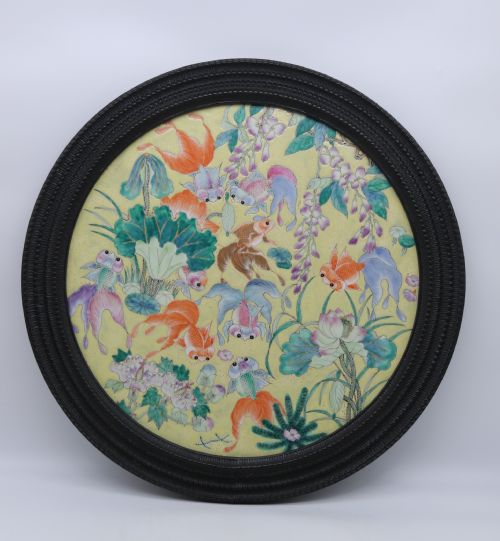
Painted porcelain wall plaques encompass framed ceramic panels, chargers, and cabinet plates designed primarily for display rather than dining. When searching for painted porcelain wall plaques, collectors encounter varied formats including rectangular KPM portrait panels, large circular Vienna chargers, and framed English landscapes.
The objects span multiple periods, with nineteenth century Victorian examples sitting alongside Edwardian works, Meiji period Japanese pieces, and later twentieth century Chinese panels. Forms range from unmounted plaques ready for bespoke framing to pieces retaining their original giltwood or ormolu surrounds.
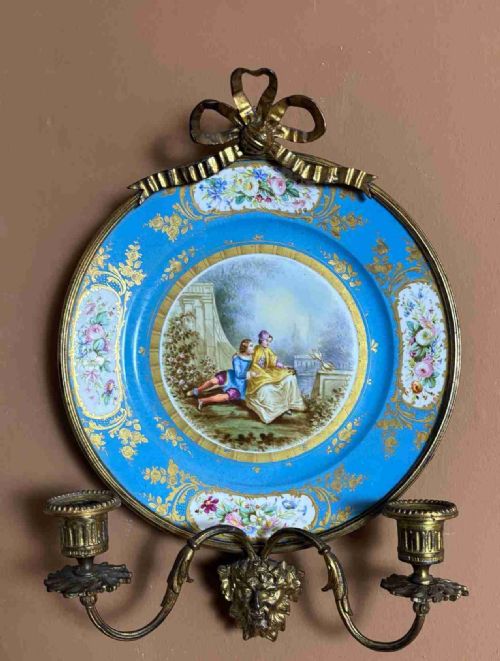
Makers represented include European factories such as Berlin, Vienna, Sèvres, and Royal Worcester alongside Asian export wares. Many pieces feature detailed hand painted figurative scenes, mythological subjects, or avian studies executed by named porcelain artists.
How they were made
Makers formed the porcelain bases through pressing or casting before applying mineral pigments mixed with oils for the hand painted surface decoration. Multiple kiln firings fixed the enamel colours into the glaze, often building up complex portraits or landscapes across successive layers.
Many items incorporate supplementary materials such as gold leaf and gilding to accentuate borders and central motifs. Completed porcelain panels were subsequently mounted into protective wood frames, giltwood surrounds, or cast ormolu mounts.
Painted Porcelain Wall Plaques Retail Price Guide 2026
Typical asking prices for painted porcelain wall plaques among the pieces listed under this phrase on Sellingantiques today, from the lower quarter to the upper quarter. They describe what is for sale here now, not the wider market.
Current listings feature porcelain wall plaques spanning the eighteenth, nineteenth, and twentieth centuries, incorporating materials such as enamel, gold leaf, and giltwood.
What varies in quality
Quality rests significantly upon the skill of the artist, distinguishing mass transfer printed decorations from meticulous hand painted brushwork by known painters like Stinton or Wagner. The fineness of the enamel detail, the naturalism of flesh tones, and the crispness of the porcelain body define the upper tier of pieces.
The housing also dictates overall merit, separating standard items from those retaining original carved frames, giltwood surrounds, or heavy ormolu mounts. The prestige of the originating factory, such as KPM or Vienna, further elevates the standing of individual works.
James Stinton·Royal Worcester·KPM·Vienna·Sevres
The Painted Porcelain Wall Plaques Glossary
- Cabinet plate
- A decorative ceramic plate intended for display in a cabinet rather than for practical table use. These often feature elaborate painted scenes rather than simple service patterns.
- Charger
- A large decorative plate or dish used historically for display on sideboards or hung upon walls. They provide an expansive surface for detailed landscape or figurative painting.
- Ormolu
- Cast brass that has been finished with a gold-wash coating, frequently utilised for decorative furniture mounts and picture frames during the nineteenth century.
- Enamel
- A vitreous composition fused to the surface of porcelain during firing to provide durable coloured decoration. Artists paint with enamel pigments before subjecting the piece to high kiln temperatures.
- Imari
- A traditional style of Japanese export porcelain characterised by underglaze blue and overglaze iron red, gold, and auxiliary colours. These patterns influenced European ceramic production during the nineteenth century.
Painted Porcelain Wall Plaques: Frequently Asked Questions
How do I hang a heavy porcelain plaque?
Most heavier plaques and chargers require secure wall fixings and specialised metal or wooden mounting brackets that support the base rather than relying solely on hanging wires.
Ensuring the frame or mount is firmly secured to wall studs prevents accidental slips and protects the ceramic body from structural strain.
Are these plaques meant for walls or tables?
While many pieces originated as cabinet plates or chargers designed for display stands or sideboards, a significant portion were created specifically as wall art within fitted frames.
Owners frequently transition flat chargers to wall display using specialised brass plate hangers designed to distribute weight evenly.
How do I identify a factory mark?
Factory marks are typically found glazed or painted on the reverse of the porcelain panel, ranging from blue underglaze sceptres to impressed numbers and artist signatures.
Consulting reference guides dedicated to European and Asian porcelain marks helps correlate these symbols with specific production decades and kiln locations.
Can I clean painted porcelain plaques?
Routine maintenance involves gentle dusting with a soft, dry brush to prevent particulate accumulation on the painted surface and within frame crevices.
Moisture and commercial cleaning solutions should generally be avoided to protect exposed enamel pigments and historical gilding from accidental degradation.