



Porcelain Landscape Painting
Porcelain landscape painting brings pastoral views and topographical scenes onto fine ceramics, offering a portable window into historical countryside and architecture.
Porcelain Landscape Painting
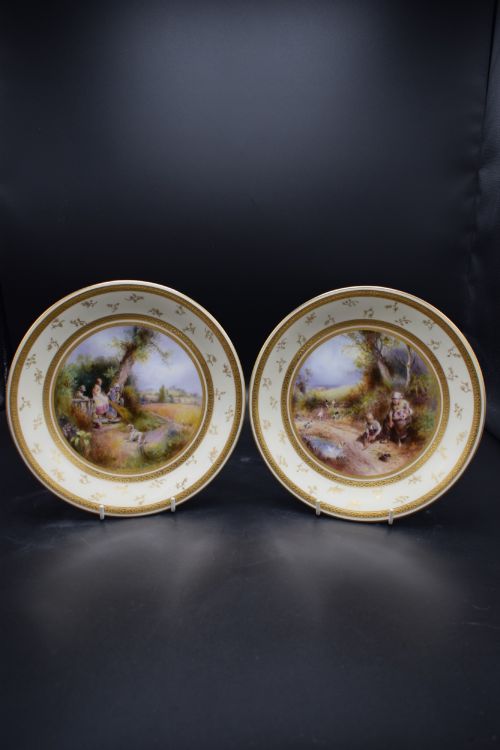
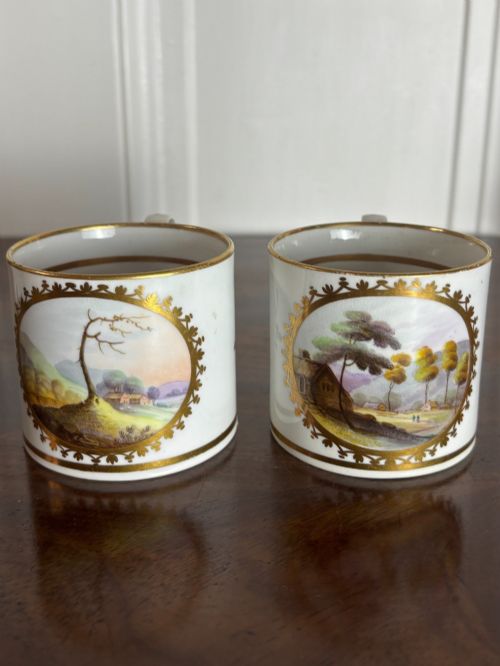
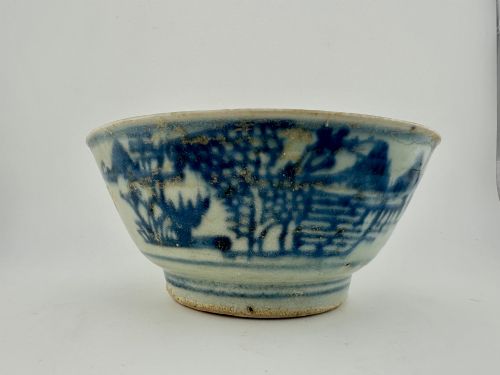
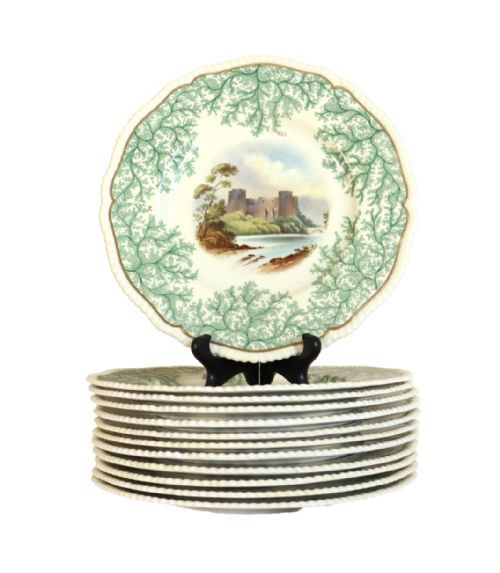
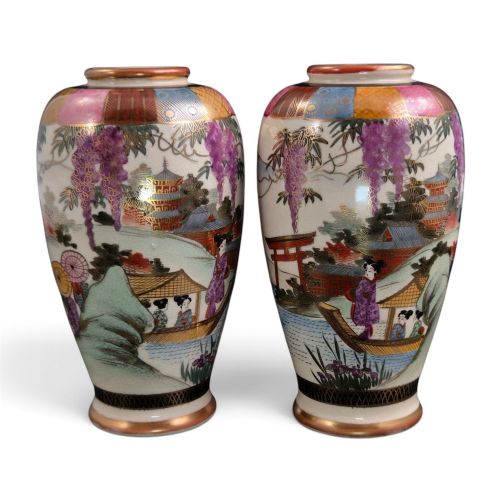
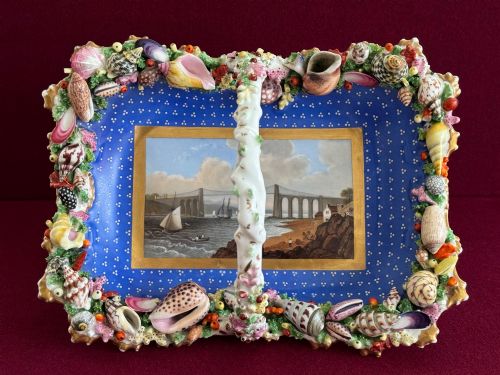
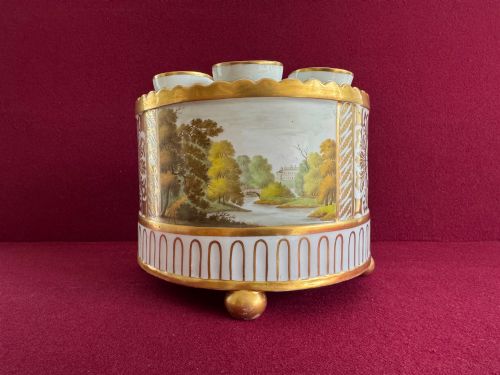
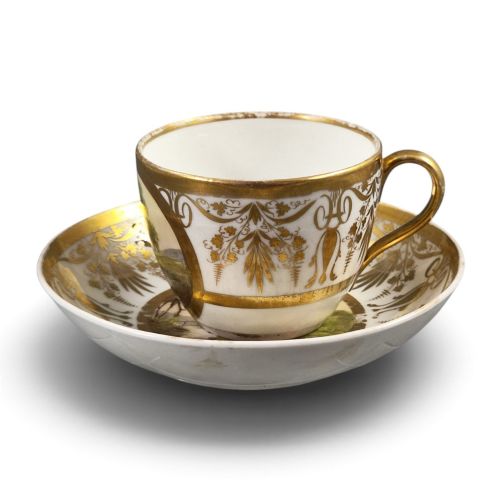
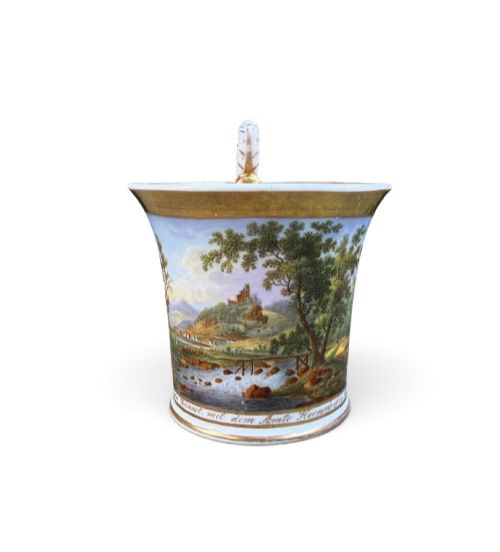
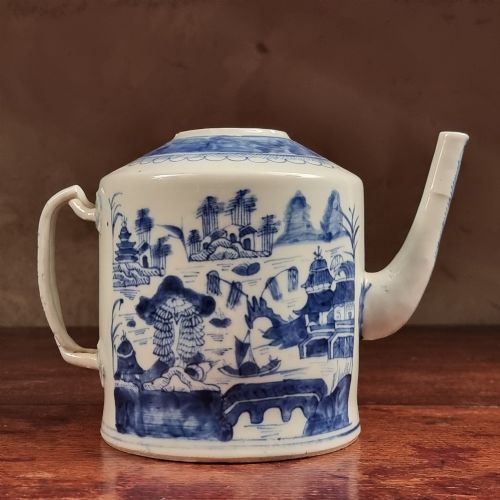
When you search for porcelain landscape painting, you encounter items designed for display or dining, such as cabinet plates, cups and saucers, vases, and bough pots. These objects originate from British manufactories like Worcester, Derby, and Coalport, alongside continental European makers and Chinese export workshops.
The pieces span periods from the mid eighteenth century through the Victorian era and into the early twentieth century. You are most likely to meet nineteenth century plates, vases, and tea wares featuring hand painted pastoral or architectural vignettes.
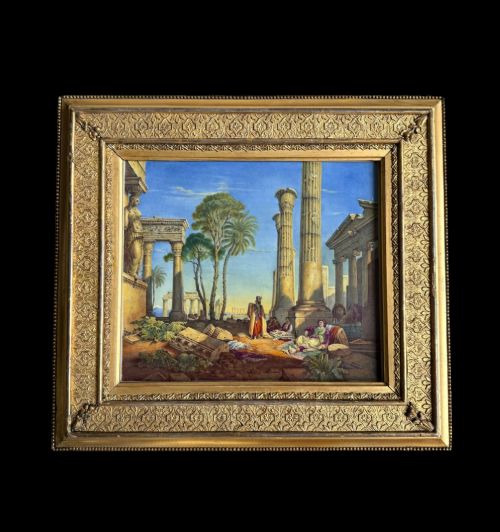
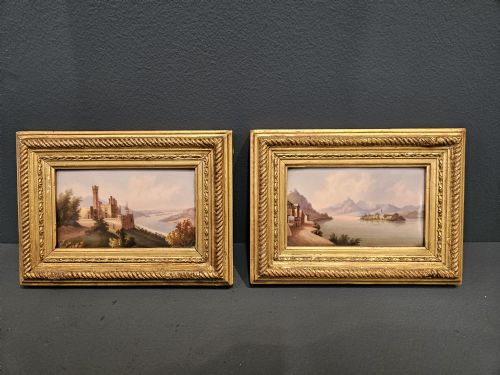
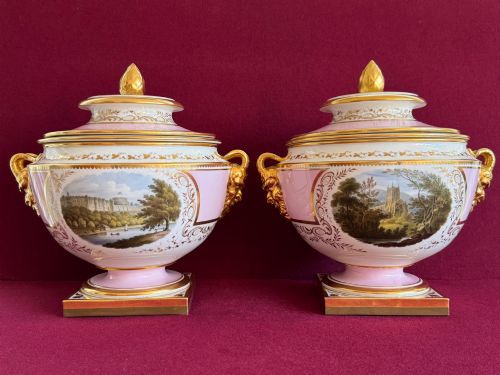
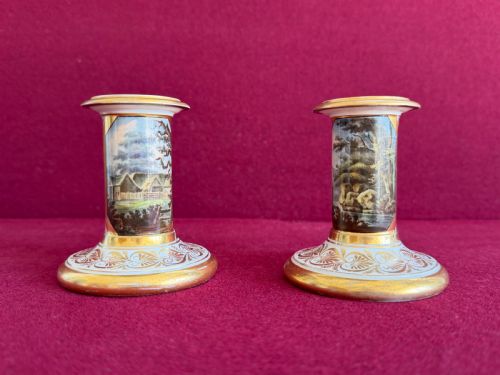
The scenes range from named British views and Scottish landscapes to imaginative foreign vistas and Japanese motifs. They appear either as the central focus of a ceramic surface or framed within gilt borders on utilitarian and decorative vessels alike.
Quality differences
The standard of porcelain landscape painting rests upon the precision and execution of the miniature brushwork. Master painters achieve depth, perspective, and naturalistic light that elevate a topographical view beyond a mere botanical or architectural record.
The quality of the ceramic blank and the richness of the surrounding gilding contribute to the overall success of the piece. Well potted vessels with crisp moulding and balanced compositions represent the upper tier of production from leading factories.
Porcelain Landscape Painting Retail Price Guide 2026
Typical asking prices for porcelain landscape painting among the pieces listed under this phrase on Sellingantiques today, from the lower quarter to the upper quarter. They describe what is for sale here now, not the wider market.
Listings feature porcelain forms from the eighteenth to the twentieth century, utilising bone china, earthenware, and enamel.
Flight Barr And Barr·Chamberlain Worcester·Kpm Berlin·Royal Doulton·Royal Worcester
The Porcelain Landscape Painting Glossary
- Cabinet plate
- A decorative ceramic plate intended for display in a cabinet rather than for dining use. These often feature elaborate hand painted scenes or rich gilding.
- Bough pot
- A ceramic vessel designed to hold cut branches or flowers for interior decoration. They frequently incorporate painted panels or landscape views on the front.
- Coffee can
- A straight sided cylindrical cup used for drinking coffee in the late eighteenth and early nineteenth centuries. They often share matching saucers decorated with topographical vistas.
- Topographical view
- A specific, recognizable geographical location or building depicted accurately by the artist. These scenes provide historical records of nineteenth century landscapes.
- Gilding
- The application of gold leaf or powdered gold onto the surface of porcelain. It highlights rims, handles, and frames around painted reserves.
Porcelain Landscape Painting: Frequently Asked Questions
How were these painted items used?
Many pieces served functional roles in daily dining or hospitality, such as serving tea, coffee, or dessert. Others were purely ornamental items meant for display on mantelpieces or inside cabinets.
Large vases, garnitures, and framed plaques existed solely to showcase artistic skill and enhance interior decoration in period homes.
How do I date these ceramics?
Dating relies on factory marks stamped or painted on the underside, stylistic shifts in the ceramic body, and the fashion of the landscape painting. Georgian pieces often feature simplified shapes and hand written titles.
Victorian and later items frequently incorporate printed registry marks or specific artist signatures that help narrow down the period of manufacture.
How should I display them?
Display these ceramics away from direct sunlight to prevent fading of the delicate enamel colours and gilding. Secure plates in appropriate stands and place vases on stable surfaces.
Grouping items by factory or period can create an effective display that highlights the evolution of landscape painting on porcelain.