


19th Century Meissen
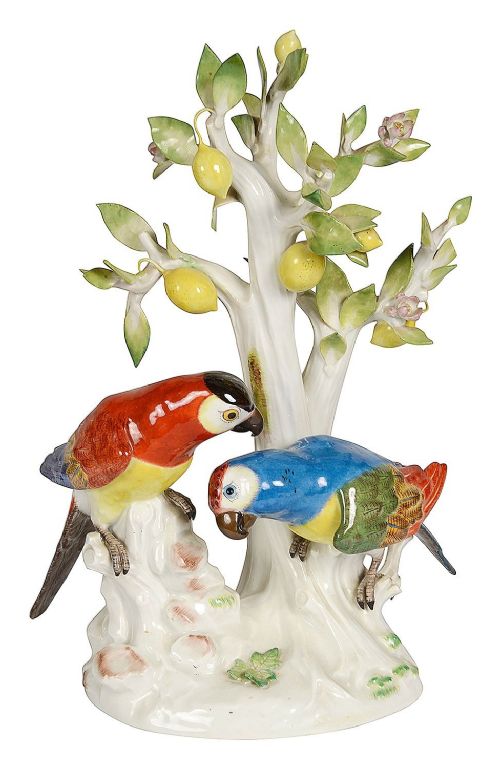
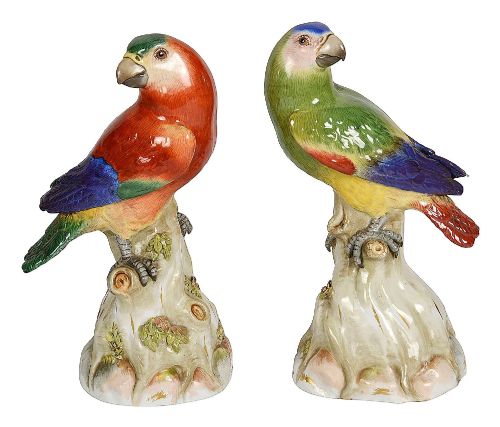
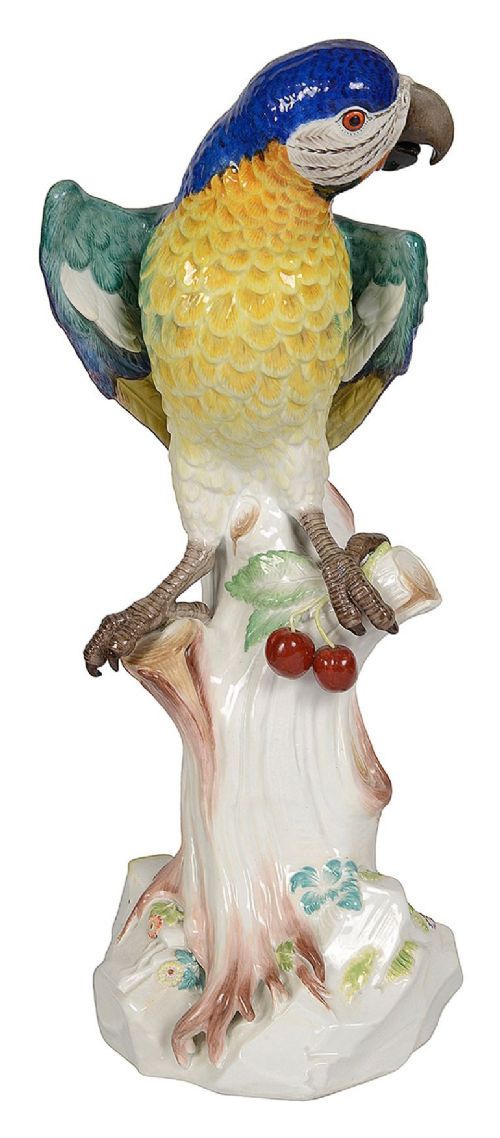
These 19th century meissen pieces span delicate figural groups and vibrant bird sculptures, offering collectors classic European porcelain craftsmanship.
19th Century Meissen
When searching for 19th century meissen, buyers encounter a wide variety of porcelain items produced in European workshops, primarily originating from German manufactories. The selections here range from decorative plates and dessert dishes to elaborate mantel clocks, candelabra, and detailed animal figures.
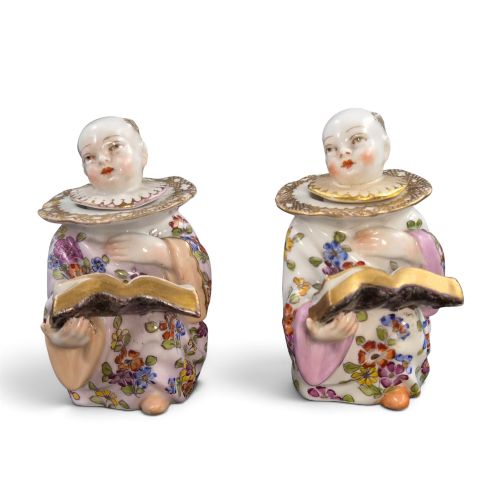
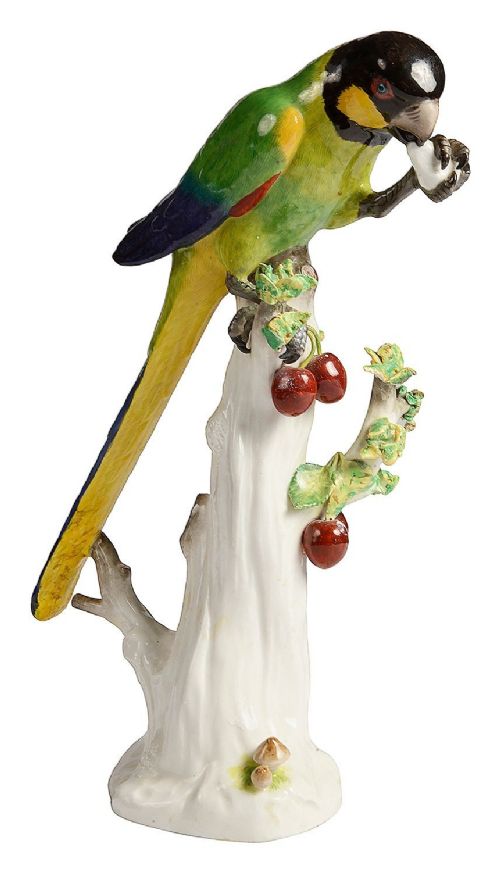
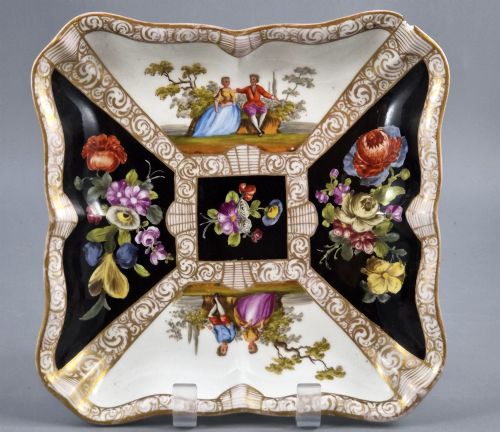
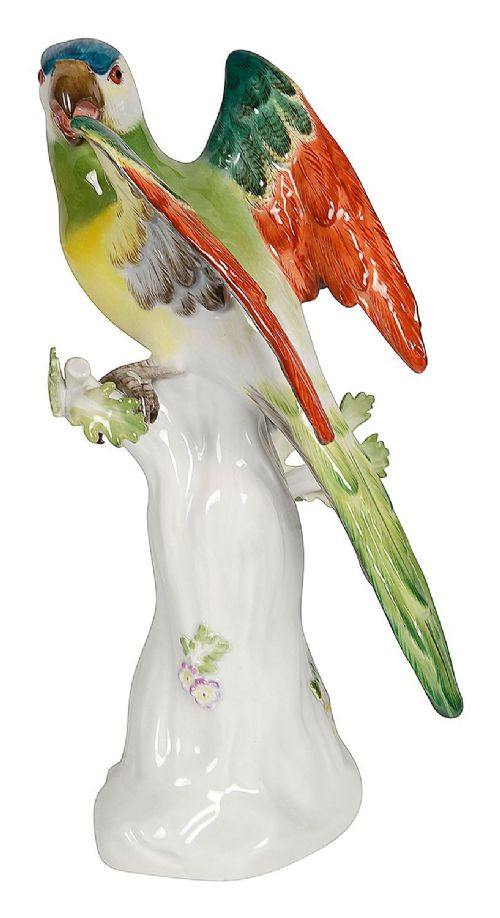
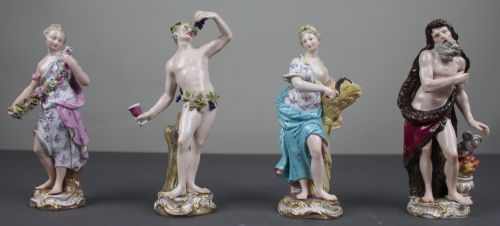
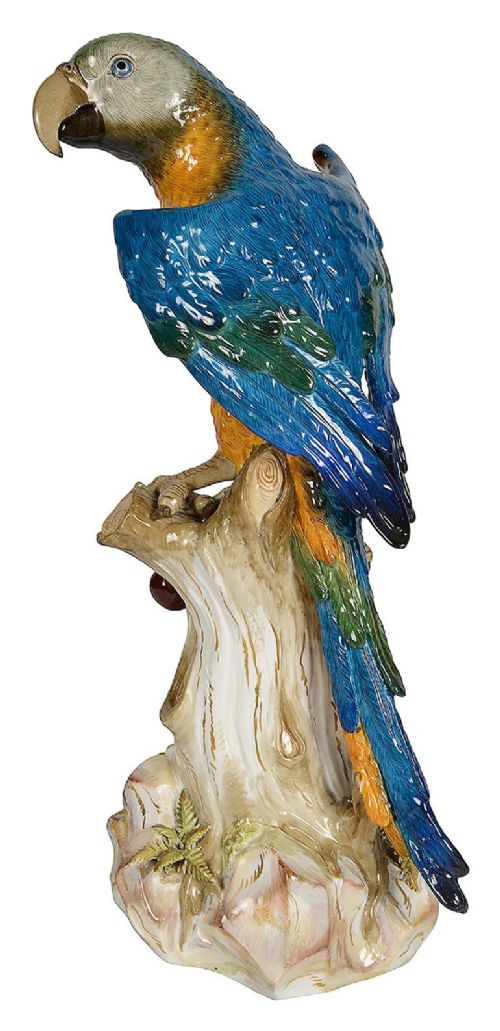
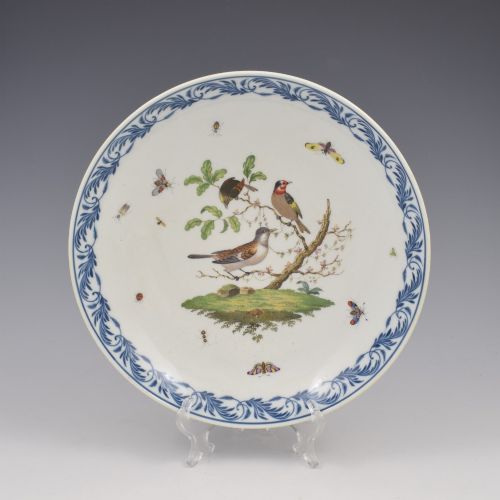
Figurines and sculptural groups form a major part of the offerings, depicting pastoral scenes, allegories such as the four seasons, and natural subjects like parrots perched on tree trunks. Plates and cups featuring handpainted birds, insects, and Watteau scenes also appear frequently across the inventory.
Materials and Techniques
The objects in these listings rely primarily on hard-paste porcelain, shaped into intricate forms and finished with smooth glaze. Kiln-firing established the durable white ceramic base required for detailed surface decoration.
Makers applied enamel paints by hand to render birds, floral sprays, and human figures with precise coloration. Many pieces incorporate gold leaf or gilt highlights, emphasising moulded borders and structural details.
19th Century Meissen Retail Price Guide 2026
Typical asking prices for 19th century meissen among the pieces listed under this phrase on Sellingantiques today, from the lower quarter to the upper quarter. They describe what is for sale here now, not the wider market.
Listings feature hard-paste porcelain objects decorated with handpainted enamel birds, floral sprays, and gilt highlights.
Assessing Quality and Execution
The standard of handpainting dictates the visual success of each piece, distinguishing finely rendered plumage and facial expressions from simpler, heavier brushwork. Crispness in the moulding of leaves, feathers, and Rococo scrollwork preserves the vitality of the original design.
Completeness and the preservation of delicate applied elements, such as foliage or fingers on figurines, determine the desirability of sculptural works. The precise application of gilt and enamel colours without blurring or fading separates standard production from exceptional examples.
Edmé Samson·Helena Wolfsohn·Augustas Rex
The 19th Century Meissen Glossary
- Hard-paste porcelain
- A dense, vitrified ceramic material composed of kaolin and petuntse, fired at high temperatures to create a durable, non-porous body. It forms the foundation for most traditional European factory wares.
- Crossed Swords Mark
- The signature blue underglaze mark utilised by the Meissen manufactory, derived from the Saxon coat of arms. Its presence assists in identifying authentic factory output.
- Streublumen
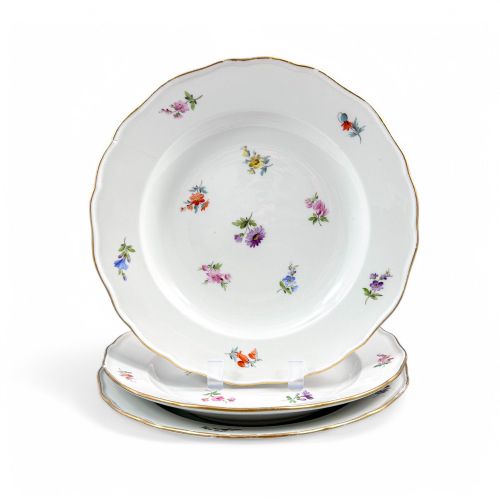
- A decorative pattern consisting of scattered small floral sprigs painted across the white porcelain surface. This motif appears commonly on eighteenth and nineteenth-century domestic tablewares.
- Rococo Revival
- A nineteenth-century design style drawing on mid-eighteenth-century motifs, characterised by asymmetrical scrollwork, C-curves, and naturalistic shell or plant elements. It frequently defines the bases and frames of figures and candelabra.
19th Century Meissen: Frequently Asked Questions
How do I spot a reproduction?
Examine the underglaze marks and the crispness of the handpainted details. Genuine factory pieces display sharp modelling and controlled enamel application.
Imitations often show blurred pigments and soft, poorly defined relief moulding on the porcelain body.
What are cabinet plates?
Cabinet plates were decorative ceramic items intended for display in glass-fronted furniture rather than for daily dining use. They often feature complex painted scenes, gilt borders, and reticulated rims.
Artists frequently reproduced classical paintings or exotic bird studies across the central well of these pieces.
What does Meissen style mean?
The term denotes pieces manufactured by other European potteries that imitated the forms, painting styles, and marks of the original German factory. Makers in Dresden and France frequently produced these comparable works.
Such items often utilise alternative factory marks while maintaining similar aesthetic themes.