

Floral Porcelain Cup
A floral porcelain cup brings centuries of botanical artistry to the table, combining delicate ceramic forms with hand-painted blooms.
Floral Porcelain Cup
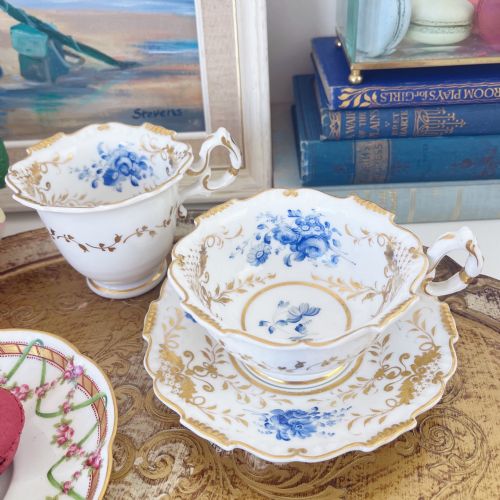
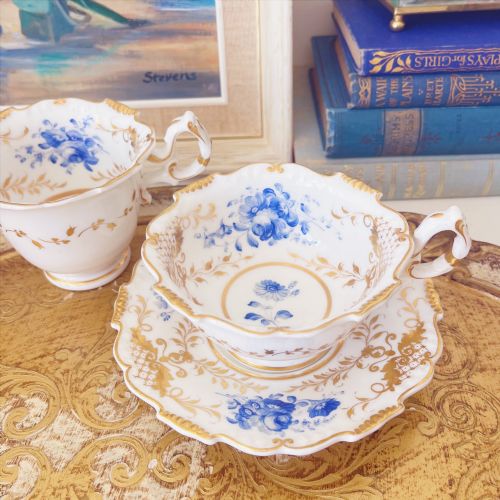
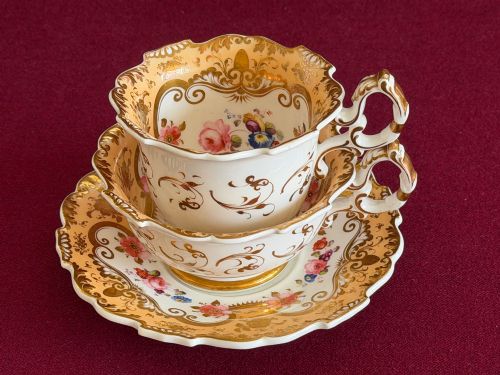
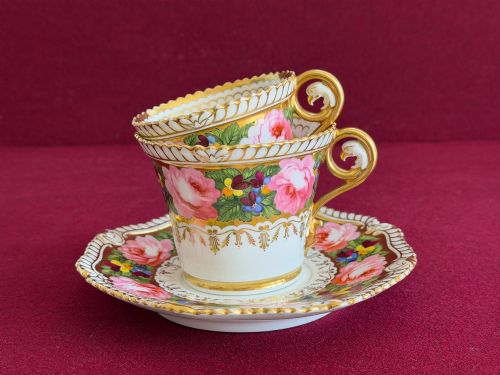
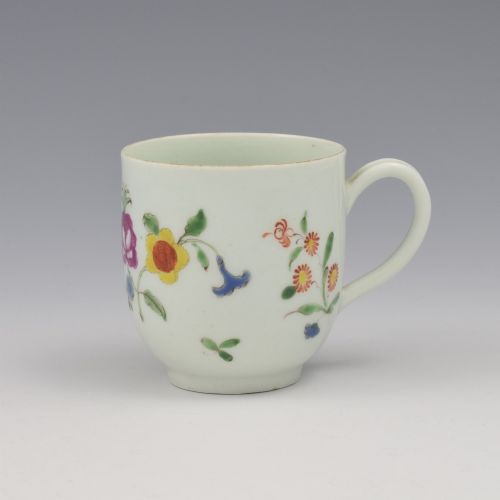
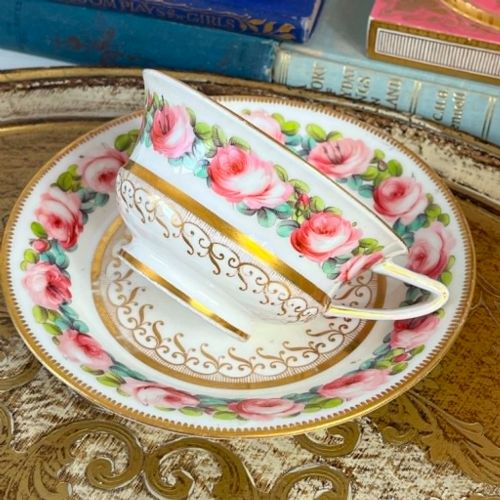
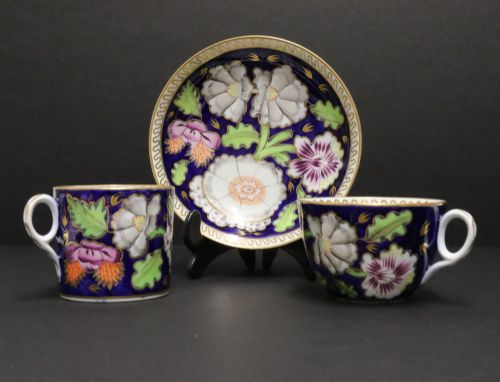
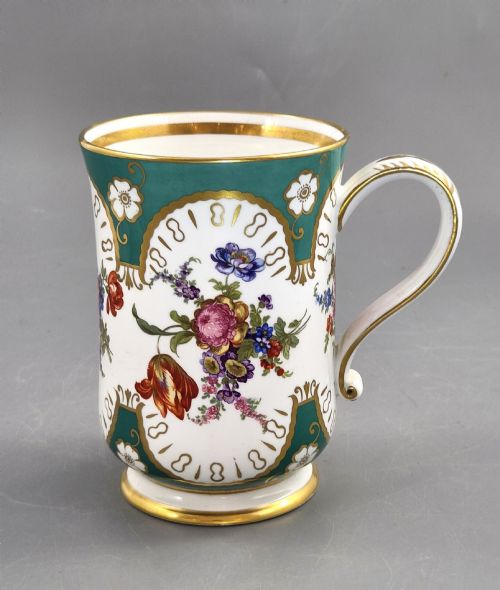
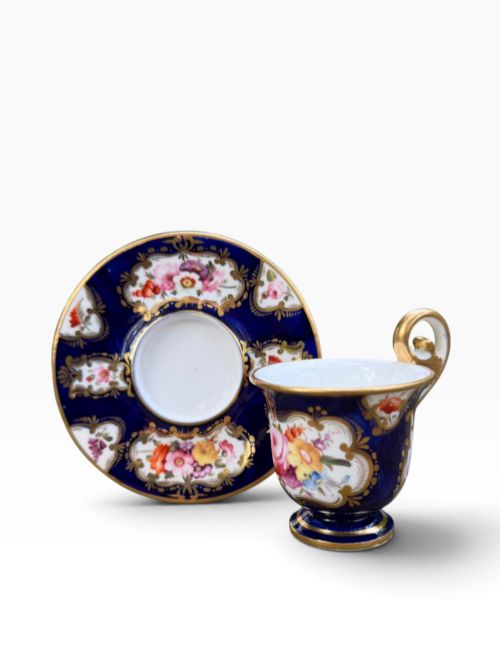
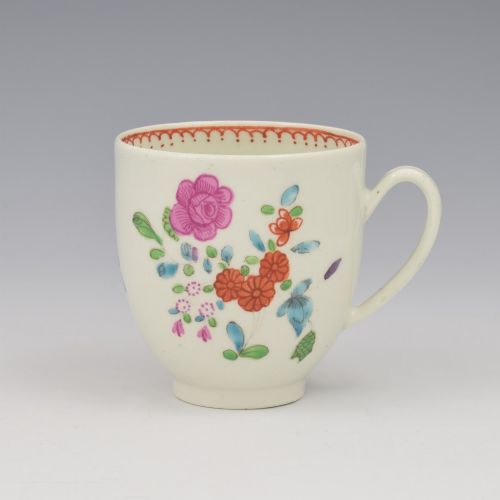
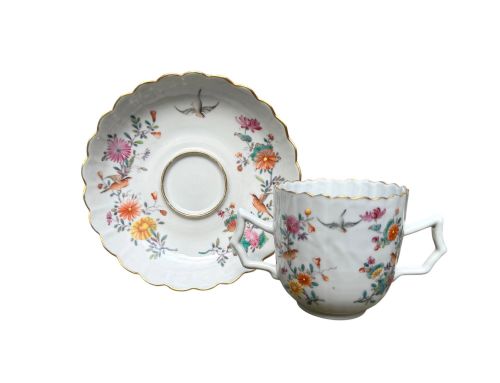
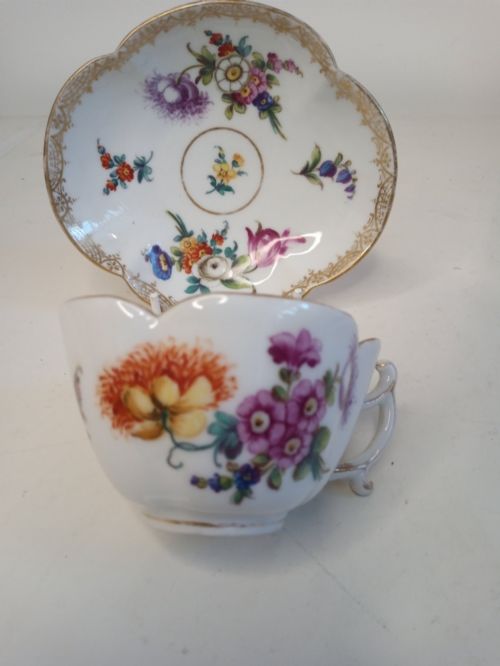
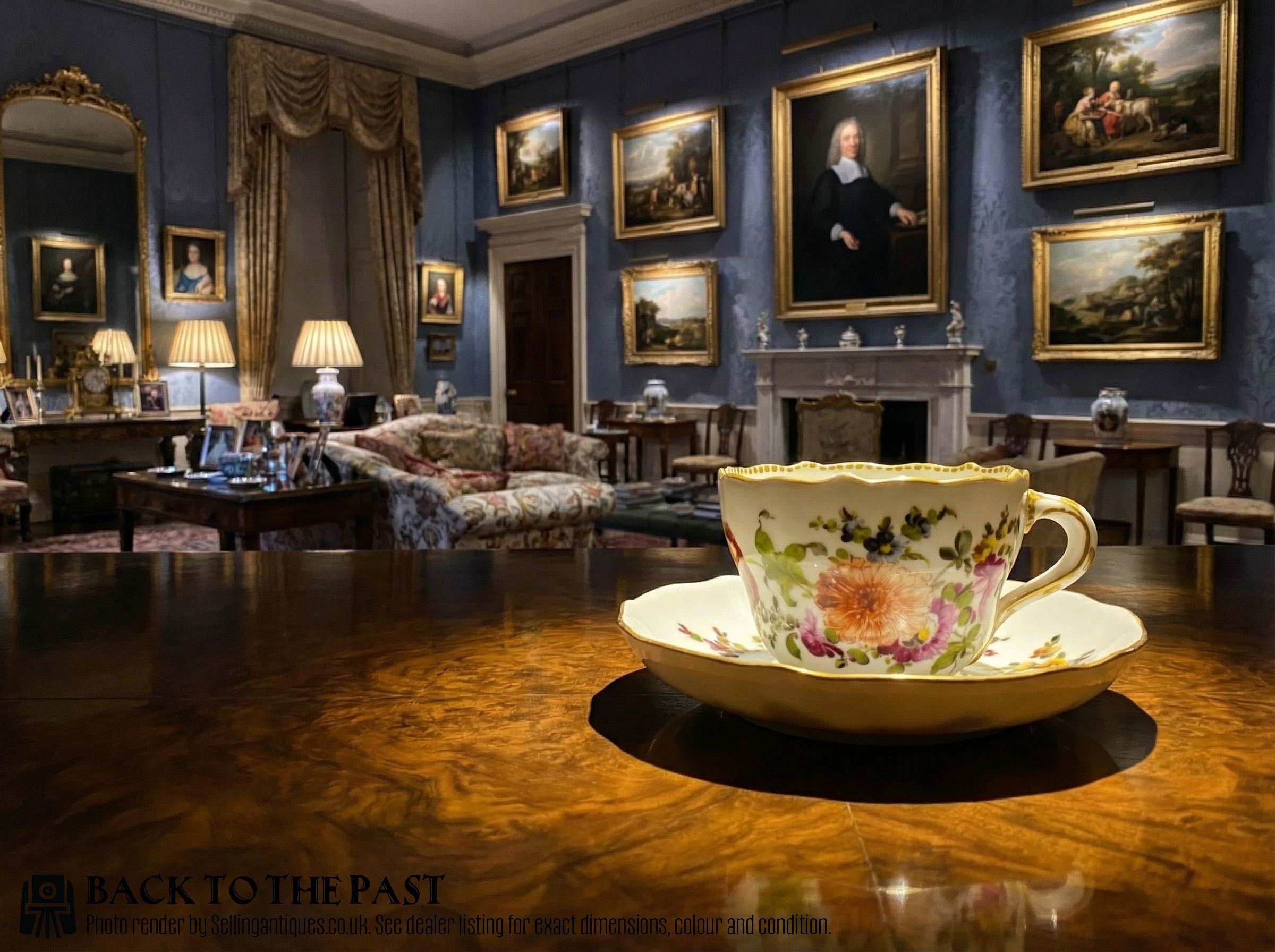
A floral porcelain cup is a small vessel designed for tea, coffee or chocolate, frequently accompanied by a matching saucer or stand. When searching for this phrase, collectors encounter pieces spanning the 18th century through the early 20th century, produced by prominent English, continental and Chinese potteries. The most common varieties met on this page include Regency-era English trios and duos featuring hand-painted botanical motifs.
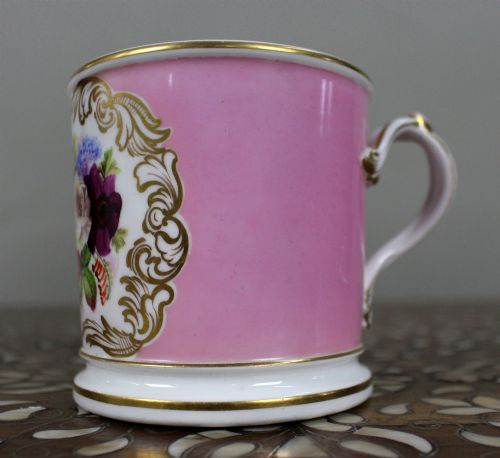
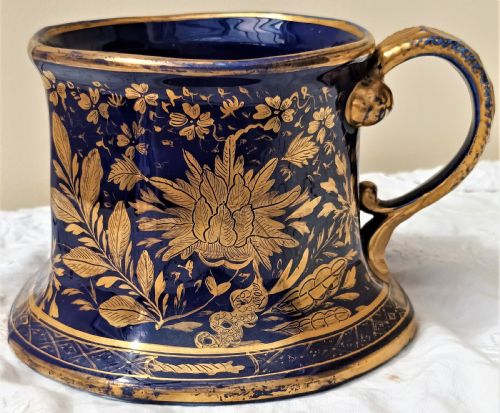
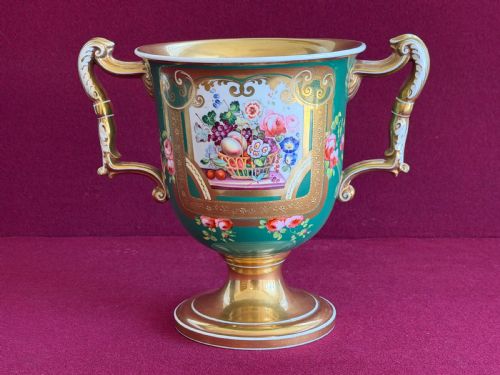
The selection ranges from early Worcester teabowls and Liverpool coffee cups to Victorian cabinet mugs and Royal Worcester blush ivory pieces. Forms extend beyond standard teacups to encompass demitasse cups, coffee cans, loving cups and miniatures. These objects reflect shifting aesthetic movements, moving from Georgian and Rococo styles toward later 19th-century and Edwardian designs.
How they were made
Potters utilised fine ceramic bodies including bone china, hard-paste porcelain and ironstone, shaped either by throwing on a wheel or casting in moulds. Once formed, the pieces received underglaze or overglaze painting by hand, capturing intricate botanical details with enamel colours. Gilding with gold leaf or gold gilt provided rich borders and highlights, often fired multiple times to achieve a lasting metallic shine.
Factories employed specialised artists to render naturalistic flowers, ranging from pink cabbage roses to Dresden floral sprays. The application of distinct coloured grounds, such as Rose Pompadour or Sèvres style green, created contrasting backdrops for the painted flora. Firing in kilns set precise temperatures to fuse the enamel colours and gilding securely to the porcelain glaze.
Listings feature porcelain forms spanning 18th-century tea bowls to 1930s demitasse cups, decorated with gold leaf and hand-painted enamels.
What varies in quality
The quality of a floral porcelain cup rests primarily on the precision and skill of the hand-painting. Superior examples display botanical accuracy, delicate brushwork and nuanced shading executed by named decorators or skilled factory hands. Lesser pieces rely on transfer printing or hurried, formulaic brushwork with minimal attention to fine detail.
The sophistication of the porcelain body and the richness of the gilding also define the upper tier of the range. Exceptional forms feature raised gilding, complex moulded handles and harmonious colour palettes that remain crisp and well-preserved. Maker attribution further elevates a piece, with documented works from renowned factories commanding greater appreciation among collectors.
H & R Daniel·Chamberlain Worcester·Richard Chaffers·Newhall·Grainger Worcester·Coalport·Mason s·Royal Worcester·Gardner Moscow Factory·Meissen·Yates·Minton·Spode Copeland·KPM·Bow
The Floral Porcelain Cup Glossary
- Demitasse
- A small cup used for serving strong black coffee or espresso. These pieces frequently date from the 19th and early 20th centuries.
- Trio
- A matching set comprising a teacup, a coffee cup and a saucer. Regency-era makers produced these combinations for diverse social drinking habits.
- Teabowl
- A small drinking vessel without a handle, derived from Chinese export prototypes. 18th-century English factories made these before handled teacups became standard.
- Loving cup
- A large drinking vessel typically featuring two or three handles, often given as a presentation piece or commemorative item. They appear in porcelain and ironstone across various periods.
- Enamel
- Opaque glass-like material applied over the glaze and fired at lower temperatures to achieve vibrant polychrome decoration. Painters used enamels to render bright floral petals and leaves.
- Gilding
- The application of gold leaf or powdered gold to ceramic surfaces for decorative emphasis. High-quality pieces often show burnished gold highlights along the rims and handles.
Floral Porcelain Cup: Frequently Asked Questions
What is a coffee can?
A coffee can is a straight-sided cylindrical cup designed for serving hot coffee during the late 18th and early 19th centuries. They lack the curved bowl shape of traditional teacups.
These pieces often feature delicate handles and elaborate floral decoration painted over the glaze.
How do I date a porcelain cup?
Dating relies on examining the paste, glaze characteristics, factory marks on the base and stylistic clues like shape and colour palettes. Regency pieces often exhibit distinct handle forms and vibrant enamel painting.
Reference books and archive records help match pattern numbers to specific production years.
Were these cups used daily?
Many cups from the 18th and 19th centuries served functional roles in daily domestic life before entering cabinets as display items. Finer cabinet cups were sometimes kept specifically for formal tea service.
Traces of wear often indicate active use in period households.
What does bat printing mean?
Bat printing is a transfer-printing technique using a glue bat to transfer a stippled oil design onto porcelain before dusting it with powdered colour. This method created soft, delicate monochrome images.
It gained popularity in the early 19th century for refined tea sets.