
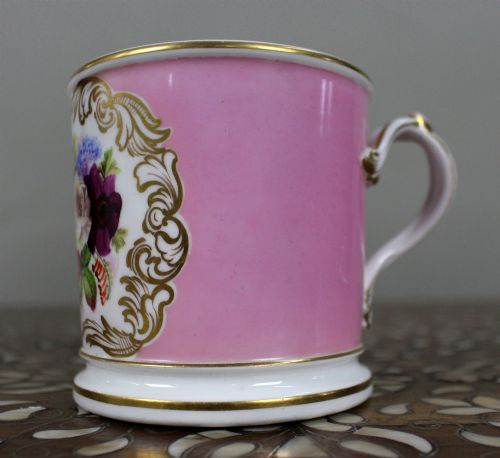
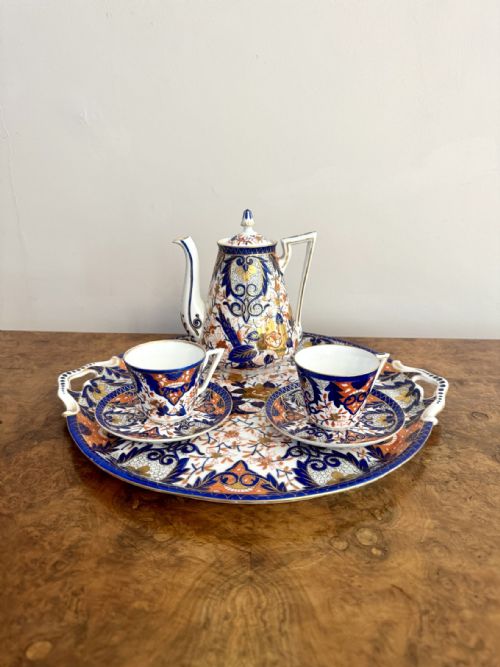
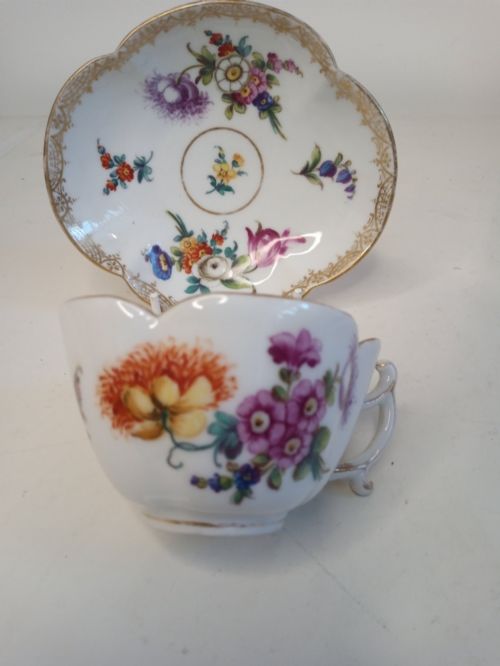


Victorian Porcelain Cup
These robust and finely glazed vessels make a charming addition to any morning ritual, bringing nineteenth-century craft straight to the breakfast table.
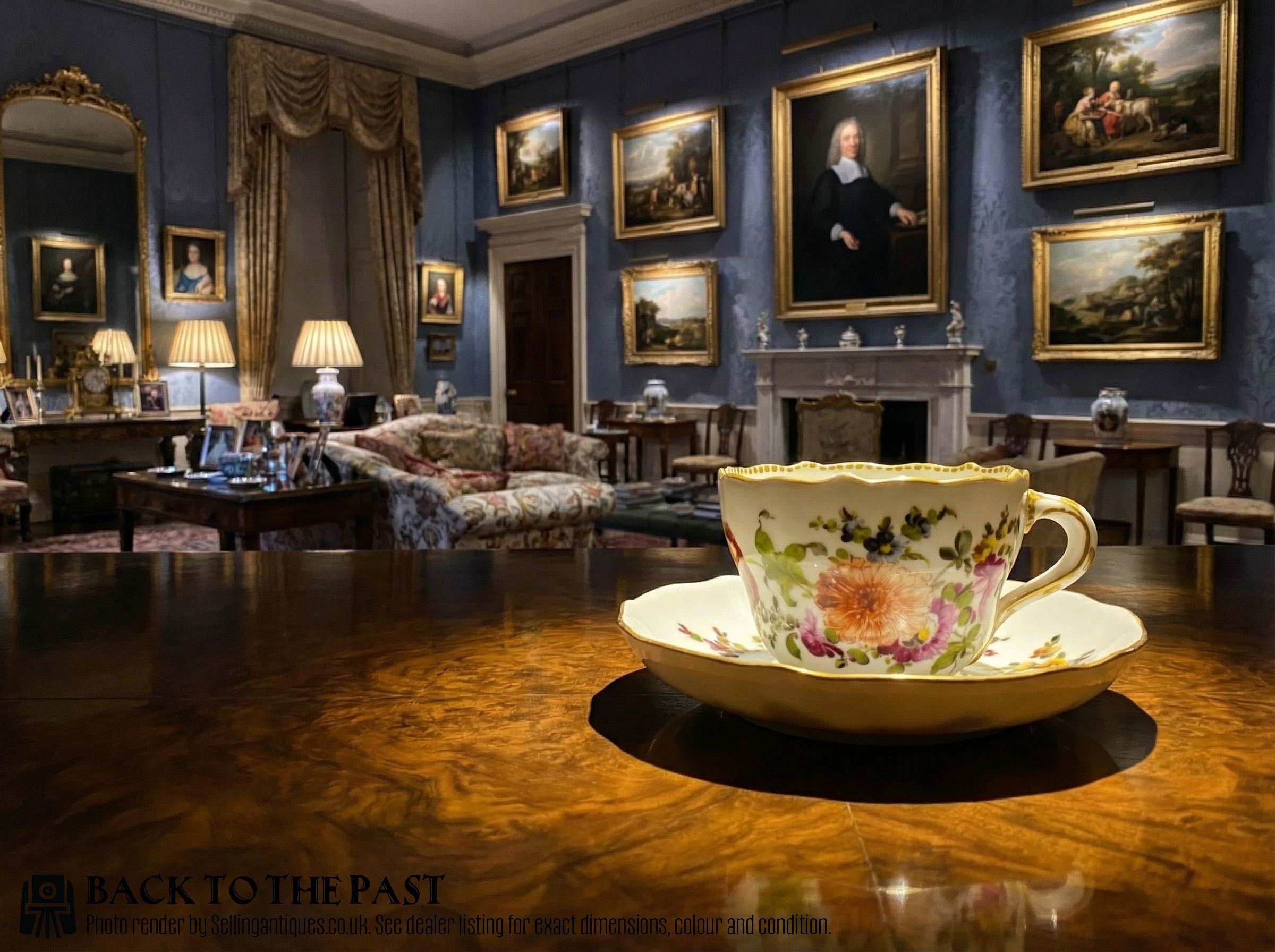
Victorian Porcelain Cup
A victorian porcelain cup spans morning teacups and saucers, demitasse sets, large loving cups, and single pedestal vessels. The selection here leans heavily towards nineteenth-century English and continental productions, notably featuring makers like Royal Worcester and Royal Crown Derby.
Forms range from intimate coffee cups and individual tea sets to grander commemorative tygs and decorative vessels. Buyers encounter everything from delicate floral demitasse pieces to robust stoneware mugs and monumental loving cups.
What varies in quality
Quality rests primarily on the crispness of the hand-painting and the preservation of the delicate gold leaf work. Superior examples display precise brushwork in floral sprays and allegorical scenes rather than mechanical transfer printing.
The sophistication of the porcelain body and the weight of the gilding distinguish standard utility items from luxury cabinet pieces. Makers employing intricate Kakiemon or Rococo Revival styling often invested greater artistry into the final ceramic finish.
One historic collection gathers thirty-six shaving mugs alongside a mahogany stand, proving Victorian gentlemen took their morning grooming routine very seriously.
Royal Worcester·Royal Crown Derby·Grainger Worcester·Minton·Royal Vienna·Meissen·Davenport·Spode Copeland·Hadley Worcester·Hirsch Dresden
The Victorian Porcelain Cup Glossary
- Bone china
- A type of soft-paste porcelain containing bone ash that produces a strong, translucent ceramic body. It became a staple material for fine British tea wares during the nineteenth century.
- Gilding
- The application of gold leaf or powdered gold to ceramic surfaces for decorative effect. It highlights rims, handles, and painted panels.
- Imari
- A decorative style inspired by Japanese export wares, featuring rich iron red, underglaze blue, and gold. Victorian potteries frequently reinterpreted this palette on cups and saucers.
- Tyg
- A large drinking vessel featuring multiple handles, often shared among company. Nineteenth-century iterations frequently appear in miniature or commemorative forms.
Victorian Porcelain Cup: Frequently Asked Questions
Can I still use these cups for tea?
Most nineteenth-century teacups and saucers remain structurally sound enough for occasional light use. Ensure the ceramic has no hairline cracks before pouring hot liquids.
Daily use will inevitably cause wear to fragile overglaze enamels and gold gilding. Many collectors prefer to display finer cabinet cups to protect the historic hand-painted artwork.
What is a loving cup?
A loving cup is a large communal drinking vessel typically constructed with two or three handles. Historically, guests passed these vessels around the table during celebrations and toasts.
Nineteenth-century examples frequently feature commemorative inscriptions or heraldic motifs. Smaller versions, sometimes called tygs, served decorative functions or marked specific family milestones.
How do I date a Victorian cup?
Examine the base of the ceramic for maker marks, registration diamonds, or impressed numbers. These stamps often correspond to specific decades of nineteenth-century production.
Stylistic clues such as Rococo Revival curves or Aesthetic movement motifs also help narrow down the manufacturing period. Comparing hand-painted floral palettes provides further context for the exact decade of origin.