


Antique Floral Teacup Saucer
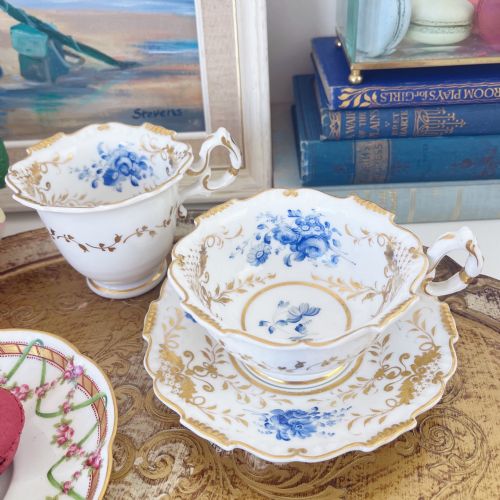
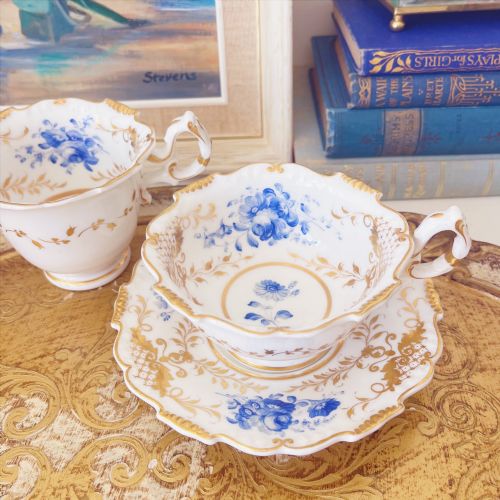
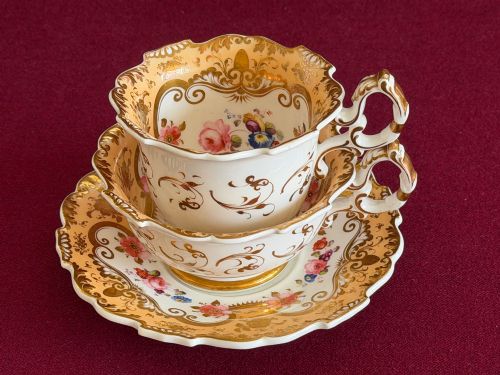
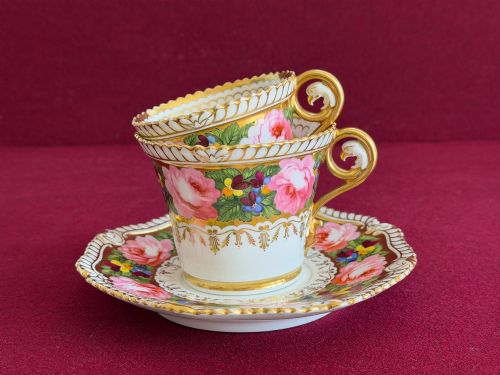
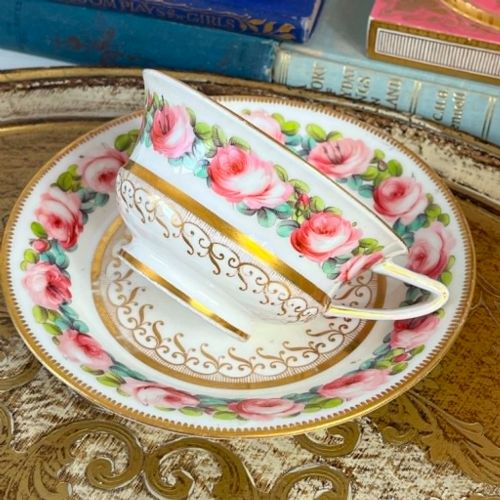
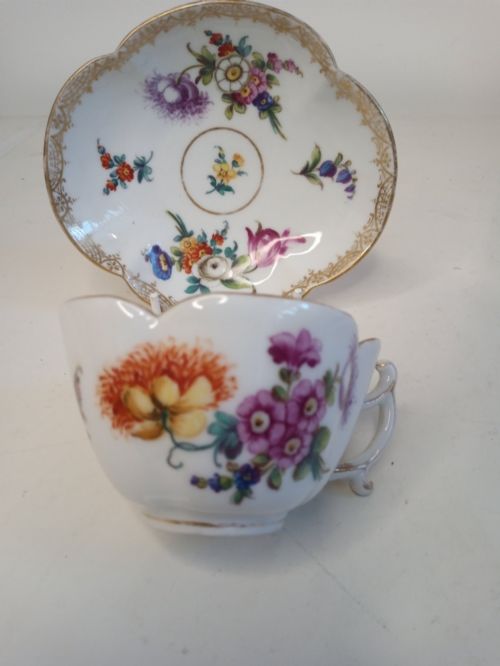
An antique floral teacup saucer brings painted botanical detail to the table, combining delicate ceramic forms with vibrant hand-rendered petals.
Antique Floral Teacup Saucer
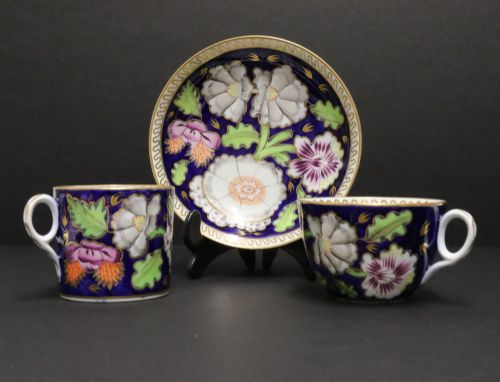
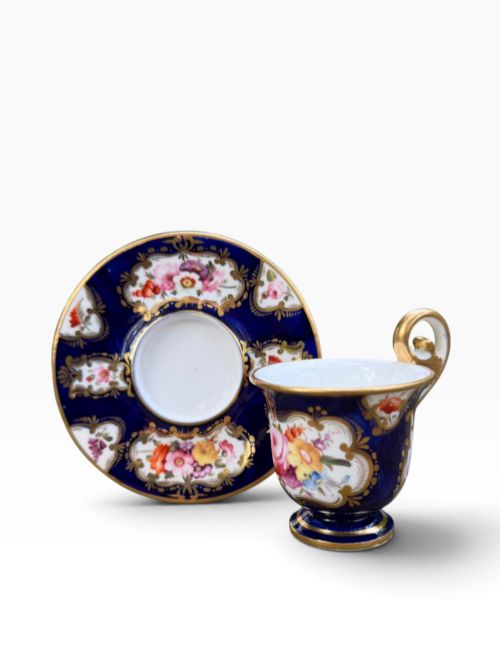
When you search for an antique floral teacup saucer, you encounter delicate drinking vessels and matching plates decorated with botanical motifs spanning multiple centuries. These items appear in forms ranging from individual cabinet cups to full tea services and trios.
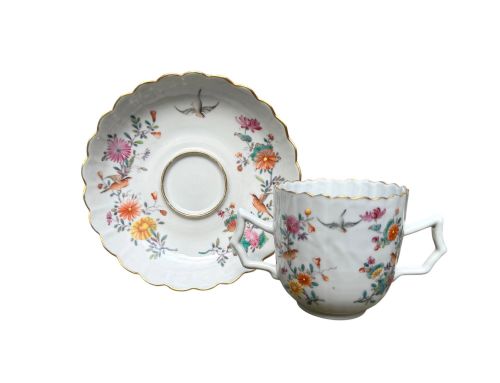
The pieces on this page originate from diverse workshops across England, continental Europe, and China. You are most likely to meet English porcelain and bone china examples produced during the Georgian, Regency, and Victorian periods.
Makers produced these ceramics for refined social tea drinking, utilising distinct shapes such as the Shrewsbury or cabinet cup. Surviving examples demonstrate how households integrated painted floral ornamentation into daily domestic routines.
Assessing quality and craftsmanship
The refinement of the ceramic body and the precision of the thrown form set the baseline for quality. Thinner walls and translucent porcelain indicate higher grade manufacture.
The execution of the painted floral decoration distinguishes superior examples from standard production. Freehand brushwork and finely detailed enamel botanical studies demonstrate greater artistic skill than basic stencilled patterns.
Pieces span the eighteenth, nineteenth, and early twentieth centuries, including Georgian, Regency, Victorian, and Edwardian styles.
H and R Daniel·Chamberlain Worcester·Davenport·Coalport·Royal Worcester·Meissen·Moscow Factory
The Antique Floral Teacup Saucer Glossary
- Cabinet cup
- A decorative cup and saucer produced primarily for display in a cabinet rather than for regular use. These pieces often feature elaborate handpainted scenes and gilt highlights.
- Trio
- A matching set comprising a teacup, a coffee cup, and a saucer. This grouping reflects nineteenth-century dining habits when households served multiple hot beverages.
- Gilding
- The application of gold leaf or gold paint to ceramic surfaces. Artisans utilised this technique to accentuate rims, handles, and borders.
- Famille rose
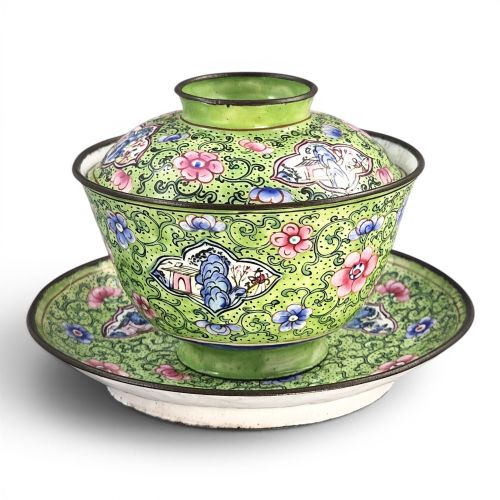
- A palette of opaque enamel colours dominated by pink, introduced in Chinese ceramics during the eighteenth century. The style frequently depicts naturalistic floral arrangements.
- Creamware
- A refined light-coloured earthenware developed in England during the eighteenth century. It provided a smooth surface suitable for painted enamel decoration.
Antique Floral Teacup Saucer: Frequently Asked Questions
How do I date an antique floral teacup saucer?
Examine the paste, glaze, and any factory marks stamped or painted on the base. Stylistic cues such as Regency shapes or Victorian botanical painting styles provide additional chronological markers.
Comparing the manufacturing technique with documented patterns helps narrow the period of production. Consultation with specialised ceramic reference books confirms the active dates of specific potteries.
Can I use these cups for drinking tea?
Many of these delicate porcelain and bone china vessels remain structurally sound for gentle use. However, antique pieces require careful hand washing to preserve handpainted enamel and gold leaf.
Cabinet cups and very early examples are better suited for display due to their age and fragility. Assess the condition of the glaze and ceramic body before serving hot liquids.
What is the difference between a teacup and a demitasse?
A standard teacup is sized for black or green tea taken with milk or sugar. A demitasse is a smaller cup specifically designed for serving strong black coffee or espresso.
Deminasse pieces often appear alongside matching saucers in cabinet sets and porcelain trios. Both forms showcase miniature floral paintings adapted to their distinct surface areas.
Why do some saucers lack a central well?
Early saucers were frequently manufactured without the raised central ring found in later designs. This allowed the vessel to function as a small dish for cooling hot tea or holding sweetmeats.
Such pieces often date to the eighteenth or early nineteenth century. They reflect historical dining customs that differed from modern tea service etiquette.