
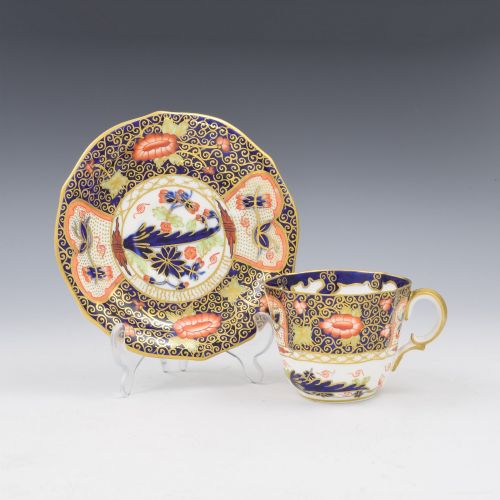


Edwardian China Teacup
An edwardian china teacup brings a delicate touch of early twentieth century social ritual to the modern table.
Edwardian China Teacup
When you search for an edwardian china teacup, you examine fragile vessels created for social gatherings during the early decades of the twentieth century. These objects include individual teacups and saucers, complete trios, and larger tea sets spanning from the late Victorian period into the nineteen thirties.
The pieces on this page originate from notable English potteries and feature forms designed for tea or coffee service. While the search specifies the Edwardian era, surviving examples often bridge adjacent decades like nineteen ten and nineteen twenty.
Most items combine a cup and saucer with delicate handle shapes and matching glaze treatments. Buyers frequently encounter sets paired together as trios or expanded into full twenty piece tea services.
Materials and manufacture
The physical construction relies primarily on fine porcelain and bone china, materials chosen for their smooth white surfaces and delicate walls. Manufacturers shaped these bodies into cups and saucers before applying hand-painted or transferred decorative motifs.
Surface enrichment frequently includes gold leaf, gold gilt, and intricate enamel work to highlight rims and handles. Artisans also utilised specialist techniques such as blush ivory grounds and bat wing patterns to create distinct visual depth.
Some cups wear their gold gilt so thin from a century of polite afternoon tea that the white china peeks through like an old smile.
Assessing quality and execution
Quality in these ceramics rests upon the fineness of the porcelain body and the precision of the hand-painted details. Finer examples display crisp application of enamel and gilding that remains sharp across both cup and saucer.
The reputation of the maker also dictates the standing of a piece, with established potteries achieving greater refinement in form and decoration. Pieces featuring signed hand-painted elements or complete matching sets command particular attention from collectors.
Royal Crown Derby·Coalport·Royal Worcester·Royal Albert·Wileman Foley Shelley·Gladstone potteries
The Edwardian China Teacup Glossary
- Bone China
- A type of porcelain incorporating bone ash, known for its milky white appearance and delicate strength.
- Trio
- A matched set consisting of a teacup, saucer, and matching tea plate designed for individual use.
- Demitasse
- A small cup used specifically for serving strong black coffee or espresso.
- Gilding
- The application of gold leaf or gold gilt to accent handles, rims, and decorative borders.
- Imari
- A decorative style featuring rich underglaze blue and overglaze iron red and gold, inspired by Japanese imports.
Edwardian China Teacup: Frequently Asked Questions
Are these cups safe for daily use?
While these cups were originally made for regular dining, their age and delicate bone china construction suggest gentle handling. Hand washing is strongly recommended to protect the fine gilding and painted enamels.
Modern dishwashers and microwaves can cause irreversible damage to the antique surface decoration and glaze. Treat them as special occasion items to preserve their condition for the future.
What is the difference between a tea cup and a demitasse?
Tea cups generally feature a wider bowl and a larger capacity suitable for serving tea with milk. They are paired with standard saucers designed to hold the vessel comfortably.
A demitasse is noticeably smaller and deeper, specifically formed for concentrated coffee portions. These smaller cups often appear alongside matching coffee saucers in specialised sets.
How do I identify an Edwardian piece?
Edwardian ceramics often display a lightness of form influenced by the transition from Victorian heavy ornamentation to more refined early twentieth century tastes. Floral patterns, blush ivory finishes, and restrained gilding are common markers of this period.
Maker marks stamped or painted on the underside of the porcelain help confirm the exact production era. Reference guides matching factory culls to specific dates provide the most accurate verification.
What does a tea trio include?
A traditional tea trio consists of three matching components intended for a single diner. This grouping brings together a teacup, a matching saucer, and a small side plate for light refreshments.
Finding complete trios or expanded sets adds consistency to a table setting. They represent the standard configuration for formal afternoon tea service during the early decades of the twentieth century.