


Gilded China Teacup
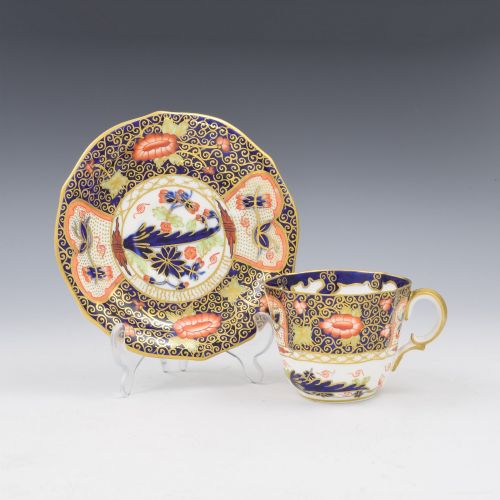
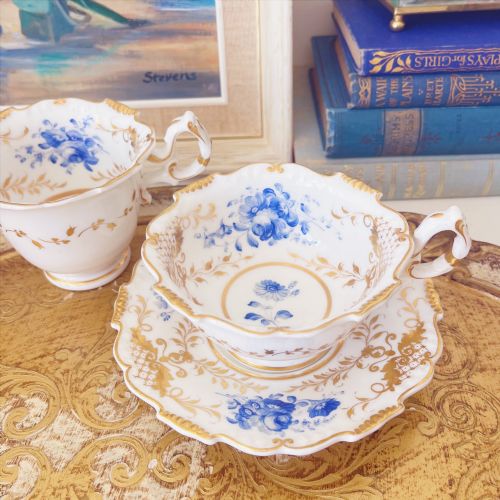
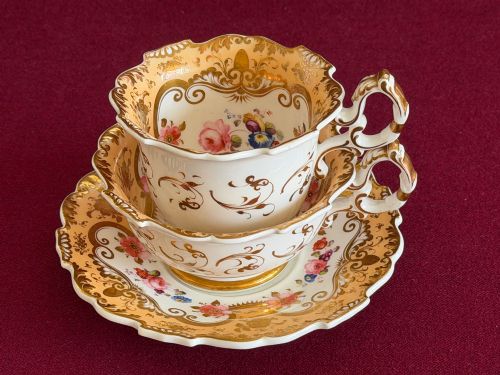
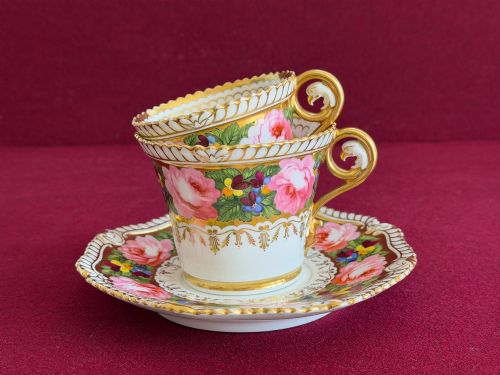
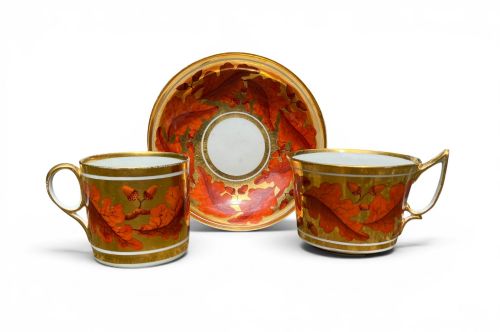
These gilded china teacup examples span Georgian elegance to Edwardian refinement, offering porcelain forms finished with precious gold leaf and enamel.
Gilded China Teacup
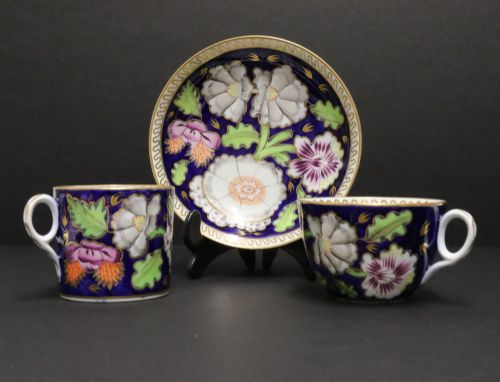
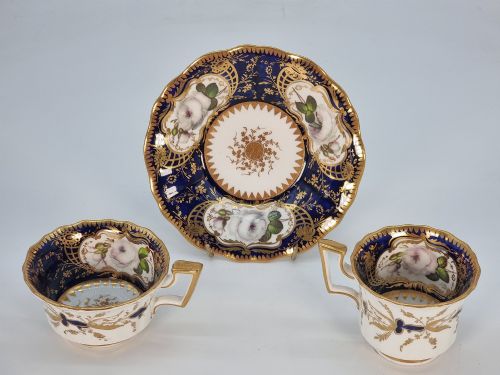
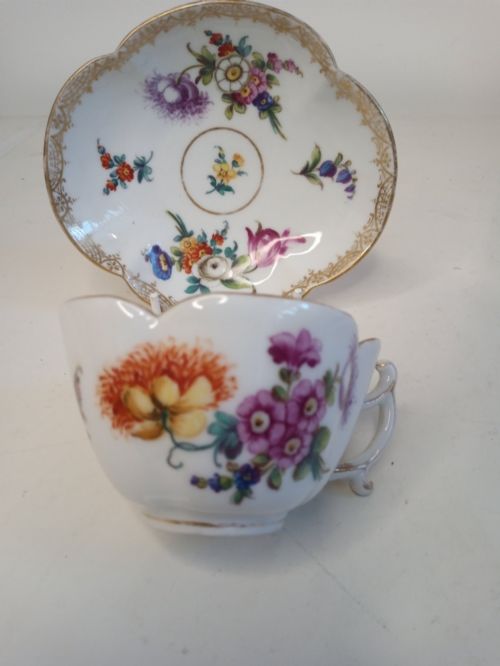
When you search for a gilded china teacup, you encounter delicate porcelain drinking vessels and saucers enriched with gold leaf, enamel, and hand-painted motifs. These pieces range from simple eighteenth-century tea bowls to elaborate nineteenth-century cabinet cups and full breakfast sets.
The versions most common on this page date from the Georgian and Regency periods through to the Edwardian era, encompassing English factories like Worcester and Derby alongside continental makers. They survive either as solitary cabinet pieces or as part of larger tea services intended for display and use.
How they were made
Potters shaped these vessels using porcelain, bone china, soft-paste porcelain, and ironstone, often throwing them on a wheel or pressing them into moulds. Artisans then applied enamel colours and gold leaf by hand, firing the pieces multiple times to fix the metallic lustre onto the ceramic body.
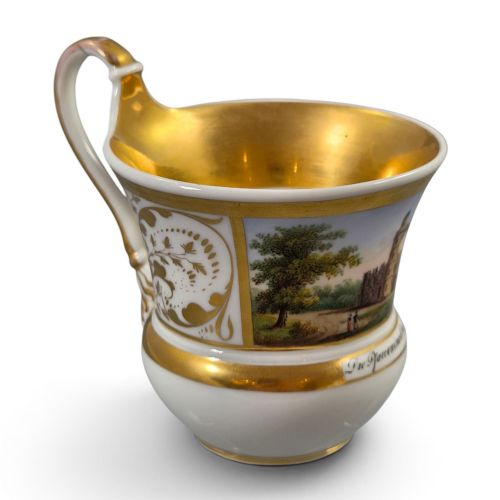
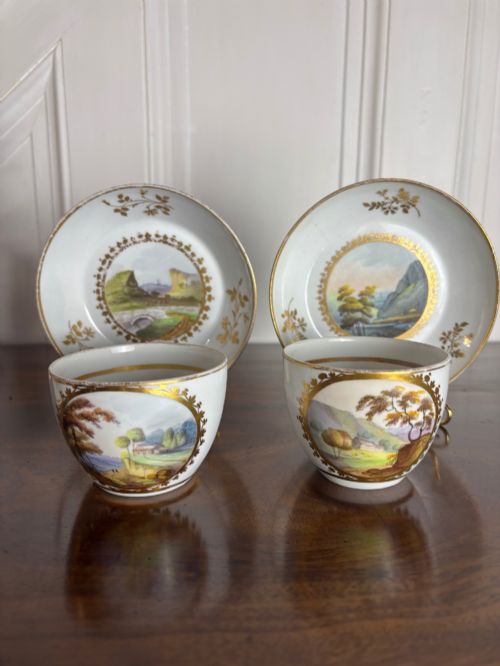
Gilding techniques varied from delicate gold leaf applications to heavier gold gilt and gold gilding, sometimes combined with raised borders or hand-painted topographical and bird scenes.
Listings span multiple eras from the 18th century through to the 1930s, featuring porcelain, bone china, and ironstone.
What varies in quality
The standard of a gilded china teacup depends heavily on the crispness of the porcelain moulding and the refinement of the hand-painting. Pieces decorated by named artists or distinguished factories display finer brushwork and more complex enamel palettes than mass-produced utilitarian wares.
The application of the gold leaf also dictates grade, with burnished and detailed gilding retaining a sharper, more lustrous finish than flat or heavily rubbed gold paint.
Royal Crown Derby·H & R Daniel·Chamberlain Worcester·Newhall·Coalport John Rose·KPM Berlin·Minton·Worcester·Flight Barr And Barr·Duesbury And Kean·Spode·Wileman Foley Shelley·Royal Worcester·Doric China Longton Stafford·Davenport
The Gilded China Teacup Glossary
- Cabinet cup
- A decorative cup intended primarily for display in a cabinet rather than for daily tea drinking. These often feature detailed topographical scenes or armorial designs.
- Trio
- A matching set comprising a teacup, a coffee cup and a saucer. They were common in nineteenth-century English porcelain services.
- Tea bowl
- A handleless drinking vessel used before the widespread adoption of teacups with handles. They derive from early Chinese export forms.
- Soft-paste porcelain
- An artificial porcelain body composed of clay, glass frit and other materials, fired at lower temperatures than hard paste. It is common in eighteenth-century English ceramics.
- Guilloche
- An architectural ornamentation pattern formed of two or more interlaced bands, frequently used as a border decoration on porcelain.
Gilded China Teacup: Frequently Asked Questions
What is a gilded china teacup?
A gilded china teacup is a porcelain or bone china drinking vessel decorated with gold leaf or metallic paint, often accompanied by a matching saucer.
These pieces were produced across various periods including the Georgian, Regency, and Victorian eras by prominent English and continental potteries.
How were these teacups used?
They were used for serving hot tea or coffee during formal social gatherings, afternoon teas, and breakfast routines.
Finer cabinet cups were often kept on display in glazed furniture rather than used for consumption.
How do I date a gilded teacup?
Dating relies on identifying factory marks, pattern numbers, stylistic indicators such as Regency neoclassical shapes or Edwardian floral motifs, and the composition of the porcelain body.
Certain decorative techniques, like bat printing or specific enamel palettes, also point to precise manufacturing decades.
Can I use antique teacups?
Many antique teacups remain structurally sound for gentle use, though hand washing is necessary to protect the fragile enamels and gold leaf.
Pieces with extensive wear or those designated as cabinet cups are generally better suited for display.