


Floral Bone China Cup
A floral bone china cup brings botanical colour and fine ceramic craft directly to the morning table.
Floral Bone China Cup
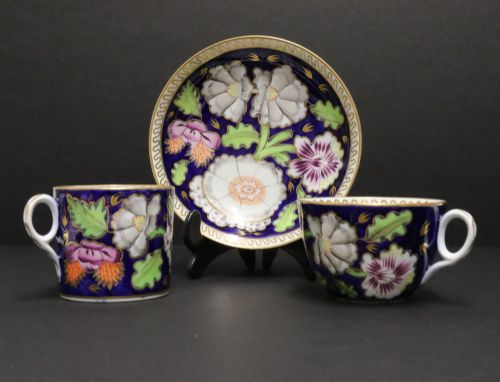
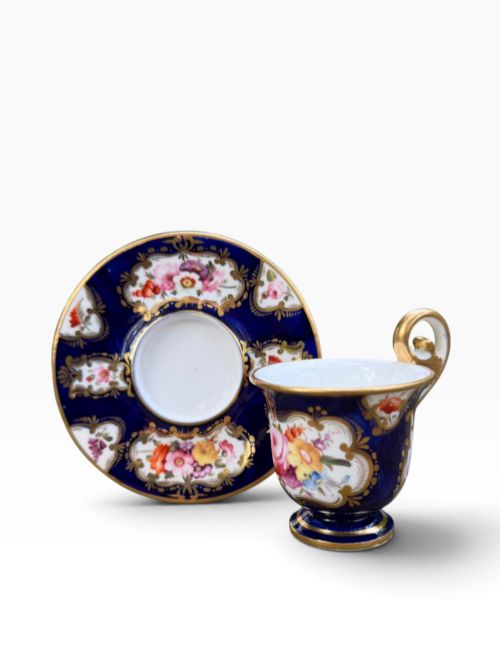
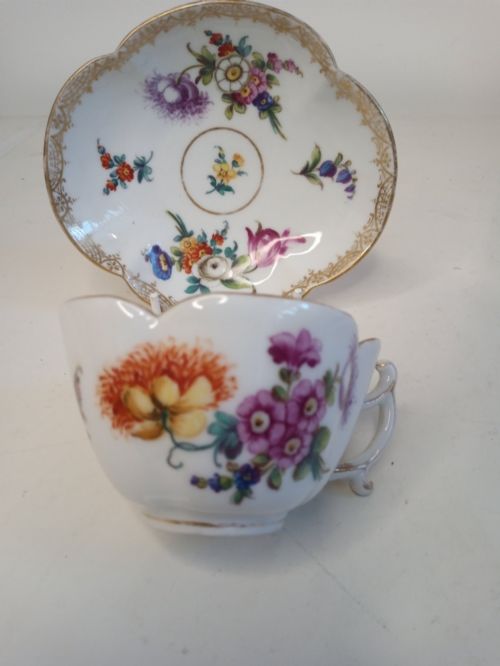
When you search for a floral bone china cup, you encounter drinking vessels and sets originating from periods spanning the Georgian era, the Regency period, and the nineteenth and early twentieth centuries. The pieces take the form of teacups and saucers, coffee cups and saucers, cabinet trios, and miniature ceramics.
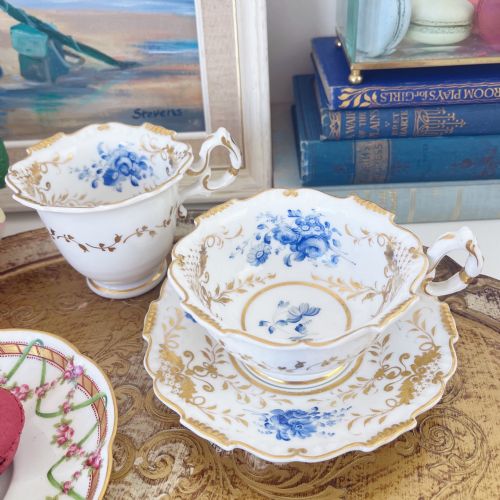
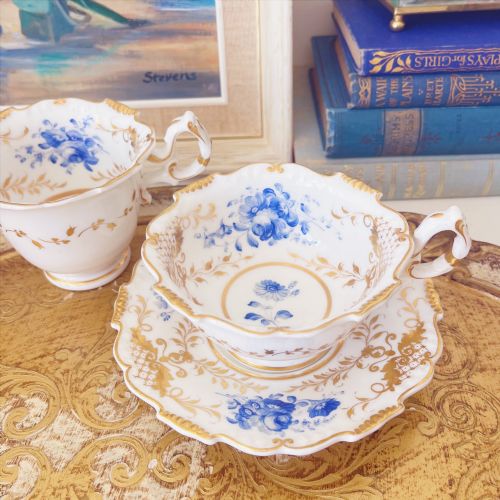
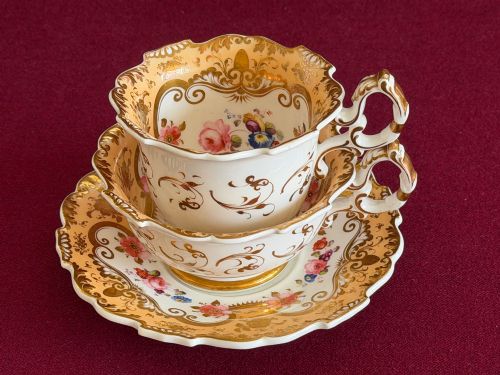
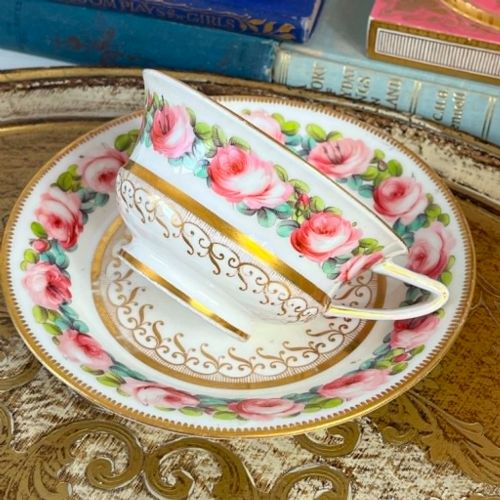
You are most likely to meet Regency and nineteenth-century examples decorated with handpainted botanical motifs such as pink cabbage roses, oak and mistletoe, or intricate patterns by notable English potteries. These items range from single duos and trios to complete tea services and demitasse sets.
Materials and technique
The objects combine fine porcelain and bone china bodies shaped into cups, saucers, and cabinets wares. Artisans applied handpainted enamel designs directly to the ceramic surface to create vibrant floral illustrations.
Gilding, gold leaf, and gold gilt provide metallic embellishments along the rims, handles, and borders. These precious metal applications complement the colourful painted floral motifs.
Early nineteenth-century painters occasionally hid tiny botanical flaws beneath clever groupings of painted leaves and painted caterpillars.
Variations in quality
The skill of the handpainting dictates the visual standard of each piece, distinguishing simple decoration from expressive botanical artistry. Precise brushwork and vibrant enamel preservation elevate certain examples above others.
The crispness of the porcelain moulding and the integration of gold leaf or gilding contribute to the overall refinement of the form. Maker attribution also plays a role in establishing the distinction of a piece.
H & R Daniel·Davenport·Coalport·Yates·Minton·Spode Copeland·Royal Worcester
The Floral Bone China Cup Glossary
- Bone china
- A type of soft-paste porcelain containing bone ash, known for its bright white body and translucency. It allows for thinner walls while retaining durability.
- Cabinet cup and saucer
- A decorative vessel intended for display in a cabinet rather than daily use. These pieces often feature elaborate painting and gilding.
- Demitasse
- A small cup used to serve Turkish coffee or espresso. They frequently appear in later twentieth-century sets.
- Trio
- A matching set comprising a teacup, a saucer, and a matching tea plate. Trios are common in nineteenth-century English service wares.
Floral Bone China Cup: Frequently Asked Questions
How do I date an early cup?
Examine the shape of the handle and the potting style, as Regency and Georgian pieces often feature distinct foot rims and porcelain bodies. Maker marks, where present, help narrow the decade of production.
Compare the enamel colours and gilding techniques against documented pieces from known potteries active in the early nineteenth century.
Can I use these cups daily?
While these items were originally made for dining, handpainted enamels and delicate gold gilding require careful handling. Many collectors prefer gentle hand washing to preserve the historic surfaces.
Using them for special occasions allows you to experience the weight and balance of the porcelain as intended by the maker.
What is a cabinet trio?
A cabinet trio consists of a matching cup, saucer, and plate designed primarily for display rather than functional dining. They showcase exceptional artistic skill and elaborate botanical painting.
These sets remained popular among collectors who wished to exhibit fine ceramic manufacturing in display furniture.
How do I identify handpainted flowers?
Look closely at the surface with a magnifying glass to check for brushstrokes and slight variations in the enamel thickness. Printed transfers show a dotted dot matrix pattern under magnification, whereas true painting displays fluid pigment.
Handpainted floral scenes often feature individual shading and artist touches unique to each piece.