


Dresden Flower Porcelain
These dresden flower porcelain pieces bring vibrant painted botanicals and intricate applied blooms to your table.
Dresden Flower Porcelain
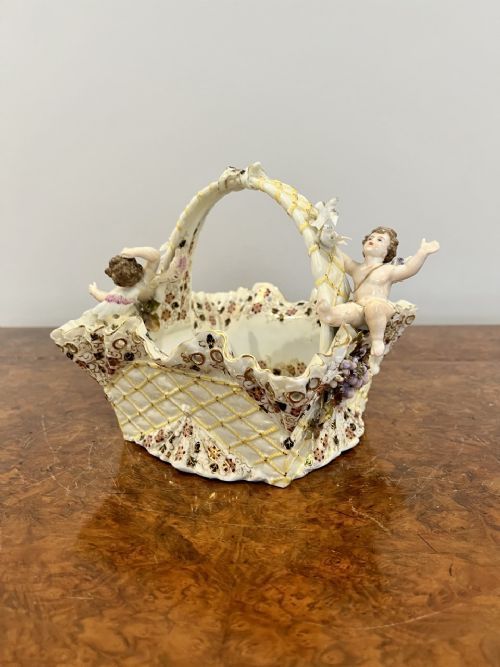
When you search for dresden flower porcelain, you encounter elaborate nineteenth- and early twentieth-century German ceramics adorned with painted botanical motifs and raised floral encrustations. The selection ranges from nineteenth-century tea wares and early English tea bowls to substantial continental centrepieces, lidded vases, and figurative table lamps.
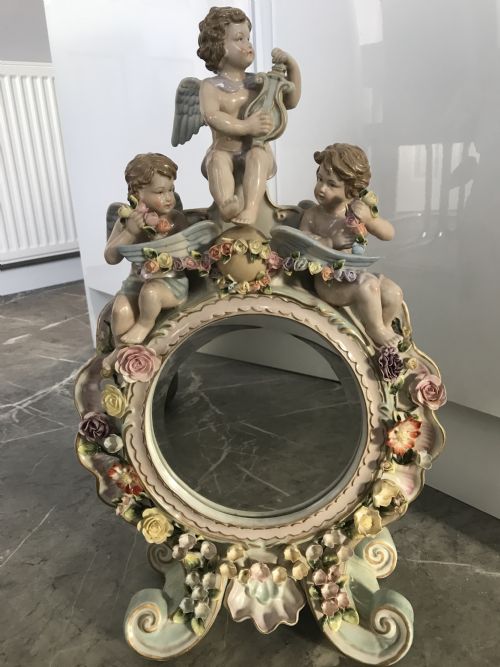
You are most likely to meet Victorian and Edwardian examples featuring applied roses, putti, and rococo revival styling. These decorative forms span dressing table mirrors, cache pots, and candelabra produced by factories such as Sitzendorf, Schierholz, and Meissen.
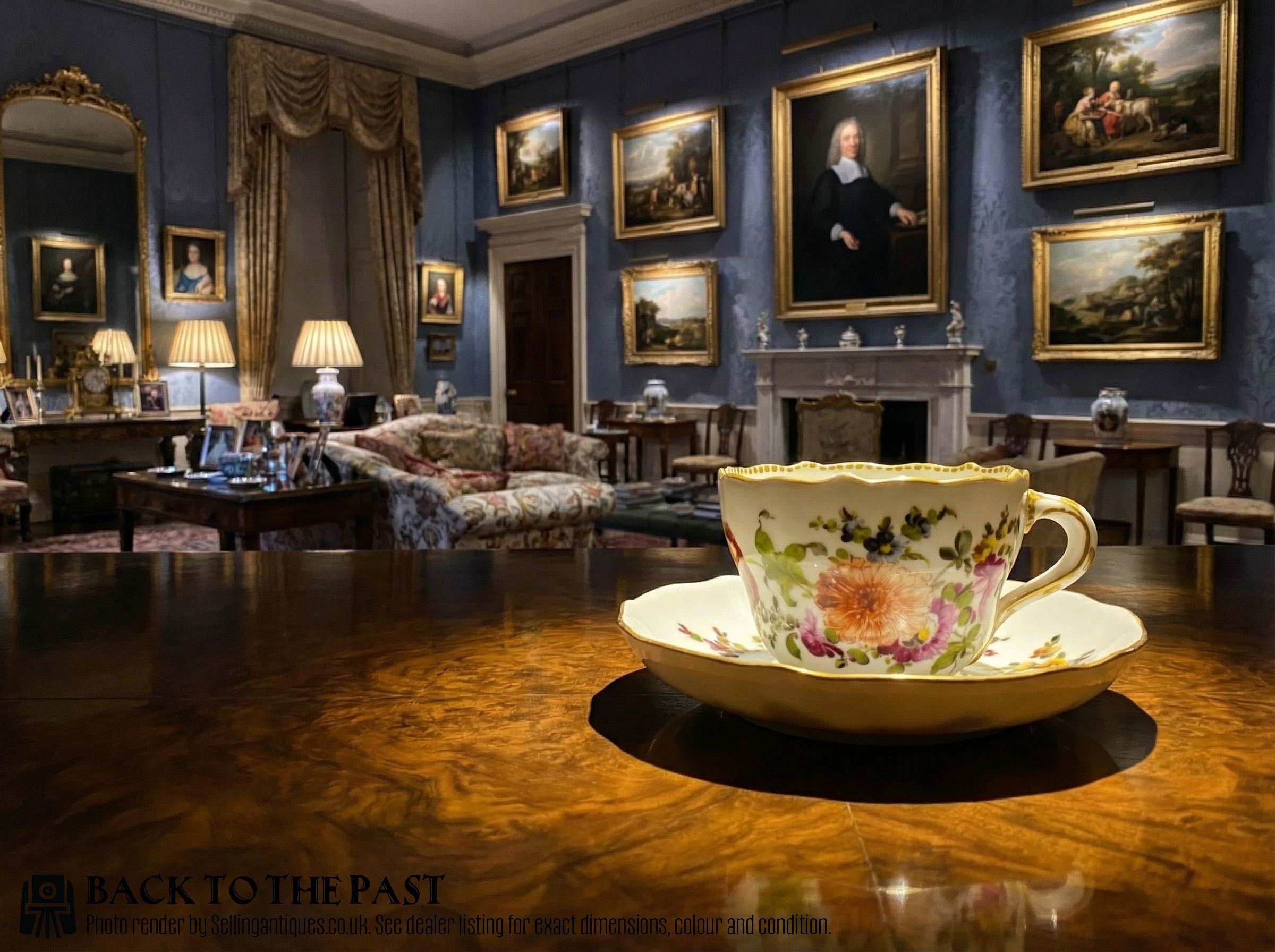
The aesthetic bridges utility and high ornamentation, whether in a demitasse cup and saucer or a large musical centrepiece. Each item displays botanical painting traditions that connect eighteenth-century English porcelain output with later continental manufacturing.
How they were made
Potters shaped ceramic bodies by hand and in moulds to create complex forms like fluted bowls, rococo mirrors, and figurative centrepieces. Artisans applied delicate individual porcelain petals and leaves by hand before firing.
Painters applied enamel colours and gold leaf highlights, utilising gilding to accentuate moulded scrollwork and borders. Subsequent kiln firings fixed the polychrome enamels and gilded details to the ceramic surface.
Porcelain putti eternally juggle ceramic roses across nineteenth-century centrepieces without ever dropping a petal.
What varies in quality
The fineness of the hand-painted floral enamel work distinguishes superior examples from standard production. Crisp brushwork on individual petals and naturalistic botanical shading elevate certain pieces above simpler decoration.
The density and preservation of applied porcelain flowers demonstrate manufacturing standard. Intricately modelled putti and sharply defined rococo scroll moulding indicate skilled craftsmanship in the original factory.
Caughley Porcelain·Sitzendorf Porcelain·Plaue Schierholz·Meissen Porcelain
The Dresden Flower Porcelain Glossary
- Dresden flowers
- Painted botanical sprays and naturalistic floral groupings applied to ceramic surfaces. The motif originated in eighteenth-century German porcelain painting and later spread to English factories.
- Cache pot
- A decorative flowerpot container designed to hold a plant pot. These porcelain vessels often feature applied flowers and gilded trim.
- Putti
- Depictions of plump winged infants or cherubs frequently used in nineteenth-century continental porcelain figural groups and centrepieces.
- Rococo revival
- A nineteenth-century design style marked by C-scrolls, asymmetrical plant motifs, and exuberant ornamentation. It heavily influenced mirror frames and vase mounts.
- Demistasse
- A small cup used for serving strong black coffee. These cups often accompany matching saucers decorated with floral enamels.
Dresden Flower Porcelain: Frequently Asked Questions
What is dresden flower porcelain?
These ceramics feature painted botanical sprays and raised porcelain flowers produced across German and English factories. The tradition encompasses everything from tea bowls to large decorative centrepieces.
Items date from the eighteenth century through the Edwardian period, often incorporating rococo revival scrollwork, gilding, and figurative elements like putti.
How were these porcelain items used?
Tea wares served daily social functions in domestic parlours, while large centrepieces and lidded vases acted as ornamental focal points for dining tables and mantlepieces.
Mirrors, cache pots, and candelabra combined decorative display with practical utility in Victorian and Edwardian dressing rooms and drawing rooms.
How do I care for applied flowers?
Dust delicate applied porcelain petals with a soft dry brush to prevent breakage of intricate raised leaves and stems. Avoid harsh cleaning agents that might damage delicate enamel painting and gold leaf.
Display items away from high-traffic edges where protruding ceramic flowers or putti might suffer accidental impact.
How can I date these pieces?
Examine factory marks, material composition, and stylistic cues such as Victorian rococo revival moulding or Edwardian forms. Eighteenth-century pieces often show simpler fluted tea ware shapes.
Later nineteenth- and twentieth-century items frequently exhibit more complex applied floral encrustations and larger decorative groupings.