


Gold Gilded Teacup
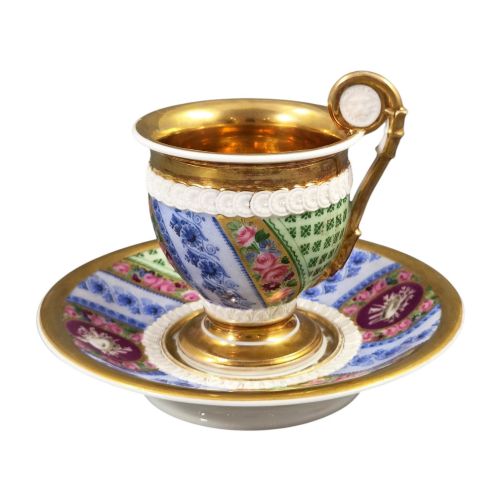
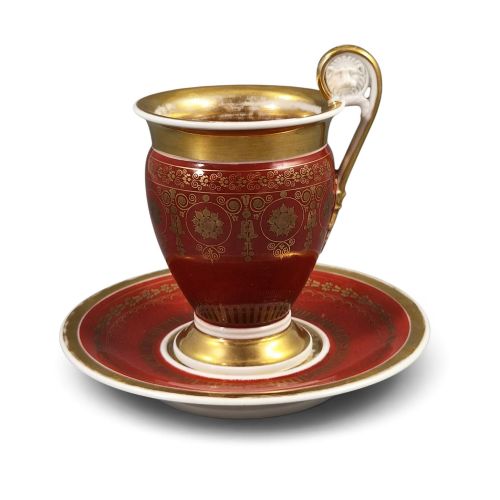
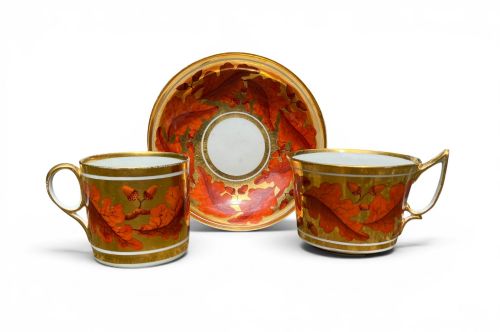
These gold gilded teacup examples bring Regency, Victorian and Edwardian porcelain elegance straight to the table.
Gold Gilded Teacup
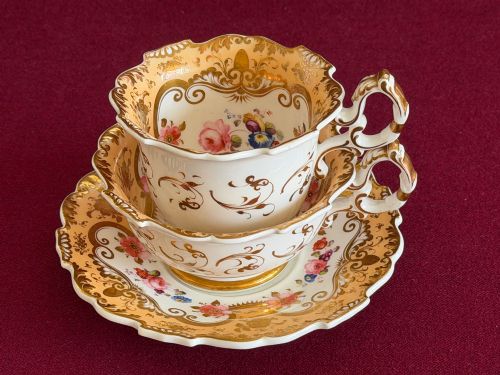
A gold gilded teacup spans rich decorative traditions from Georgian neodevelopments through to early twentieth century productions. Buyers seek these forms for their intricate painted surfaces and lustrous metallic embellishments.
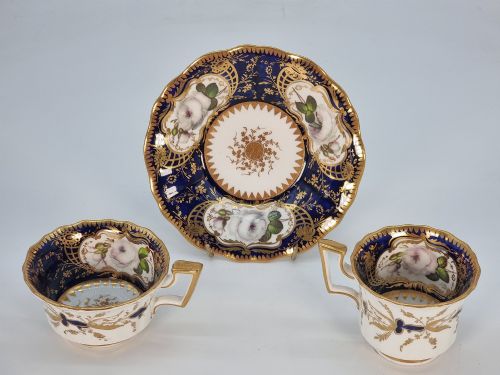
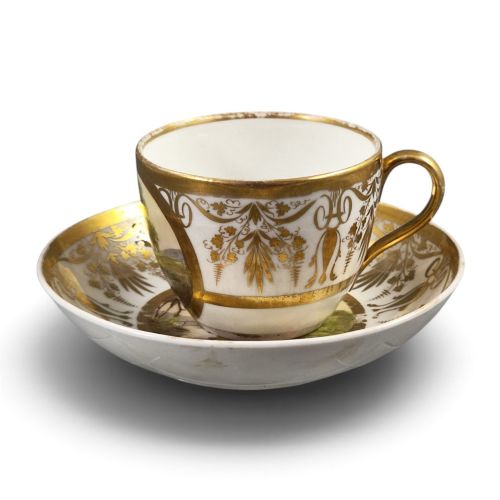
The pieces appearing on this page encompass cabinet cups and saucers, complete trios, tea bowls, and full service sets. Originating from English potteries like Worcester and Coalport alongside continental factories such as KPM Berlin and Vieux Paris, these vessels demonstrate remarkable ceramic artistry.
Most items combine functional tea wares with display-only cabinet pieces intended to showcase status and skill. The styles range from Biedermeier and Empire aesthetics to elaborate Rococo Revival flourishes.
Materials and construction
Makers utilised hard-paste porcelain, bone china, and standard porcelain bodies as the structural foundation for each vessel. These ceramic bases were shaped into delicate tea bowls, handled cabinet cups, and pedestals before firing.
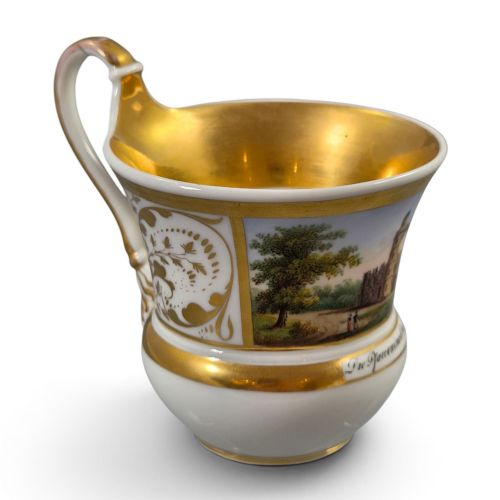
Artisans applied gold leaf, gilding, and gold gilt by hand, often pairing metallic highlights with intricate enamel painting. Selected pieces incorporate hand-painted topographical landscapes, armorial motifs, and floral scenes alongside moulded elements like lion mask handles.
Some cups feature ferocious lion mask handles, ensuring your morning brew comes with an unexpected guardian.
Judging the range
Quality separates through the precision of the hand-painted brushwork and the thickness and retention of the gold gilding. Superior examples display crisp topographical details or armorial crests executed by skilled hands.
The elegance of the porcelain body and the complexity of moulded details, such as lion mask handles or pedestal bases, dictate the upper tier of the range. Simpler utilitarian cups sit apart from elaborately decorated cabinet pieces intended solely for display.
A H & R Daniel·Coalport John Rose·KPM Berlin·Derby·Kusnetzoff·Royal Worcester·Duesbury and Kean·Barr Flight and Barr·Spode·Hutschenreuther·Hirsch Dresden·Taniguchi
The Gold Gilded Teacup Glossary
- Cabinet cup
- A decorative ceramic vessel designed primarily for display in a cabinet rather than for daily tea drinking. These pieces often feature elaborate hand-painted scenes and heavy gilding.
- Trio
- A matching set consisting of a teacup, a saucer, and a corresponding side or tea plate. They frequently appear in Regency and nineteenth-century porcelain collections.
- Hard-paste porcelain
- A durable ceramic composition fired at high temperatures using kaolin and petuntse. It provides a bright white, vitrified body ideal for detailed enamel painting.
- Gold gilt
- A thin layer of gold applied to the ceramic surface to ornament handles, rims, and borders. The application method and metal purity influence its lasting brilliance.
- Tea bowl
- A handleless drinking vessel derived from Asian porcelain forms. Early European tea sets frequently include these alongside matching saucers.
Gold Gilded Teacup: Frequently Asked Questions
What is a gold gilded teacup used for?
These vessels were created for drinking tea or coffee during formal social gatherings in past centuries. Many surviving examples functioned as decorative cabinet cups meant solely for visual display.
Today, collectors use them to complete antique tea service displays or enjoy occasional table service with careful hand washing.
How do I identify the period of my cup?
Dating relies on identifying factory marks, ceramic body types, and distinct decorative styles such as Regency, Empire, or Edwardian. Examining the handle shape and gilding style provides further clues to the era of manufacture.
Comparing pieces to documented factory timelines from makers like Worcester or KPM Berlin confirms exact decades.
Are these cups safe for daily use?
Most antique porcelain requires gentle hand washing without harsh detergents to preserve delicate enamel and gold leaf. Regular use is possible for robust pieces, though fragile cabinet cups are best kept on display.
Thermal shock from boiling water should be avoided to protect aged ceramic bodies.