
Regency Gilded Porcelain
Regency gilded porcelain brings together brilliant hand-painted scenes and rich gold leaf across teacups, vases, and cabinet plates from the early nineteenth century.
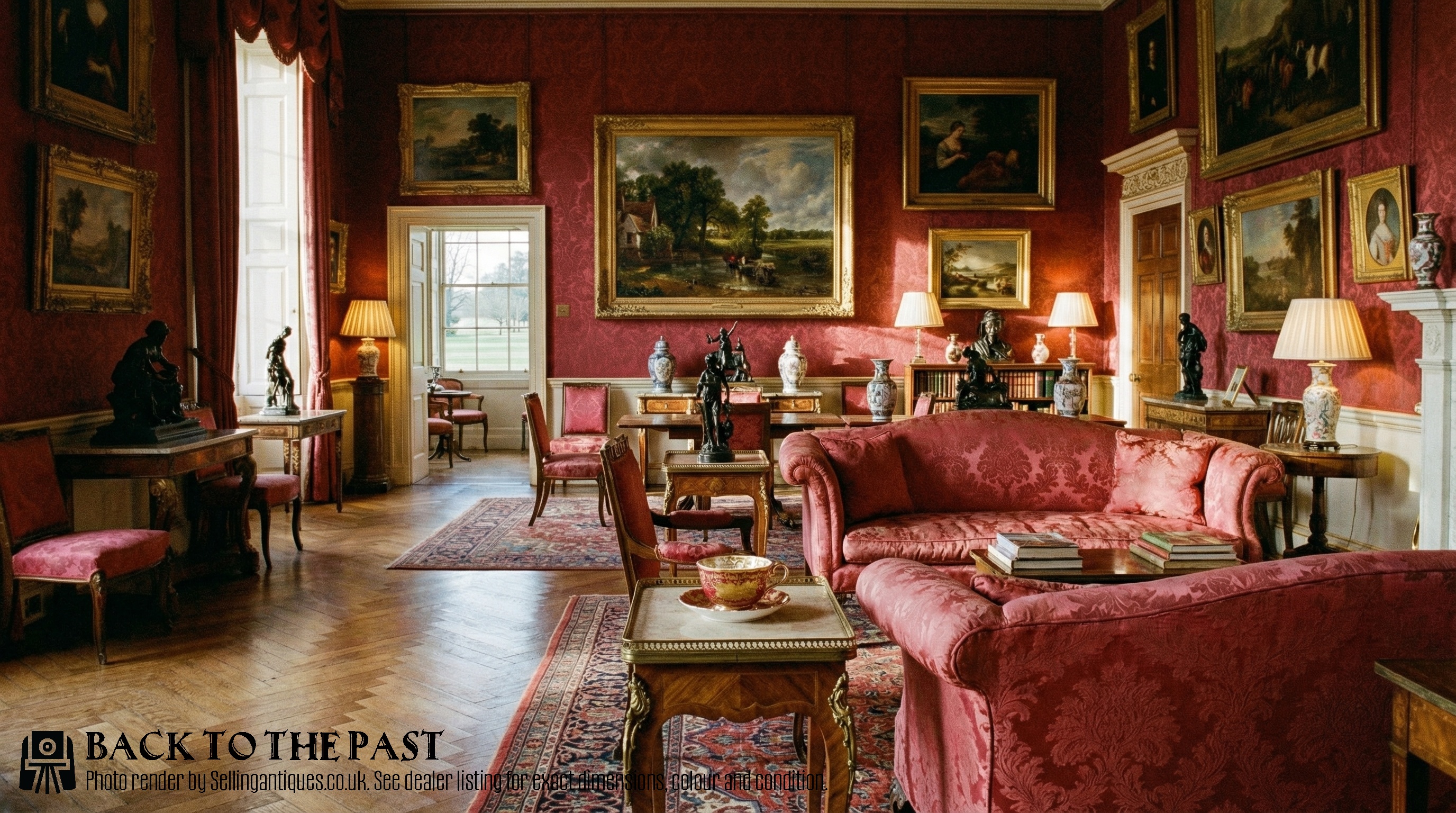
Regency Gilded Porcelain
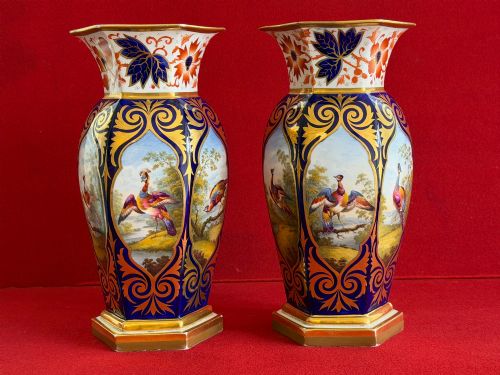
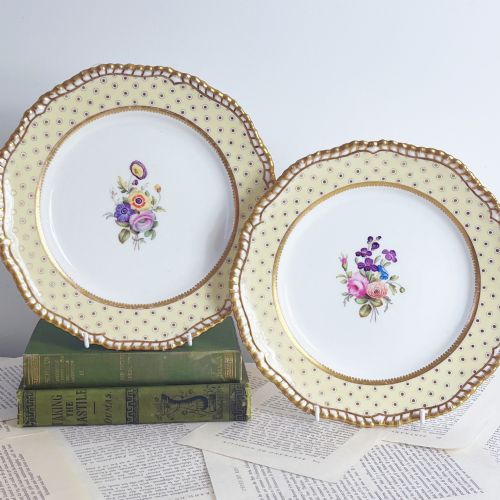
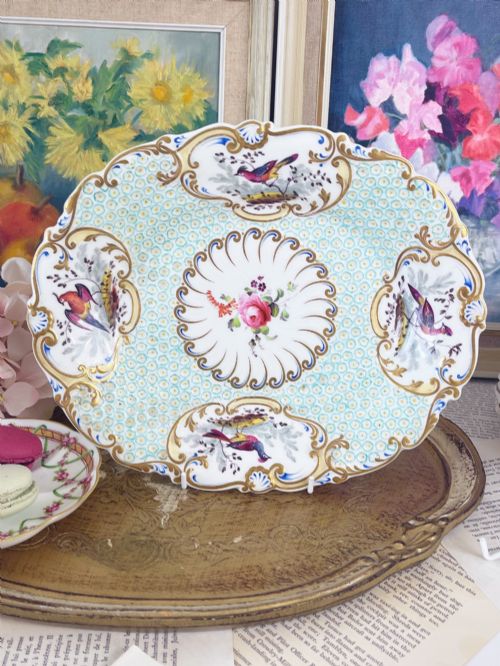
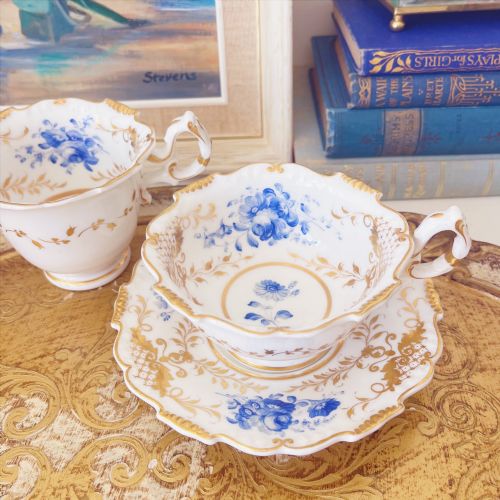
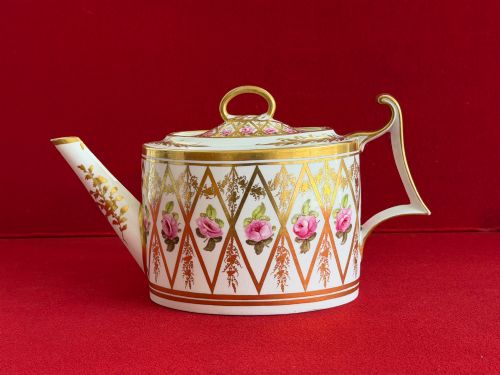
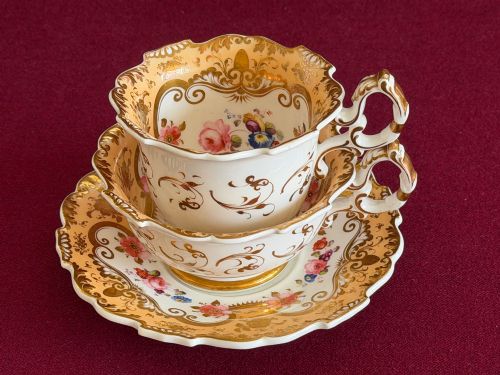
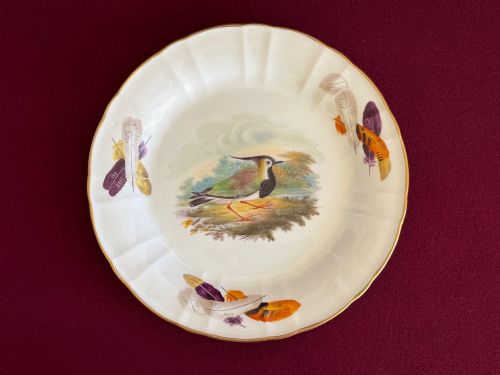
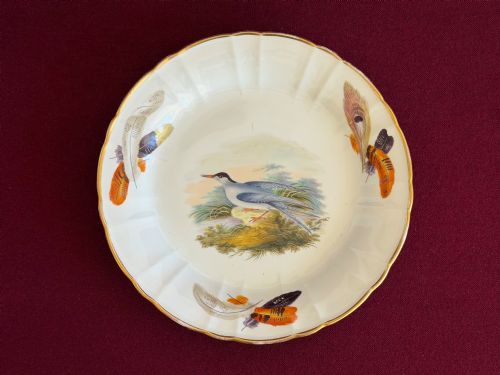
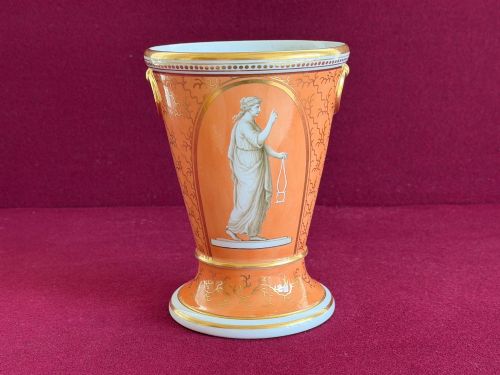
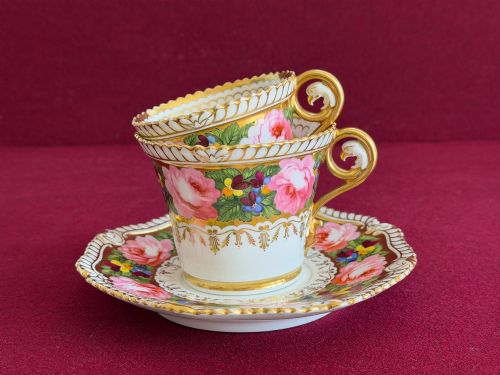
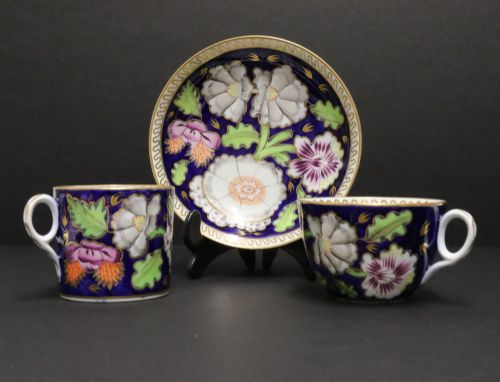
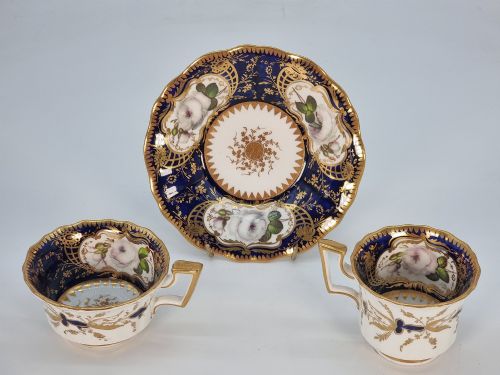
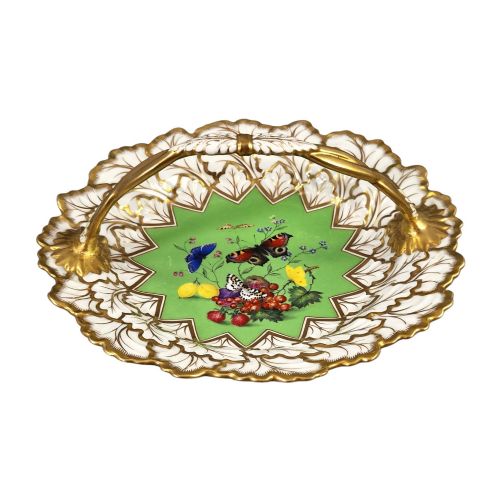
When you search for regency gilded porcelain, you enter the refined world of early nineteenth-century ceramic art produced during the Georgian and Regency periods. The items on this page primarily consist of functional and decorative pieces such as teacups and saucers, cabinet plates, jardinieres, and vases.
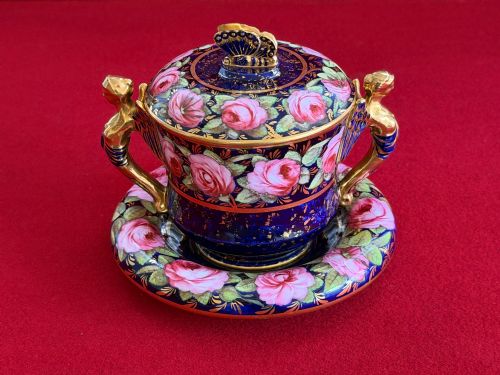
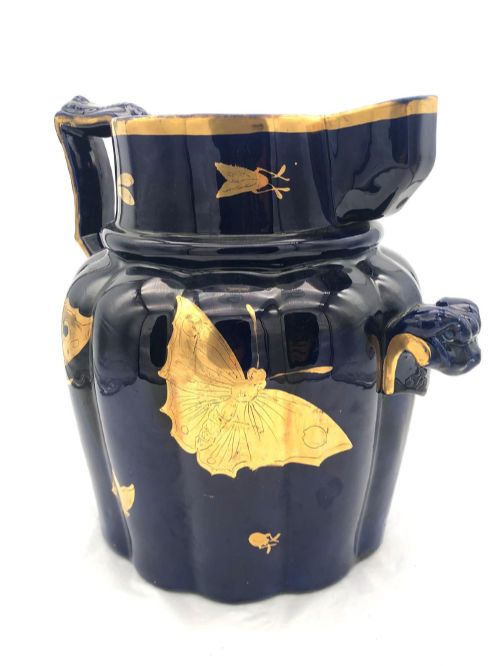
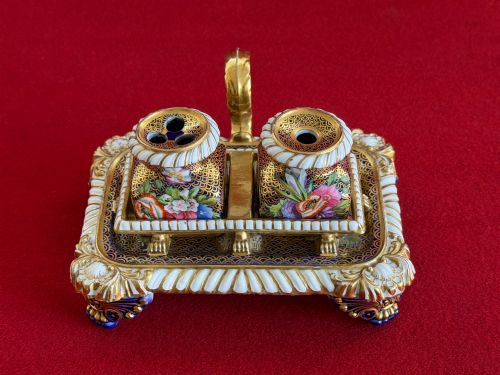
Makers from this era utilised fine bone china, ironstone, and standard porcelain bodies to create vessels that served both social rituals and visual display. Forms range from utilitarian chambersticks and inkstands to grand ice pails and twin-handled urns, often styled with neoclassical motifs or Chinoiserie details.
You are most likely to encounter English factories like Worcester, Spode, Derby, and Coalport on this page, reflecting the dominant ceramic centres of the time. These objects demonstrate the technical progression of porcelain manufacturing as kilns mastered higher firing temperatures and more consistent glazes.
Materials and Techniques
The foundation of these pieces relies on carefully prepared porcelain, bone china, or ironstone bodies shaped by hand or moulded to achieve precise forms. Artisans then applied enamel pigments for handpainted landscapes, botanical subjects, and fancy birds before the primary firing.
Gilding forms the defining characteristic of these works, applied using gold leaf or liquid gold preparations across rims, handles, and borders. Subsequent low-temperature firings fused the metallic decoration securely to the glaze, creating the bright contrast characteristic of the period.
Listings span the nineteenth century, capturing Georgian, Regency, and early Victorian production across bone china, ironstone, and standard porcelain.
Evaluating Quality and Execution
Quality in these ceramics rests heavily upon the precision and execution of the handpainted details, particularly in complex floral motifs or topographical scenes. Superior pieces exhibit confident brushwork and well-composed vignettes rather than rigid, stencilled repetition.
The application of the gold leaf also dictates the tier of the piece, with heavier, burnished gilding indicating higher craftsmanship. Additionally, the crispness of the moulding on forms like urns and jardinieres separates standard production items from elite cabinet pieces.
Flight Barr and Barr·Spode·H and R Daniel·Derby Porcelain·Chamberlains Worcester·Wedgwood·Coalport·New Hall·Minton·Rockingham·Hicks and Meigh·Masons Ironstone
The Regency Gilded Porcelain Glossary
- Bone china
- A type of porcelain incorporating bone ash, developed to provide a whiter and stronger body. It allowed manufacturers to produce thinner, more translucent vessel walls.
- Gilding
- The application of gold leaf or gold powder to ceramic surfaces for decorative effect. It is typically fired at a lower temperature to bond securely with the glaze.
- Ironstone
- A heavy, durable type of earthenware patented in the nineteenth century to imitate Chinese porcelain. It frequently appears in large serving dishes, mugs, and jugs.
- Jardiniere
- An ornamental pot or stand designed to hold growing plants or flowers. In this period, they often featured rich gilding and painted landscapes.
- Trio
- A matched set consisting of a teacup, a coffee cup, and a saucer. They were popular components of tea and coffee services during the Regency era.
Regency Gilded Porcelain: Frequently Asked Questions
What is the difference between a teacup and a coffee can?
Teacups from this period are typically wider and shallower, often accompanied by a matching saucer designed for sipping tea during social calls.
Coffee cans are taller, straight-sided cylindrical vessels intended to hold dark, strong coffee without handles or with simple loop handles.
How do I care for regency gilded porcelain?
These antique ceramics require gentle hand washing in lukewarm water with mild soap to protect the fragile enamel colours and delicate gold leaf.
Avoid dishwashers, harsh scrubbing tools, and soaking, as chemical detergents and prolonged moisture will degrade the nineteenth-century gilding.
Were these pieces used daily or displayed?
Many items, such as tea trios and mugs, saw active service in middle and upper-class households during formal morning and evening gatherings.
Cabinet plates, topographical cups, and large decorative urns were primarily created for display in drawing rooms to signal taste and wealth.
How can I tell the Regency period from later Victorian work?
Regency and Georgian ceramics often lean towards neoclassical restraint, handpainted botanical studies, and specific enamel palettes associated with early factories like Worcester and Derby.
Later nineteenth-century pieces frequently adopt heavier, busier transfer-printed patterns and denser gilding styles as industrial production methods expanded.