



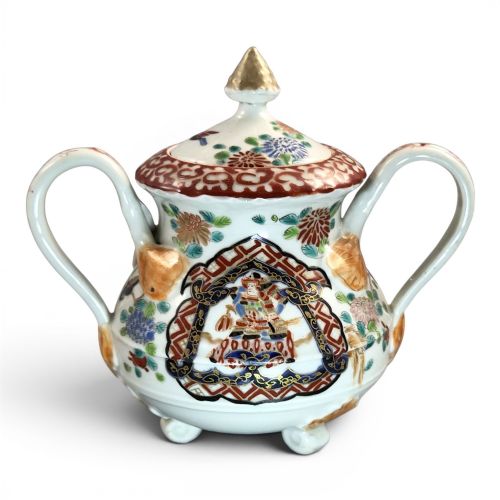
19th Century Imari Porcelain
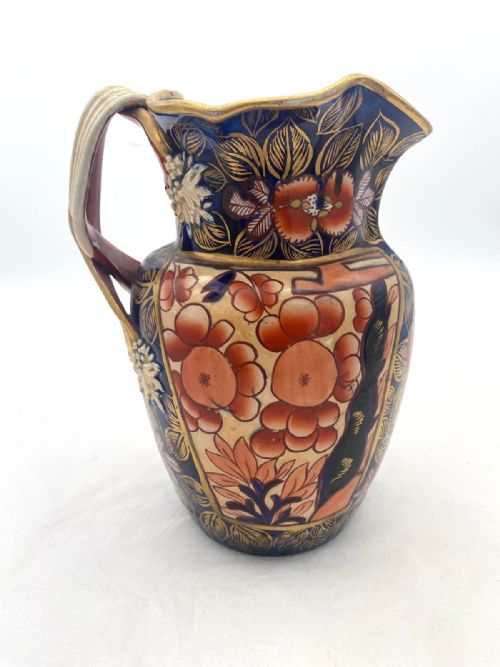
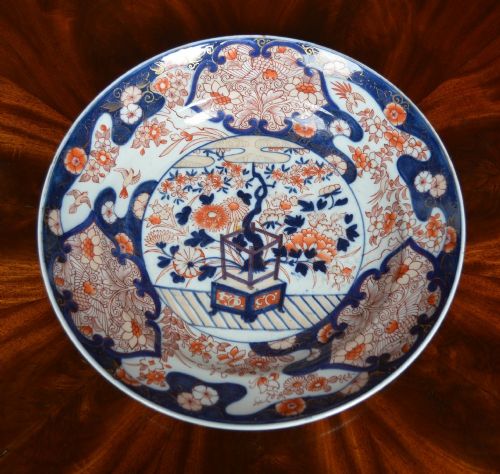
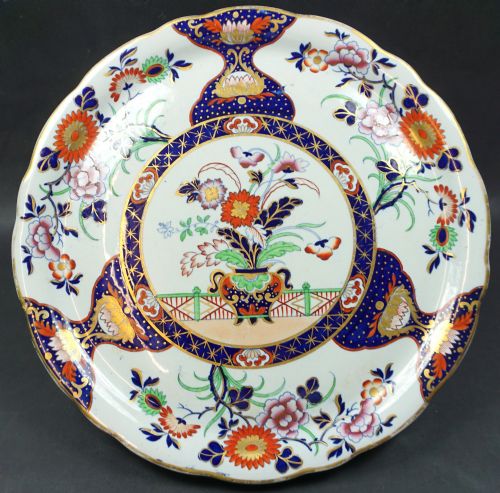
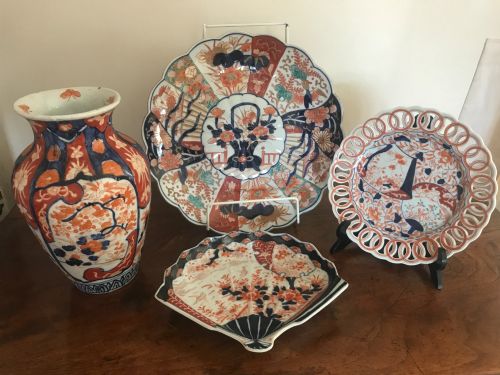
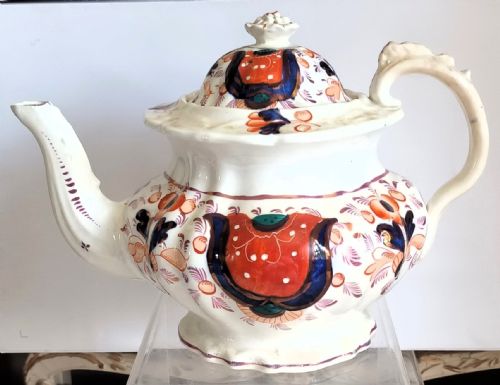
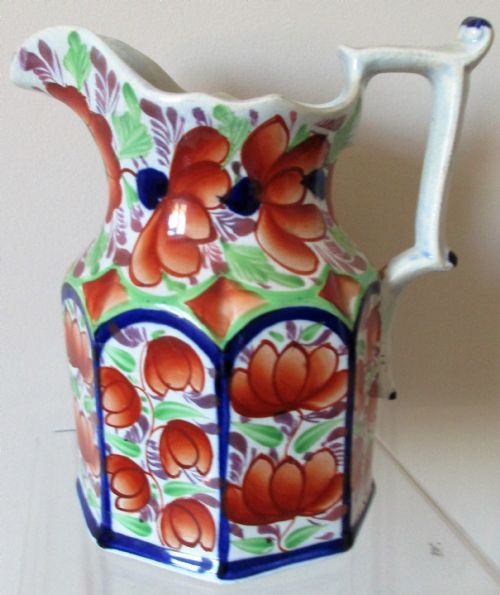
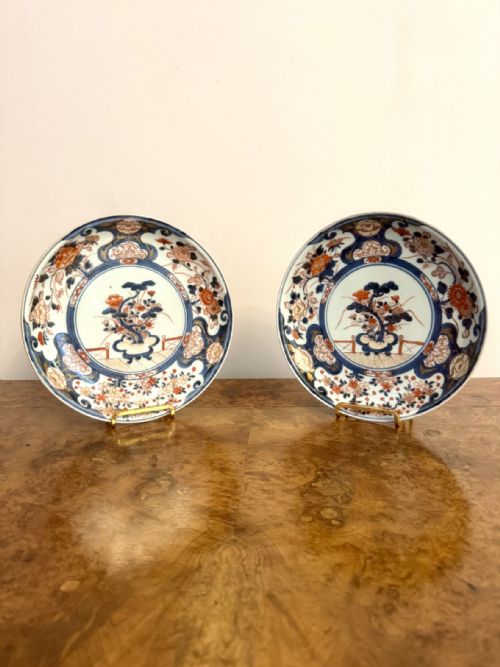
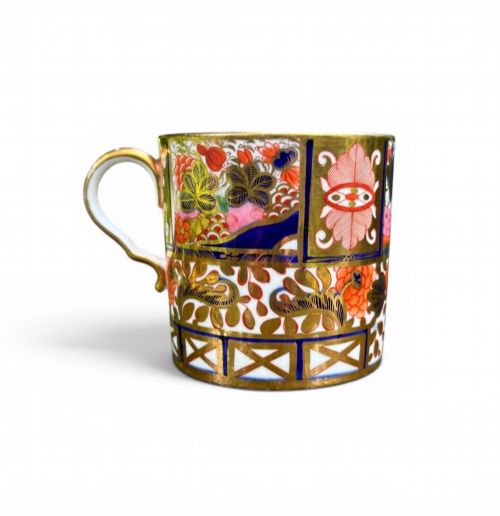
Nineteenth century imari porcelain brings together rich cobalt blue and vibrant iron red with gilded highlights on heavy white body forms.
What 19th century imari porcelain is
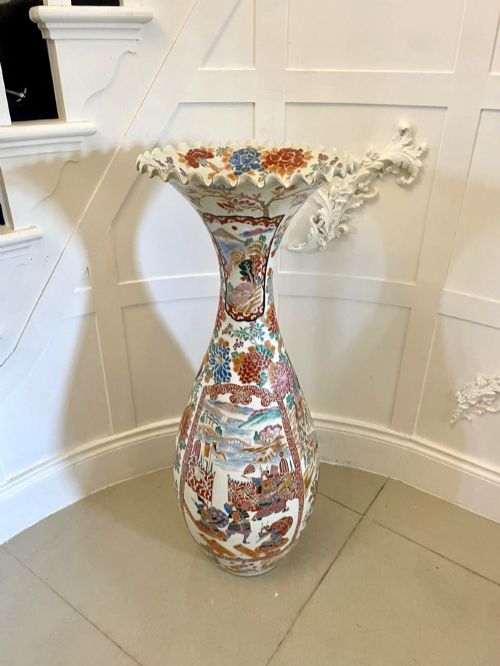
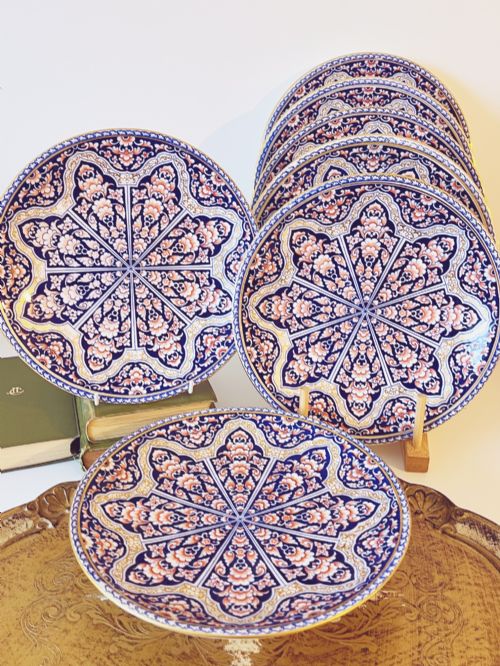
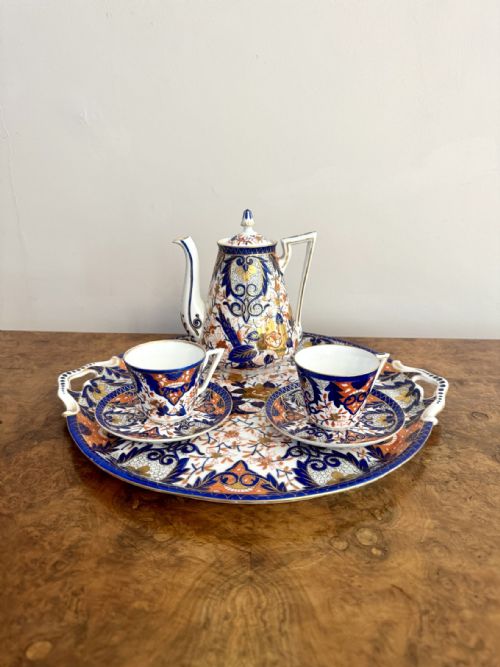
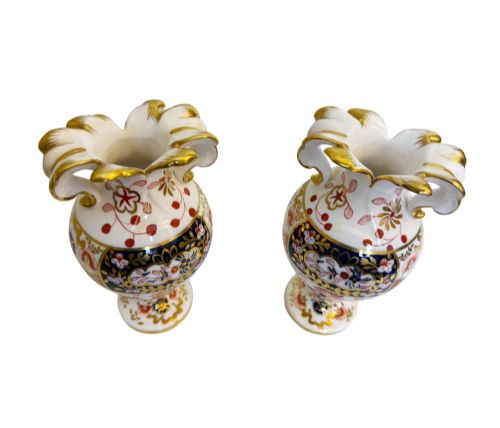
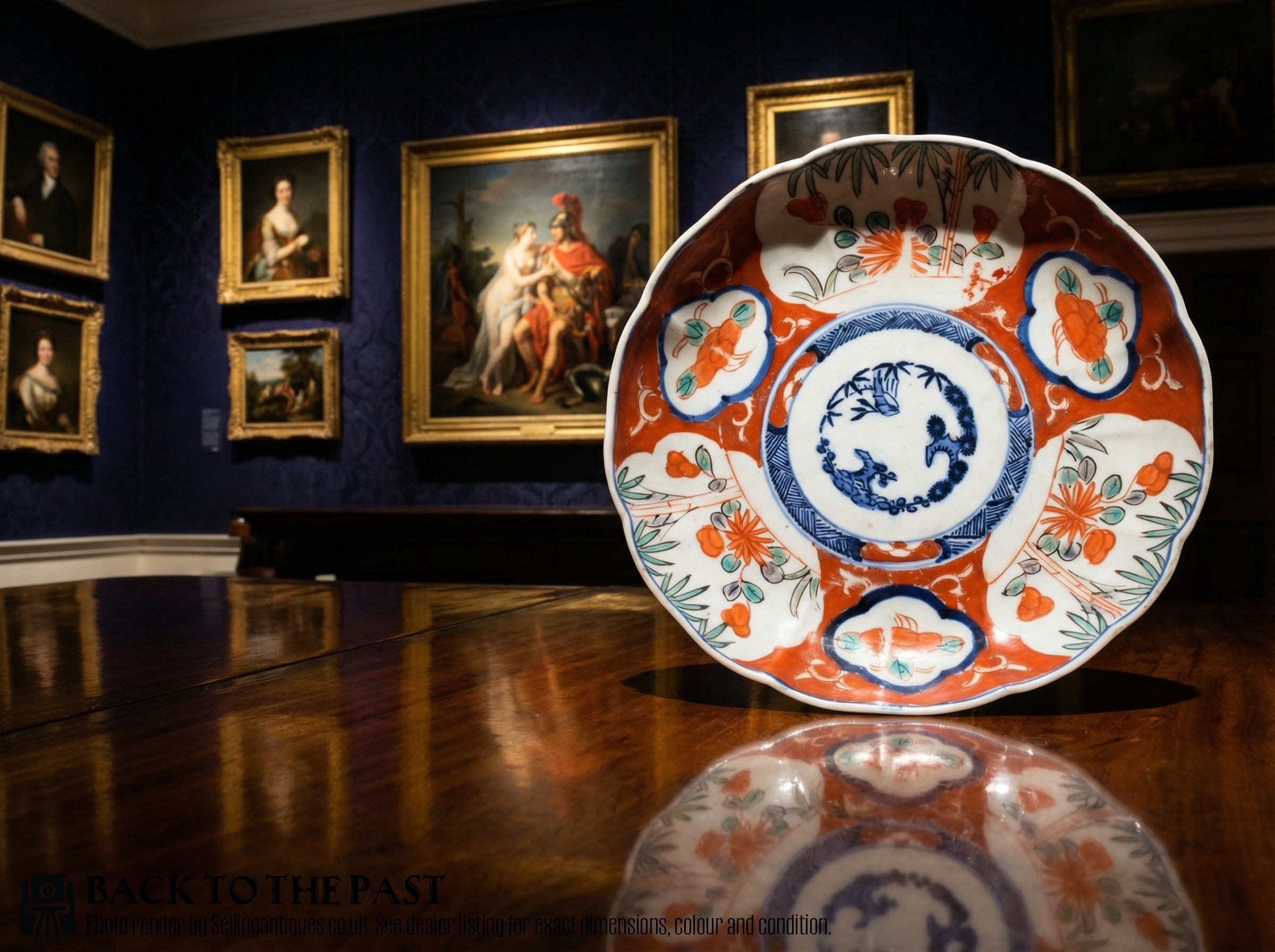
Nineteenth century imari porcelain encompasses decorative plates, chargers, ginger jars, lidded vases, urns, jardinieres, bowls, and table lamps from the period. These items bridge traditional Japanese aesthetics and the Victorian export market.
Buyers encountering this search phrase will most frequently find chargers, plates, and large covered jars dated around eighteen eighty or the wider Meiji period. Both Japanese export wares and pieces produced in the wider East Asian tradition appear across the inventory.
How they were made
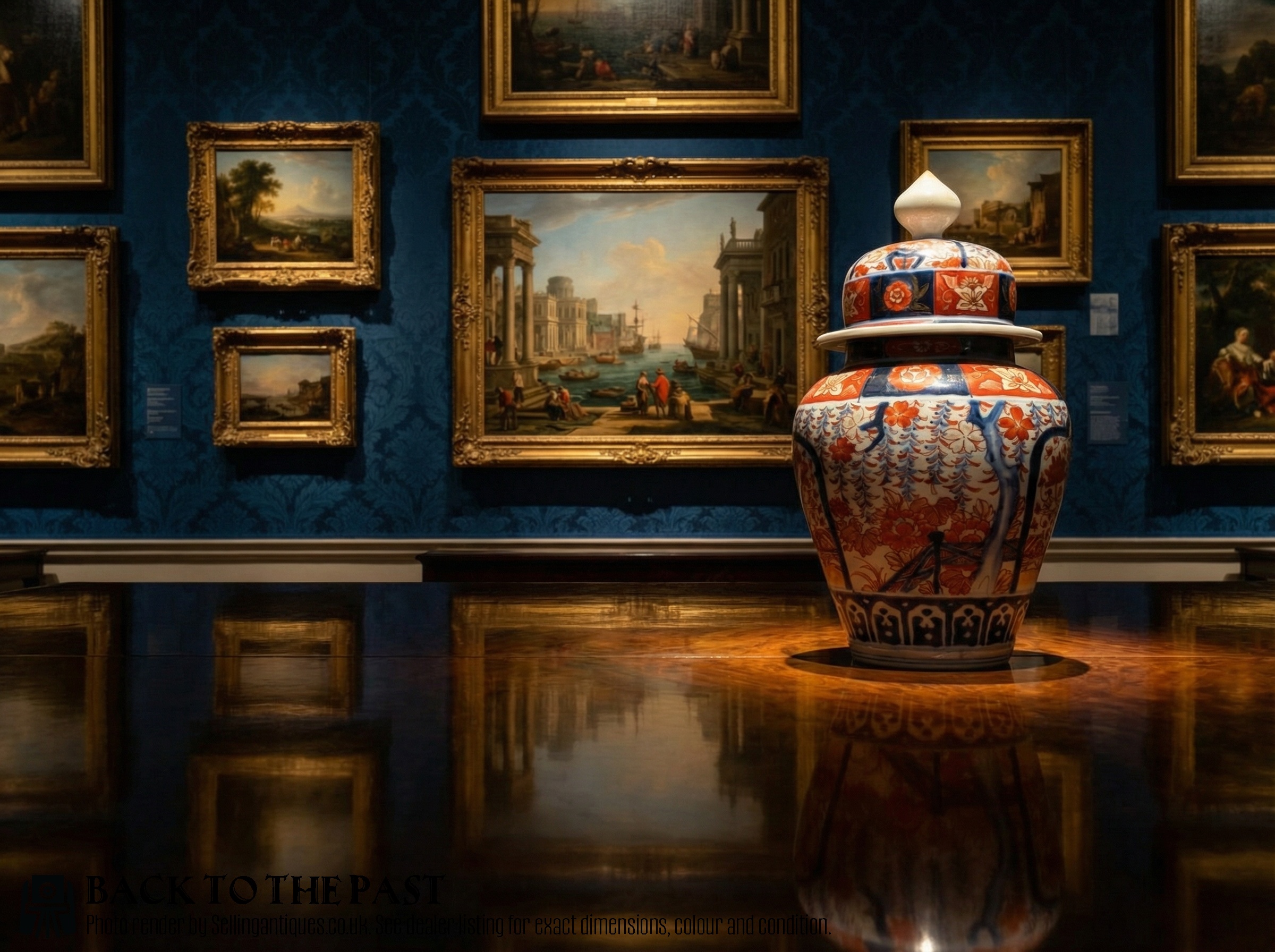
Pieces are formed from hard paste porcelain shaped into vessels, plates, and animal models before receiving an initial cobalt blue underglaze. Glaze is applied to seal the body prior to high temperature firing.
Following the primary kiln firing, artisans add detailed iron red enamel and gold leaf accents across the surface. A secondary firing fuses these delicate overglaze colours to the hardened glaze.
Retail Price Guide 2026
Typical UK retail prices for 19th century imari porcelain, calculated from the Sellingantiques database of over a million retail prices indexed since 2003. This retail price guide relies exclusively on Sellingantiques data; no external sources or auction records are used, so the figures do not describe the wider market.
Listings feature porcelain, enamel, gold leaf, and glaze applied to forms ranging from plates to jardinieres.
What varies in quality
Quality rests in the precision of the hand painted underglaze blue and the crispness of the overglaze red and gold leaf details. Superior examples display dense, well balanced composition without blurring across the enamel lines.
The weight, throwing consistency, and clarity of the white porcelain body separate standard export output from more ambitious large scale vases, jardinieres, and sculptural animal models.
The 19th Century Imari Porcelain Glossary
- Imari
- A distinct style of Japanese porcelain featuring a palette dominated by cobalt blue, iron red, and gold leaf. It originated in Arita and shipped through the port of Imari.
- Meiji Period
- The era in Japanese history spanning from eighteen sixty eight to nineteen twelve. Pieces from this time often show confident scale and intricate decorative schemes.
- Ginger Jar
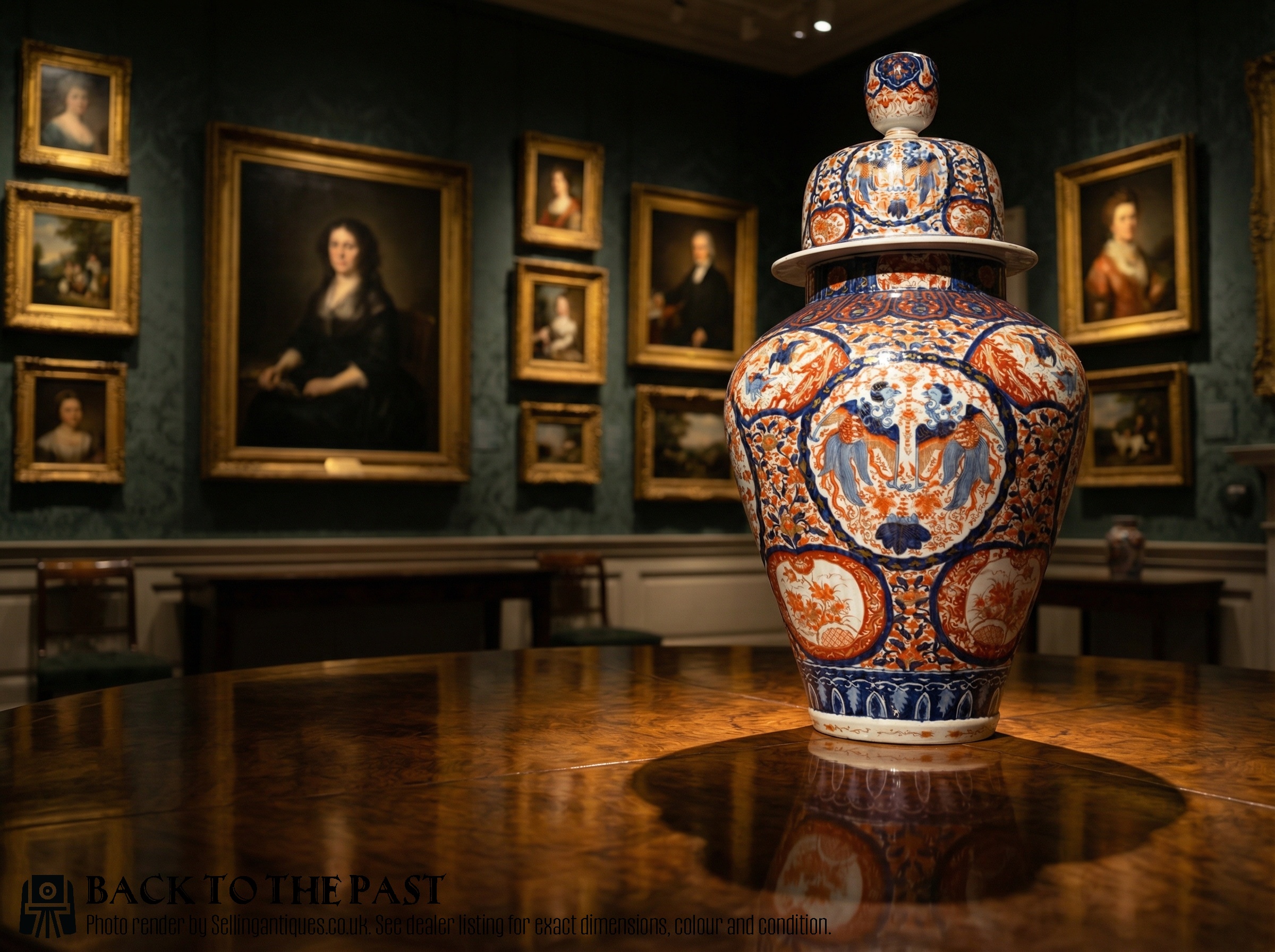
- A high shouldered storage jar with a fitted lid, originally designed for spices. Nineteenth century examples frequently feature domed covers and rich panel designs.
- Charger
- A large decorative plate intended for display on tables, walls, or dedicated stands rather than everyday dining use. They provide an expansive surface for complex polychrome patterns.
- Enamel
- A glassy coloured substance applied over the fired glaze and fixed with a subsequent low temperature heating. It provides the characteristic bright iron red tones found on these wares.
Frequently Asked Questions
What is imari porcelain?
Imari porcelain is a traditional ceramic style defined by its distinctive tripartite palette of underglaze blue, iron red enamel, and gold leaf highlights. The tradition dates back centuries in Japan and found massive popularity in Europe during the nineteenth century.
Items range from everyday tableware plates to massive palace vases and sculptural animal models designed specifically for Western export markets.
How do I date nineteenth century pieces?
Dating relies on stylistic shifts, potting characteristics, and specific historical markers such as the Meiji period or circa eighteen eighty benchmarks found in archival records. Earlier pieces often display softer cobalt tones while later Meiji wares lean towards busier, highly saturated compositions.
Examining the foot ring, glaze pooling, and the wear on overglaze gold leaf helps confirm the nineteenth century origin of individual items.
Were these pieces made for export?
The vast majority of nineteenth century imari porcelain seen today was produced explicitly for export to European and American homes. Western tastes favoured large decorative chargers, lidded ginger jars, and imposing vases for prominent display in Victorian interiors.
Export pieces successfully combined traditional Japanese potting techniques with decorative forms that appealed directly to foreign buyers.
How should I clean imari porcelain?
Cleaning requires gentle dusting with a soft, dry cloth to prevent accumulation in recessed decorative areas. Avoid harsh chemical cleaners or abrasive scouring pads which can permanently scratch the delicate overglaze gold leaf and red enamel.
If washing is necessary, use lukewarm water and mild soap, ensuring the piece is dried thoroughly immediately afterwards.
Can these items be used daily?
Most nineteenth century decorative plates, chargers, and large vases are best reserved for display rather than active dining use. The overglaze gold leaf and iron red enamel can wear down with frequent washing and cutlery contact.
Table lamps and decorative bowls can safely serve functional roles in a modern home provided they are handled with appropriate care.