


18th Century Tea Stand
An 18th century tea stand provides a sturdy, elevated surface for holding a heavy silver kettle or delicate porcelain.
18th Century Tea Stand
When searching for an 18th century tea stand, buyers encounter a variety of tripod tables, urn stands, kettlestands, and small occasional tables designed to serve tea. These pieces date principally from the Georgian, George II, and George III periods, though some Edwardian interpretations and 19th-century examples also appear.
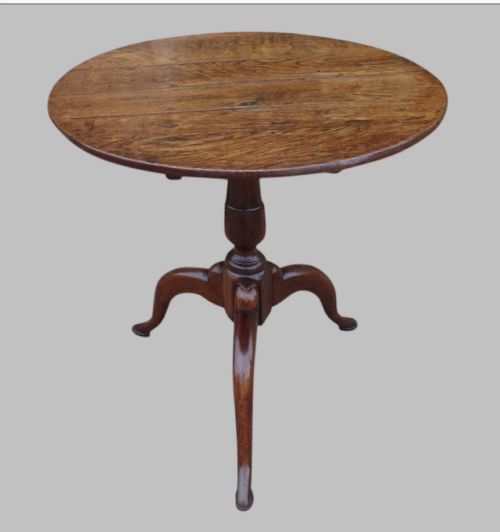
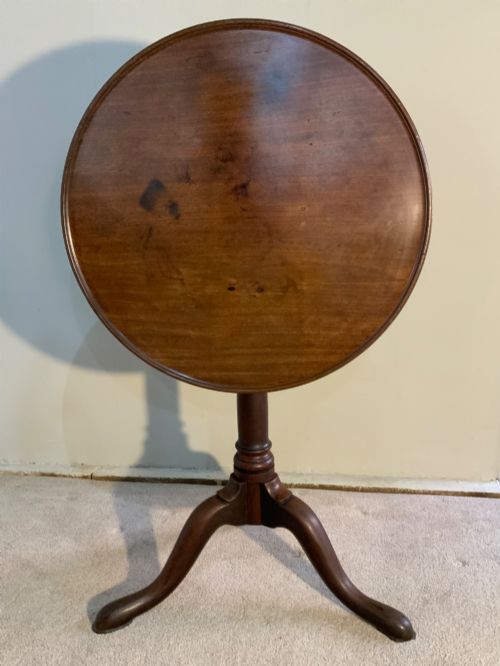
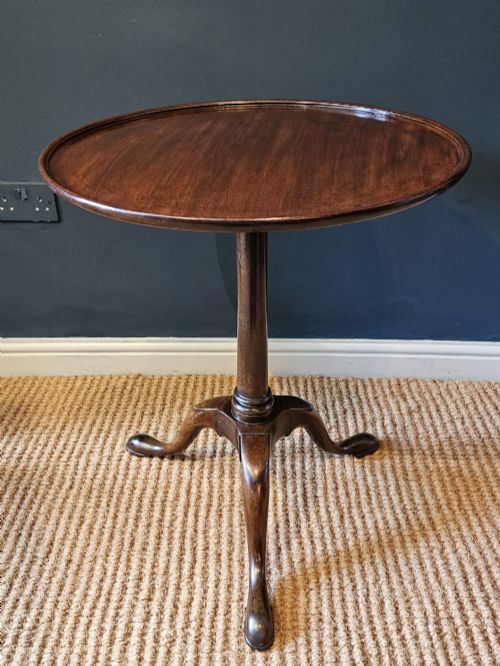
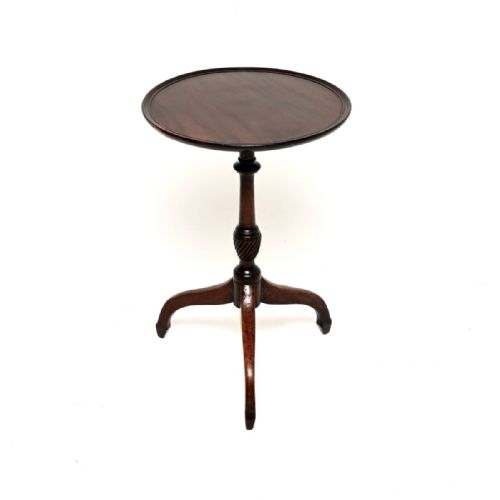
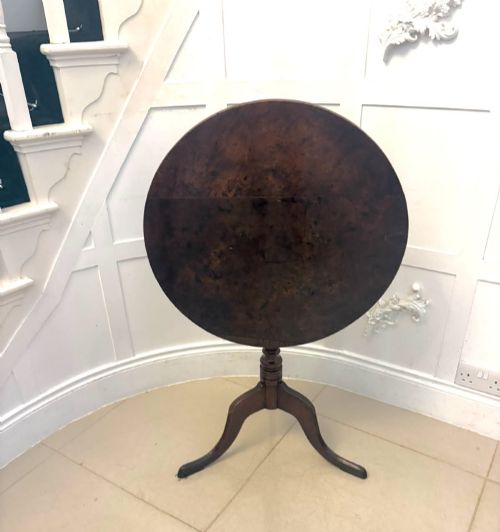
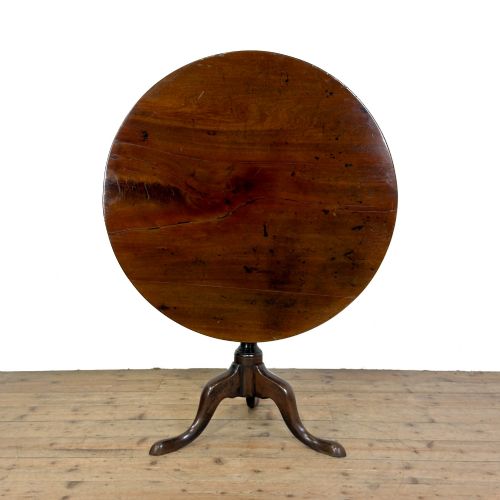
The form commonly takes the shape of a circular, oval, or octagonal top supported on a central pillar with three legs, frequently featuring a tilt-top mechanism or birdcage movement. Materials span native timbers like oak, elm, and fruitwood alongside imported hardwoods such as mahogany and red walnut, sometimes accompanied by sterling silver or copper.
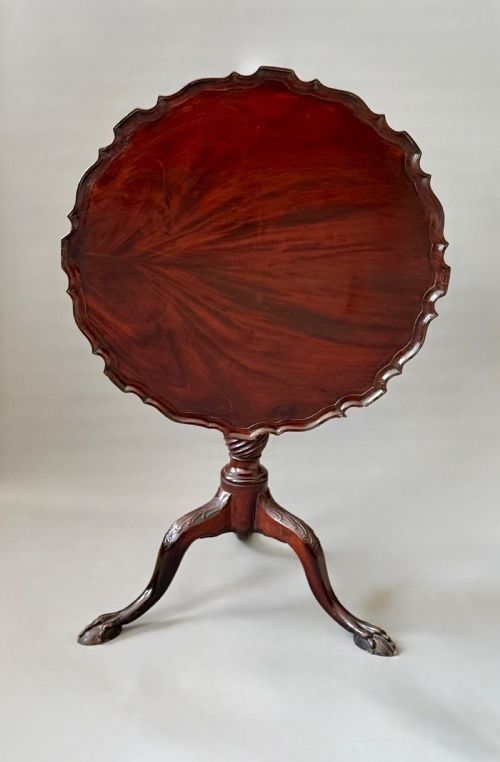
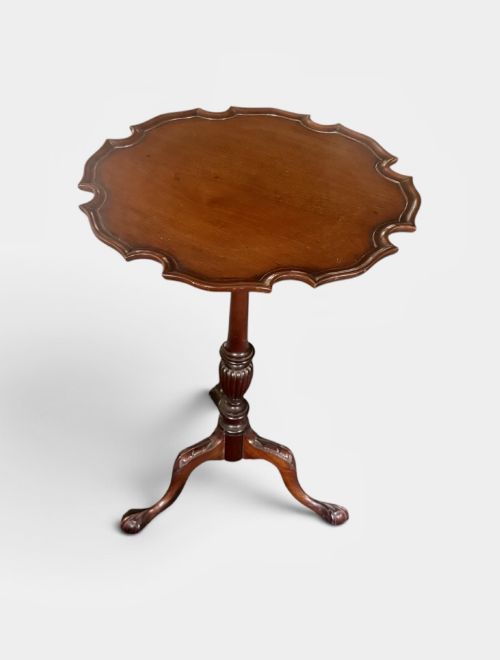
Vernacular country pieces sit alongside sophisticated Chippendale and Sheraton designs, offering options ranging from simple utilitarian oak tables to carved mahogany urn stands with pie crust rims.
How they were made
Cabinetmakers constructed these stands using dense hardwoods like mahogany, red walnut, and burr oak, as well as robust regional timbers such as oak, elm, beech, and fruitwood. Tops were frequently turned from a single solid timber board or constructed with a tilt mechanism allowing the surface to fold flat when not in use.
The central pillar typically met three splayed legs via a dovetailed or tenoned joint, occasionally incorporating a birdcage mechanism of small parallel wooden frames that allowed the top to rotate as well as tilt. Edges were shaped by hand, producing pie crust rims, raised trays, or moulded profiles using specialised gouges and planes.
Listings for this phrase frequently feature mahogany, oak, and silver forms dating from the George II and George III eras.
What varies in quality
The distinction between ordinary and superior pieces rests on the choice of timber and the crispness of the hand-carved detail. Figured mahogany, burr oak, and rich red walnut display distinct grain patterns that indicate careful selection by the cabinetmaker at the bench.
Proportion and stability dictate the integrity of a tripod table, where slender cabriole legs ending in pad or claw-and-ball feet must support a heavy pivoting top without wobble. Original brass catches, uncompromised hinges, and deep, untouched patination elevate a piece beyond examples with replaced elements or stripped surfaces.
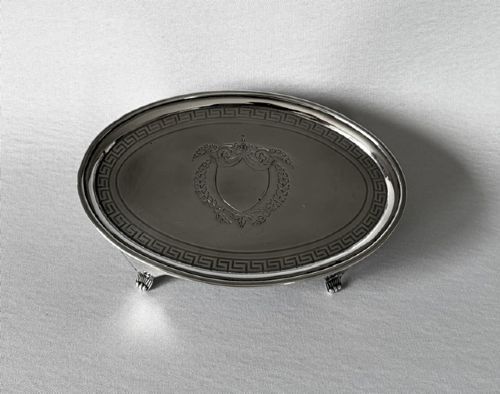
Robert Hennell I
The 18th Century Tea Stand Glossary
- Tilt top
- A table construction allowing the wooden surface to pivot into a vertical position for storage against a wall. This mechanism relies on a wooden block and catch fitted beneath the top.
- Birdcage
- A timber framework fitted between the table top and the central pillar that permits the surface to rotate horizontally as well as tilt vertically. It typically consists of two square frames connected by four small turned columns.
- Pie crust rim
- A raised, scalloped edge carved directly from the solid timber of a table top, resembling the crust of a pastry pie. This decorative feature is frequently found on Chippendale period tripod tables.
- Urn stand
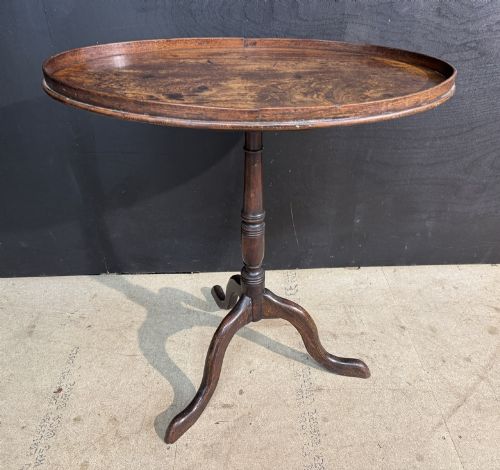
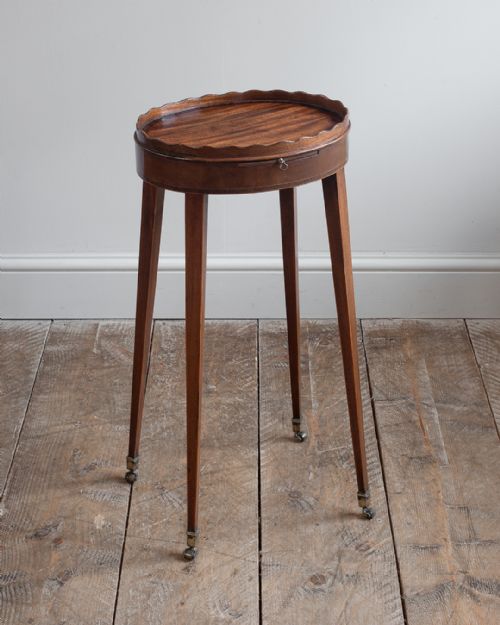
- A small, tall table designed specifically to support a hot water urn or kettle during tea service. These pieces often feature oval or octagonal tops with gallery rails to prevent sliding.
- Tripod base
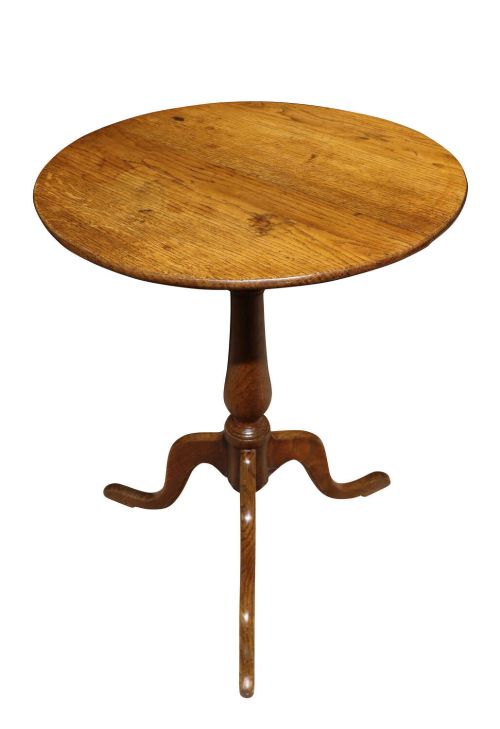
- A support structure consisting of three legs radiating from a central turned column. This design ensures the table remains stable on uneven floorboards.
18th Century Tea Stand: Frequently Asked Questions
What is an 18th century tea stand?
An 18th century tea stand is a small occasional table designed to hold a teapot, kettle, or urn during the formal serving of tea. These tables were manufactured primarily in mahogany and oak during the Georgian period.
Many examples feature a tripod base and a tilt-top mechanism, allowing the furniture to be moved easily around a parlour or drawing room.
How were tea stands used in the 18th century?
These stands served as portable surfaces placed beside seating areas to support heavy silver teapots, porcelain cups, and hot water urns. Their compact size and pivoting tops made them practical for domestic tea rituals.
When not in use, the tops could be tilted upright and placed against the wall to conserve space in the room.
What is the difference between an urn stand and a tripod table?
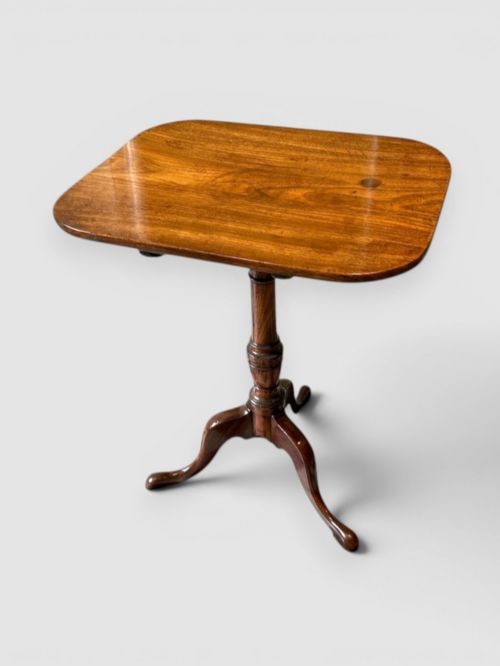
An urn stand is generally smaller and taller than a standard occasional tripod table, specifically proportioned to hold a heavy metal tea urn or kettle. Their tops are frequently shaped as squares, ovals, or octagons with raised rims.
Tripod tables usually feature larger circular tops designed for general tea service and social use in the Georgian interior.
How do I care for an antique mahogany tea stand?
Antique mahogany and oak furniture responds best to stable indoor humidity and protection from direct sunlight, which can fade timber and dry out the grain. Regular dusting with a soft, dry cloth preserves the finish.
Application of traditional beeswax helps nourish old wood without building up synthetic residues that dull the historic surface.