

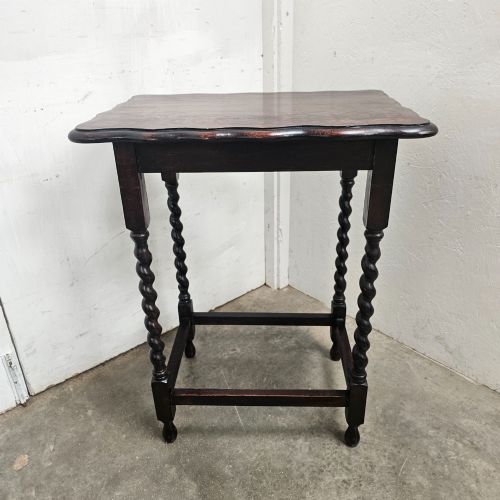
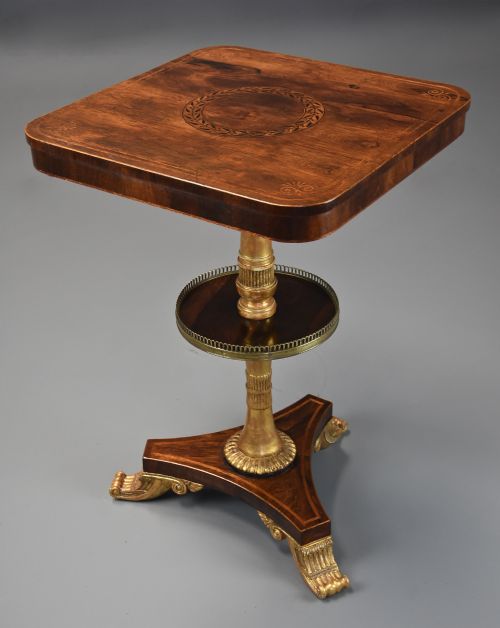


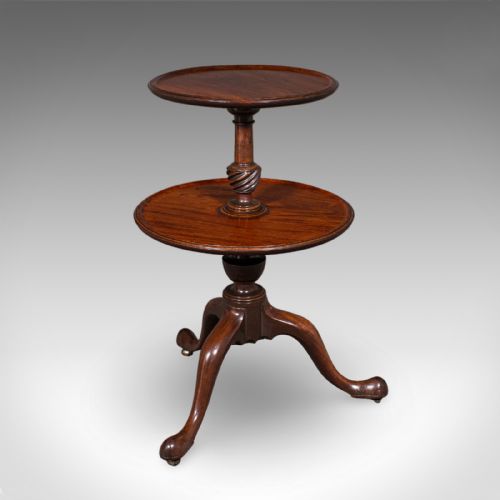

Antique English Tea Stand
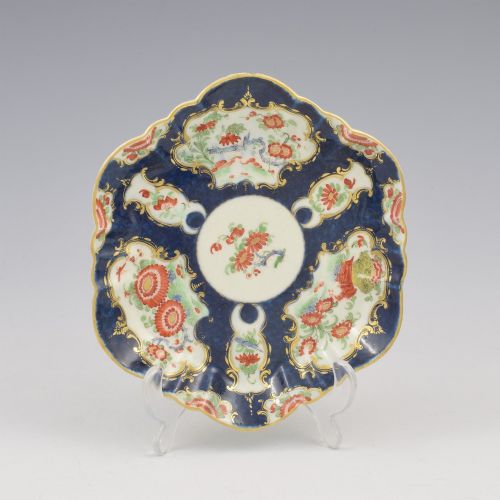
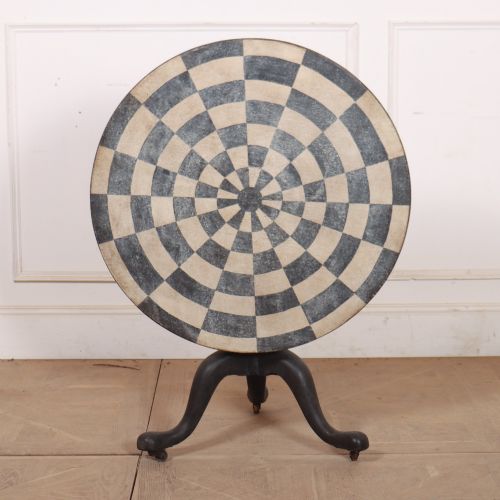
When you search for an antique english tea stand, you encounter timber tripod tables, ceramic trays, and tiered serving pieces designed to hold hot water and pots.
Antique English Tea Stand
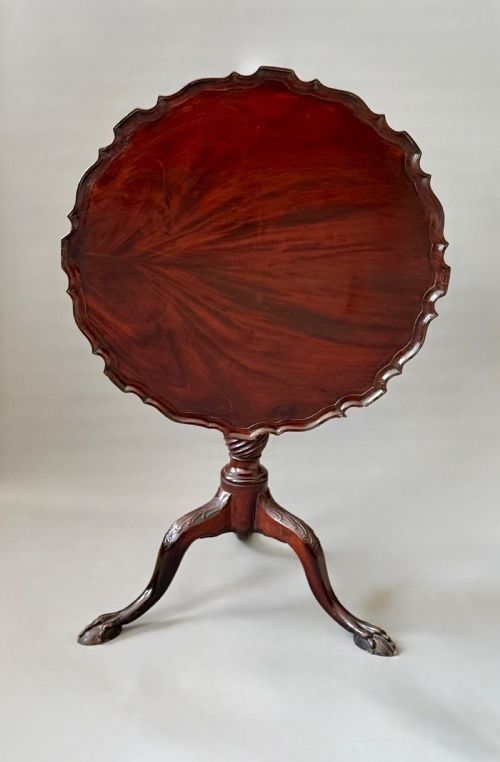
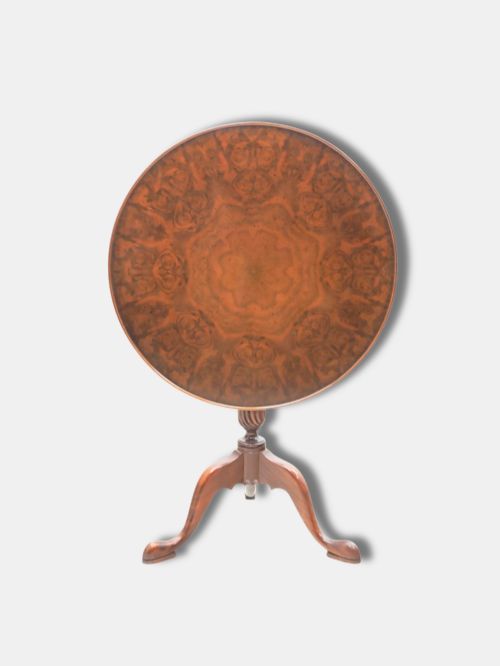
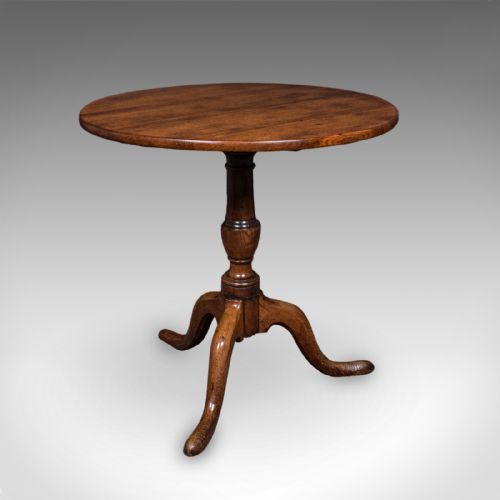
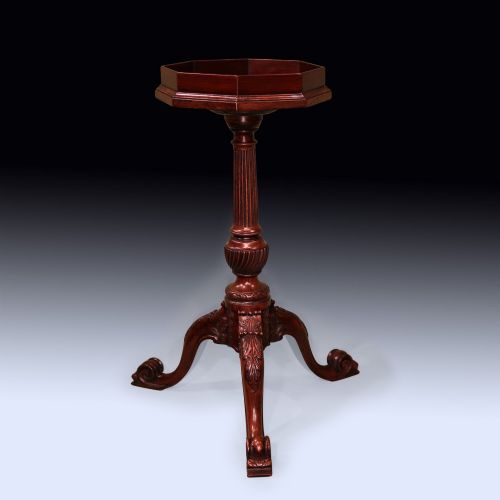
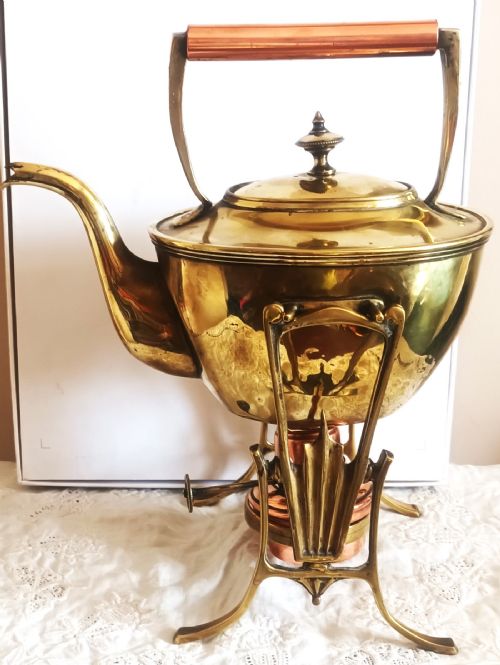
The phrase antique english tea stand encompasses a broad group of domestic furniture created to support porcelain and silver service during formal social rituals. These items range from compact tilt-top tripod tables and dedicated kettle stands to multi-tiered dumb waiters, brass spirit kettles, and fitted teapoys.
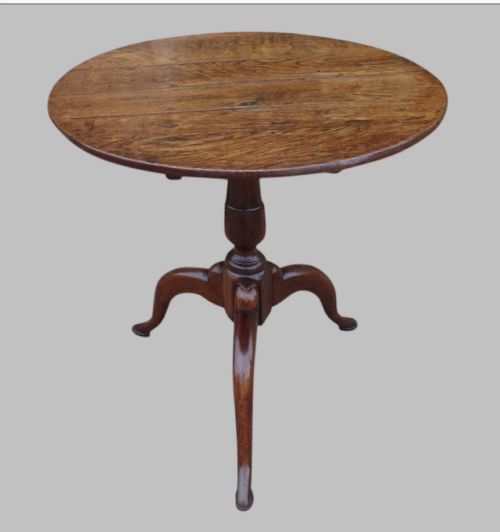
Georgian examples lean towards mahogany and oak tripod designs with pie crust or birdcage mounts, whilst Regency and Victorian pieces often introduce rosewood, walnut, and multi-tier configurations. Smaller porcelain teapot stands and brass or copper spirit kettles also appear frequently alongside standard occasional tables.
Buyers meet variations spanning the eighteenth century through to the Edwardian period, reflecting shifting domestic habits and social entertaining needs across multiple generations of English craftsmanship.
Evaluating the pieces
Quality rests in the crispness of carved details, the choice of timber figurations, and the structural integrity of joints and mechanisms. Superior examples exhibit finely shaped tripod legs, well-fitted tilt catches, and untouched original surfaces.
Simpler country pieces made from oak or fruitwood prioritize robust utility over elaborate ornamentation, whereas pieces associated with prominent workshops display refined proportions and advanced cabinet-making techniques.
Current listings feature pieces spanning the 18th century to the Edwardian era, constructed from mahogany, oak, walnut, brass, and porcelain.
William Soutter And Sons·Gillows
The Antique English Tea Stand Glossary
- Tripod table
- A small freestanding table supported by a central pillar and three legs. This form dominates early examples.
- Tilt-top
- A tabletop hinged to the central column so it can pivot vertically. This allowed convenient storage when tea service concluded.
- Teapoy
- A small box or chest mounted on a stand, originally designed to store loose tea leaves. They often include internal caddies and mixing bowls.
- Dumb waiter
- A multi-tiered freestanding serving stand used to hold dishes or tea equipment without requiring servant attendance. They appear in two or three tiers.
- Pie crust
- A carved, undulating tabletop edge resembling pastry work. This decorative feature appears on eighteenth-century tripod tables.
Antique English Tea Stand: Frequently Asked Questions
What is an antique english tea stand?
These items are domestic furnishings built to hold teapots, kettles, and service trays during tea-drinking gatherings. They include small tripod tables, multi-tiered serving pieces, and specialised boxes on stands.
Craftsmen produced them across several centuries using regional hardwoods, metals, and ceramics to suit the evolving rituals of British hospitality.
How were tripod tea stands used?
Tripod tables served as movable surfaces placed beside chairs to hold cups, pots, and kettles during afternoon gatherings. The tilt mechanism enabled servants to tuck the furniture away neatly against room perimeters.
Larger multi-tier versions held wider service items and food dishes, functioning as portable storage units during meals.
How do I distinguish eighteenth-century from Victorian pieces?
Eighteenth-century examples typically feature solid mahogany or oak with restrained carving, birdcage mechanisms, and tripod bases. Victorian pieces frequently introduce darker ebonised finishes, papier-mâché, mixed metals, and more complex tiered structures.
Examining the underlying timber, joinery methods, and hardware styles clarifies the specific period of manufacture.
What maintenance do these wooden stands require?
Wooden surfaces benefit from occasional waxing to nourish the grain and protect against environmental dryness. Direct sunlight and excessive heat sources should be avoided to prevent timber warping.
Metal components like brass and copper kettles require gentle cleaning to preserve their historic patina without stripping the surface.