


Georgian Mahogany Kettle Stand
These georgian mahogany kettle stand pieces are compact occasional tables designed to elevate hot water urns, offering refined timber work and graceful tripod bases for modern interiors.
Georgian Mahogany Kettle Stand
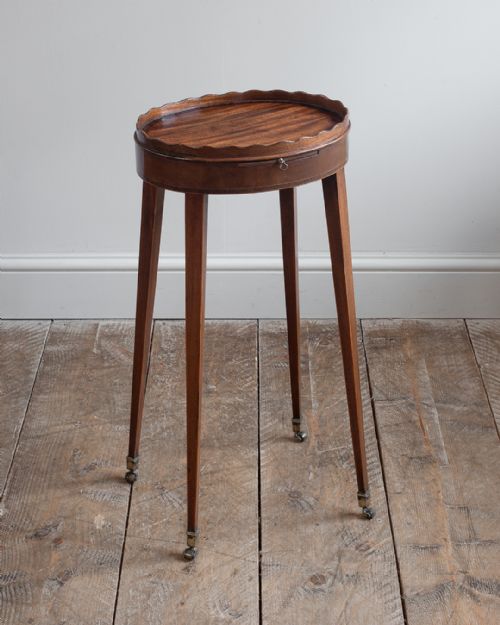
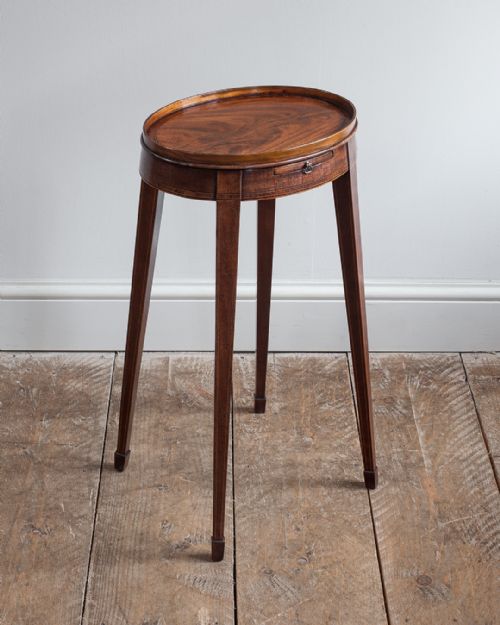
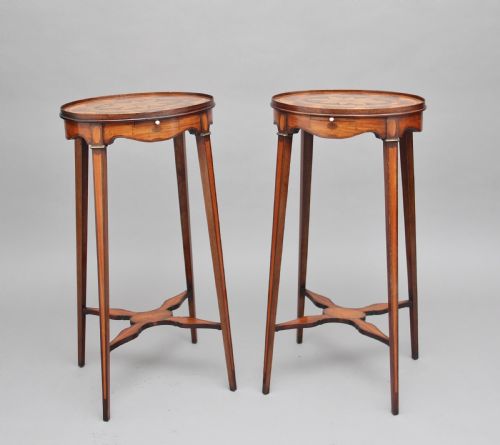
A georgian mahogany kettle stand is a small occasional table intended originally to hold a heavy kettle or urn for tea service. The pieces on this page span the eighteenth century and the later revival periods, bringing distinct historic forms into contemporary domestic spaces.
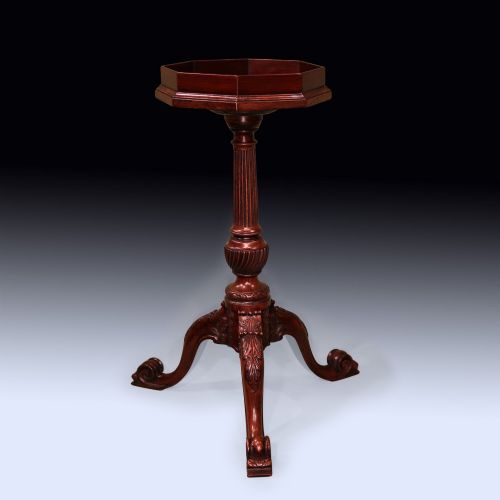
Most examples utilise compact proportions and raised dish tops or octagonal surfaces to secure heavy vessels safely. These tables function equally well today as bedside surfaces or low lamp tables beside armchairs.
How they were made
Cabinet makers constructed these tables primarily from solid mahogany, occasionally incorporating satinwood or bone inlay for subtle contrast. Tripod legs terminate in pad feet or carved details that provide stability for tall, slender proportions.
Joinery techniques focus on sturdy pillar shafts and precision turned pedestals to support concentrated weight without wobble. Finer iterations employ subtle carving along the knees or moulded edges around the dish top.
Mahogany and brass dominate the material record across these listings, alongside occasional yew wood and satinwood inlay.
What varies in quality
The distinction between standard and superior pieces lies in timber selection and the crispness of carved detail. Denser grain patterns and rich natural patination elevate an individual table above simpler utilitarian workshops.
Proportion and balance dictate the architectural success of each tripod design. Heavier turned pillars paired with refined feet demonstrate superior workshop execution.
The Georgian Mahogany Kettle Stand Glossary
- Dish top
- A table surface with a raised carved rim designed to prevent vessels from sliding off. This feature is typical on eighteenth century examples.
- Tripod base
- A three-legged support structure that rests firmly on uneven floors without rocking. It remains a defining characteristic of these small occasional tables.
- Kettle stand
- A diminutive occasional table created to hold a boiling water urn during tea preparation. They double effectively as modern lamp or wine tables.
- Satinwood
- A pale exotic timber utilised for contrasting stringing and geometric inlay across specific revival and eighteenth century surfaces.
Georgian Mahogany Kettle Stand: Frequently Asked Questions
What is a georgian mahogany kettle stand used for?
These tables historically supported heavy metal kettles and hot water urns during tea ceremonies in grand drawing rooms.
Today, their compact footprint makes them ideal as bedside surfaces, small lamp tables, or independent display stands.
How do I spot a genuine eighteenth century piece?
Examine the timber patination, construction joints beneath the top, and the integration of the pillar into the tripod legs.
Eighteenth century examples show natural wear patterns and hand-turned components distinct from later twentieth century revival pieces.
Are these tables sturdy enough for daily use?
The three-legged tripod design distributes weight efficiently across the floor, providing remarkable stability for everyday household objects.
Care should be taken with placement to avoid heavy impacts against the slender pillar shafts.
What distinguishes Chippendale style from Sheraton pieces?
Chippendale pieces frequently incorporate carved knees, ball and claw feet, and more robust silhouettes derived from mid eighteenth century pattern books.
Sheraton designs favour lighter proportions, straight tapered supports, and delicate inlay work typical of the later period.