



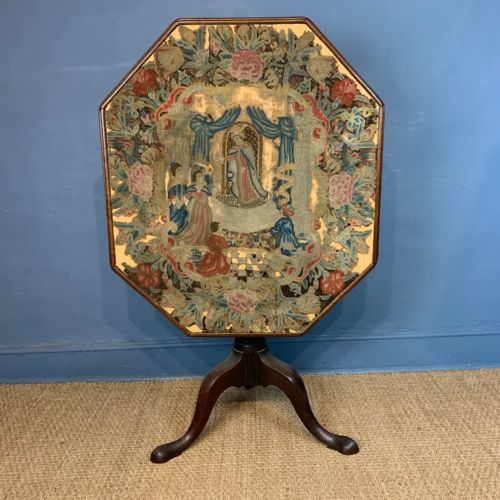
George II Tripod Table
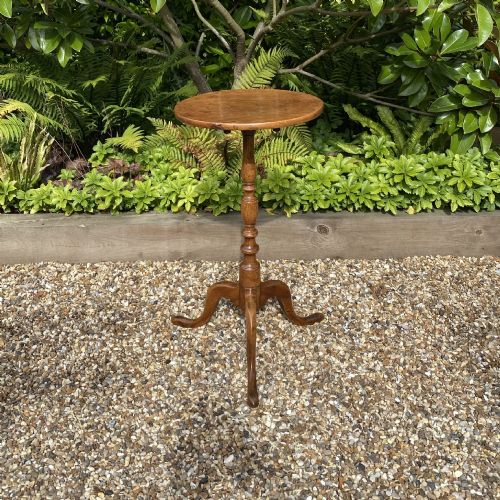
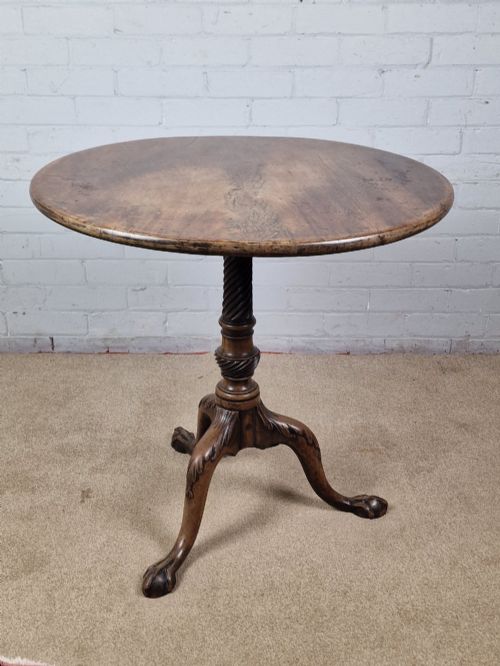
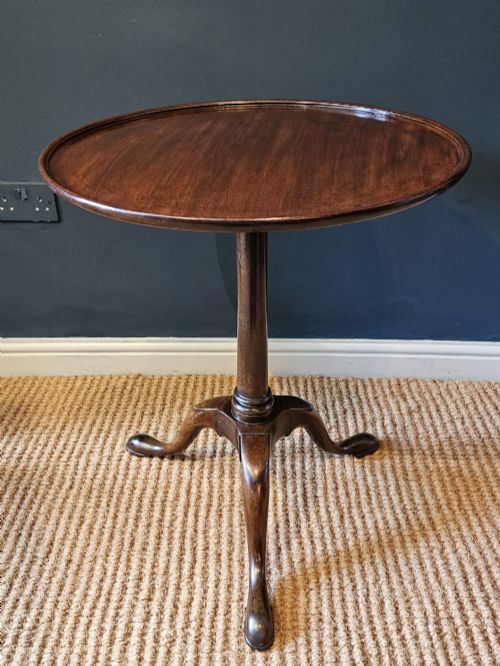
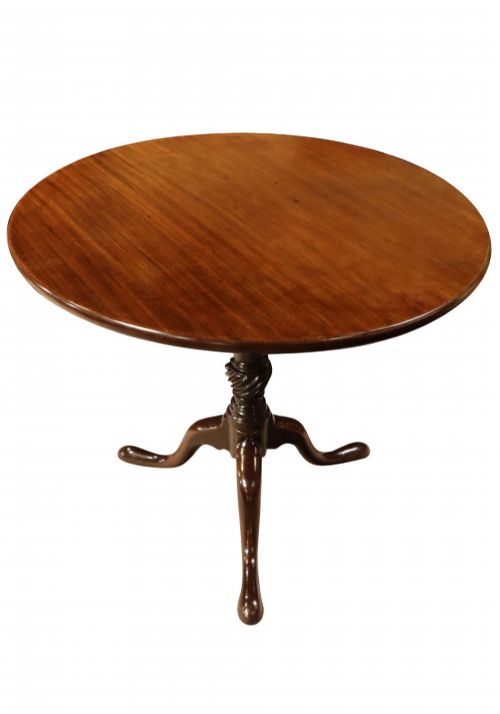
A george ii tripod table brings 18th-century English cabinet-making into a room, offering a versatile surface supported on three legs.
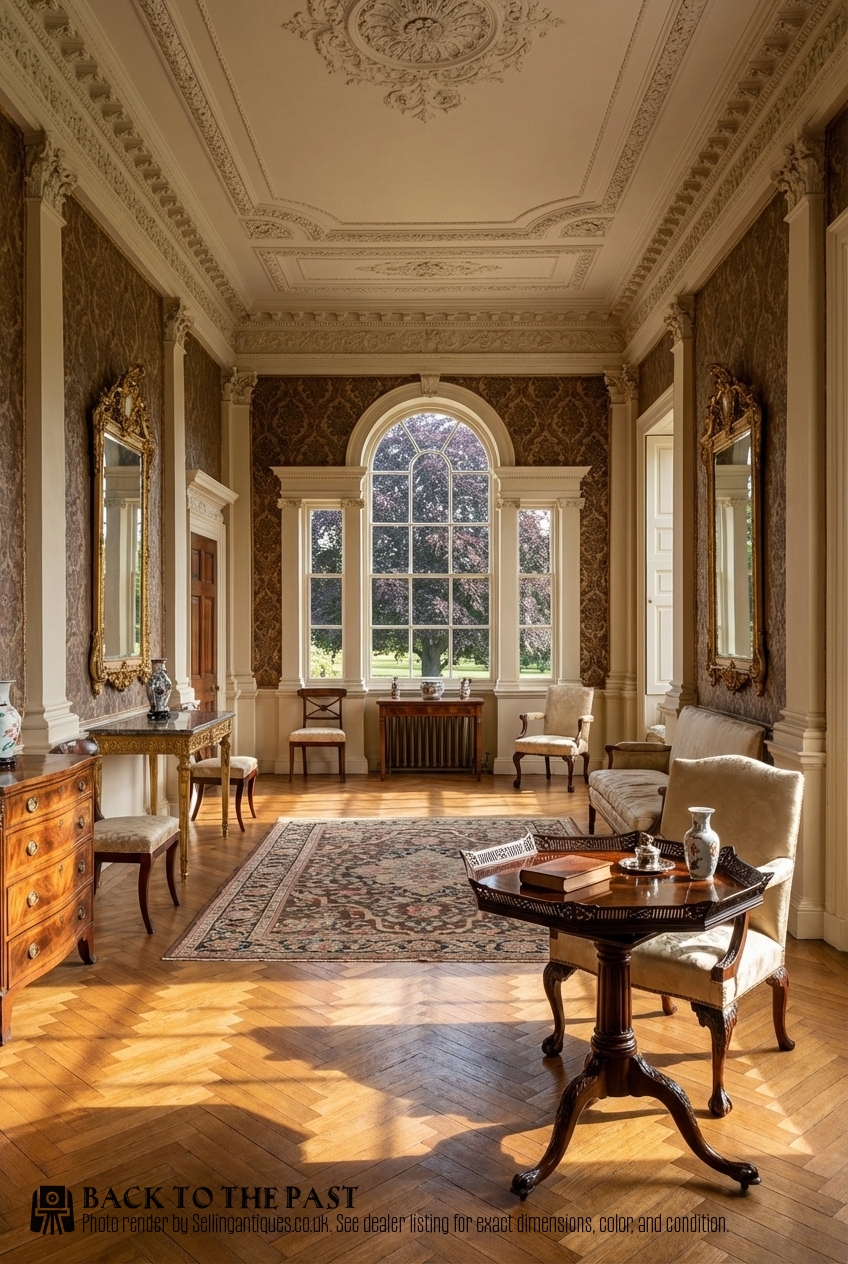
George II Tripod Table
A george ii tripod table is an 18th-century piece designed for occasional use, wine, or supper, appearing in various forms throughout the Georgian period. Buyers seeking these items encounter wine tables, tilt-top tables, kettle stands, and dumb waiters originating from English, Irish, and Scottish workshops.
Gradations in Quality
Quality rests in the crispness of the carving, the selection of the timber, and the integrity of the mechanical actions such as birdcage rotations or tilt-top pivots. Superior pieces display refined proportions and rich, original patination rather than uniform surfaces.
Lesser examples show heavier timber framing, simpler turned columns without twist carving, or later replacements to mechanisms and hardware. The distinction lies in how cleanly the tripod base integrates with the pillar and top.
George II Tripod Table Retail Price Guide 2026
Typical asking prices for george ii tripod table among the pieces listed under this phrase on Sellingantiques today, from the lower quarter to the upper quarter. They describe what is for sale here now, not the wider market.
Listings feature 18th-century periods alongside occasional 1930s revival pieces, utilising mahogany, walnut, brass, and needlework.
The George II Tripod Table Glossary
- Birdcage
- A timber framework beneath the table top that allows the surface to rotate and tilt. This mechanism uses small wooden spindles enclosed in a square frame.
- Tilt-top
- A table top hinged to the central pillar so it can be folded vertical when not in use. This design allowed tables to be stored flat against walls.
- Kettle stand
- A small, tall occasional table intended for holding a tea kettle or lamp. These pieces often feature octagonal or dish tops.
- Snap top
- A spring-loaded catch arrangement that locks a tilting table top securely into the horizontal position. It prevents accidental tipping during use.
- Patina
- The surface sheen and colour developed by wood over centuries through handling, waxing, and ageing. Original patination is valued for its depth and warmth.
George II Tripod Table: Frequently Asked Questions
What is a birdcage mechanism on these tables?
The birdcage is a small wooden assembly beneath the top that allows the table surface to both tilt and revolve independently of the central column.
This clever engineering allowed 18th-century dining rooms to clear space quickly by folding the table flat and tucking it against the wall.
How were these small tables originally used?
They served multiple domestic purposes, acting as stands for wine bottles, tea kettles, lamps, or books in parlours and drawing rooms.
Their lightweight tripod design made them easy to move around a room as evening social habits shifted.
How do I tell an 18th-century piece from later styles?
Examination of the timber movement, joinery construction inside the pillar joint, and the wear patterns on the tripod feet reveals the age of the piece.
Earlier examples display hand-cut joinery and natural patination that modern reproductions cannot replicate.