


Georgian Urn Stand
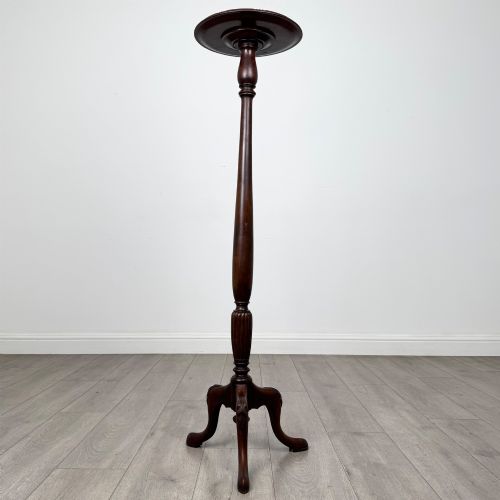
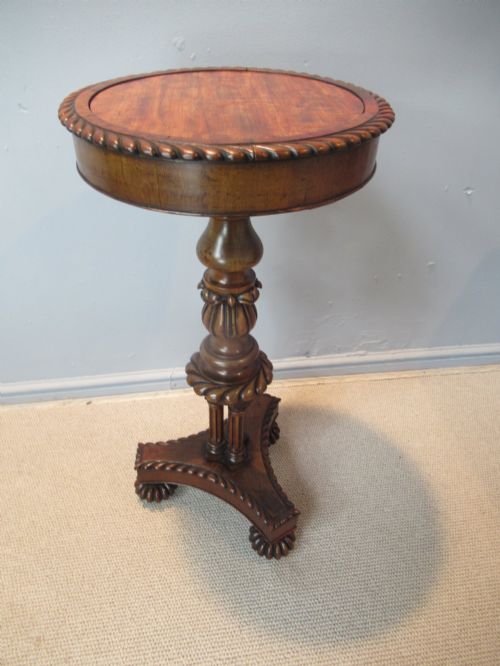
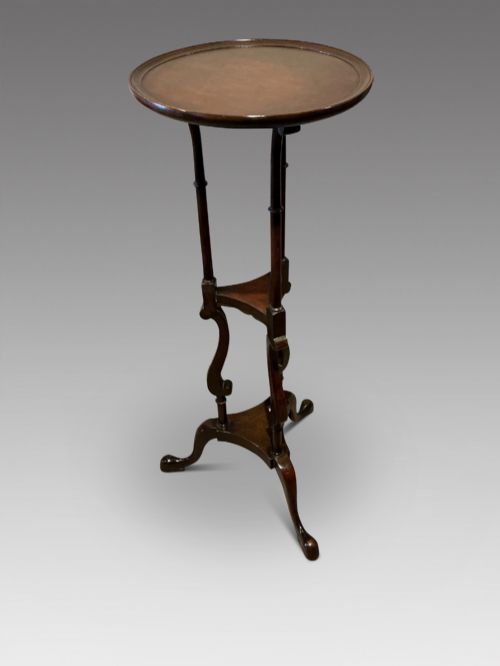
A Georgian urn stand is a delicate small-scale table designed to elevate a hot water urn or kettle during tea service.
Georgian Urn Stand
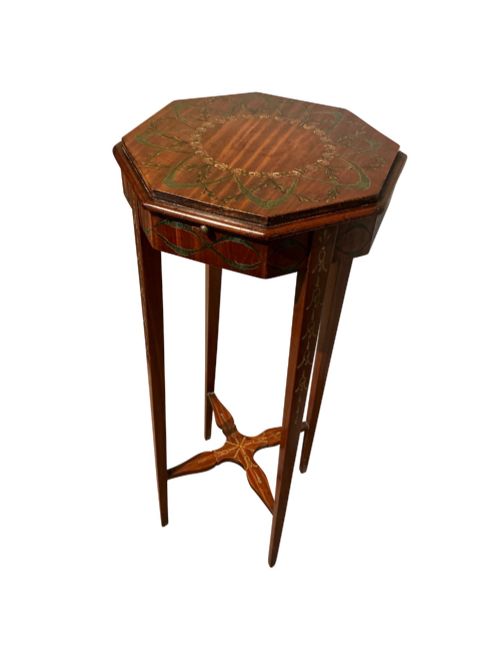
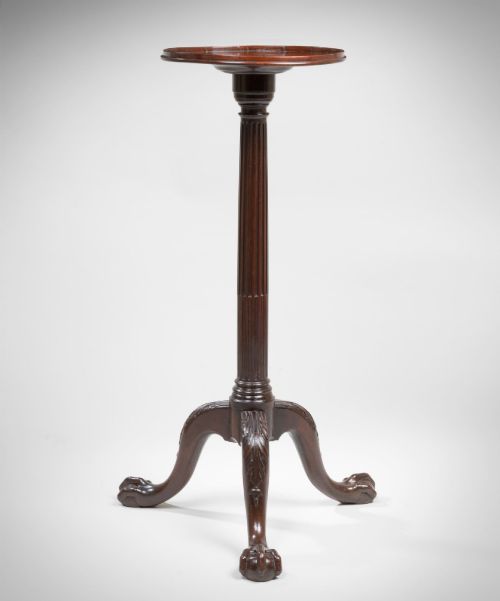
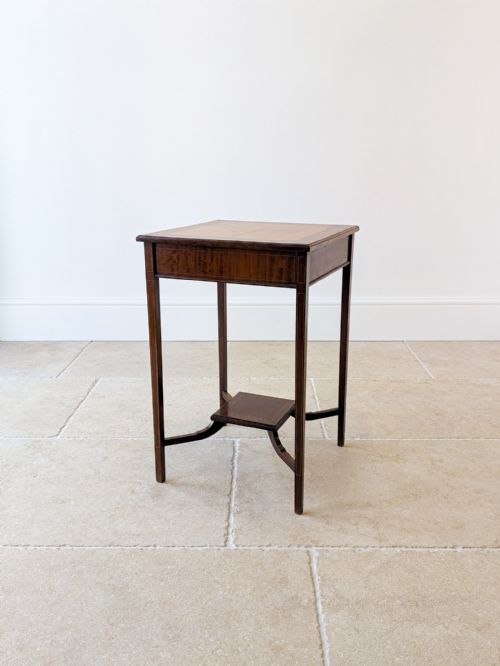
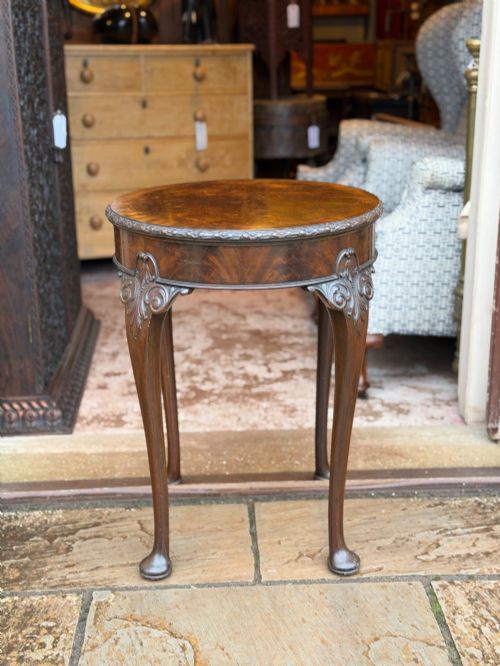
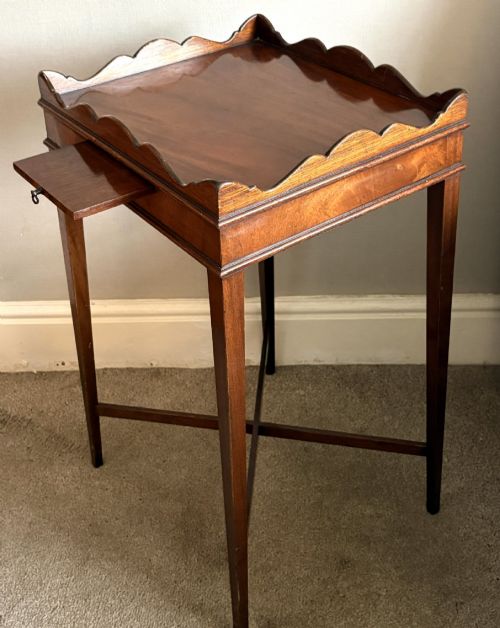
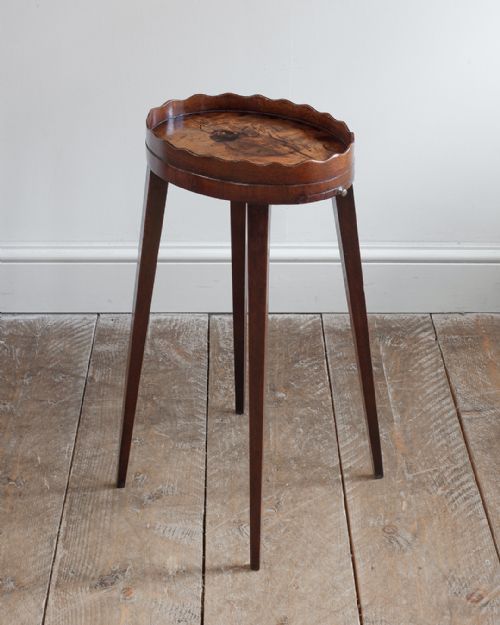
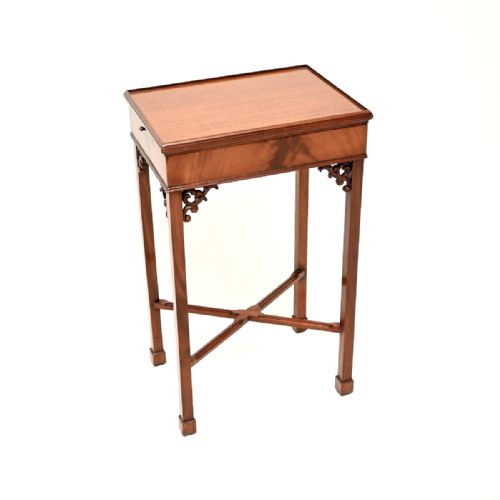
When you search for a Georgian urn stand, you encounter small serving pieces primarily designed for the tea ritual in elite eighteenth-century drawing rooms. These diminutive tables often served multiple roles, functioning interchangeably as kettle stands or wine tables depending on the social demands of the evening.
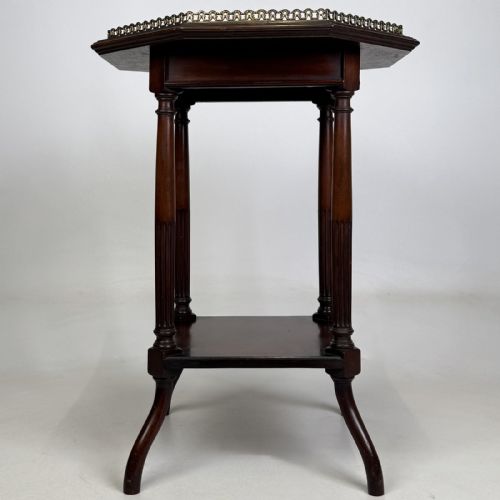
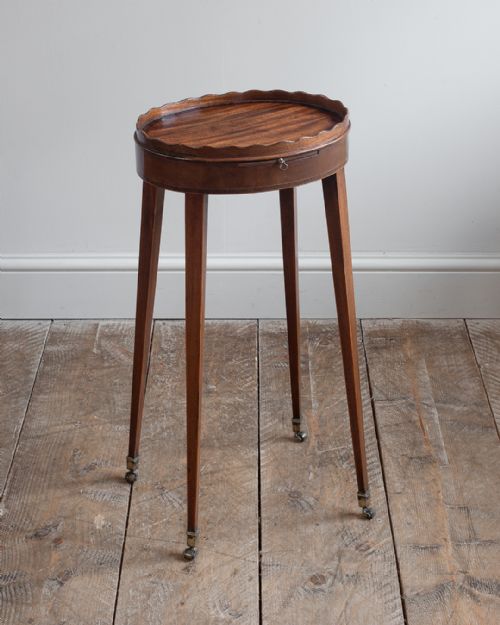
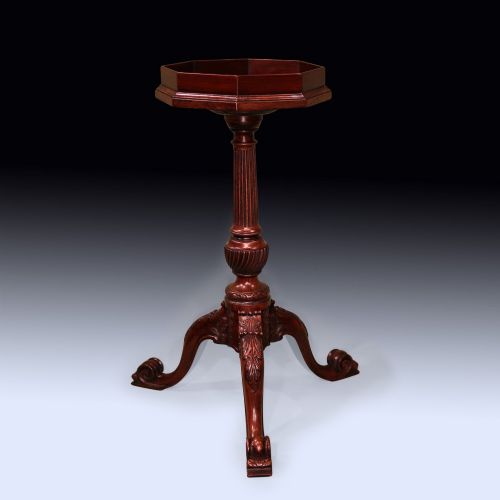
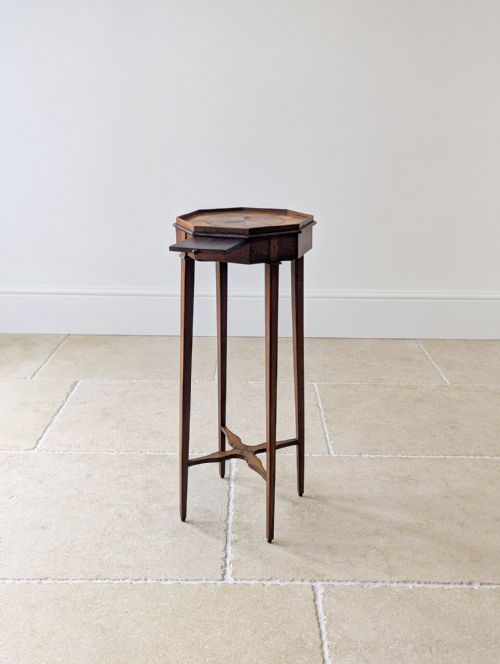
The pieces listed on this page span the eighteenth and nineteenth centuries, taking forms that range from octagonal and oval surfaces to enclosed bedside tables and cupboards. Mahogany dominates the current selection, reflecting the preference of makers working within George II, George III, and Sheraton styles.
Earlier examples display the restrained proportions characteristic of mid-eighteenth-century design, while subsequent pieces incorporate satinwood inlay and marquetry. Buyers frequently meet variants that transition in function, bridging the gap between dedicated tea furniture and general bedside utility.
How they were made
Cabinetmakers constructed these stands using dense timbers like mahogany, occasionally incorporating burr wood and rosewood for decorative emphasis. Surfaces feature intricate satinwood inlay and marquetry work, demonstrating the refined marquetry techniques of the period.
Structural elements frequently include brass hardware, which reinforces joints and operates as functional handles or candle slide mounts. Turned supports and slender legs distribute weight efficiently beneath the compact tops.
Georgian Urn Stand Retail Price Guide 2026
Typical asking prices for georgian urn stand among the pieces listed under this phrase on Sellingantiques today, from the lower quarter to the upper quarter. They describe what is for sale here now, not the wider market.
Listings incorporate pieces spanning from the eighteenth century through to the nineteenth century, executed in mahogany, satinwood, and brass.
What varies in quality
Quality rests upon the selection of timber and the precision of the cabinetmaker's joinery. Stands utilising figured mahogany and detailed satinwood inlay demonstrate a higher order of craftsmanship than plainer counterparts.
Proportion and stability separate standard utility pieces from exceptional examples. The integration of brass fittings and the crispness of the turned legs dictate the overall refinement of the finished stand.
The Georgian Urn Stand Glossary
- Kettle stand
- A small, tall table specifically designed to hold a heavy tea kettle close to the hostess. These pieces usually feature a raised rim or indented top to secure the vessel.
- Marquetry
- The art of applying thin veneers of various woods to a structural surface to create pictorial or geometric designs. This technique adds considerable visual depth to the tabletop.
- Satinwood
- A lustrous, hard timber native to Ceylon and the West Indies, prized for its pale yellow colour and natural sheen. Makers utilised it extensively for contrasting stringing and decorative panels during the Sheraton period.
- George III
- The stylistic period spanning from seventeen sixty to eighteen twenty, characterised by a transition from heavy Rococo forms to lighter Neoclassical designs. Furniture from this era often shows the influence of Sheraton.
- Octagonal top
- A geometric tabletop configuration featuring eight distinct sides, commonly found on eighteenth-century tea and kettle stands. This shape softens the profile of the small table.
Georgian Urn Stand: Frequently Asked Questions
What was a Georgian urn stand used for?
These tables held heavy metal urns filled with boiling water during formal tea ceremonies. The elevated surface allowed servants to replenish teapots without disturbing guests.
Over time, owners repurposed them as bedside tables or candle stands as domestic habits shifted.
What woods were used for these stands?
Mahogany forms the primary structural material across most surviving examples from the eighteenth century. Cabinetmakers also employed satinwood, burr wood, and rosewood for decorative veneers and inlay.
Secondary woods like oak or pine frequently appear in unseen frame components.
How do you date a Georgian urn stand?
Dating relies upon analysing the timber species, leg configurations, and decorative motifs such as inlay or carving styles. Mid-eighteenth-century pieces often display heavier proportions linked to George II aesthetics.
Later Sheraton and Regency examples introduce lighter satinwood stringing and tapered supports.
Where should you place an urn stand in a modern home?
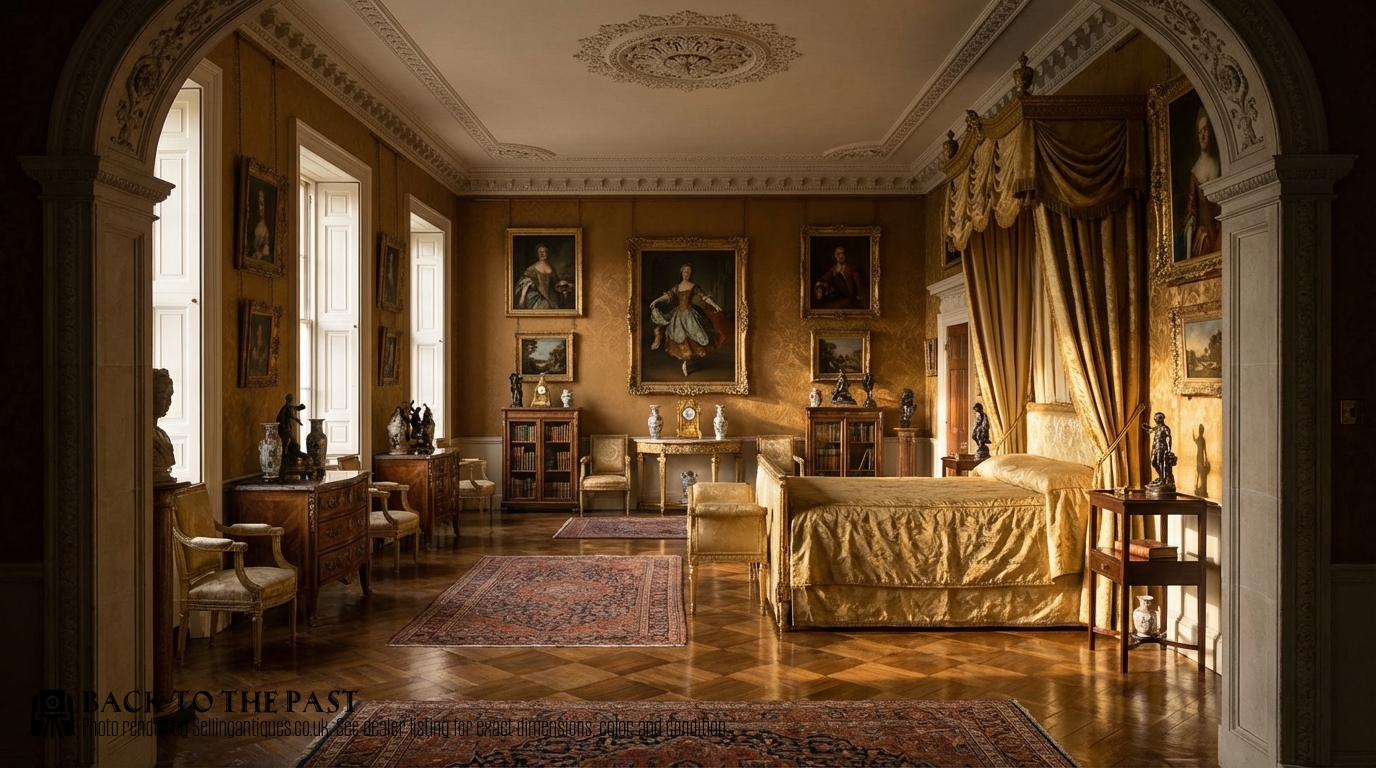
Their compact footprint makes them versatile surfaces for narrow corners, beside armchairs, or adjacent to a bed. The elevated tops suit the display of small decorative objects or modern lighting.
Placing them away from direct heat sources protects the fragile nineteenth-century veneers and polish.