




George III Urn Stand
A george iii urn stand is a small, slender occasional piece designed to hold a hot water vessel, offering both elegance and utility.
George III Urn Stand
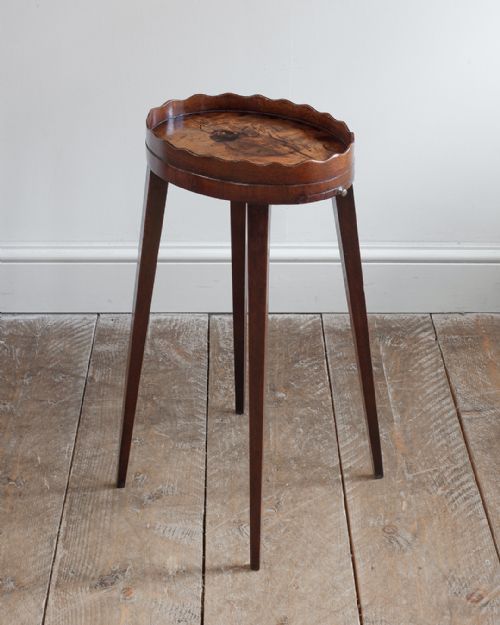
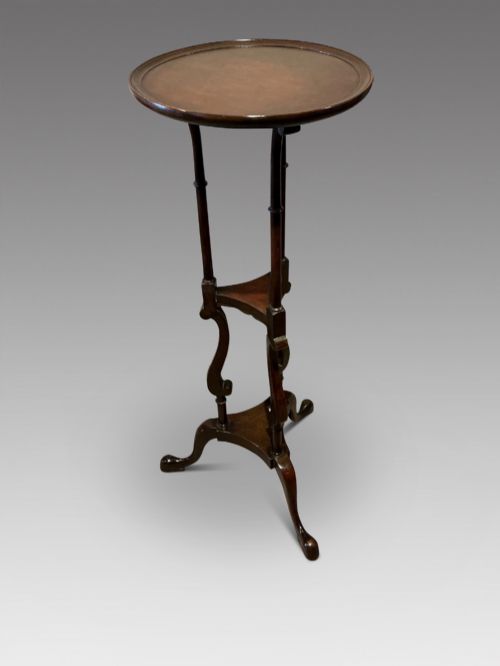
When you search for a george iii urn stand, you enter a field of diminutive, tall tables intended originally to support heavy tea or coffee urns in eighteenth century drawing rooms. These compact pieces typically feature elevated tops with raised rims or fretwork galleries to secure the vessel during service.
The most common examples encountered on this page date from the eighteenth century and the georgian period, predominantly constructed in mahogany. Alongside strict urn and kettle stands, the selection includes related pedestal forms, occasional tables, and torcheres that share the same slender proportions.
Materials and Construction
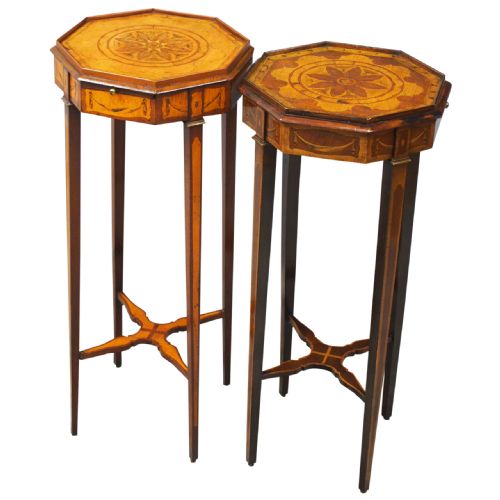
Makers relied heavily on dense hardwoods like mahogany and satinwood, frequently employing fine veneers, marquetry inlay, and burr wood accents to enrich the compact surfaces. These timbers provided the necessary structural integrity for slender legs and small tops without adding excessive weight.
Joinery techniques focused on stability for narrow frames, combining precise mortise and tenon joints with delicate turning and fluting on pedestals and legs. Brass fittings occasionally appear on stands associated with metal vessels or later adaptations.
Some kettle stands feature concealed pull-out slides designed specifically for resting teacups while pouring boiling water.
Assessing Quality
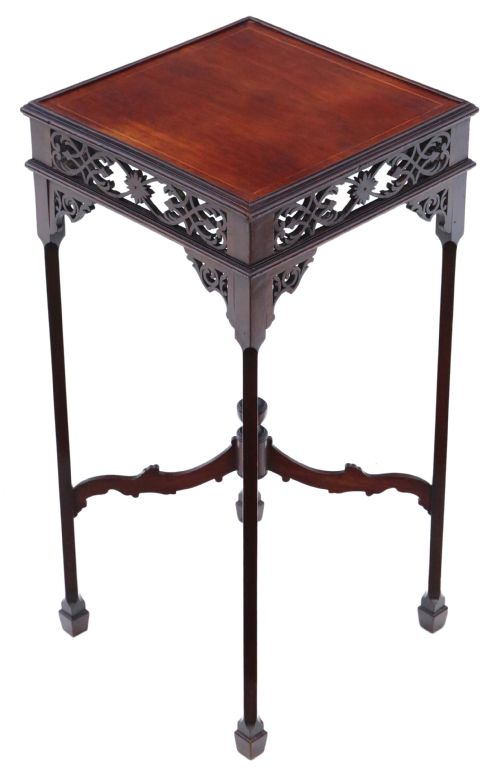
Quality rests in the crispness of the carving, the selection of figured timber veneers, and the preservation of original proportional balance. Superior pieces demonstrate meticulous attention to detail in gallery fretwork and leg taper, whereas lesser examples show heavier construction or simplified turnings.
The presence of original surfaces and period patination distinguishes superior survivals from later revivals or heavily restored items. Details such as inlaid stringing or well-matched flame mahogany veneers separate standard utilitarian examples from the finest workshop productions.
Paul Storr·Rebecca Emes
The George III Urn Stand Glossary
- Urn Stand
- A small, tall table specifically designed to hold a heated tea or coffee urn. They often incorporate pull-out slides for cups.
- Torchere
- A tall, slender stand intended to support a single candle or lamp. In these listings, they appear alongside kettle and urn stands.
- Biggin
- A tall coffee pot, often found mounted on a metal stand with a spirit lamp burner. These silver pieces serve a parallel function to wooden stands.
- Gallery
- A raised wooden or metal rim around the edge of a table top. This feature prevented vessels from sliding off the compact surface.
George III Urn Stand: Frequently Asked Questions
What is a george iii urn stand used for?
These small tables were originally placed beside tea tables to hold heavy metal urns filled with hot water. Their compact surfaces kept boiling water safely elevated and accessible during tea service.
Today, collectors use them as decorative occasional pieces or plant stands in smaller spaces where full-sized tables would overwhelm the room.
How do you distinguish an urn stand from a wine table?
Urn stands generally feature raised rims, galleries, or sliding shelves designed to hold liquid vessels securely. Wine tables typically have flat circular or shaped tops intended for glasses and bottles.
Proportions also differ, as urn stands are often taller and narrower to accommodate the height of a tea urn and its heating apparatus.
What woods are typical for these stands?
Mahogany is the primary timber found in these listings, ranging from plain grain to highly figured flame mahogany. Satinwood also appears frequently, offering a lighter, golden contrast used for oval tops and decorative inlay.
More decorative examples incorporate burr wood sections and contrasting stringing lines to accentuate the small geometric surfaces.
Are all these stands from the eighteenth century?
While the style originates in the georgian period, the selection includes pieces from the nineteenth century, the edwardian era, and later revival periods. Eighteenth century originals sit alongside nineteenth century interpretations and later adaptations.
Examining the timber construction, interior joints, and wear patterns helps determine whether a piece is a period original or a later revival.