


Antique Tripod Kettle Stand
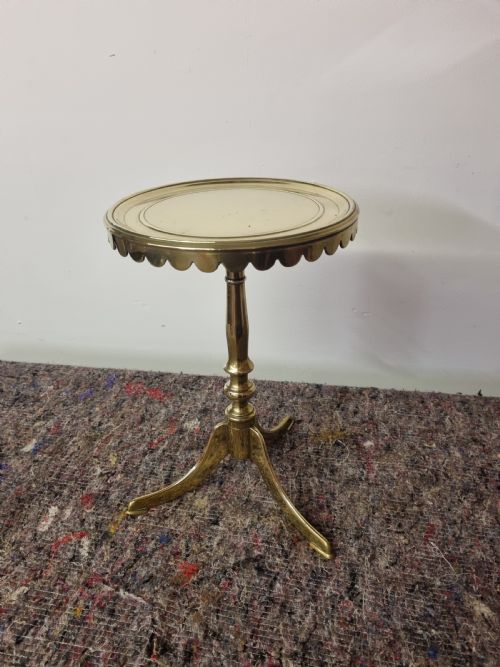
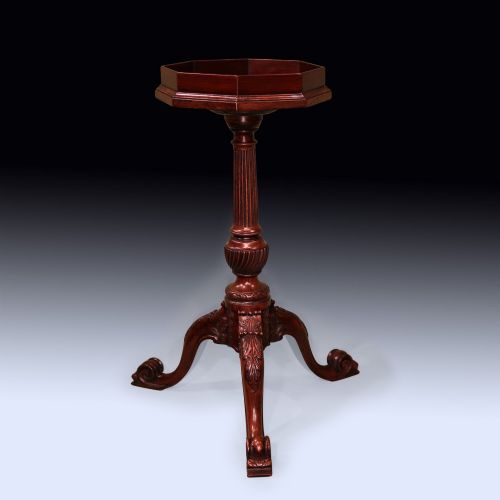
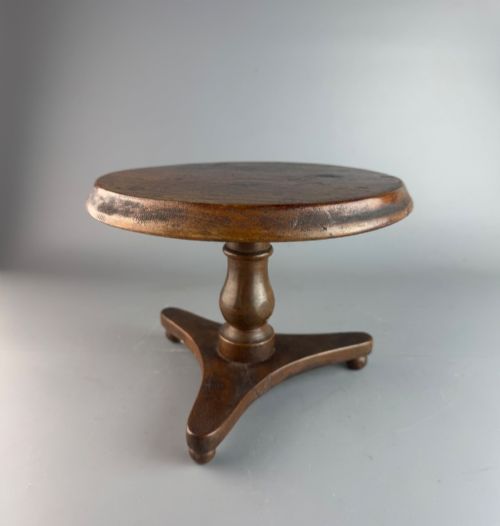
An antique tripod kettle stand is a small, elevated surface designed to hold hot water near the hearth, offering refined proportions and exceptional timber work.
Antique Tripod Kettle Stand
When you search for an antique tripod kettle stand, you encounter diminutive tables raised on three legs, historically positioned beside the fireplace to support heavy bronze or brass vessels. The examples appearing here span from the George II and George III periods through the Regency era and into later Victorian and Edwardian revivals.
Most pieces on this page take the form of small occasional tables, wine tables, or dedicated kettle stands featuring either circular or square tops. The standard layout relies on a central pillar supported by three outward-curving legs, keeping the weight stable on uneven floorboards.
Makers designed these compact tables to be easily moved around the room as the company gathered by the fire. Their slender profiles make them exceptionally versatile for modern interiors as lamp tables or display surfaces.
How they were made
Cabinetmakers constructed these stands predominantly from dense hardwoods such as mahogany and yew, occasionally incorporating burr wood for decorative contrast. Timber selection focused on grain patterns that would catch the flickering light of the hearth.
Metal components appear in heavy cast brass, particularly on specialised trivets and fire-side stands designed to withstand direct heat. Woodwork joints relied on traditional turning and joinery techniques to secure the pillar to the tripod base without wobbling.
Listings on this site demonstrate a strong prevalence of 18th Century and Georgian mahogany forms alongside later Edwardian and Victorian revival occasional tables.
What varies in quality
The distinction between ordinary and superior pieces rests on the crispness of the carving and the proportional balance of the top to the pedestal. Stands from the mid-eighteenth century often display meticulous hand-carving along the pillar and legs, whereas later revival pieces may show simpler, machine-turned lines.
Timber quality dictates much of the visual appeal, with rich, figured mahogany commanding greater admiration than plain secondary woods. The integrity of the tripod mechanism and the original joinery beneath the top also separate everyday utility items from finer collector examples.
The Antique Tripod Kettle Stand Glossary
- Tripod table
- A small freestanding table supported by a central pillar resting on three legs. This construction prevents rocking on uneven historic floors.
- Trivet
- A metal stand raised on short legs or feet, used to hold kettles or dishes near a fire. Brass versions were particularly common by the hearth.
- Wine table
- A small occasional table designed to hold bottles and glasses during evening gatherings. They share similar proportions and pillar-and-base construction with kettle stands.
- Tilt-top
- A tabletop hinged to the top of the pedestal so it can be flipped vertically when not in use. This clever design saved floor space in smaller rooms.
- Yew wood
- A dense, heavily figured timber valued for its warm amber tones and decorative grain. It appears on regional tripod tables from the Regency era.
Antique Tripod Kettle Stand: Frequently Asked Questions
What is an antique tripod kettle stand used for?
These small stands originally held heavy metal kettles near the fireplace for brewing tea or hot water without cluttering the main dining table.
Today, buyers use them as compact lamp tables, bedside surfaces, or plant stands in smaller rooms.
How do I tell a George III stand from a Victorian revival piece?
George III pieces typically feature dense, aged mahogany with hand-carved details and patination earned through decades of polish.
Victorian and Edwardian revivals often show machine-turned elements, lighter timber weights, or explicit style labels in their construction.
Are kettle stands and wine tables the same thing?
They share nearly identical tripod frames and small circular or square tops, leading makers to use the terms interchangeably in historical records.
Kettle stands frequently emphasise heat-resistant brass tops or lower platforms, while wine tables focus on smooth wooden surfaces for glassware.
How do I place a tripod stand in a modern room?
Their slender footprints allow them to fit easily into tight corners, beside armchairs, or between windows where a larger table would block passage.
Avoid placing them in direct sunlight or beside active radiators to protect the historic timber from drying out.