


18th Century Oak Storage
These heavy timber chests and cupboards built for 18th century oak storage bring honest utility and centuries of patina to a room.
18th Century Oak Storage
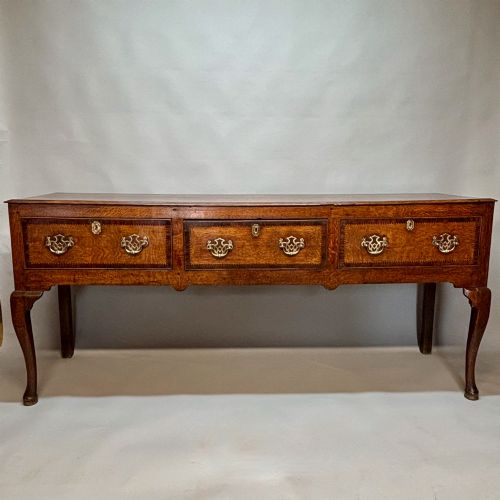
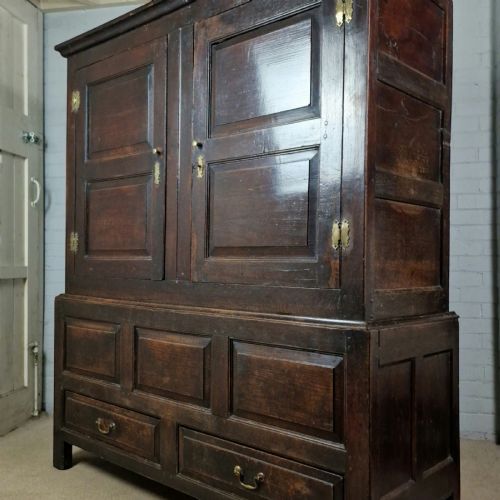
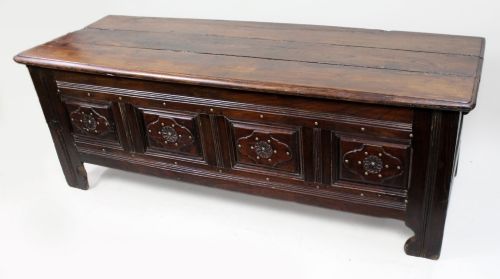
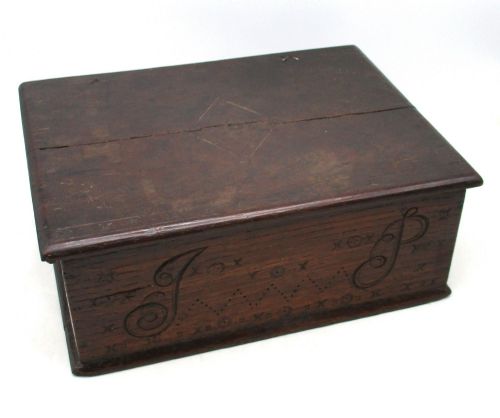
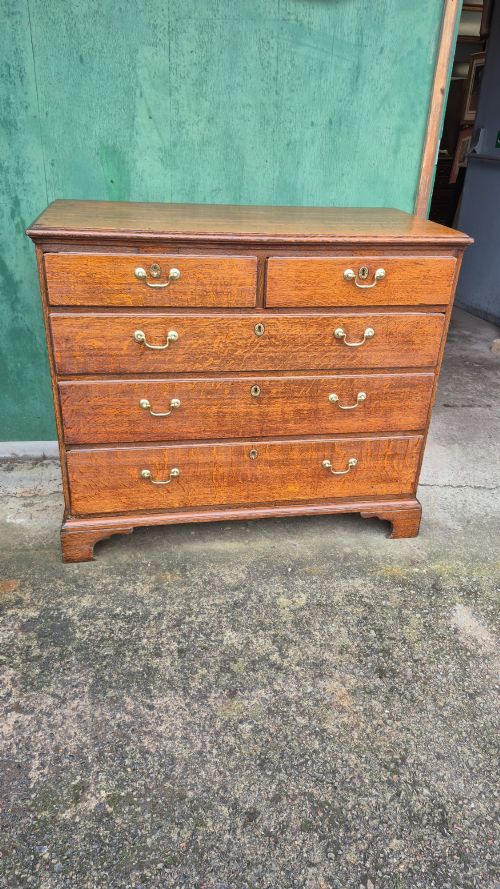
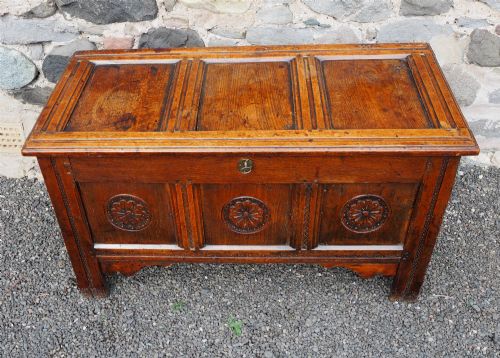
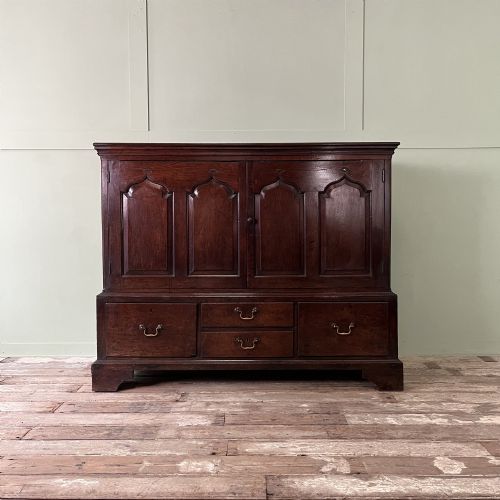
When you search for 18th century oak storage, you encounter functional vessels built to hold household linens, documents, provisions, and clothing. The forms range from plain boarded coffers and blanket boxes to elaborate mule chests, housekeeping cupboards, and drawer units.
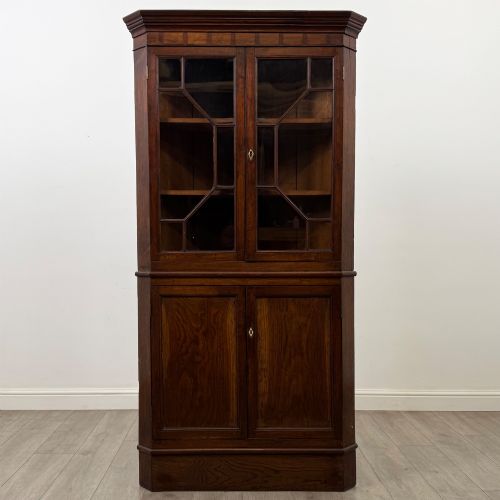
You are most likely to meet sturdy coffers, chests of drawers, and corner cupboards originating from English, Welsh, and French regional workshops. These utilitarian items served domestic spaces before fitted wardrobes and modern closets existed.
Regional vernacular styles define much of what appears here, showing local preferences in panel construction and proportion. Whether a low linen press cupboard or a small document box, each piece reflects the daily storage needs of past households.
How they were made
Joiners built these storage pieces using solid timber boards assembled with frame and panel construction to accommodate the natural seasonal movement of wood. Pegs, tongue and groove joints, and hand-cut dovetails hold the carcasses together without modern adhesives.
Primary surfaces rely on sturdy oak, often complemented by secondary woods such as elm, ash, and fruitwood inlay. Iron strap hinges, brass drop handles, and escutcheons secure the doors and lids while adding functional contrast to the grain.
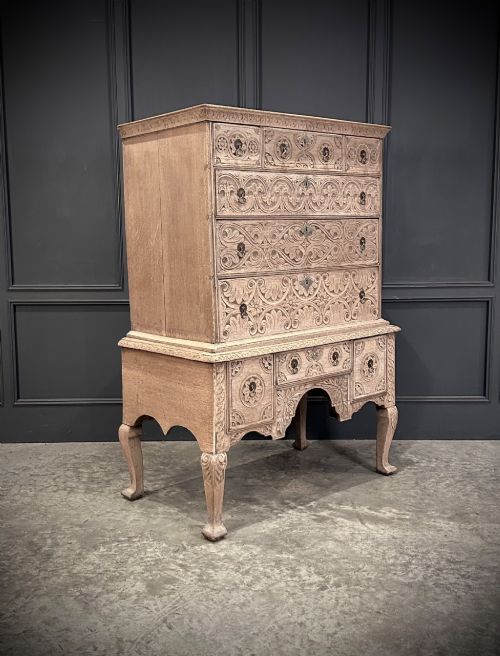
Carved geometric mouldings, raised panels, and occasional crossbanding in mahogany or walnut finish the primary facades. Surfaces reveal tool marks from hand planes and chisels rather than mechanical smoothing.
Storage forms range from wall-hanging candle boxes and document chests to large corner cupboards and mule chests.
What varies in quality
The degree of original survival in the timber and hardware separates ordinary utility items from finer examples. Pieces retaining their initial boarded lids, back panels, and period brass or iron handles command greater appreciation.
Proportion and the crispness of hand carving dictate the aesthetic standing of a cabinet or coffer. Well-balanced geometric mouldings and deep relief work reflect the skill of the original country joiner.
The integrity of the timber structure, including minimal board shrinkage and sound joints, determines how well the piece endures. Bleached surfaces or honest patination acquired through centuries of use add character when the structural timber remains unaltered.
The 18th Century Oak Storage Glossary
- Coffer
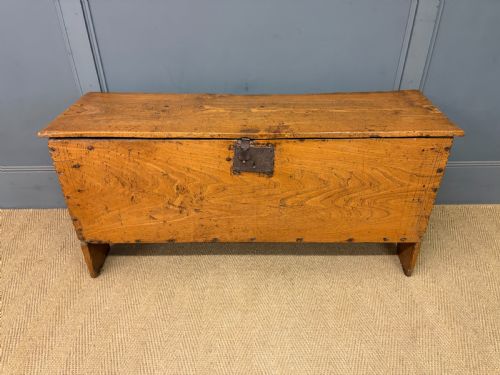
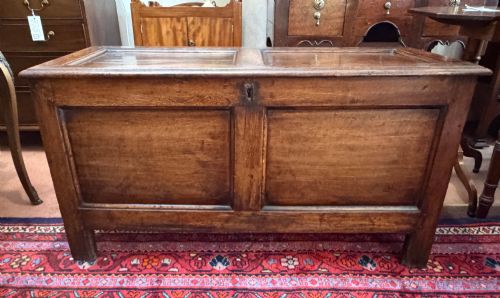
- A heavy wooden chest with a lid, used primarily for storing valuables, linens, and dry goods. These trunks often feature boarded or panelled construction.
- Mule chest
- A storage chest fitted with one or more drawers beneath the main compartment. This form bridges the gap between the traditional coffer and the chest of drawers.
- Housekeeper's cupboard
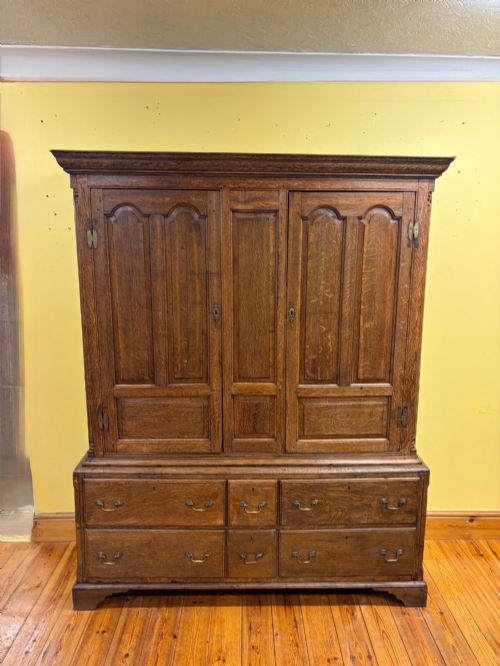
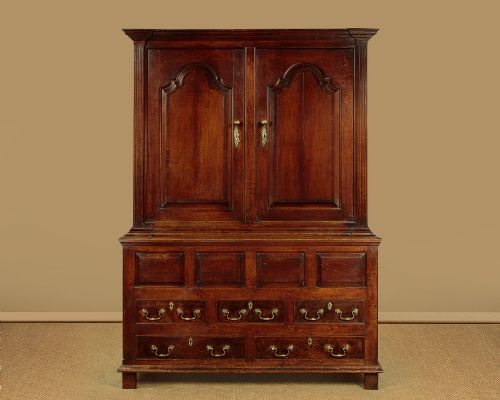
- A large storage cabinet designed for domestic linen and provisions, combining upper cupboard doors with lower drawers. These substantial pieces anchored country house utility rooms.
- Box settle
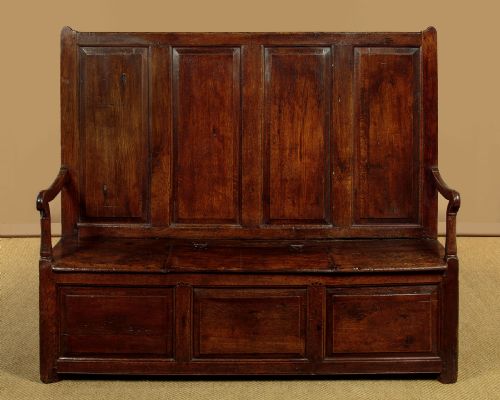
- A high-backed wooden bench featuring a concealed storage compartment beneath the hinged seat. They provided both seating near the hearth and a secure place to keep belongings.
- Crossbanding
- A decorative border technique where thin strips of veneer are laid so the wood grain runs perpendicular to the main panel. Walnut and mahogany strips frequently frame oak drawer fronts.
- Enfilade
- A long sideboard or cupboard featuring multiple doors in a continuous line. French regional examples provide extensive interior storage behind panelled facades.
18th Century Oak Storage: Frequently Asked Questions
What is a coffer?
A coffer is a heavy wooden chest with a hinged lid designed for holding household textiles and valuables. These sturdy boxes sat in halls and chambers before fitted closets became common.
Carpenters constructed them using solid oak planks joined by pegs and panels. Their simple, robust forms made them easy to move between rooms as household needs shifted.
How do I use a mule chest?
A mule chest works well at the foot of a bed or as a living room blanket box. The deep interior holds bulky textiles, while the bottom drawers accommodate smaller garments.
Ensure the lid has adequate clearance to open fully away from walls. Placing them out of direct sunlight preserves the historic oak surface and dry timber.
What is a housekeeper's cupboard?
A housekeeper's cupboard is a tall storage cabinet designed for household linens, dry goods, and domestic supplies. They were essential organizational hubs in large country houses.
The upper section typically encloses shelves behind doors, while the base contains deep drawers. Their generous proportions provide substantial storage capacity for modern homes.
How do I tell regional styles apart?
Regional styles reveal themselves through distinct construction methods, timber choices, and decorative motifs. Welsh pieces often display vernacular quirks and specific panel arrangements, while French enfilades and coffers use local fruitwoods and softer mouldings.
English country pieces rely heavily on solid oak with pegged frames. Examining the secondary woods on the interior often confirms the geographic origin of the workshop.