
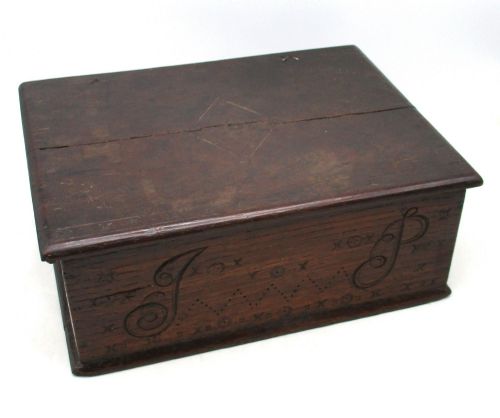
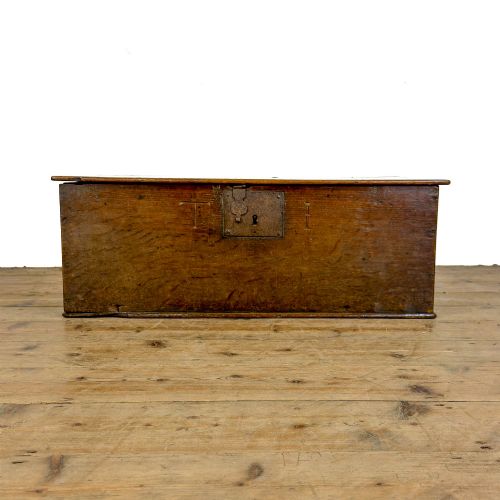
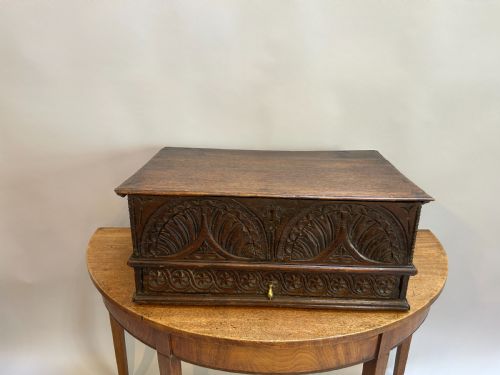


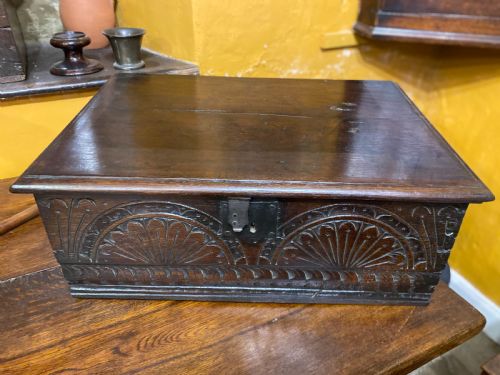


Dark Oak Keepsake Box
A dark oak keepsake box holds small treasures while bringing centuries of timber craftsmanship and functional design into a modern room.
Dark Oak Keepsake Box
A dark oak keepsake box encompasses practical receptacles intended for storing documents, correspondence, tea, and devotional books across multiple centuries. These pieces function as small storage vessels that survive from eras when personal papers and valuables required secure containment.
The selection centres on antique forms shaped from sturdy timbers, predominantly featuring pieces from the seventeenth, eighteenth, and nineteenth centuries. Buyers encounter document boxes, Bible boxes, tea caddies, and miniature chests known as coffor bach.
Regional varieties appear frequently, ranging from early English and Welsh examples to Scandinavian country pieces and Anglo-Indian colonial items. Carved decoration and fruitwood inlay distinguish individual specimens, offering varied aesthetic characters within the core dark oak palette.
What varies in quality
The standard of execution in the carving and the integrity of the original hardware define the distinction between ordinary utility boxes and superior examples. Crispness in chip carving and deep relief work indicate the skill invested by the original joiner.
Patina and the preservation of original timber surfaces heavily influence the desirability of a piece. Boxes retaining their early brass or iron hinges without modern replacement parts command greater appreciation among collectors.
Object types span document boxes, Bible boxes, tea caddies, correspondence boxes, presentation boxes, and miniature Welsh coffor bach chests.
The Dark Oak Keepsake Box Glossary
- Bible box
- A sloping-lidded receptacle originally designed to store sacred texts and writing materials in domestic settings. These items frequently date to the seventeenth and eighteenth centuries.
- Coffor bach
- A traditional Welsh miniature chest or box featuring a small drawer beneath the main compartment. These pieces were often made as marriage or presentation gifts.
- Document box
- A compact lidded chest utilised for keeping legal papers, deeds, and letters safe from damp and loss. They usually possess flat or slightly domed lids with secure iron locks.
- Tea caddy
- A small container built for storing loose tea leaves when tea was an expensive commodity. Victorian examples often incorporate internal compartments.
- Chip carving
- A technique where small chips are removed from the surface of the timber to form geometric patterns. This method appears widely on seventeenth-century boxes.
Dark Oak Keepsake Box: Frequently Asked Questions
What were antique oak boxes used for?
These boxes served practical domestic and institutional storage needs, holding family Bibles, legal documents, letters, and valuable commodities like tea. Their portable nature allowed owners to transport important papers securely.
Over time, many transitioned from utilitarian items into decorative receptacles for personal keepsakes and letters. Their robust construction ensured contents remained protected from dust and moisture.
How can I date an old oak box?
Dating relies on examining the construction methods, tool marks, joinery styles, and decorative motifs present on the timber. Seventeenth-century pieces often display heavy pegged framing and chip carving, while later nineteenth-century examples show different hinge types and finishing techniques.
Hardware such as iron or brass locks and hinges also provides clues, though these elements were frequently replaced or repaired during the working life of the box.
Where were these wooden boxes made?
The available examples originate from diverse regions including England, Wales, Sweden, and colonial contexts. Regional traditions dictated specific decorative choices, such as the distinct Welsh coffor bach design.
Local timber availability ensured oak remained the predominant material across British and European workshops, while foreign workshops utilised alternative hardwoods like teak or rosewood.
How do I care for a dark oak box?
Maintain the timber by keeping the box away from direct heat sources and strong sunlight, which can dry out the old wood and cause splitting. A light application of appropriate wax polish helps preserve the finish and nourishes the antique surface.
Avoid using modern liquid cleaners or harsh chemicals that might strip the historic patina accumulated over centuries of handling.