

17th Century Dresser
When pursuing a 17th century dresser, collectors uncover solid oak bases, serving boards, and chests reflecting early craftsmanship.
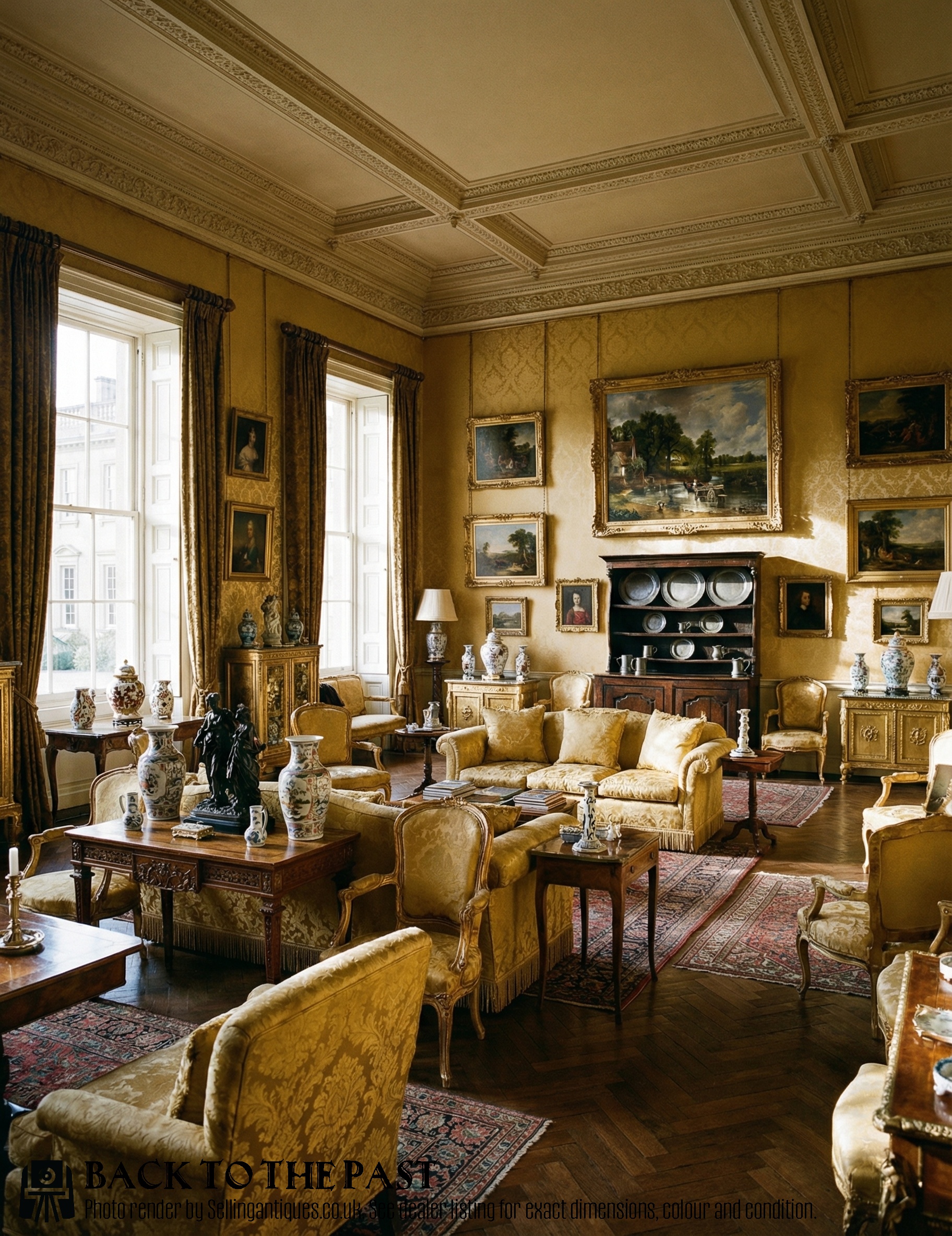
17th Century Dresser
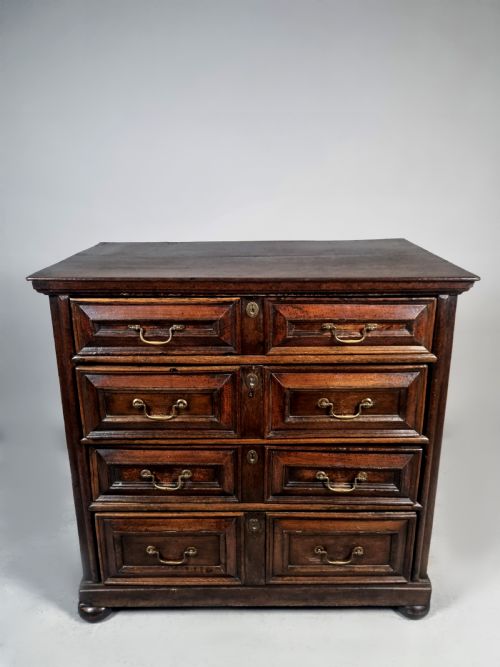
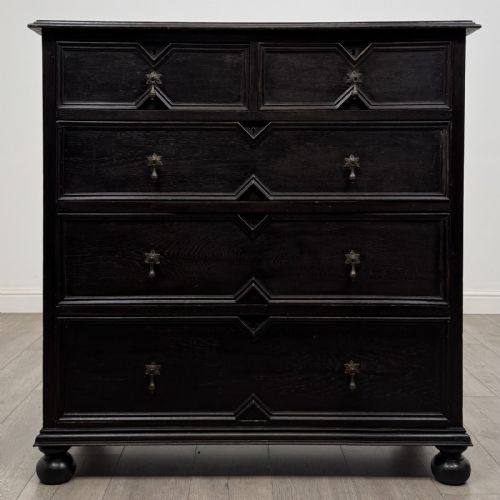
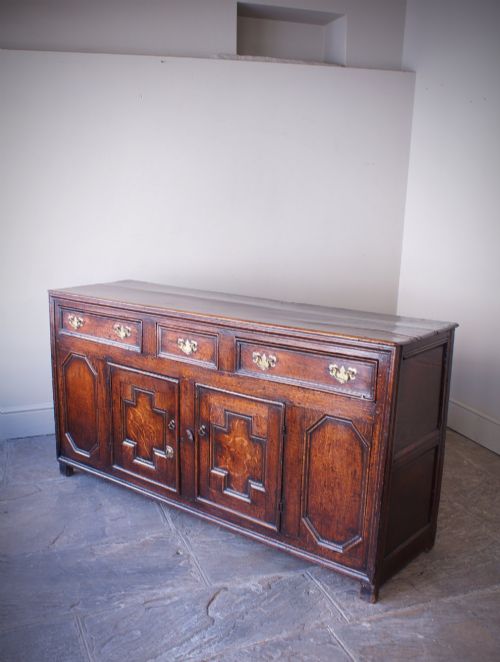
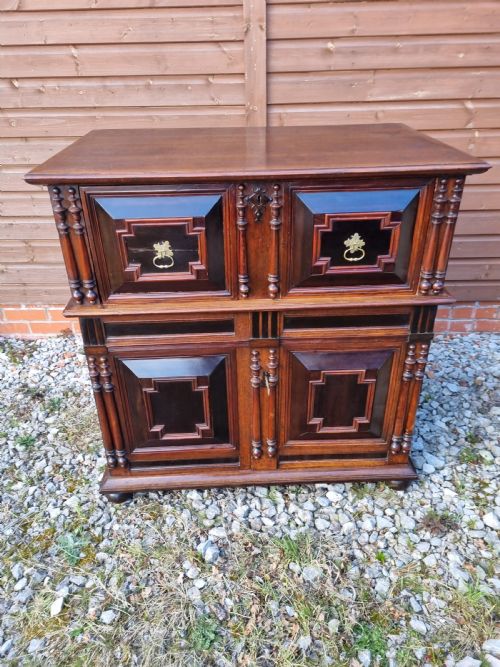
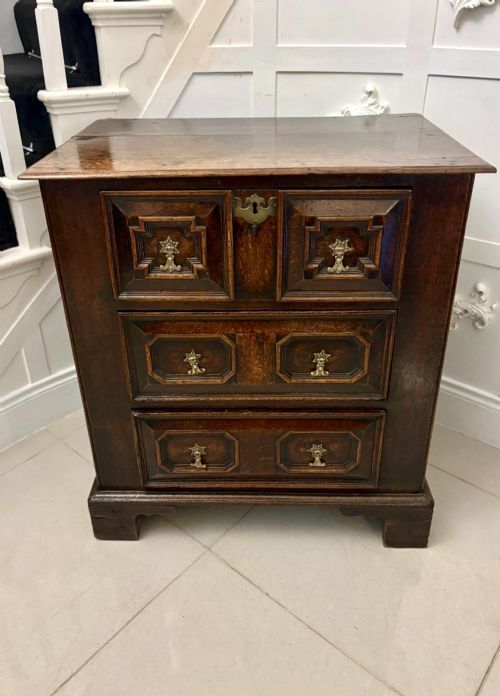
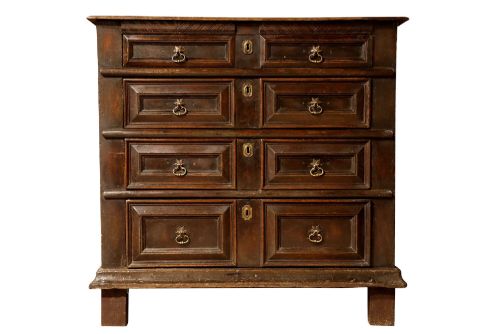
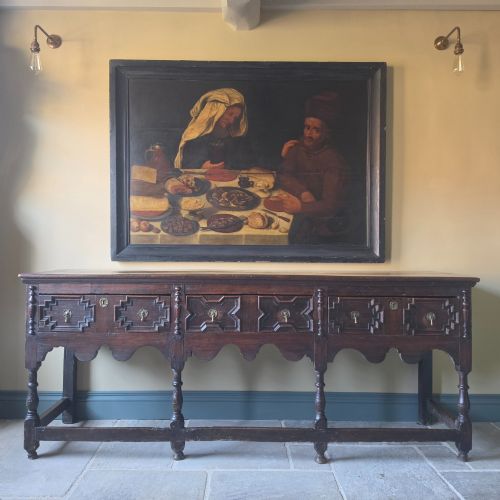
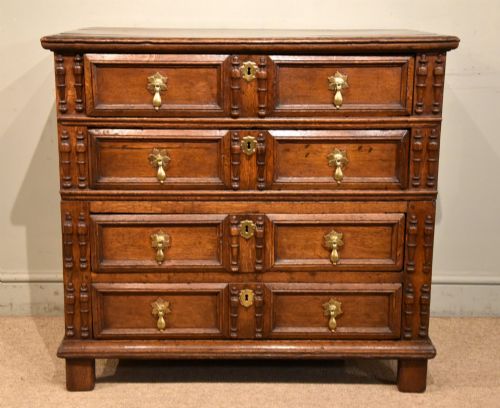
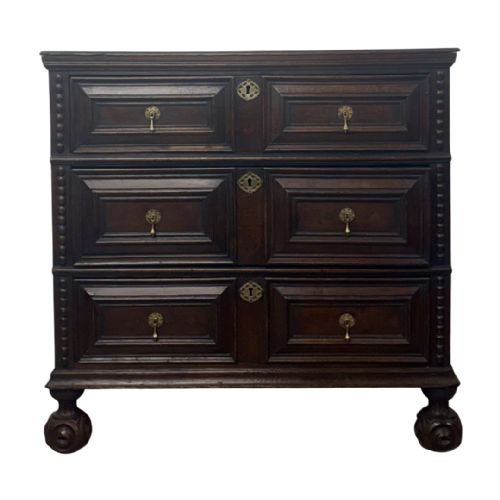
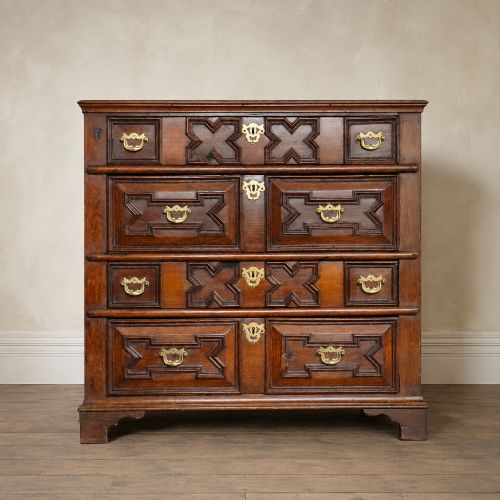
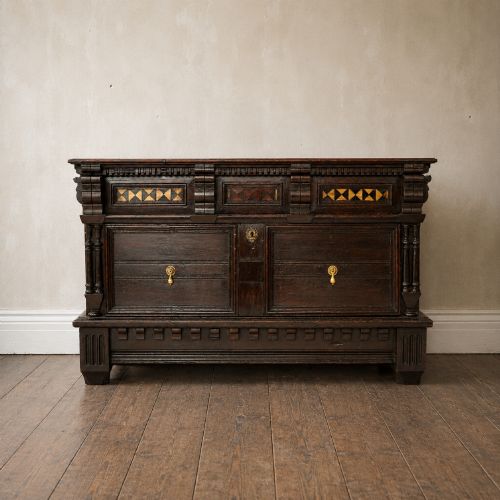
The physical forms include heavy structural drawer bases, enclosed cupboards, and geometric moulded facades. Many incorporate original or later boards designed for serving, storage, and display within early domestic interiors.
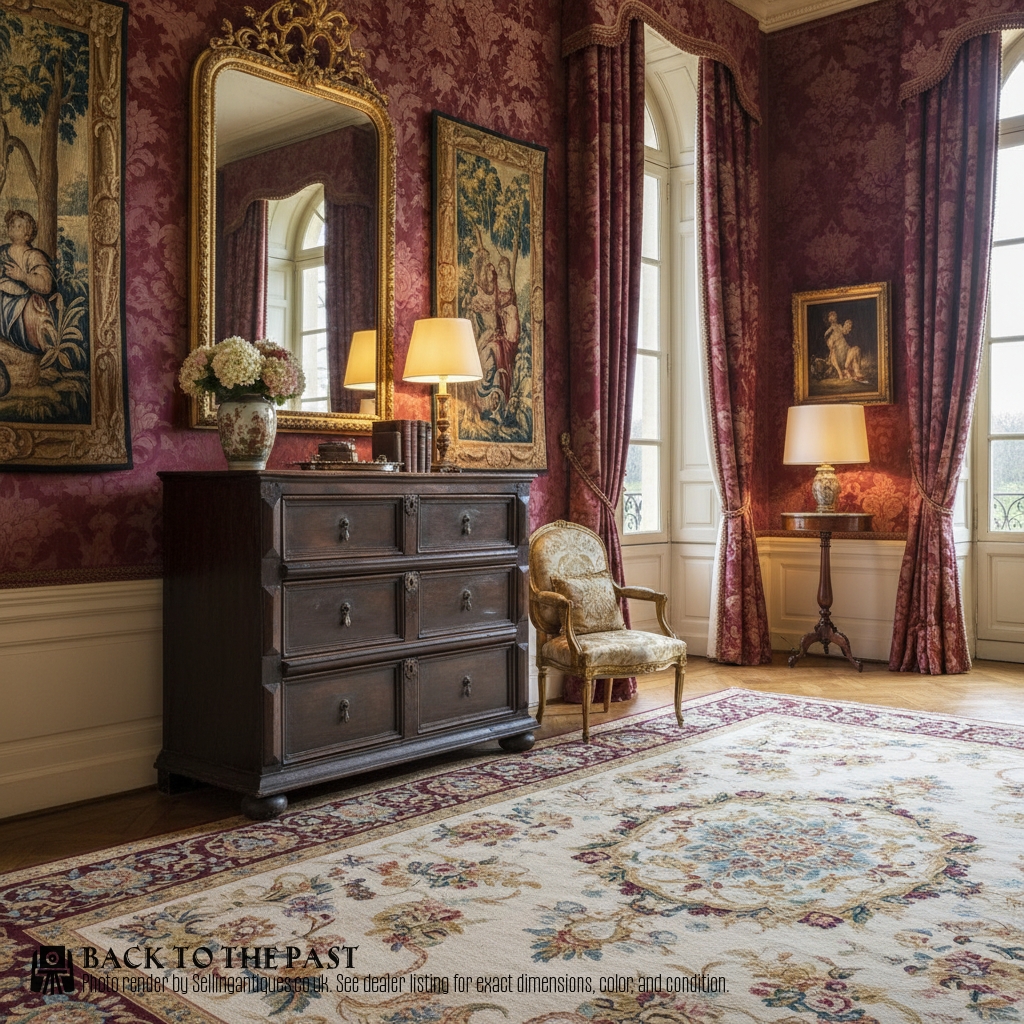
Materials and construction methods
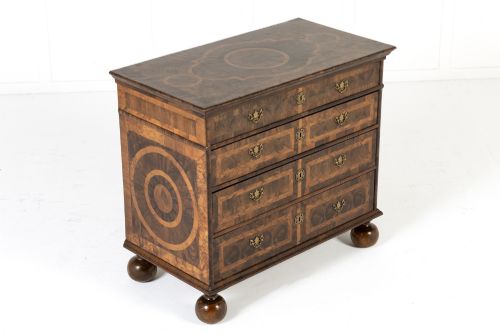
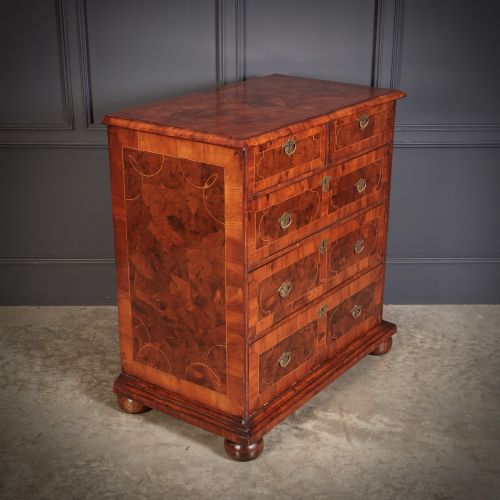
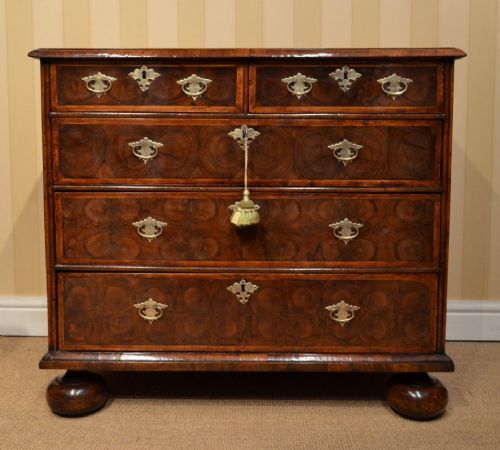
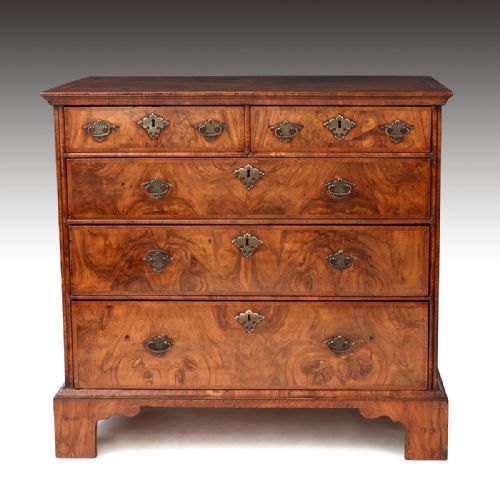
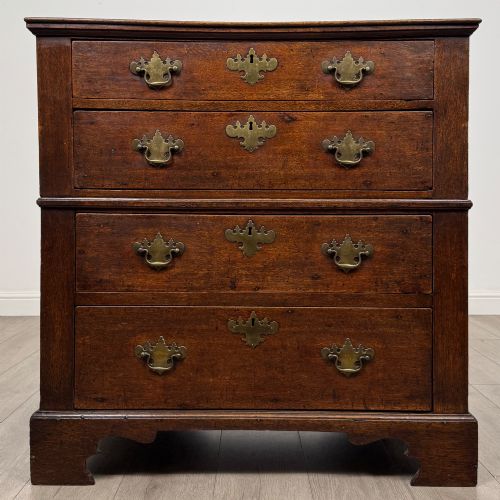
Makers relied heavily on English oak, complemented by walnut, fruitwood, elm, and exotic veneers such as oyster cut walnut and marquetry work. Brass hardware, iron fixtures, and boxwood inlay frequently accent the primary timber frameworks.
Carpentry techniques involve frame and panel construction, geometric moulding applied to drawer fronts, and pegged joints. Turned legs, block fronts, and bolster supports provide structural integrity to these heavy timber items.
17th Century Dresser Retail Price Guide 2026
Typical asking prices for 17th century dresser among the pieces listed under this phrase on Sellingantiques today, from the lower quarter to the upper quarter. They describe what is for sale here now, not the wider market.
Listings feature items spanning the seventeenth century through to revival periods in the twentieth century, constructed from oak, walnut, fruitwood, and elm.
Distinguishing quality factors
Quality rests upon the preservation of original timber surfaces, natural patination, and the crispness of carved details or geometric mouldings. Pieces retaining their early boarded tops and unblemished veneer patterns command greater appreciation.
Structural alterations, replacement drawer linings, and mismatched hardware alter the integrity of the piece. Superior examples exhibit cohesive period timbers and minimal intervention across the centuries.
The 17th Century Dresser Glossary
- Dresser base
- A low wooden storage unit with drawers or cupboards, historically used for food preparation and serving without the upper plate rack.
- Oyster veneer
- Circular slices cut crosswise from small branches or roots, arranged in patterns to create decorative wooden surfaces.
- Geometric moulding
- Raised wooden strips applied to drawer fronts in rectilinear patterns, characteristic of the later seventeenth century.
- Serving dresser
- A sturdy table form equipped with drawers, utilised in dining spaces for presenting dishes before service.
- Marquetry
- The art of applying thin pieces of wood veneer to a structure to form decorative patterns and pictures.
17th Century Dresser: Frequently Asked Questions
Are all 17th century dressers made of oak?
While oak forms the primary material for the majority of these items, makers also utilised walnut, fruitwood, elm, and chestnut. Different timbers often appear together within the same piece, particularly where decorative veneers are applied.
Secondary woods frequently line the interior components or provide structural support beneath outer decorative veneers. This combination of native and decorative timbers defines the material palette of the period.
How do I spot a revival piece from an original?
Original period items display authentic timber shrinkage, handmade fixings, and natural wear patterns accumulated over hundreds of years. Construction marks on the interior timbers align with early carpentry methods.
Revival pieces, often produced during the nineteenth and twentieth centuries, utilise machine-sawn components and standardised fixings. Examining the drawer linings and rear boards usually clarifies the true age of the timber.
Where should I place a dresser in my home?
These low furniture forms suit dining rooms, hallways, and living spaces as statement storage units. Their heavy proportions require adequate floor space and a stable, level surface.
Pl<bos>7th century pieces need protection from direct sunlight and extreme humidity fluctuations to preserve the timber and veneer. Placing them away from heat sources prevents wood drying and cracking.