




Solid Oak Console Table
A solid oak console table brings sturdy timber and centuries of craftsmanship into a hallway, offering a surface that withstands daily use while anchoring a room.
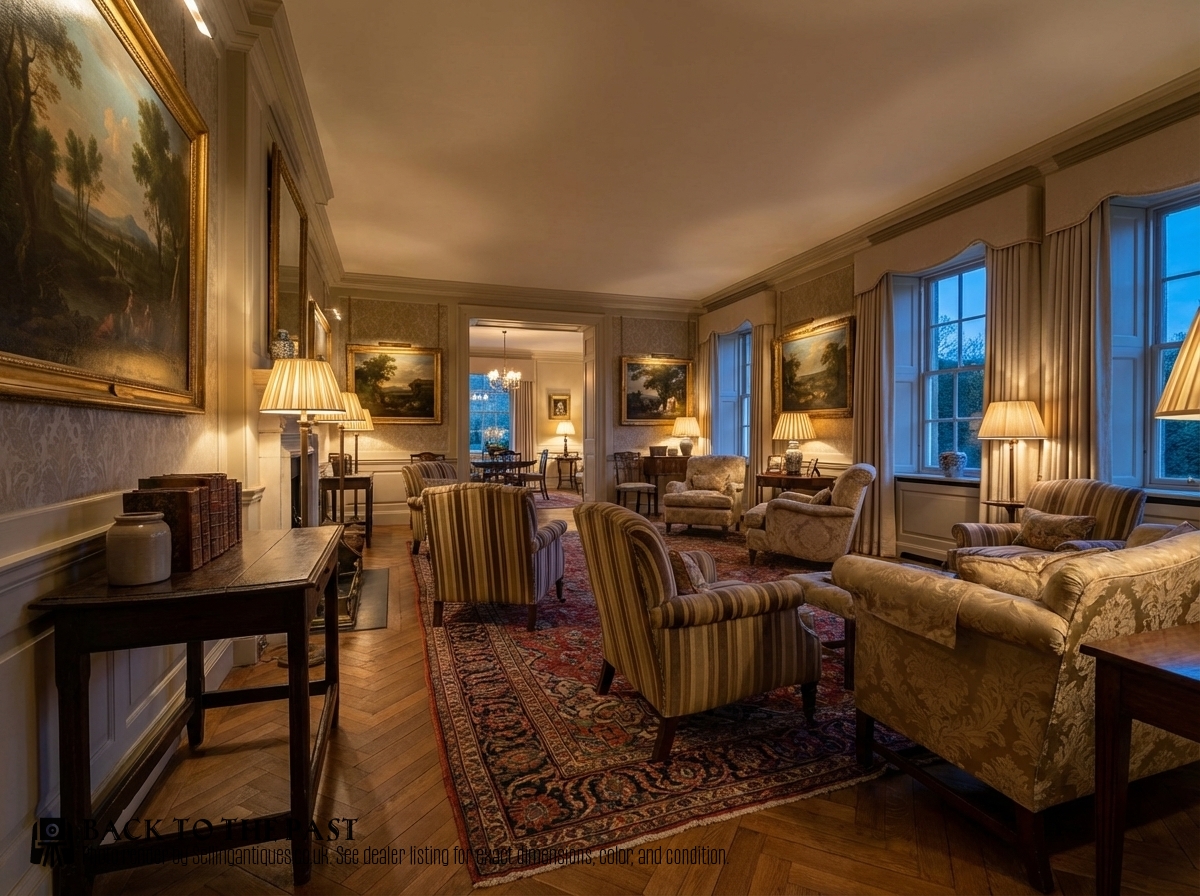
Defining the Solid Oak Console Table
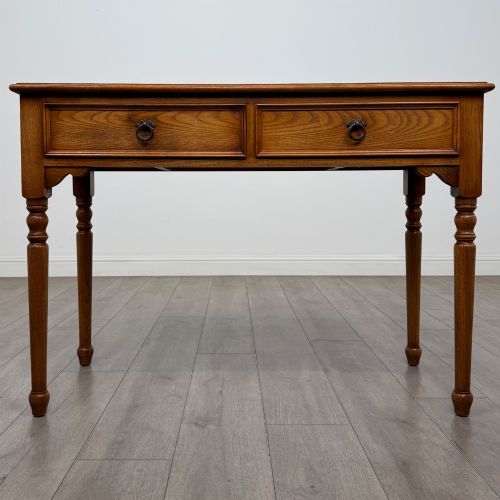
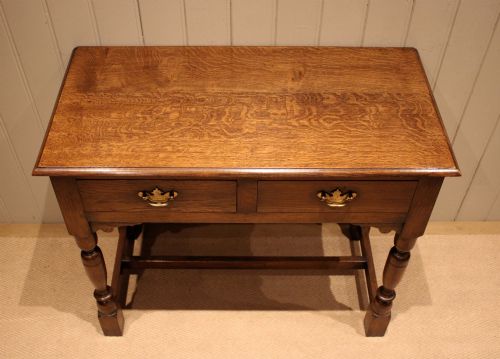
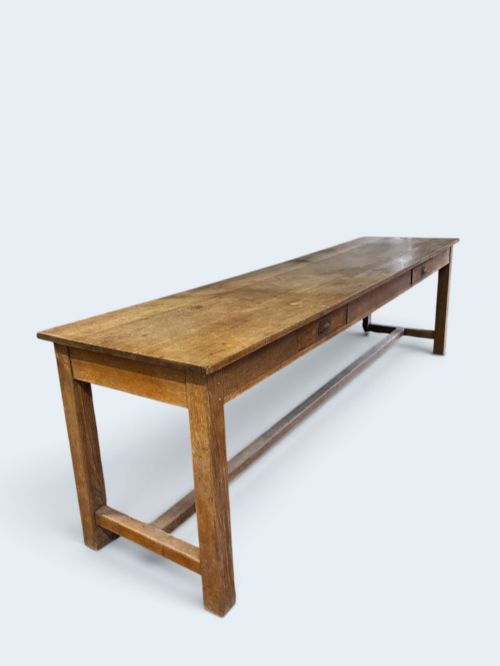
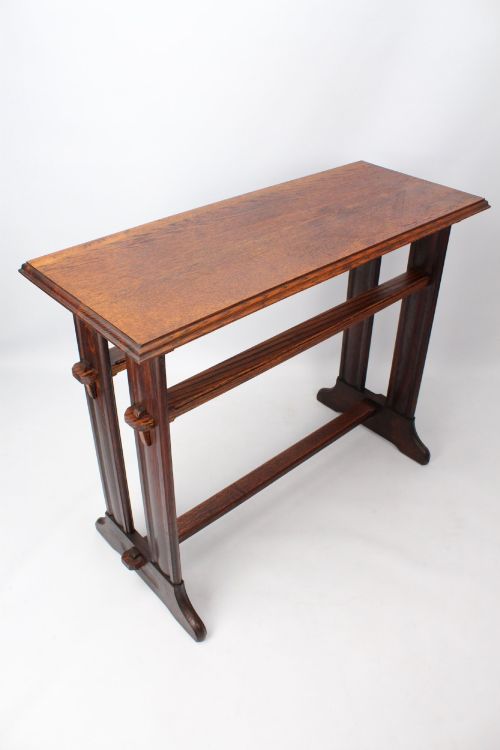
A solid oak console table is a heavy, timber-built piece designed for narrow spaces, halls, and living areas. When you search for a solid oak console table, you encounter forms that range from simple side tables and writing tables to low dressers and serving tables.
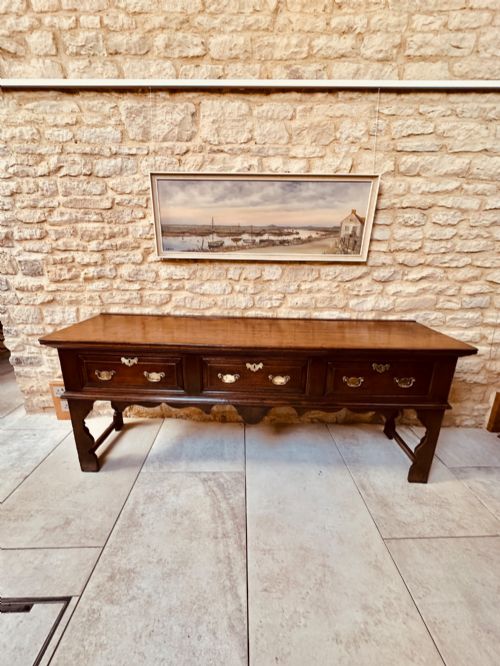
The pieces appearing on this page span several distinct periods, including the seventeenth century, the eighteenth century, and later Victorian, Arts and Crafts, and nineteen-twenties eras. Early examples show vernacular construction and low dresser formats, while later nineteenth and twentieth-century versions often take the form of side tables, writing tables, or hall console tables with carved details.
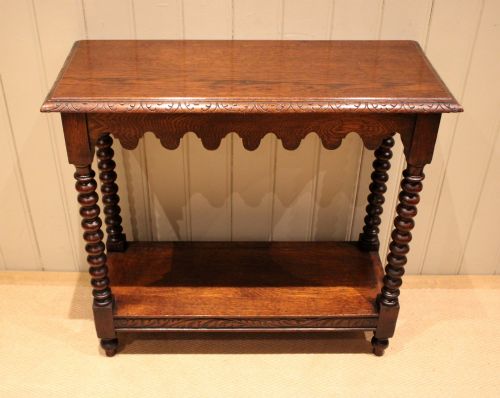
Jacobean Revival styles and Early Georgian forms appear alongside plain oak surfaces and barley twist legs. Each item relies on the strength of oak to provide a dependable, practical surface that has endured across generations.
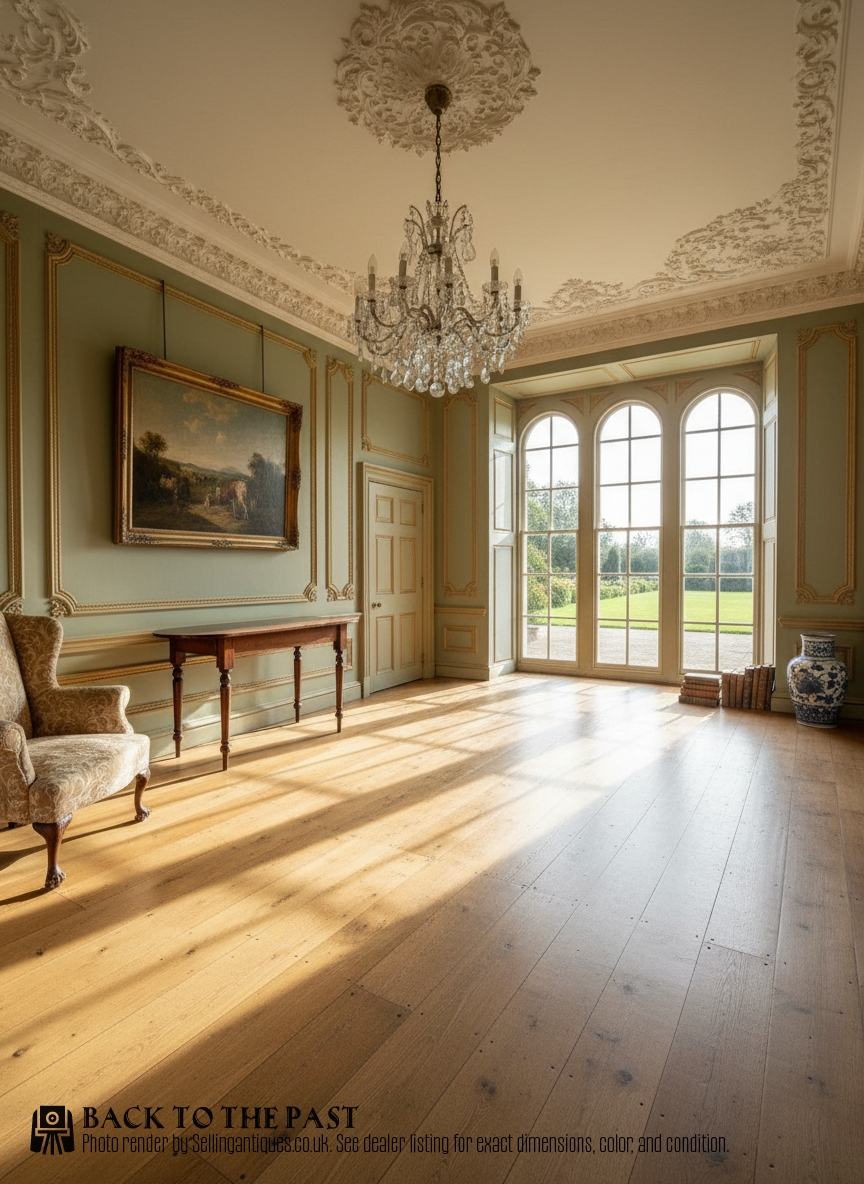
Materials and Construction
These tables are constructed from solid oak, frequently paired with brass hardware and occasionally inset with leather surfaces. Joinery techniques reflect the period of manufacture, utilising traditional framing methods suited to heavy hardwoods.
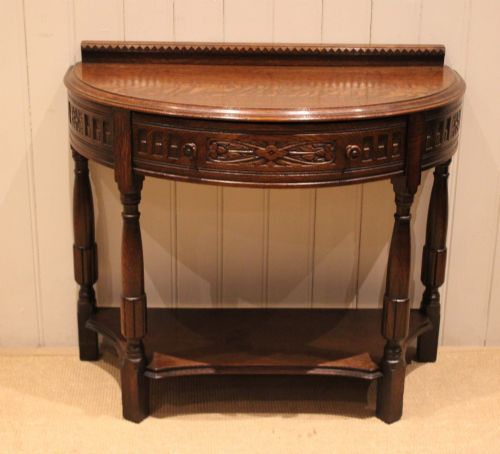
Surface decoration varies from plain, polished timber to carved detailing, including green man masks and barley twist turning. Makers shaped the timber using hand tools in earlier centuries, moving towards workshop machinery by the Victorian and Arts and Crafts periods.
Retail Price Guide 2026
Typical UK retail prices for solid oak console table, calculated from the Sellingantiques database of over a million retail prices indexed since 2003. This retail price guide relies exclusively on Sellingantiques data; no external sources or auction records are used, so the figures do not describe the wider market.
Listings span from the seventeenth century through the Arts and Crafts movement to the nineteen-twenties, incorporating oak, brass, and leather.
Assessing Quality and Character
Quality in these tables rests upon the integrity of the timber and the honesty of the construction. Pieces dating from the seventeenth and eighteenth centuries display patination earned through centuries of use, while Arts and Crafts examples demonstrate skilled hand-detailing and sturdy proportions.
Finer pieces maintain their original brass handles and uncompromised structural joints. The visual weight and depth of the oak grain distinguish the superior examples from more utilitarian workshop output.
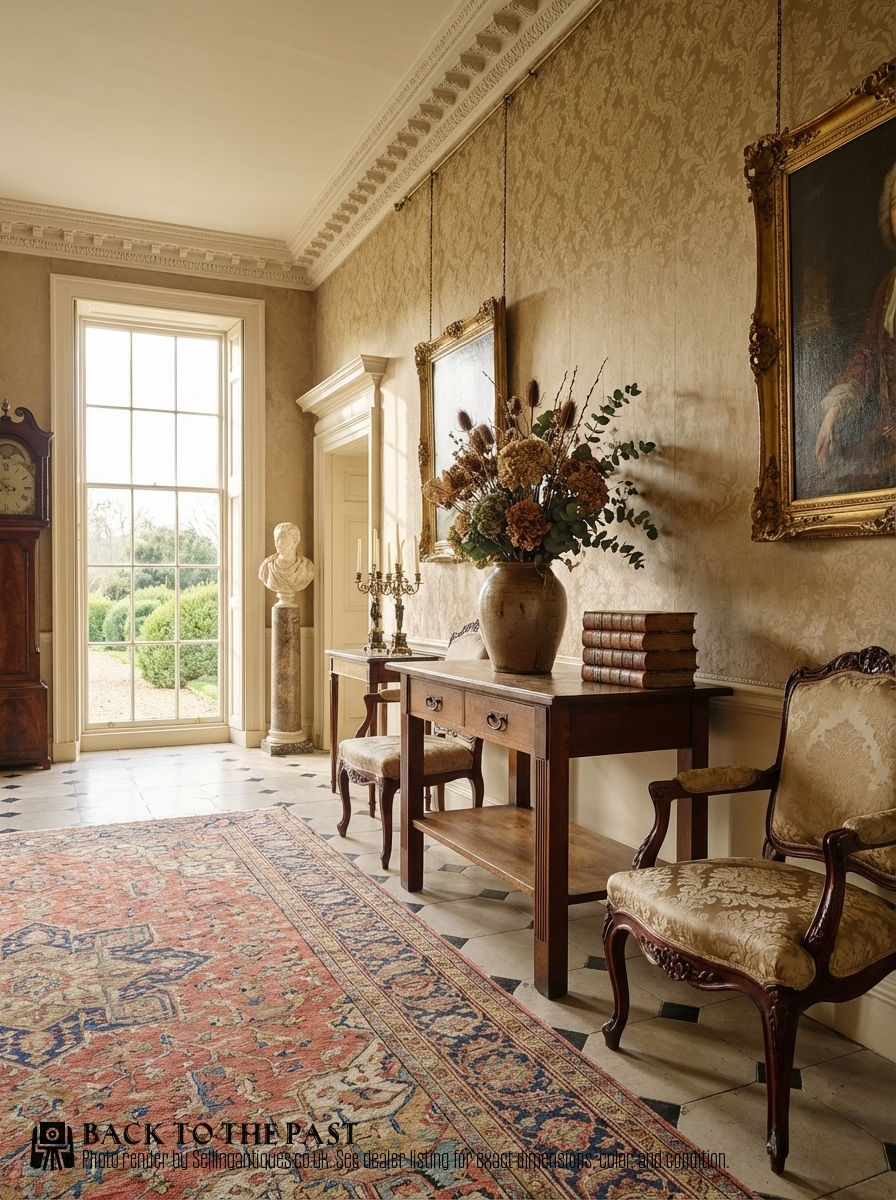
The Solid Oak Console Table Glossary
- Oak
- A durable, hard timber native to Britain and Europe, prized for its strength and distinct grain patterns. It forms the primary structural material for all pieces listed under this search.
- Barley twist
- A spiral turning technique used on table legs and supports, popular during the seventeenth century and revived in later Victorian designs. This decorative feature adds vertical movement to heavy wooden furniture.
- Green man mask
- A sculptural architectural motif depicting a human face entwined with foliage, symbolizing rebirth. It appears carved into the woodwork of specific nineteenth-century console tables.
- Side table
- A functional small table designed to stand against a wall or beside seating. These items share overlapping forms with console and writing tables in the historical record.
Frequently Asked Questions
How do I care for a solid oak table?
Oak benefits from regular dusting with a dry cloth and occasional treatment with traditional beeswax to nourish the timber. Avoid placing solid wood furniture near direct heat sources to prevent splitting.
Keep moisture away from the surface by using coasters and wiping spills promptly. The natural oils in the wood will maintain the finish over time without requiring heavy chemical polishes.
Were these tables always used in hallways?
Historical examples served multiple domestic functions depending on their specific form. Low dressers and serving tables were utilised for food preparation and storage in dining spaces, while writing tables accommodated correspondence.
Over time, narrow proportions made these versatile pieces natural candidates for hallways and entrance passages. Their sturdy construction allowed them to bear heavy objects without tipping.
How can I tell a seventeenth century table from a Victorian revival?
Seventeenth-century pieces exhibit tool marks, pegged joinery, and deep patination acquired through centuries of oxidation and handling. The timber often shows hand-rived splitting rather than mechanical sawing.
Victorian Jacobean Revival tables, made around eighteen-ninety or nineteen-hundred, utilise machine-sawn components and standardised fixings even when copying earlier styles. Examining the underside and interior joints reveals the manufacturing technology of the period.
What is an Arts and Crafts oak table?
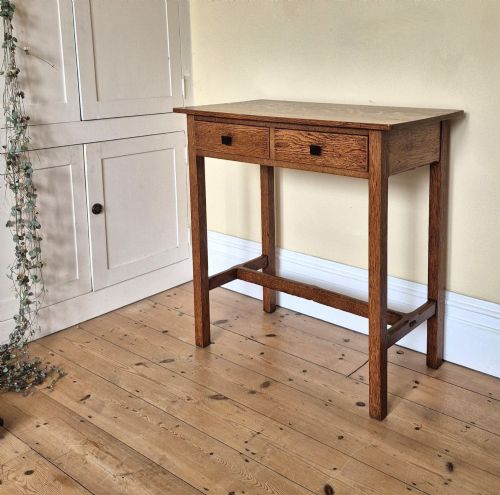
An Arts and Crafts table reflects the design movement of the late nineteenth and early twentieth centuries that prioritized honest construction and visible craftsmanship. These pieces reject mass-produced ornamentation in favor of simple, robust forms.
The oak is often left with a natural or fumed finish that highlights the grain. Construction details like tenons and pins are celebrated as part of the visual aesthetic.