

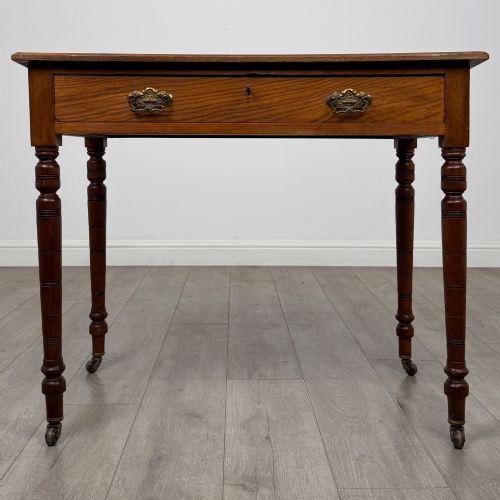
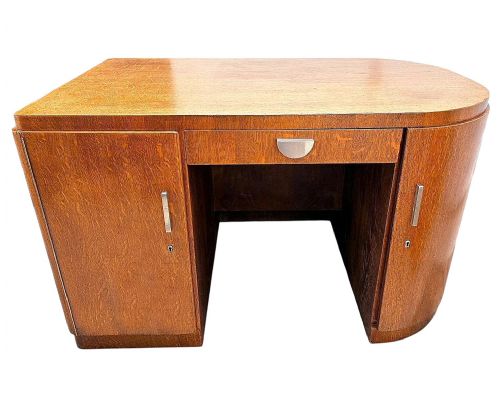
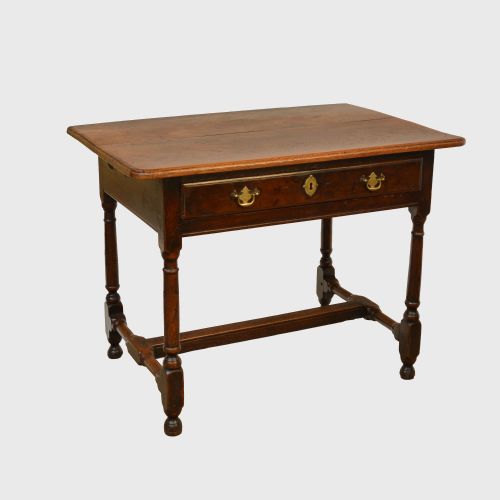
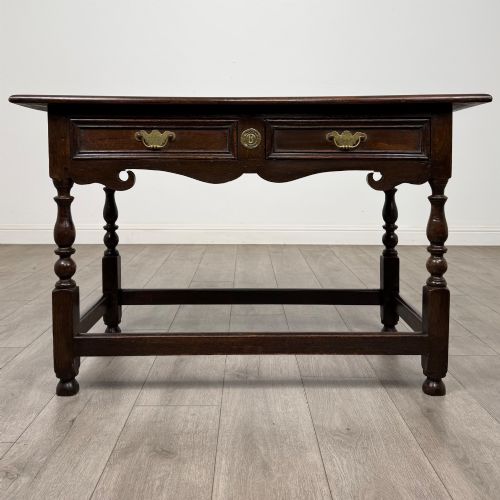
Antique Oak Side Desk
When you search for an antique oak side desk, you step into centuries of sturdy timber craftsmanship designed for practical daily use.
Antique Oak Side Desk
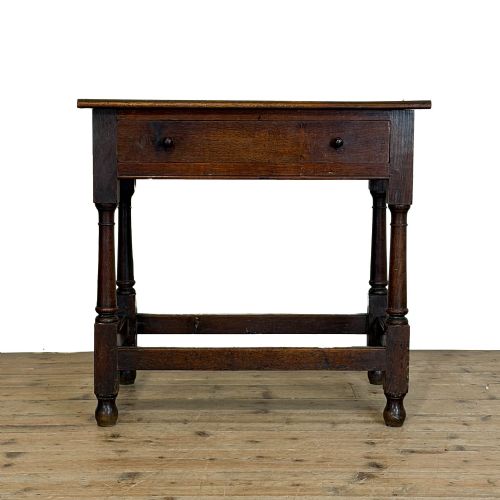
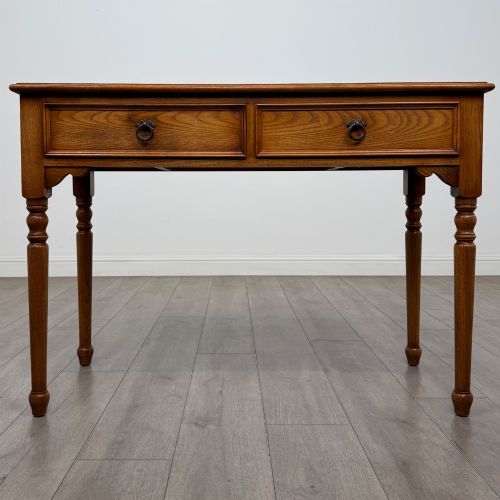
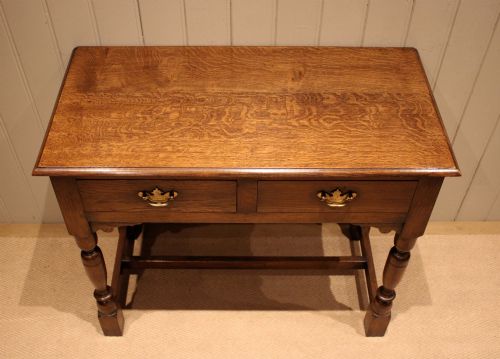
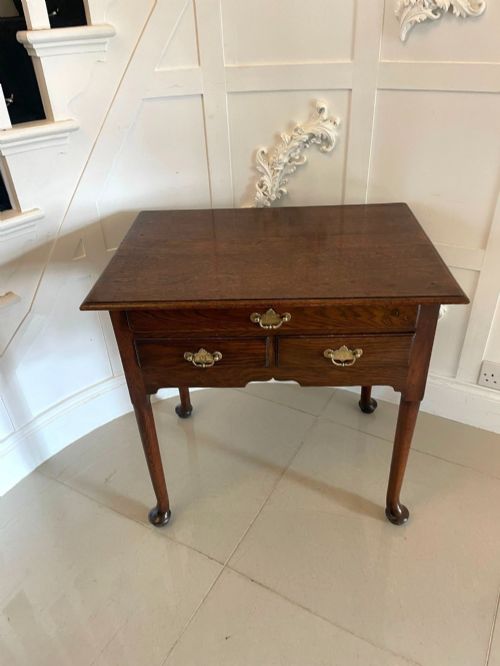
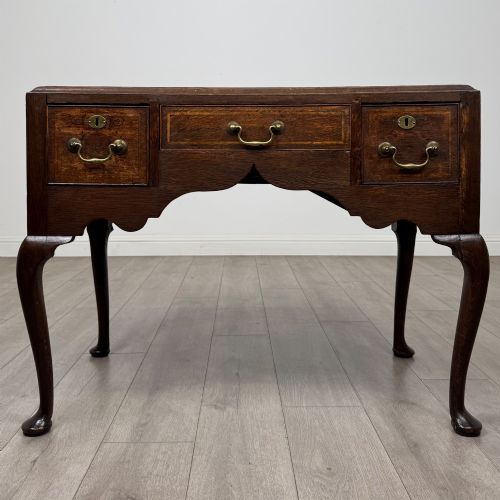
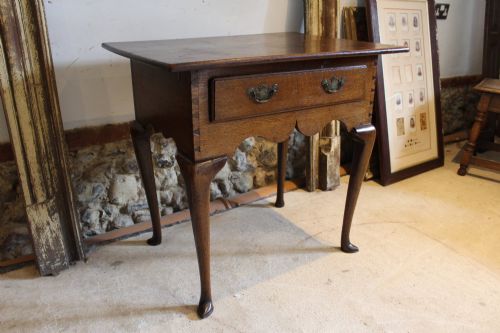
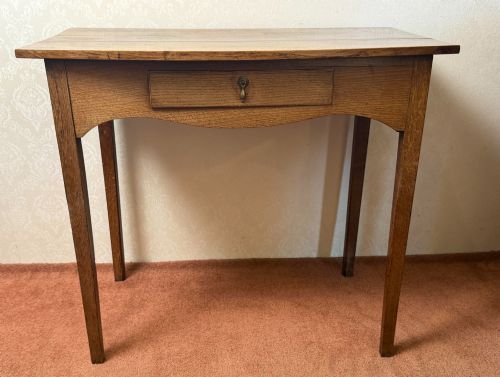
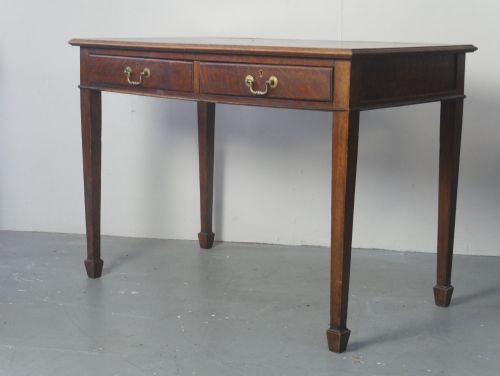
An antique oak side desk bridges the gap between utilitarian workspace and compact furniture, frequently appearing as a Georgian lowboy, a Victorian writing table, or an Edwardian study piece.
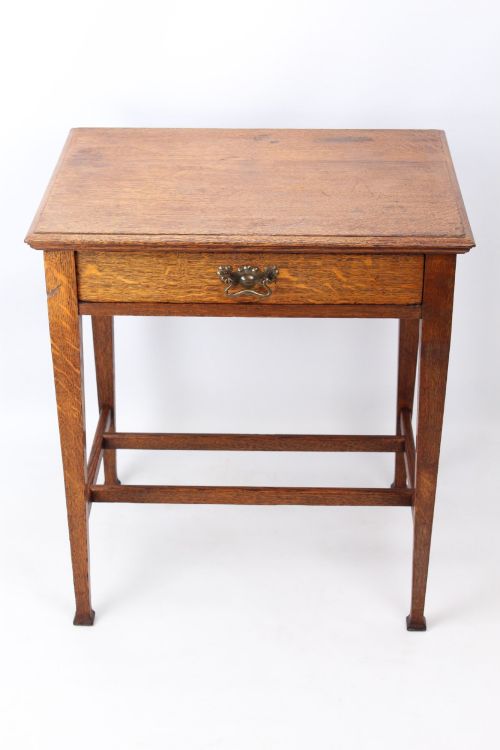
The selection ranges from seventeenth-century provincial surfaces with bold proportions to early twentieth-century Arts and Crafts iterations.
Buyers will encounter these dual-purpose forms functioning as side tables, hall consoles, or writing desks equipped with fitted drawers.
How they were made
Cabinetmakers relied heavily on solid oak timbers, often integrating secondary woods such as yew, elm, and beech into the framing and interior components.
Joinery techniques ranged from traditional peg-joined construction in earlier periods to machine-assisted joints in later Victorian and Edwardian examples.
Surfaces were frequently finished with leather writing inserts, brass drawer pulls, and iron hardware, uniting durability with modest ornamentation.
Antique Oak Side Desk Retail Price Guide 2026
Typical asking prices for oak side desk among the pieces listed under this phrase on Sellingantiques today, from the lower quarter to the upper quarter. They describe what is for sale here now, not the wider market.
Some Victorian variations feature carved Green Man motifs glaring sternly across your stationery while you write.
What varies in quality
The distinction between standard utility pieces and finer examples rests upon the selection of timber grain, the crispness of hand-carved details, and the integrity of the original construction.
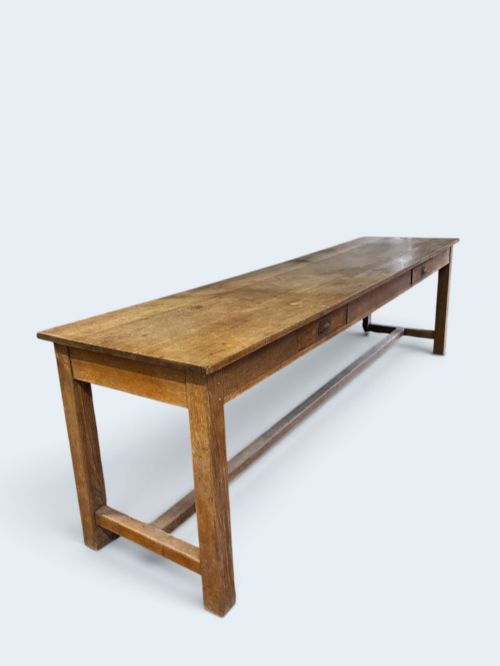
Proportions dictate much of the desirability, with smaller, narrower tables commanding attention for their versatility compared to heavier, utilitarian workshop benches.
Heals of London·Bell Barn Furniture
The Antique Oak Side Desk Glossary
- Lowboy
- A small oak dressing or writing table featuring one or more drawers, originating prominently in the eighteenth century. These low-standing pieces often served multiple rooms in a home.
- Peg joined
- A method of securing timber joints using wooden dowels rather than modern adhesives. This historic technique indicates traditional hand construction.
- Arts and Crafts
- A design movement prioritising simple forms, local materials, and visible handcrafting. Pieces from this era reject excessive industrial ornamentation.
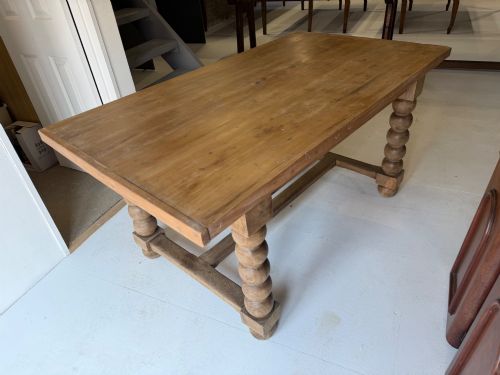
- Bobbin leg
- A turned furniture leg shaped to resemble a string of beads or bobbins. This decorative turning style appears frequently on seventeenth and nineteenth-century tables.
- Console table
- A table designed to stand against a wall, frequently utilised in hallways or studies. They offer surface space without obstructing walkways.
Antique Oak Side Desk: Frequently Asked Questions
How do I use a side desk at home?
These compact tables function well as laptop workstations in modern studies or as decorative console surfaces in hallways.
Their fitted drawers provide convenient storage for daily stationery while the shallow depth preserves valuable floor space.
Are these desks suitable for daily work?
Historic writing tables accommodate modern writing and laptop use, though their lower working heights compared to modern desks should be considered.
Pairing them with a suitable period chair ensures comfortable daily use in a home office.
How do I date an oak desk?
Dating relies upon examining construction methods, timber patination, hardware styles, and overall aesthetic proportions.
Earlier pieces often feature pegged joints and hand-planed surfaces, whereas twentieth-century examples display standardised industrial fixings.