
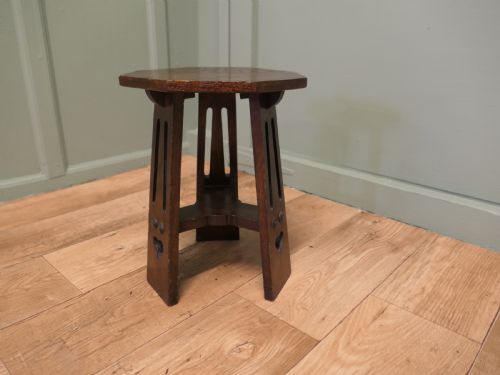
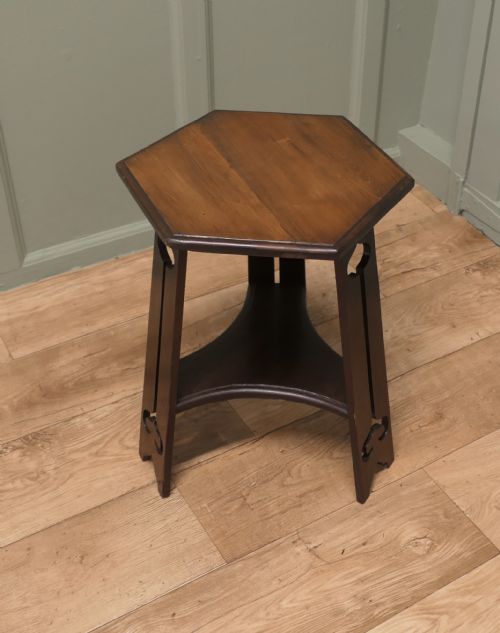
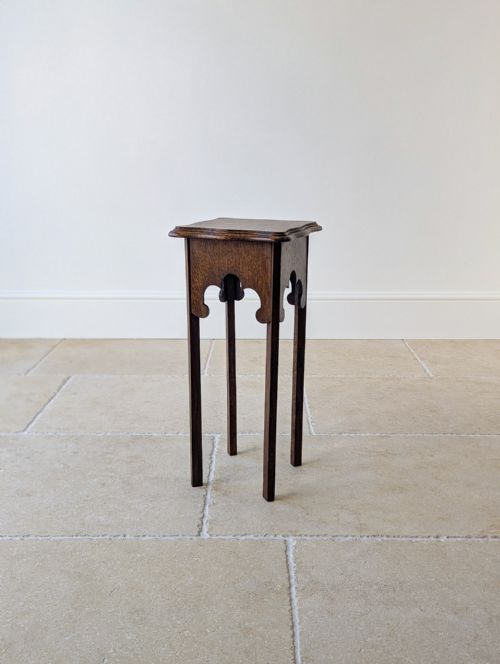
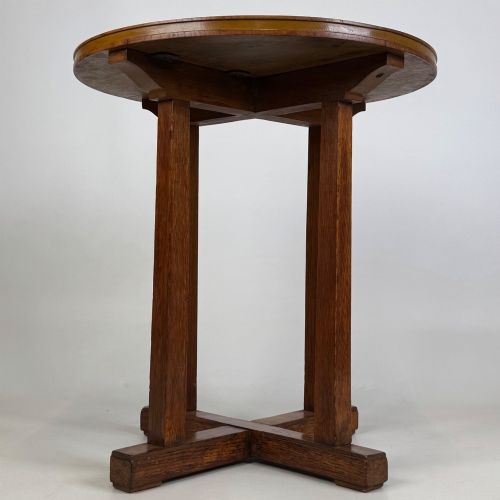


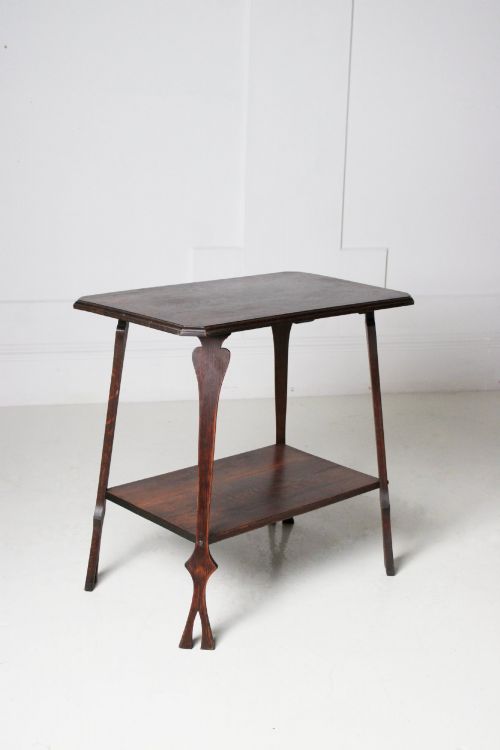
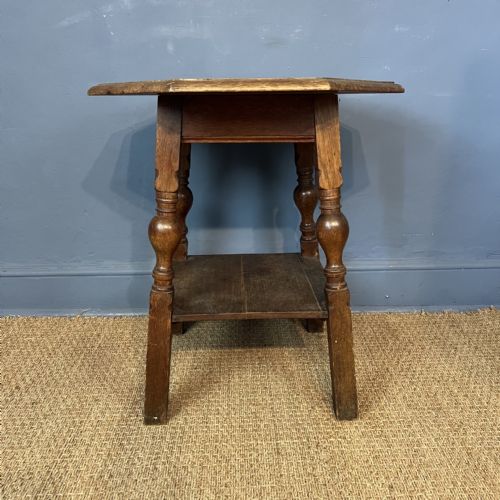


Craftsman Oak Side Table
A craftsman oak side table brings solid utility and honest construction into a room, offering sturdy charm for daily use.
What these pieces are
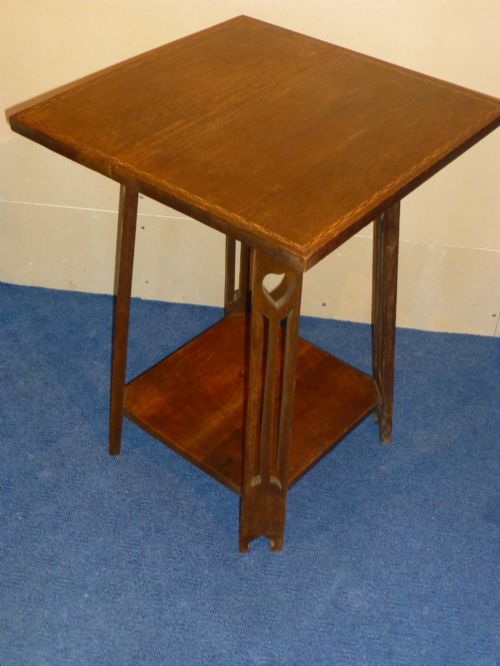
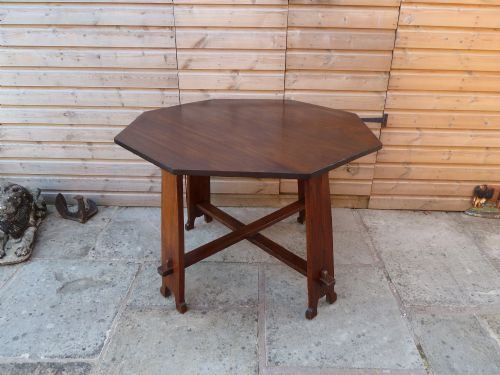
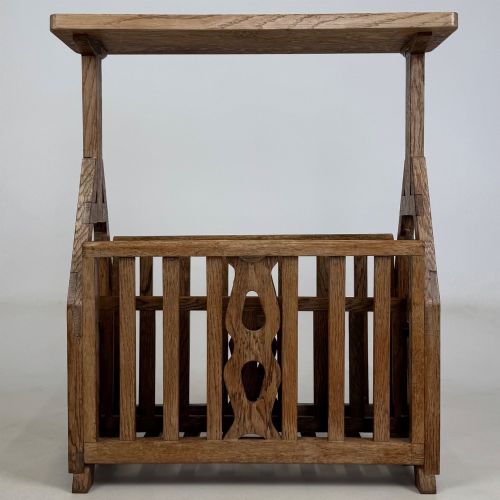
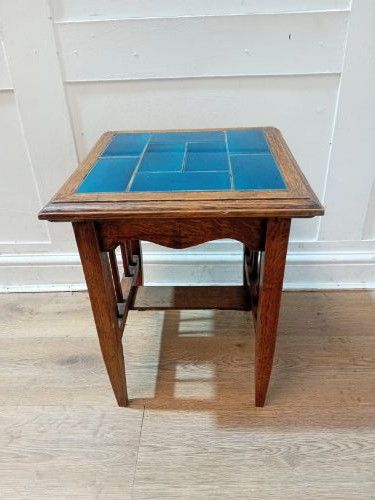
A craftsman oak side table appears in forms such as round occasional pieces, tile top surfaces, and tiered tables. These items embody the practical designs characteristic of the Arts and Crafts movement.
The selections span from the late Victorian and Edwardian eras into the early twentieth century, showing straightforward timber construction. Buyers encounter rectangular occasional tables alongside circular and tiered variants.
Originating during periods valuing visible structure, a craftsman oak side table serves dependable everyday functions in a hallway or beside a chair.
How they were made
Craftsmen utilised traditional joinery to build these items without relying on excessive ornamentation. The resulting tables display the natural grain of the wood alongside functional decorative elements like tiles.
Retail Price Guide 2026
Typical UK retail prices for craftsman oak side table, calculated from the Sellingantiques database of over a million retail prices indexed since 2003. This retail price guide relies exclusively on Sellingantiques data; no external sources or auction records are used, so the figures do not describe the wider market.
Recorded periods span from eighteen eighty and the Victorian era through Edwardian times up to nineteen thirty.
What varies in quality
The distinction between standard and superior pieces rests upon the integration of secondary materials like decorative ceramic tiles and brass hardware. Finer examples display meticulous attention to timber selection and inlay work.
Simpler tiered structures contrast with more elaborately detailed tile top surfaces from the nineteenth and twentieth centuries. The purity of the Arts and Crafts aesthetic defines the upper end of these items.
The Craftsman Oak Side Table Glossary
- Arts & Crafts
- A design movement spanning the late nineteenth and early twentieth centuries that emphasised handcrafting and honest materials. It rejected mass production in favour of visible construction and simple utility.
- Occasional table
- A small, movable table designed for specific, temporary uses such as holding a lamp or book. These pieces offer versatile placement throughout living spaces.
- Tile top
- A table surface inset with ceramic tiles, often glazed and decorative. This feature provided a heat-resistant surface for teacups and jugs.
- Tiered table
- A piece featuring multiple stacked surfaces supported by upright posts. This design maximised display and storage space within a compact footprint.
Frequently Asked Questions
What is a craftsman oak side table?
These are sturdy wooden tables produced during the late Victorian, Edwardian, and early twentieth-century periods. They reflect the design principles of the Arts and Crafts movement.
Such items often feature simple lines, visible timber grain, and occasionally ceramic tiles or brass fittings. They were built for everyday utility in domestic interiors.
How were these tables used originally?
Households placed these surfaces beside seating areas to hold books, lamps, or tea services. Tiered variants provided extra levels for display.
Tile top versions offered a practical, wipe-clean surface for everyday tasks. Their robust construction suited busy family rooms and parlours alike.
How do I live with one today?
An oak table integrates easily beside modern or traditional seating, offering reliable surface space. The durable timber withstands daily use without demanding overly complex care.
Keep the wood nourished with appropriate wax and protect tile surfaces from harsh impacts. These items bring warmth and straightforward utility to contemporary hallways and sitting rooms.
How can I tell the periods apart?
Pieces span from the eighteen-eighties through the Edwardian years and into nineteen thirty. Earlier examples often align with Victorian Arts and Crafts ideals.
Later pieces from the twentieth century can include simpler three-tier structures. Examining the timber finish, joinery style, and integrated materials helps clarify the era of manufacture.