

Antique Oak Sideboard Rack
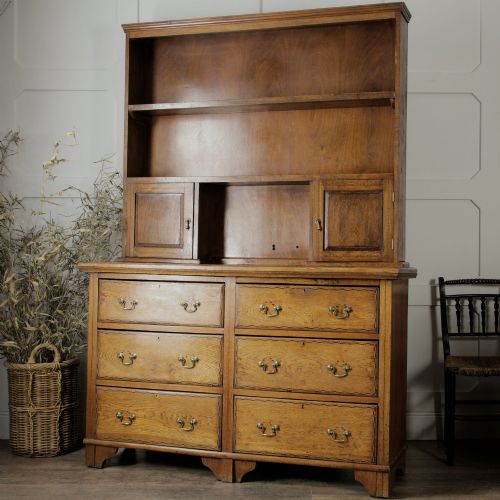
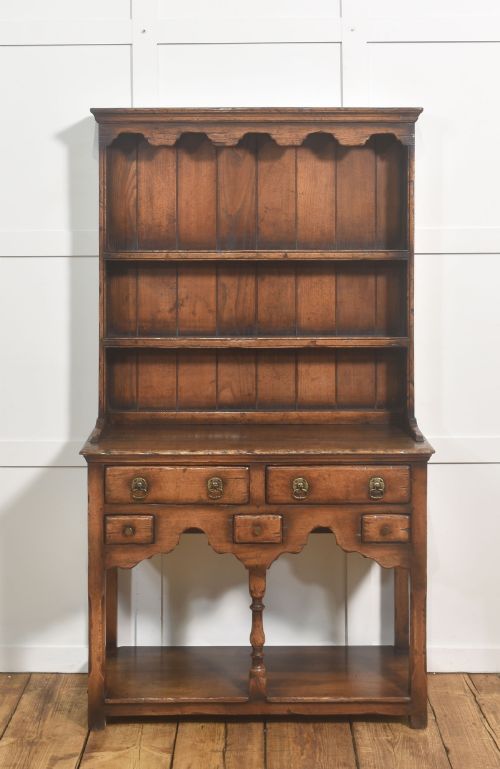
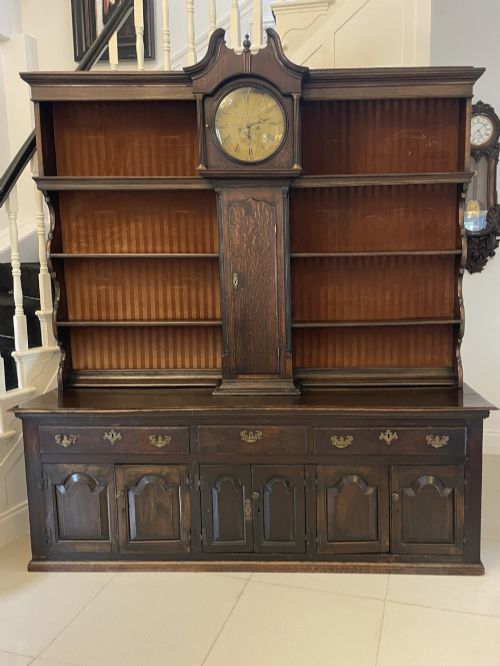
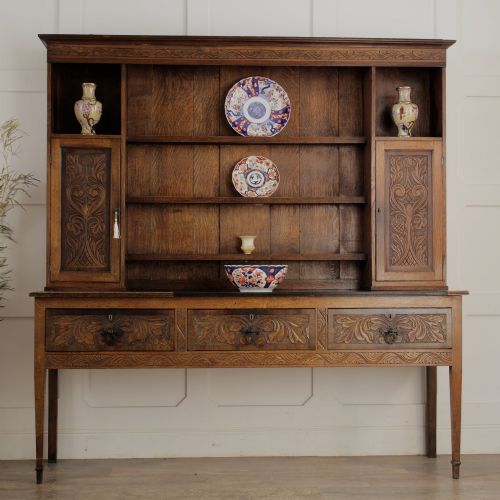
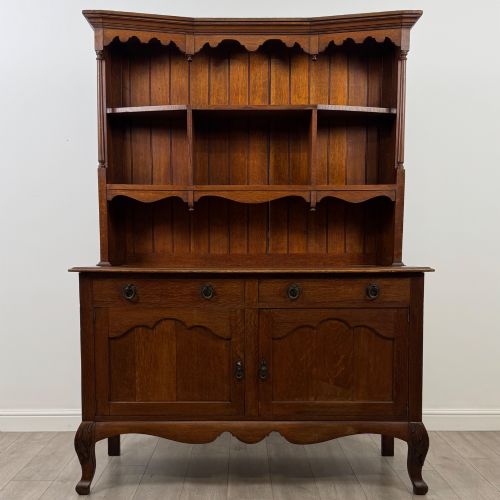
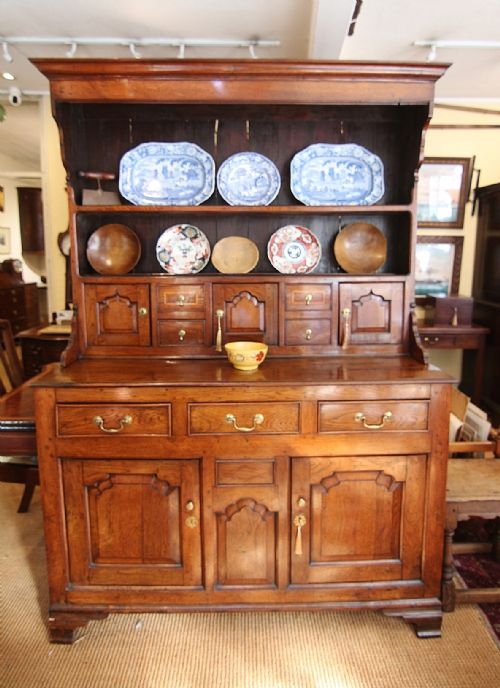
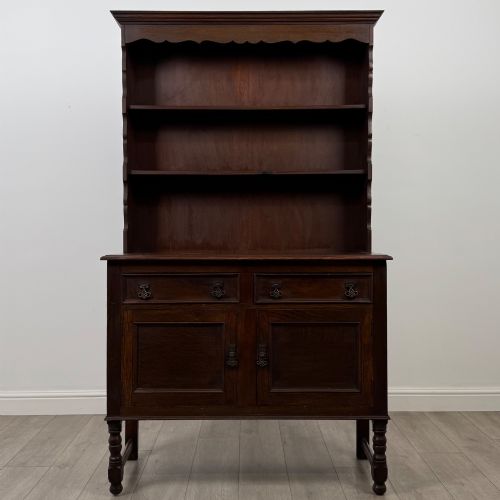
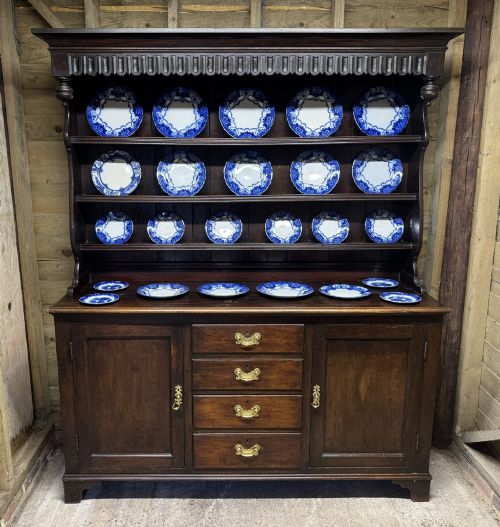
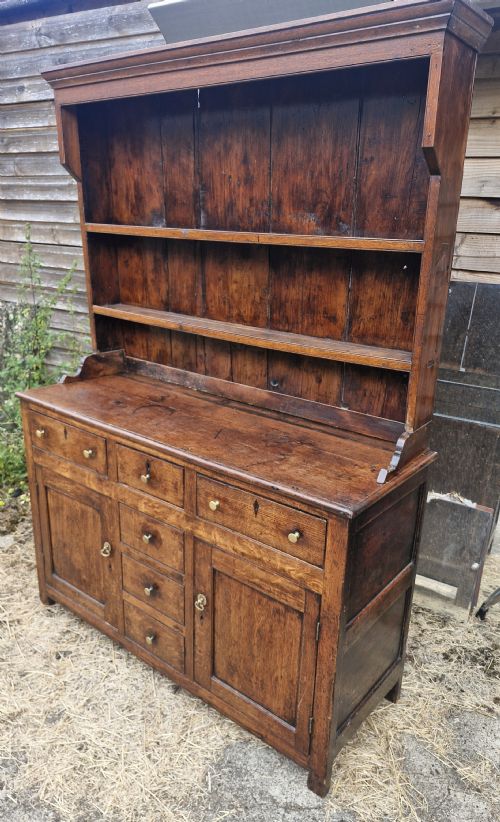
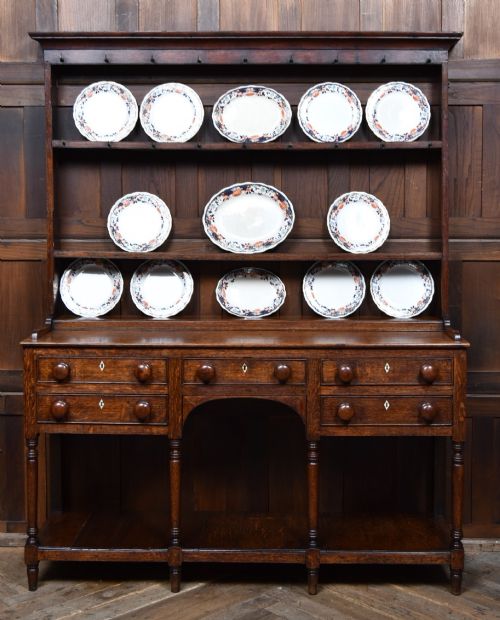
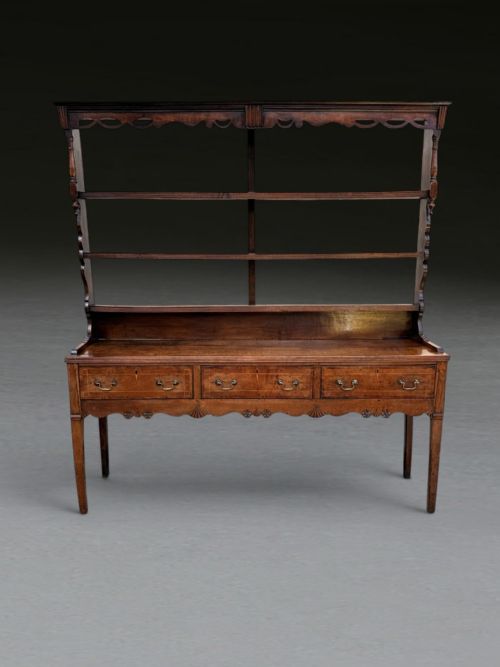
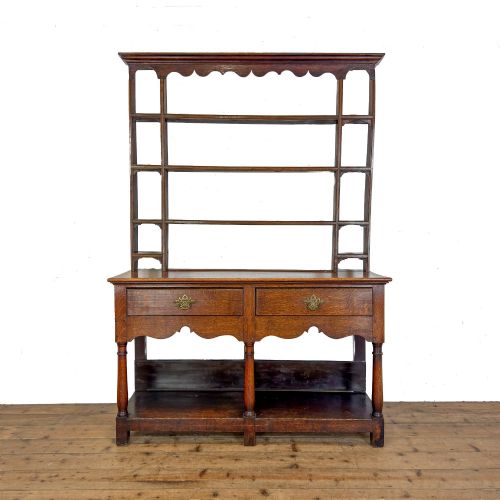
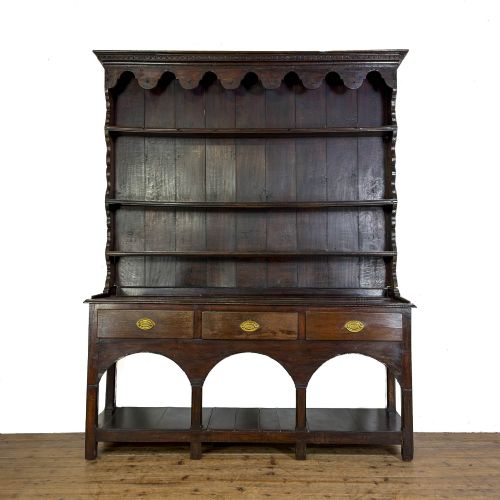
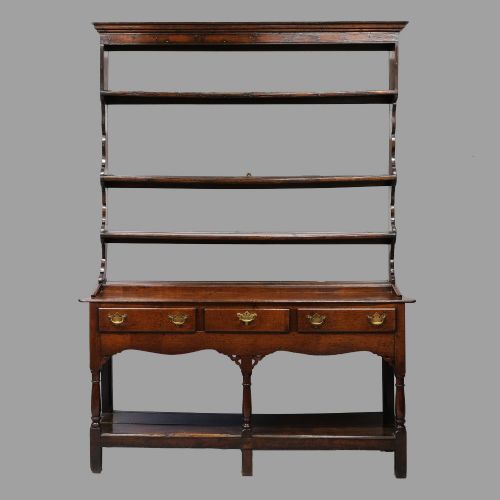
An antique oak sideboard rack combines a sturdy timber base with upper open shelving designed to display domestic plate.
Antique Oak Sideboard Rack
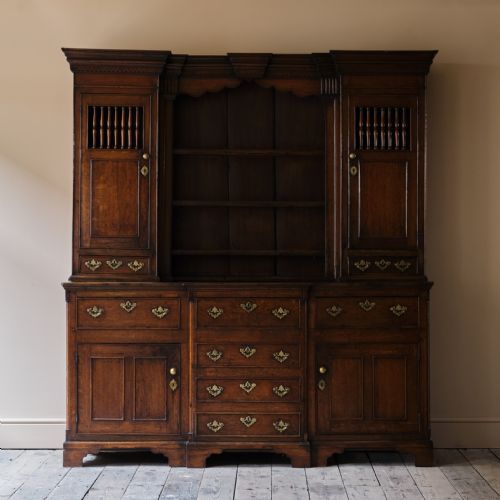
When searching for an antique oak sideboard rack, a buyer looks at large vernacular kitchen furniture designed for display and storage. These pieces combine a lower base of drawers and cupboards with an upper plate rack featuring open shelves.
The versions most commonly met on this page originate from regional traditions across Wales and English counties during the Georgian and Victorian eras. They range from simple potboard bases to breakfront formats incorporating mahogany banding or complex carved detail.
Regional variations define much of what appears, including distinct styles associated with Snowdonia, Anglesey, and Shropshire. These pieces reflect the domestic needs of historic farmhouses and country houses.
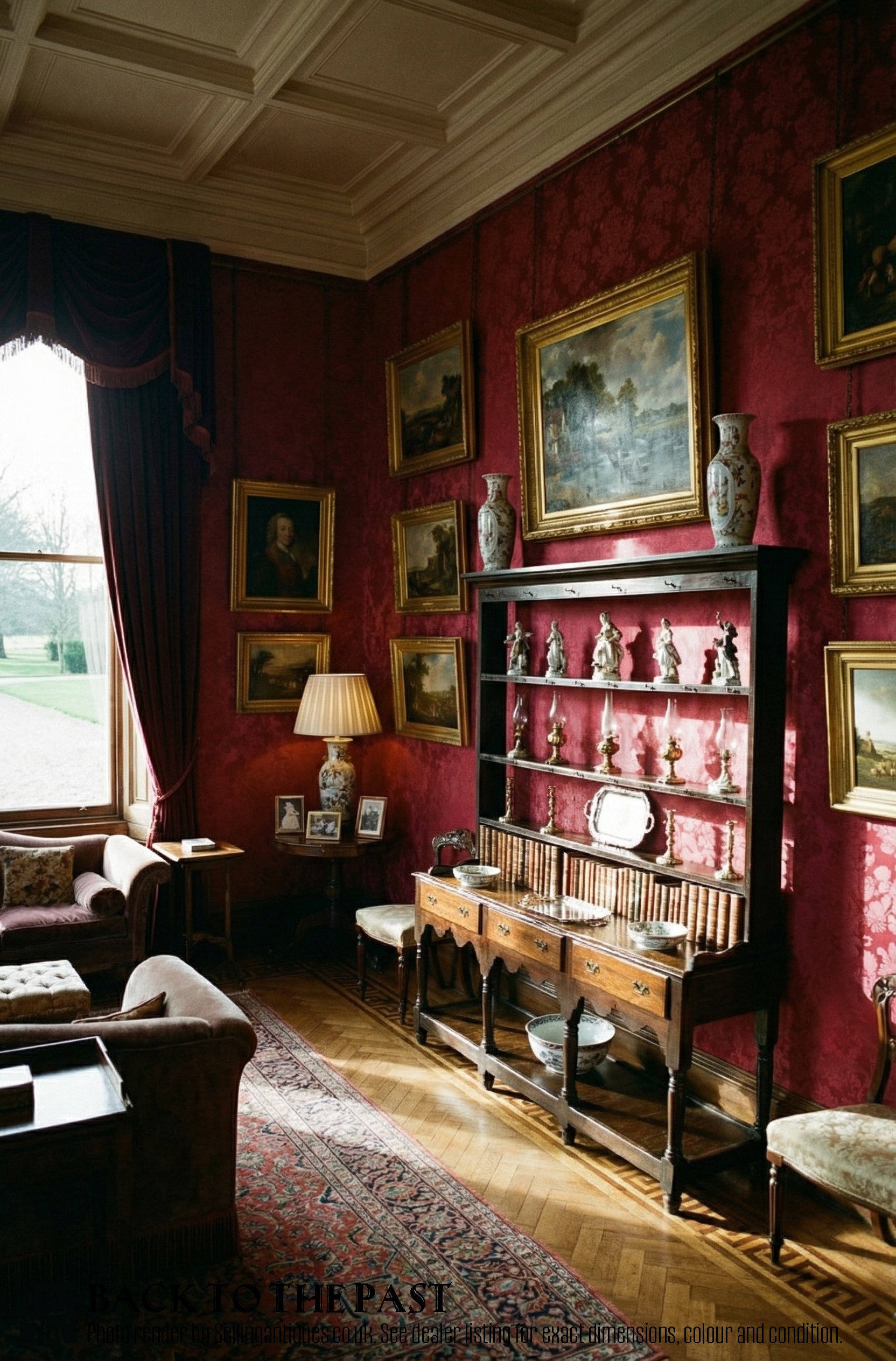
Materials and Construction Methods
Makers relied primarily on solid oak, supplemented by secondary timbers such as pine, elm, and mahogany for interiors or decorative banding. Brass fixtures served for handles and escutcheons, while iron and bone occasionally appeared in structural joints or detailing.
Construction involved heavy joining and framing techniques to support the weight of timber and stacked ceramics. Surfaces often display natural grain patterns or historical beeswax finishes, showing the tool marks of regional cabinetmakers.
Antique Oak Sideboard Rack Retail Price Guide 2026
Typical asking prices for oak sideboard rack among the pieces listed under this phrase on Sellingantiques today, from the lower quarter to the upper quarter. They describe what is for sale here now, not the wider market.
Historical listings include a dedicated bread and cheese cupboard base alongside plate racks designed to hold dogs from a Snowdon cafe.
Factors Defining Quality
The standard of an antique oak sideboard rack rests on the integrity of its timber and the retention of its original plate rack. Pieces that maintain their early hardware, uncompromised potboards, and untouched surface patination stand apart from those with extensive replacements.
Regional character and proportion also determine distinction, with well-balanced cornices and crisp joinery separating vernacular workshop output from later revival examples. The harmony between the base and its upper shelves remains central to historical authenticity.
The Antique Oak Sideboard Rack Glossary
- Potboard
- An open lower shelf fitted beneath a dresser base traditionally used for storing pots and pans. This platform sits just above the floor on stile feet.
- Plate rack
- The upper shelving unit attached to the back of a dresser base, featuring grooves to hold plates upright. These structures often incorporate small spice cupboards or hooks.
- Breakfront
- A cabinet design where the central section projects forward from the flanking outer cupboards or drawers. This architectural layout appears frequently in regional Welsh examples.
- Vernacular
- Furniture built by local country joiners using traditional regional styles rather than formal London designs. These pieces utilise native timbers suited to domestic utility.
Antique Oak Sideboard Rack: Frequently Asked Questions
How are antique oak sideboard racks cleaned?
Dust surfaces regularly with a dry, soft cloth to prevent particulate buildup in the timber grain. Apply traditional beeswax periodically to nourish the wood and maintain its natural lustre.
Avoid modern liquid polishes containing silicone, which can penetrate open grain and permanently alter the historic patination. Keep the furniture away from direct heat sources and strong sunlight to prevent warping.
Can these dressers support heavy dinner services?
The structural framing of these pieces is robustly built from solid timber designed to hold everyday kitchenware. Historic plate racks feature built-in wooden grooves that secure heavy ceramic plates safely in an upright position.
While original joints are durable, distribute weight evenly across the shelves to protect older timber fixings. Ensure the upper rack is securely attached to the wall if storing exceptionally heavy collections.
How do I identify a regional style?
Regional characteristics appear in the configuration of drawers, cupboard layouts, and decorative carving details. Welsh pieces often feature distinctive breakfront proportions or specific local timber choices.
Local cabinetmakers utilised construction methods typical of their specific county or valley workshops. Comparing drawer linings and backboards helps reveal the geographical origin of the piece.
Were the base and rack always made together?
Many surviving examples retain their original matching upper and lower sections as constructed by the original maker. Over centuries, some dressers and racks became separated and were later reunited based on timber colour and period.
Examine the mounting points, timber matching, and wear patterns where the rack joins the base to assess originality. Consistent patination across both sections usually indicates they have remained together.