


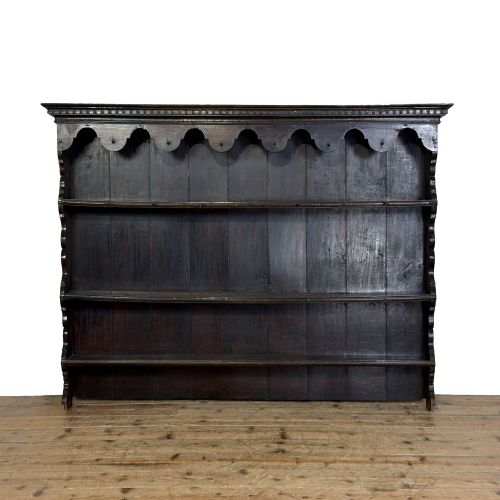
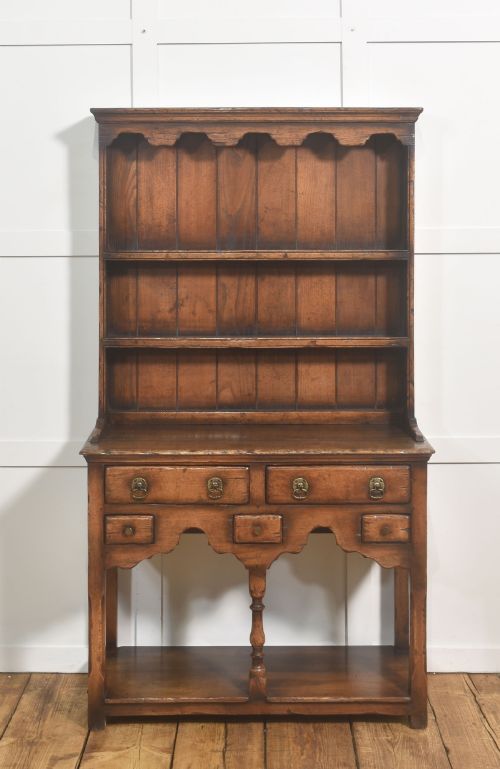
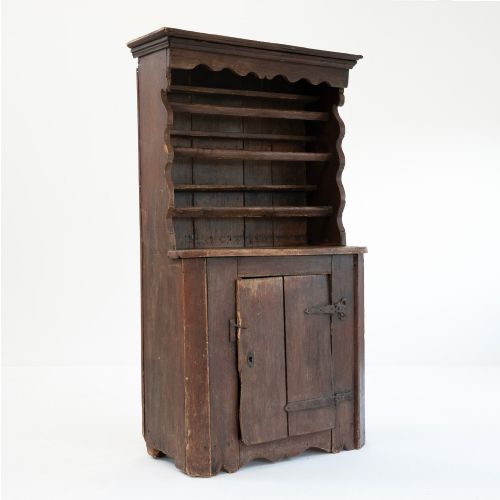
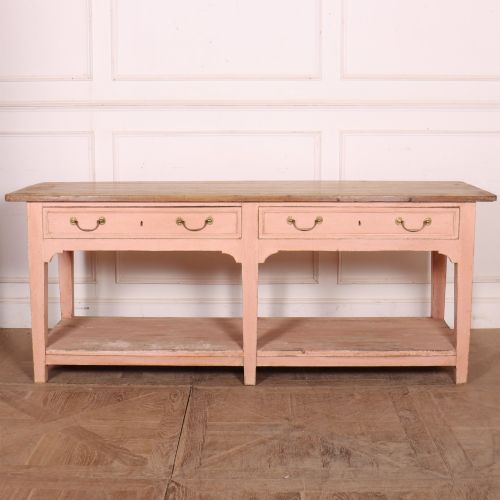
Antique Dresser with Shelves
An antique dresser with shelves brings timeless timber and open display space into a room, joining practical storage with historic craft.
Antique Dresser with Shelves
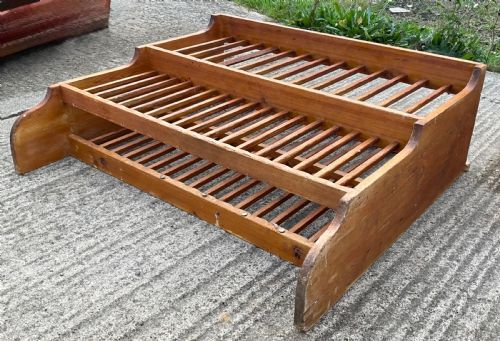
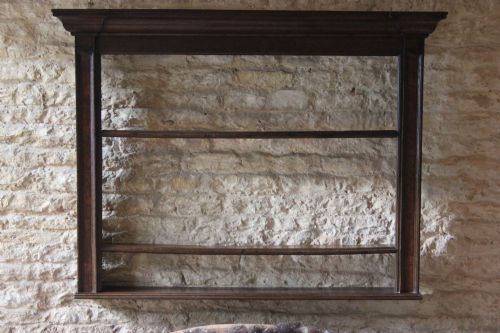
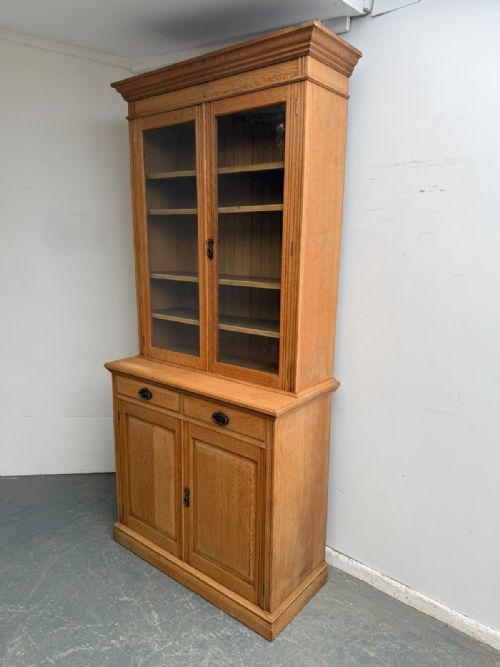
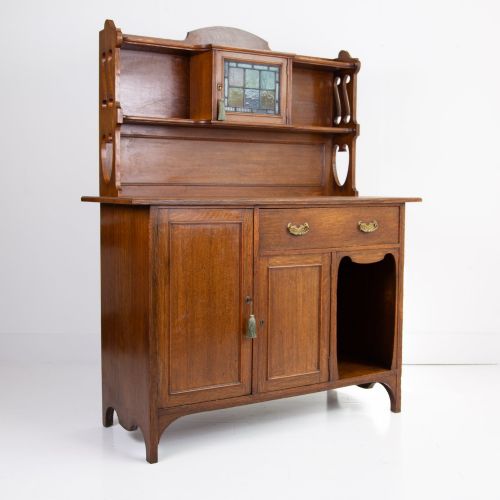
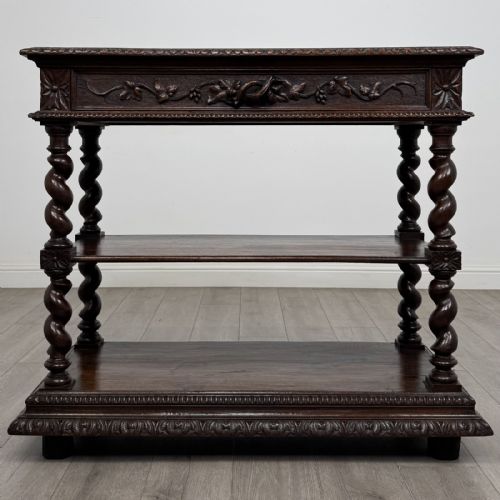
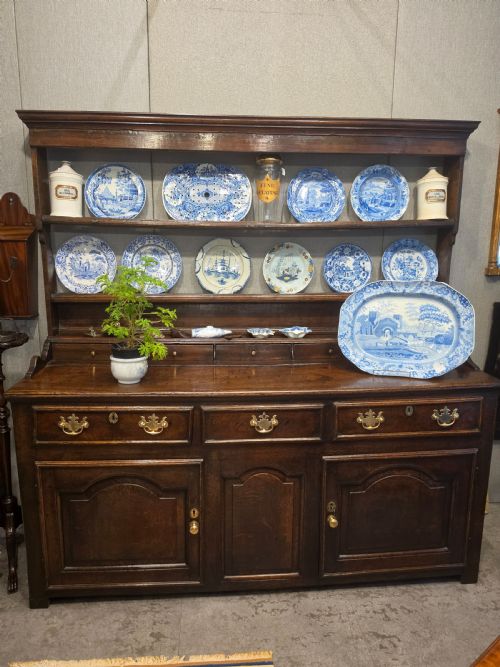
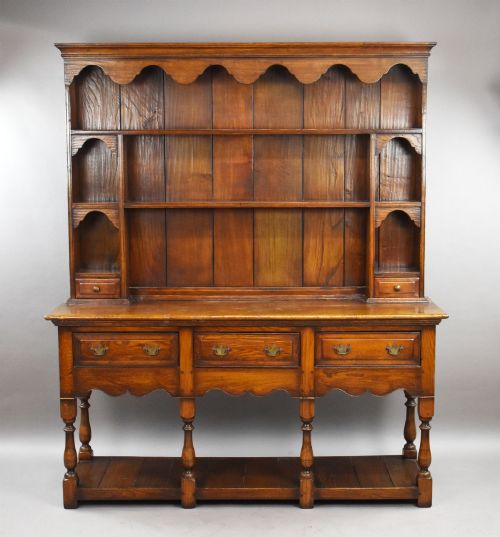
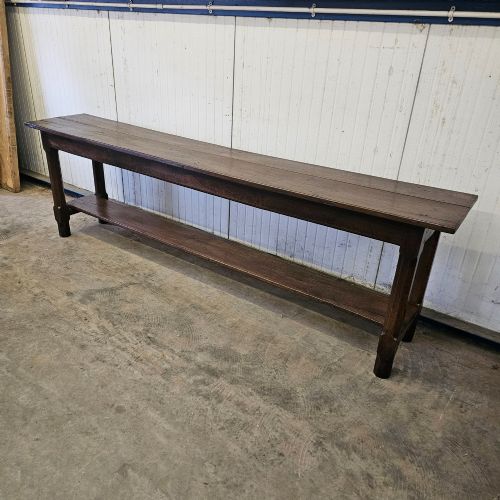
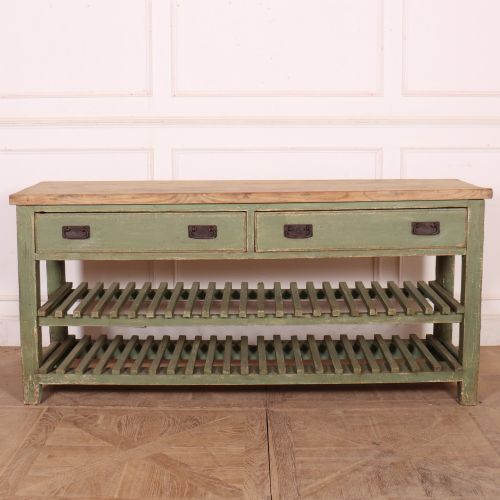
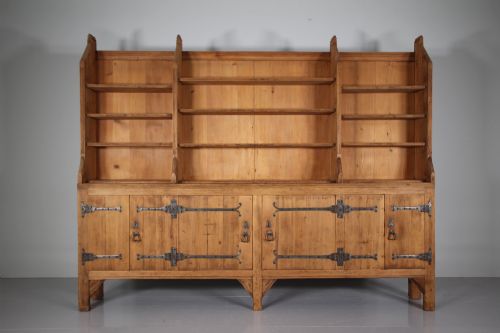
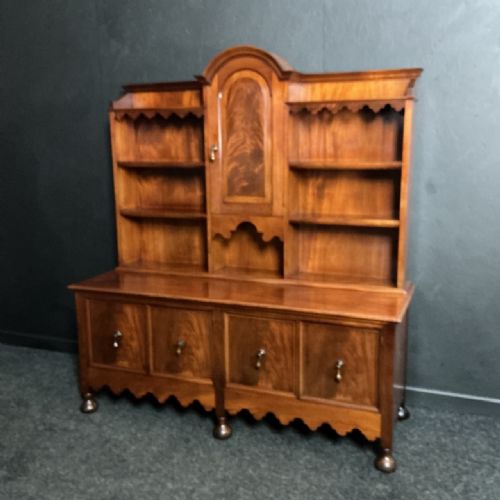
When you search for an antique dresser with shelves, you encounter substantial furniture pieces designed for storage and display, most frequently seen here as oak or pine Welsh dressers and country furniture featuring plate racks or open top shelves. These items range from eighteenth-century Georgian country pieces with pot boards to nineteenth-century Victorian and Edwardian examples in mahogany, tiger oak, and burr walnut.
The core structure typically combines a lower base fitted with cupboards or drawers and an upper section dedicated to open shelving, delft racks, or glazed bookcase tops. Stylistic variations span English country, Jacobean revival, Gothic revival, and French provincial origins, showing how different regions adapted timber storage to domestic life.
Materials and Construction
Cabinetmakers relied heavily on native hardwoods and softwoods, predominantly oak and pine, alongside mahogany, burr walnut, and rosewood for finer formal commissions. Construction involved traditional joinery methods, utilising solid timber planks for pot boards, plate racks, and dresser bases, frequently reinforced with brass or iron hardware.
Surface detailing incorporated hand-carving, inlay work, glazing, and painted or simulated finishes, reflecting the specific period aesthetic from Georgian country cottage simplicity to Edwardian mahogany refinement.
Antique Dresser with Shelves Retail Price Guide 2026
Typical asking prices for dresser with shelves among the pieces listed under this phrase on Sellingantiques today, from the lower quarter to the upper quarter. They describe what is for sale here now, not the wider market.
Listings feature periods spanning from the eighteenth century through the Edwardian era, constructed in oak, pine, mahogany, walnut, and rosewood.
Evaluating Quality and Construction
Quality rests primarily on the integrity of the timber selection, the crispness of any hand-carving or inlay, and whether the upper plate rack or shelving unit matches the lower base in material and age. Pieces exhibiting superior joinery, untouched patination, and original hardware hold greater distinction than those with heavily altered components or mismatched upper sections.
The sophistication of the secondary woods, the stability of pot boards, and the retention of original glass or brass mounts further distinguish standard regional vernacular furniture from exceptional cabinet work.
Gillows
The Antique Dresser with Shelves Glossary
- Plate rack
- A set of open shelves fixed to the upper back of a dresser, designed specifically to display plates upright. These often include slender timber grooves or plate rails.
- Pot board
- A low horizontal lower shelf fitted between the legs of an open-base dresser, originally intended for storing heavy pots and pans. It forms a distinct architectural feature of country oak dressers.
- Welsh dresser
- A traditional two-part storage unit comprising a base of drawers and cupboards surmounted by open shelves for crockery. They are typically constructed from oak or pine.
- Chiffonier
- A compact sideboard or low cabinet popular during the Regency and Victorian periods, frequently equipped with small drawers, enclosed lower cupboards, and open upper shelves.
- Credenza
- A formal decorative cabinet or sideboard, often mounted with ormolu and inlaid woods, sitting low to the ground without upright superstructure.
Antique Dresser with Shelves: Frequently Asked Questions
What is a Welsh dresser?
A Welsh dresser is a traditional two-part furniture piece combining a solid lower section of drawers and cupboards with an open shelved rack on top. It served historically as the main storage and display unit in farmhouse kitchens.
Over time, these pieces evolved into decorative household furniture, utilising timbers such as oak and pine to showcase ceramics and pewter.
How do I date an antique dresser?
Dating relies on observing timber choices, construction techniques, and stylistic markers across the piece. Eighteenth-century examples often feature pegged oak joints and pot boards, while Victorian and Edwardian versions introduce mahogany, walnut, and machine-cut elements.
Examining the backboards, drawer linings, and hardware provides further clues to the exact manufacturing era.
Can these dressers be used in modern kitchens?
These dressers integrate well into contemporary kitchens and dining areas, providing practical storage for dinnerware and generous display space for decorative items. The open shelves allow for accessible everyday use.
Placing them in a modern setting adds warmth, texture, and historical contrast through aged timber patination.
What is the difference between a dresser and a sideboard?
A traditional dresser includes an integrated upper shelving unit or plate rack fixed above the lower storage base. A sideboard consists solely of the lower cabinet or console structure with drawers and cupboards.
While both provide surface and enclosed storage, only dressers offer vertical display space for plates and books.