

Welsh Dresser Rack
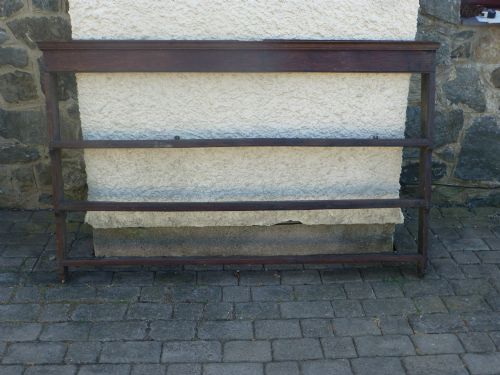
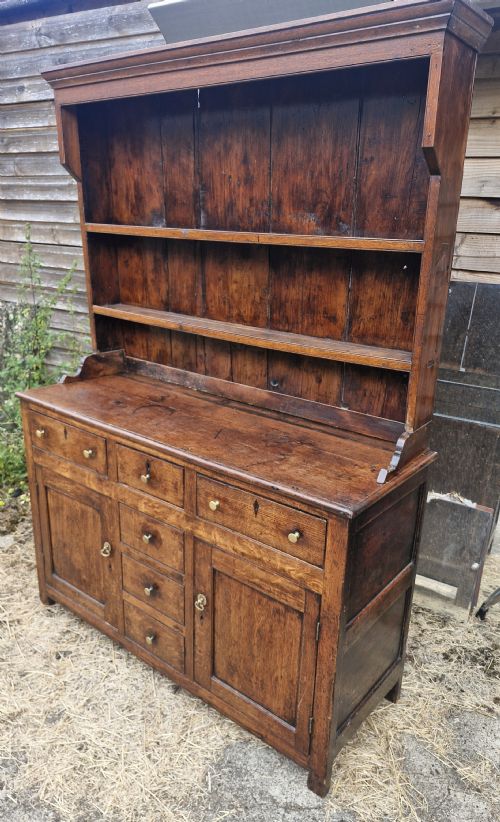
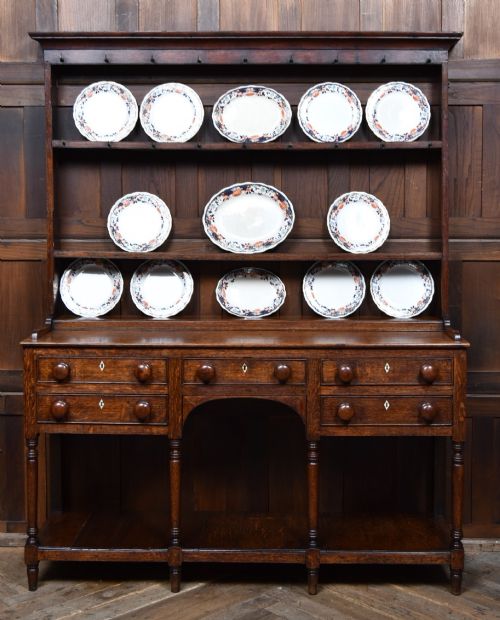
When you search for a welsh dresser rack, you are looking for the upper shelving structure designed to display ceramic plates and pewter above a lower sideboard base.
Welsh Dresser Rack
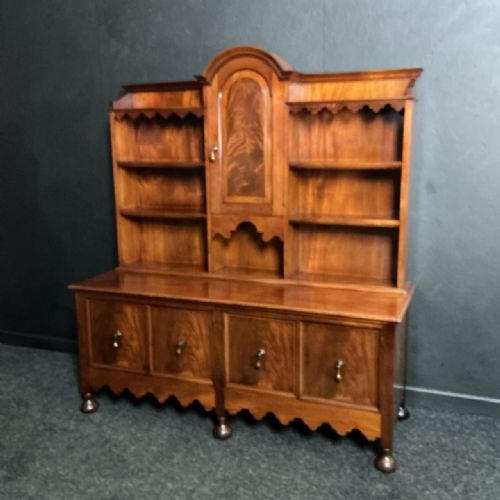
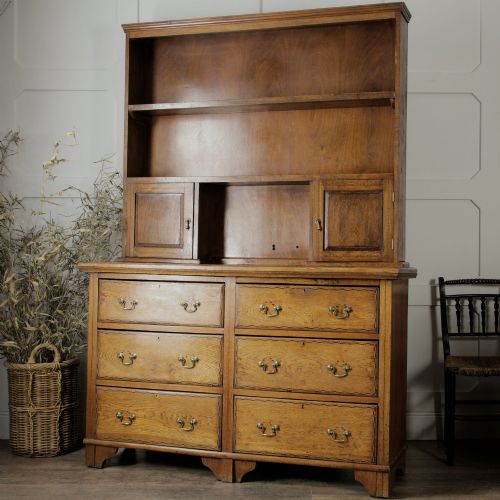
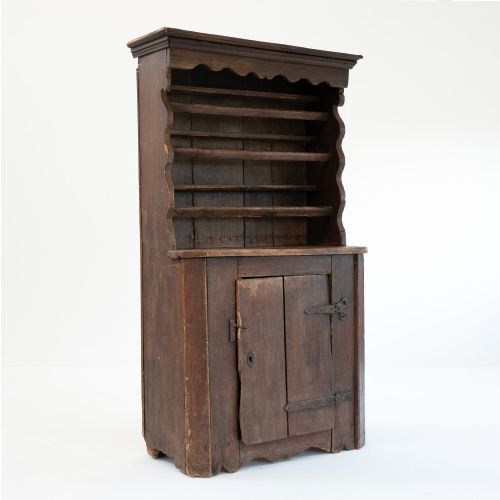
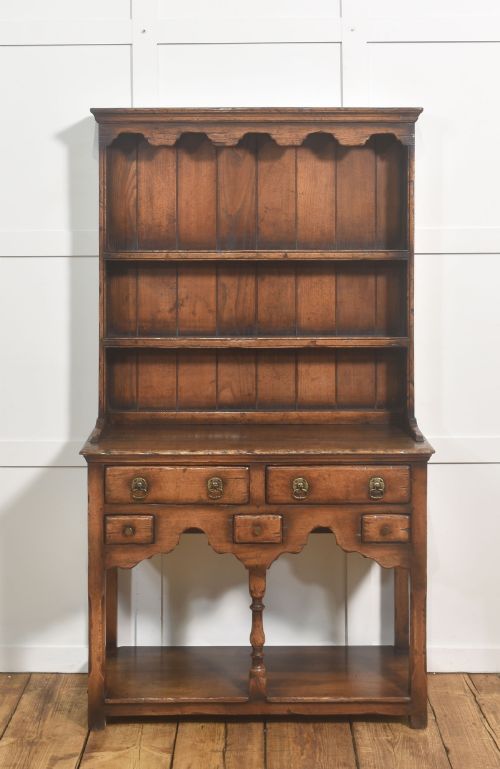
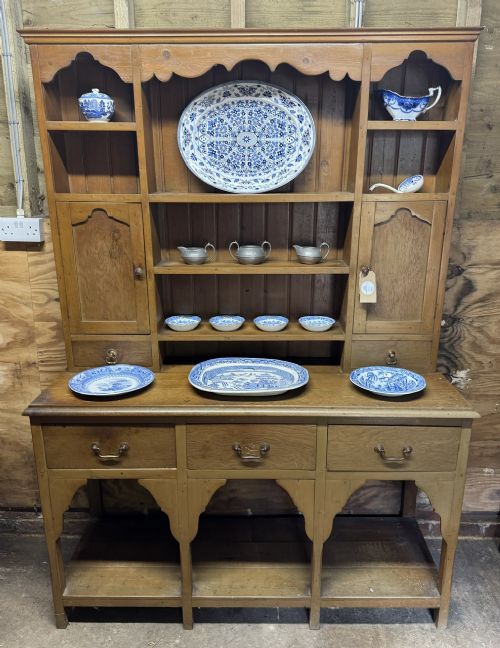
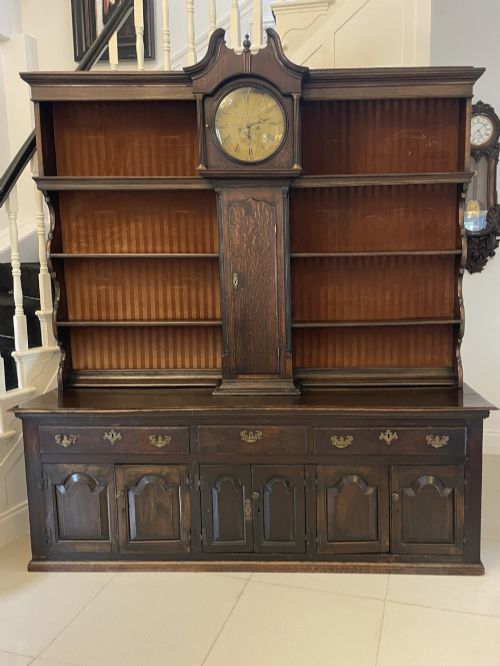
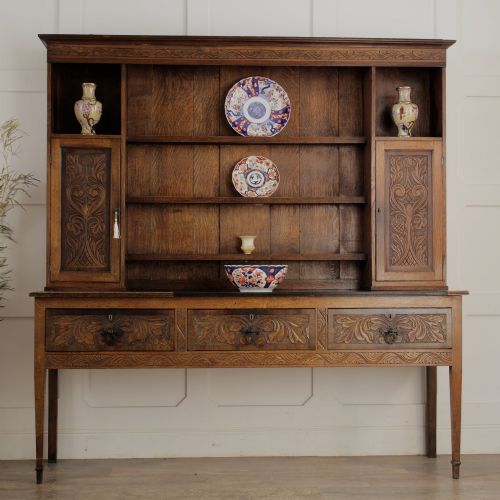
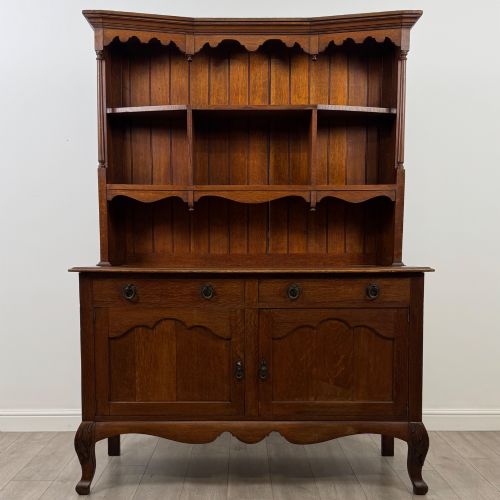
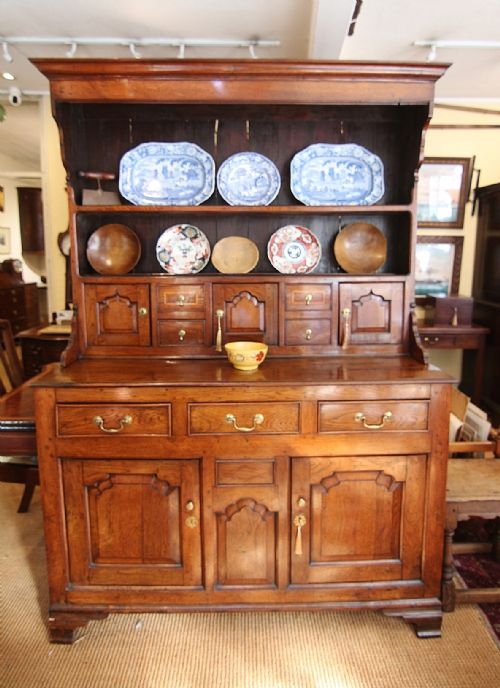
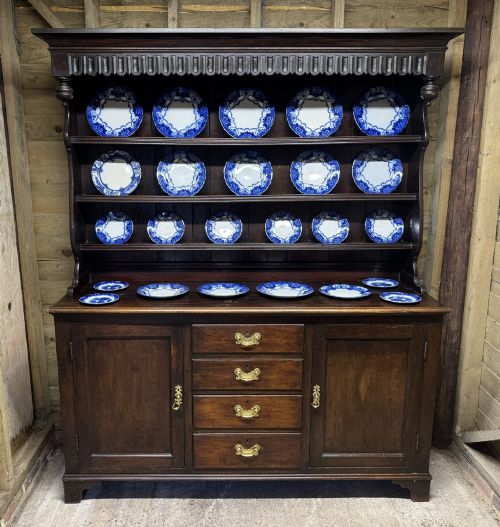
A welsh dresser rack is the open-shelved upper portion historically built to sit atop a kitchen or dining sideboard. These fixtures form the vertical display tier where regional households showcased domestic ceramics, delftware, and kitchen pewter.
The selections on this page span the eighteenth and nineteenth centuries, featuring Georgian vernacular designs alongside later Victorian and Edwardian examples. Most pieces originate from regional workshops in Wales and English border counties, constructed to serve everyday domestic utility.
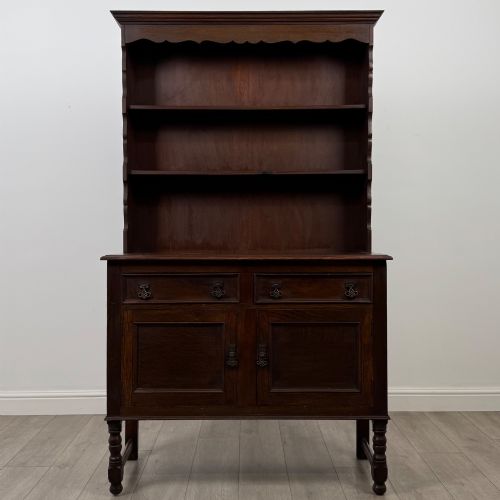
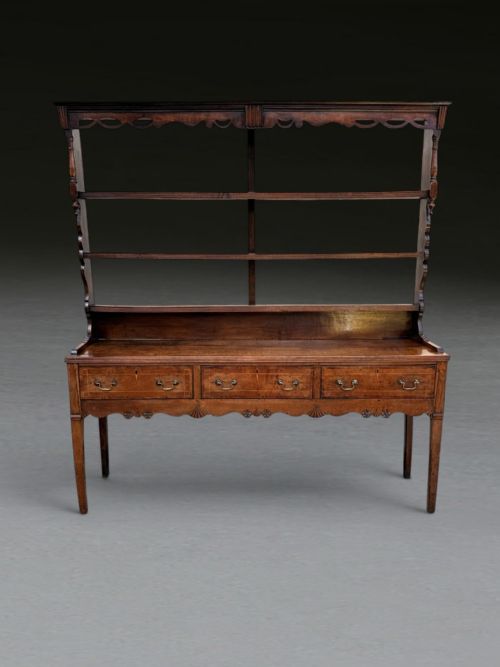
Buyers encounter formats ranging from simple single-shelf plate racks to high multi-tiered configurations featuring shaped friezes and boarded backs. Many survivors represent married pieces where the upper rack has been reunited with a matching lower dresser base over time.
How They Were Made
Local joiners built these racks primarily using native timber, predominantly solid oak alongside occasional pine and ash. Workshops employed traditional pegged mortise and tenon joinery to construct the upright frames and secure the horizontal plate shelves.
Backboards typically consist of vertical planking fixed with handmade wrought iron nails or wooden pins. Edges of the shelves often incorporate shallow grooves or wooden lips designed to hold ceramic plates upright without slipping.
Surface finishes rely on historical wax applications and natural patination built up through generations of domestic use. Iron and brass hanging hooks frequently appear screwed into the underside of the shelves for suspending mugs and small utensils.
Welsh Dresser Rack Retail Price Guide 2026
Typical asking prices for welsh dresser rack among the pieces listed under this phrase on Sellingantiques today, from the lower quarter to the upper quarter. They describe what is for sale here now, not the wider market.
Listings feature solid oak and pine materials across eighteenth and nineteenth-century periods, dominated by regional Welsh and Georgian country forms.
What Varies in Quality
Quality rests on the architectural proportion of the rack relative to its depth and the boldness of its frieze details. Finer examples display shaped or scalloped sideboards and dentil cornices that reflect distinct regional cabinet-making traditions.
The integrity of the timber and the depth of the original surface patination dictate desirability among collectors. Untouched oak surfaces carrying genuine historical wear outrank heavily stripped or modernly refinished alternatives.
Structural completeness, including original pegging, unreplaced backboards, and intact plate retaining grooves, separates standard utility pieces from exceptional vernacular survivals.
The Welsh Dresser Rack Glossary
- Potboard
- A lower open shelf positioned near the floor of a dresser base, historically used for storing heavy pots and pans. This platform defines many traditional vernacular designs from Wales and the English provinces.
- Frieze
- The horizontal board forming the upper decorative band of a rack, often featuring carved details, shaped edges, or maker signatures. It provides the visual crown of the shelving unit.
- Delftware
- Tin-glazed earthenware produced from the seventeenth century onward, widely displayed upon these racks. The shelves were specifically dimensioned to hold these fragile plates securely.
- Vernacular furniture
- Domestic pieces built by regional craftsmen using local traditions rather than strict London design patterns. These objects prioritize functional utility and regional style over high-fashion academic ornament.
- Patina
- The deep surface sheen and colour acquired by wood through decades of handling, polishing, and oxidation. This visual depth cannot be replicated by modern finishing techniques.
Welsh Dresser Rack: Frequently Asked Questions
Can I hang a welsh dresser rack on the wall?
Most racks are structurally designed to rest directly upon the top of a matching dresser base rather than support their own weight independently on a wall. Hanging them safely requires substantial wall fixings due to the heavy solid oak construction.
Historically, these shelving sections relied on the lower sideboard for foundational support, though some smaller regional variants were occasionally secured directly to kitchen walls.
How do I match a rack to an antique base?
Matching an upper rack to a base requires careful comparison of timber species, colour, board width, and overall footprint dimensions. Oak grain patterns and historical wear marks should align logically between the two sections.
Many surviving pieces are married combinations assembled by dealers over the years, so finding exact period pairings demands attention to regional construction traits and nail types.
How should I clean the surface of an old oak rack?
Maintenance requires only a light application of traditional beeswax to nourish the dry timber and preserve the historic surface patination. Avoid modern liquid polishes or aggressive commercial cleaners that strip away age.
Gentle dusting with a soft, dry cloth is sufficient for routine care, protecting the accumulated character built up across centuries of domestic use.