
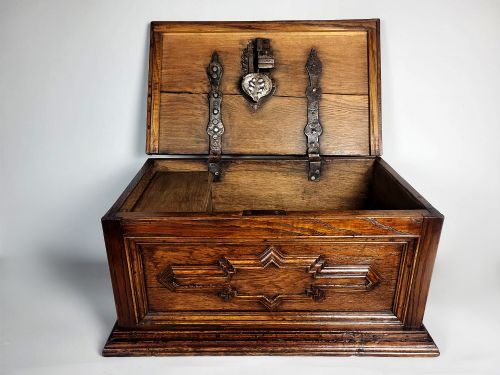
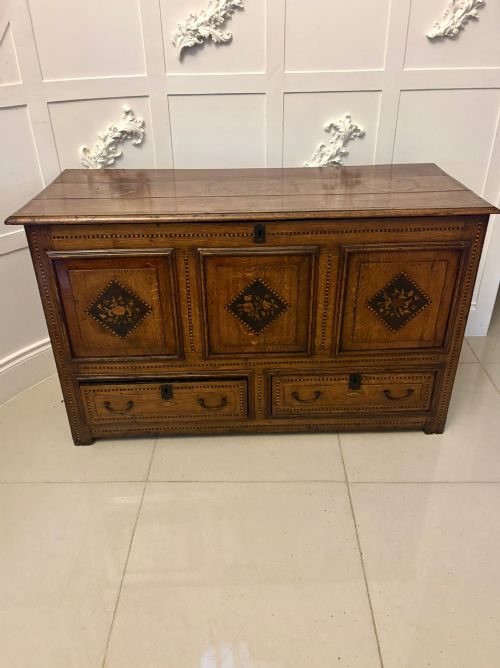
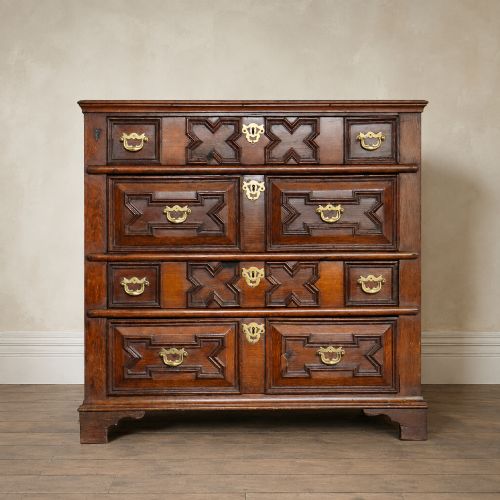
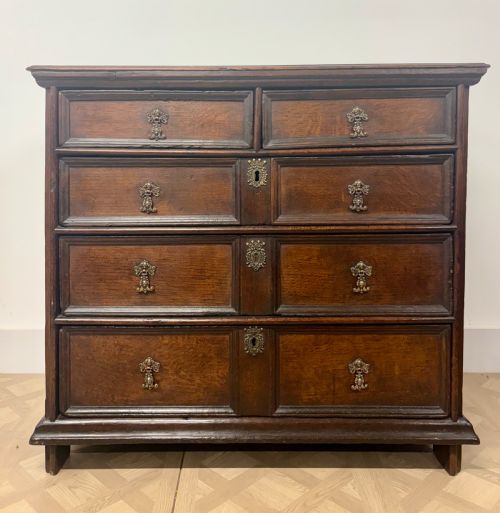
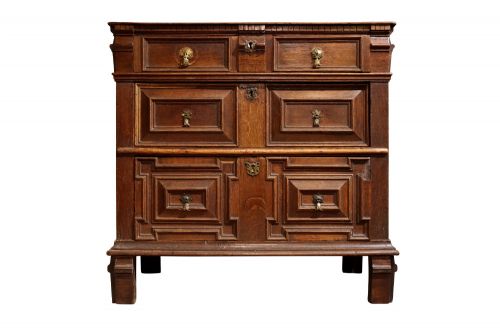
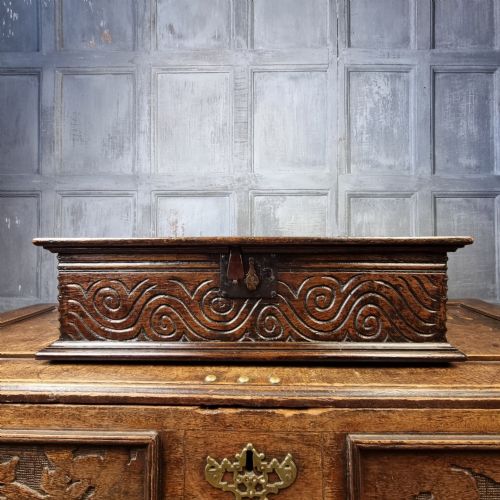
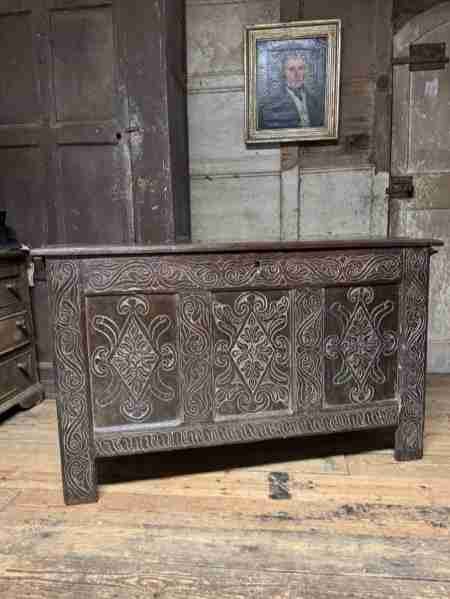


Carolean Oak Chest
A carolean oak chest brings heavy seventeenth-century timber, geometric mouldings, and honest joinery straight into a modern room.
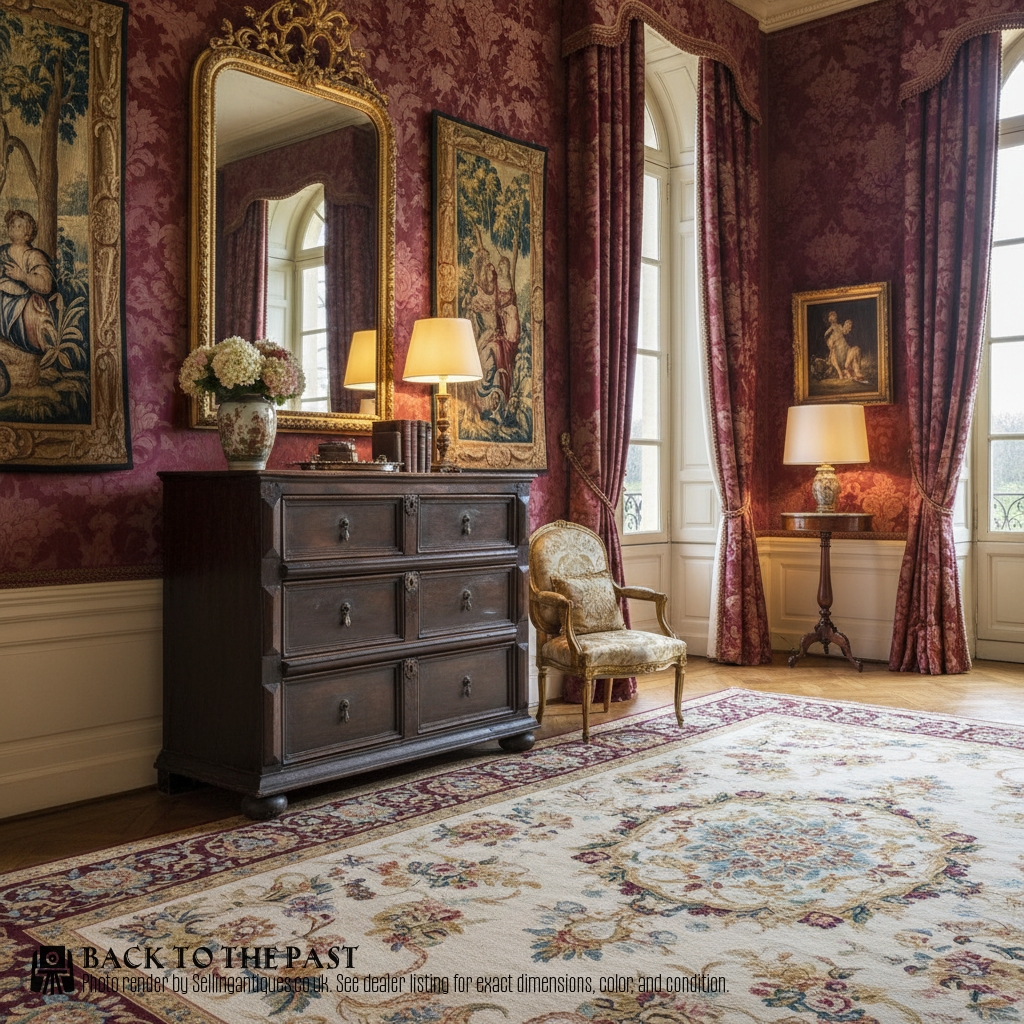
Carolean Oak Chest
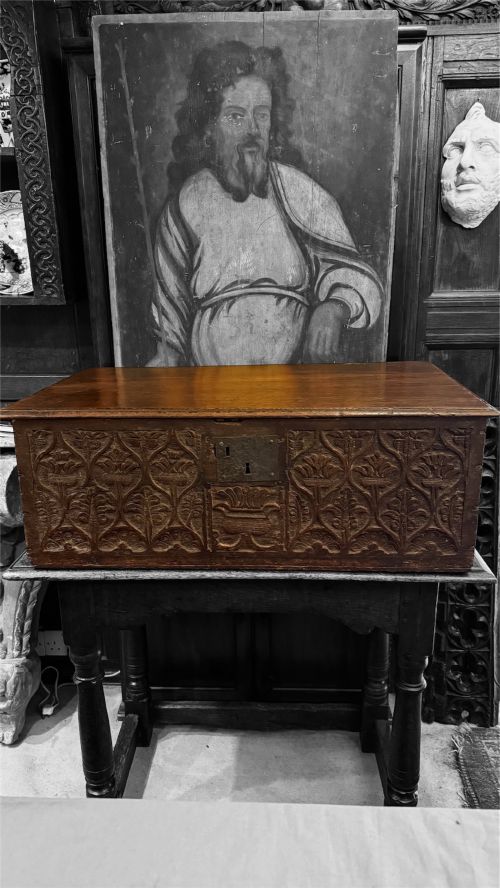
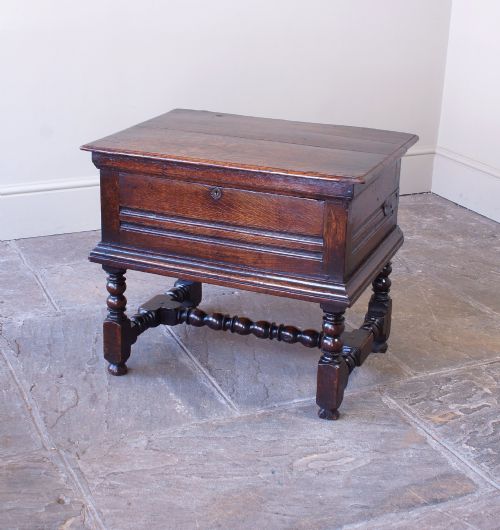
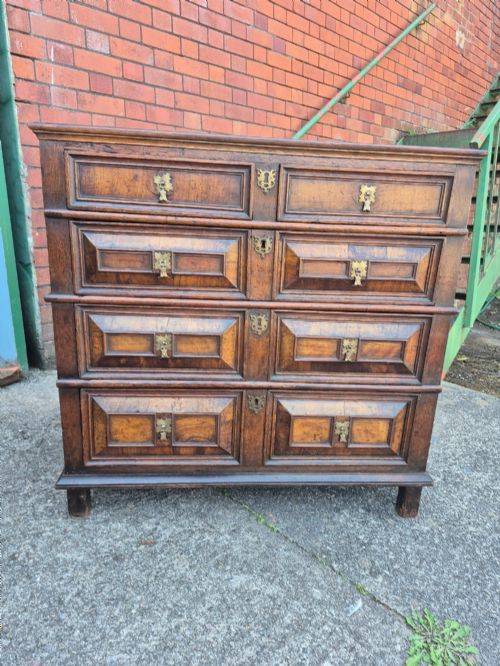
A carolean oak chest encompasses sturdy seventeenth-century storage forms, from chests of drawers and mule chests to smaller document boxes, coffers, and close stools. The listings on this page centre predominantly on seventeenth-century English pieces, alongside select eighteenth-century examples and later revivals.
Buyers look for these heavy timber pieces to anchor a room with distinct period character. The selection ranges from panelled coffers and two-part chests of drawers to desk boxes and court cupboards built during the reign of Charles II.
The form varies from simple boarded coffers to elaborate moulded-front chests with multiple drawers. Regional variations appear too, reflecting the output of different English workshops from the period.
How they were made
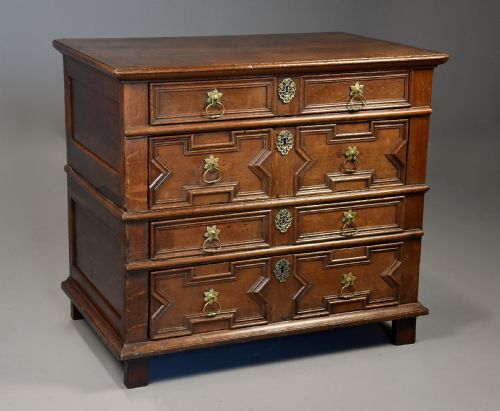
Carpenters built these pieces using solid oak, often combining frame-and-panel construction with pegged joints to accommodate timber movement over centuries. Workshops integrated applied geometric mouldings to drawer fronts, creating depth and shadow using contrasting woods.
Cabinet makers deployed decorative veneers such as walnut, oyster veneer, snakewood, and fruitwood alongside marquetry inlay on finer surfaces. Iron, steel, and brass hardware, including complex locks and hinges, secured lids and drawers.
Carolean Oak Chest Retail Price Guide 2026
Typical asking prices for carolean oak chest among the pieces listed under this phrase on Sellingantiques today, from the lower quarter to the upper quarter. They describe what is for sale here now, not the wider market.
Some seventeenth-century document boxes hide secret compartments beneath the lining where owners once tucked away love letters and coin purses.
What varies in quality
Quality rests on the crispness of the geometric mouldings and the integrity of the original timber surfaces. Pieces retaining genuine patination, unblemished drawer fronts, and period hardware command attention from discerning buyers.
The sophistication of the construction sets examples apart, distinguishing simple boarded boxes from joined chests with intricate marquetry inlay, snakewood decoration, or complex steel locks. The survival of original backs, bases, and internal till boxes also defines the standing of each piece.
Thomas Dennis
The Carolean Oak Chest Glossary
- Carolean
- Pertaining to the reign of King Charles II, spanning from 1660 to 1685. This stylistic period embraces rich surface decoration and geometric drawer front designs.
- Mule chest
- A storage chest featuring one or more drawers at the base beneath a hinged lid compartment. They bridge the gap between traditional coffers and full chests of drawers.
- Oyster veneer
- Circular cross-sections of branch wood sliced to create oyster-like patterns across a surface. Cabinet makers arranged these veneers in decorative geometric patterns during the seventeenth century.
- Close stool
- A piece of enclosed furniture designed to conceal a chamber pot beneath a hinged seat. Seventeenth-century versions often resemble small cabinets or chests.
- Geometric moulding
- Applied mitred wooden strips arranged in repeating geometric patterns on drawer fronts. This technique created rich surface texture on seventeenth-century case furniture.
Carolean Oak Chest: Frequently Asked Questions
How do I date a carolean oak chest?
Examine the construction methods, tool marks on the timber, and the style of any applied mouldings. Seventeenth-century pieces typically feature hand-riven oak, pegged joints, and wrought iron hardware rather than machine-cut components.
Hardware and locks offer further clues, as original steel or brass mechanisms match the period of the surrounding woodwork. Secondary woods and panel construction methods also align with seventeenth-century workshop practices.
Where should I place a chest in my home?
These robust timber pieces suit hallways, living rooms, and bedrooms where their dark wood and tactile surfaces provide strong visual grounding. A lower box or coffer works well beneath a window or at the foot of a bed.
Keep wooden furniture away from direct heat sources and dramatic humidity swings to protect the antique oak and delicate veneers. Allowing adequate space around the piece also highlights the carved details and panel work.
How do I care for antique oak surfaces?
Maintain the finish by applying traditional beeswax sparingly and buffing gently with a soft cloth to preserve the historic patina. Avoid modern silicone polishes that can build up and soften the surface sheen over time.
Control the indoor climate to prevent the solid oak from drying out or splitting. Stable room temperatures protect both the primary timber and any delicate oyster veneers or inlay.
What is the difference between a coffer and a chest of drawers?
A coffer opens from a single hinged lid at the top, representing an older form of enclosed box storage. They served versatile household purposes for storing linens, documents, and valuables.
A chest of drawers provides side-access storage through multiple sliding drawers stacked vertically within a frame. This evolution made retrieving stored items much easier without disturbing objects placed on top.