
A 2026 Guide by Sellingantiques
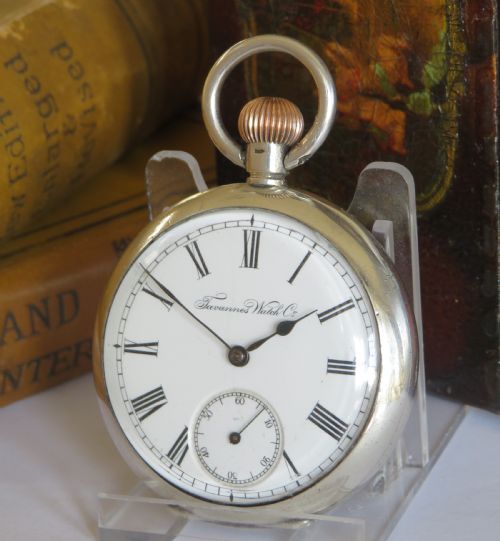
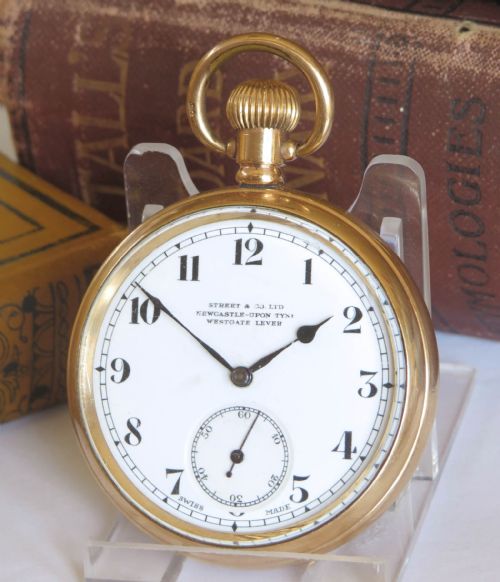
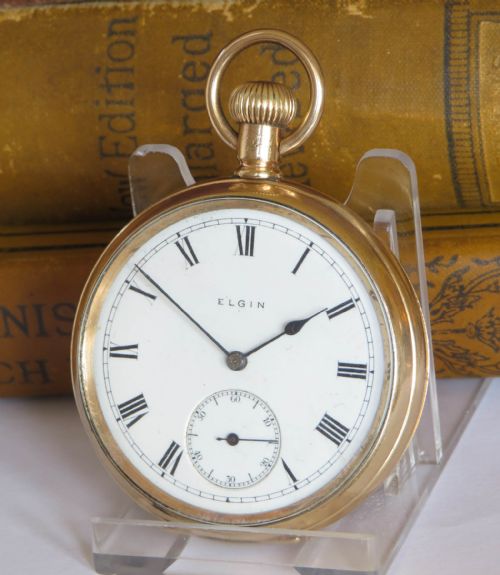
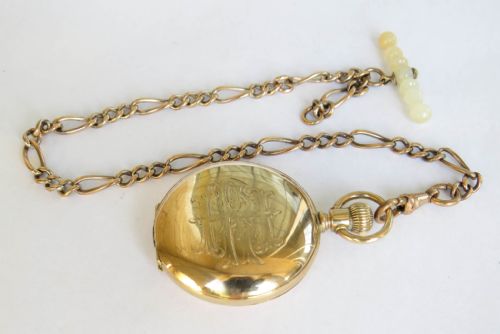
Men kept their antique gold watches in special waistcoat pockets during the nineteenth century.
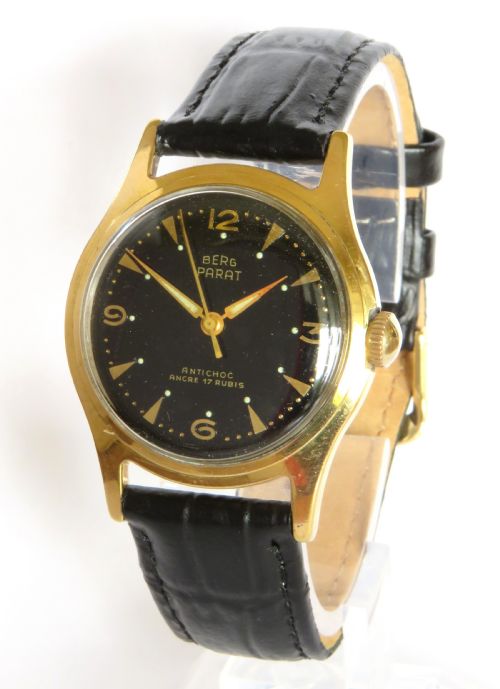
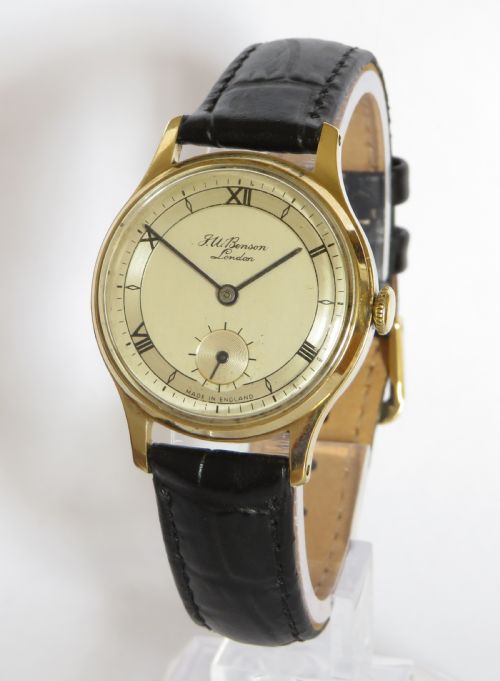
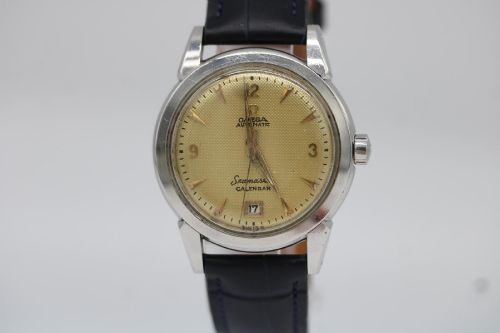
Trends shifted to the wrist during the First World War. Soldiers needed to check the time without dropping their equipment.
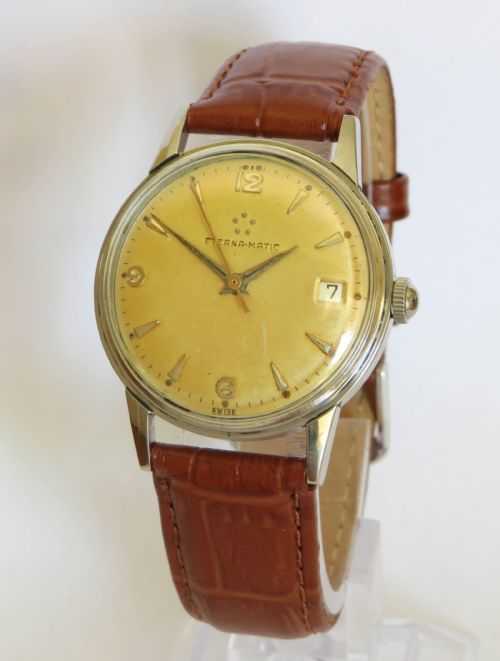
English makers dominated the early trade. Swiss manufacturers later took over the global market with mass-produced mechanical movements.
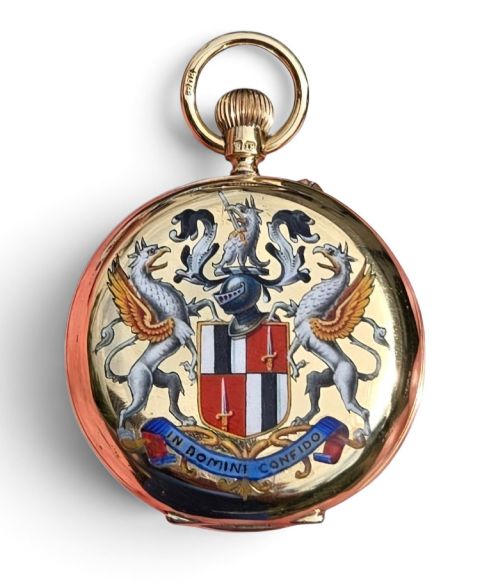
Look at the hallmarks. These struck marks tell you exactly when and where a gold case was assayed.
Rolex produced early gold wristwatches in the nineteen tens and twenties. They often fitted their Swiss movements into cases made by English firms like Dennison.
Patek Philippe pioneered stem-winding systems in the mid-nineteenth century. Their precision pocket models remain highly studied by horologists.
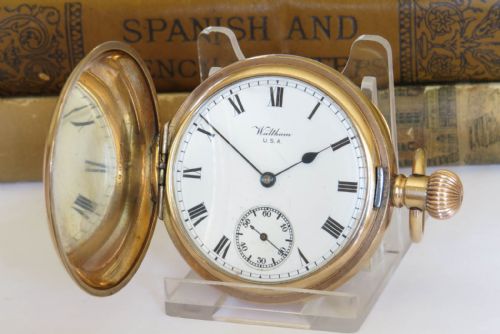
Waltham built millions of pieces in America between eighteen fifty and nineteen fifty. They offered solid gold cases alongside cheaper gold-filled options.
The 2026 retail price guide for Antique Gold Watches is drawn from a proprietary archive of over 1.1 million retail prices indexed by Sellingantiques since 2003. This guide relies exclusively on their own internal data; no external sources or auction records are used.
Analysing nearly 25 years of UK antique market history alongside current retail values, the data indicates that typical UK retail prices for Antique Gold Watches range between £400 and £2,500. Entry-level prices generally fall under £400 and premium examples upwards of £2,500.
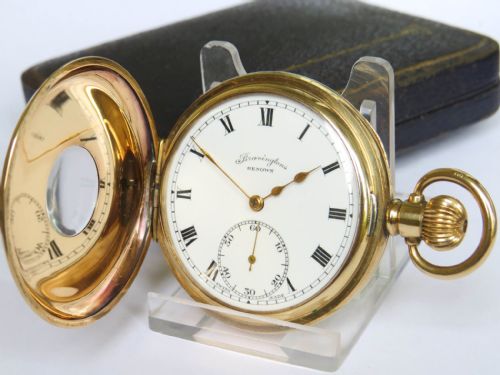
Many pocket variations feature a hinged front cover. Pressing the crown pops the lid open to reveal the dial.
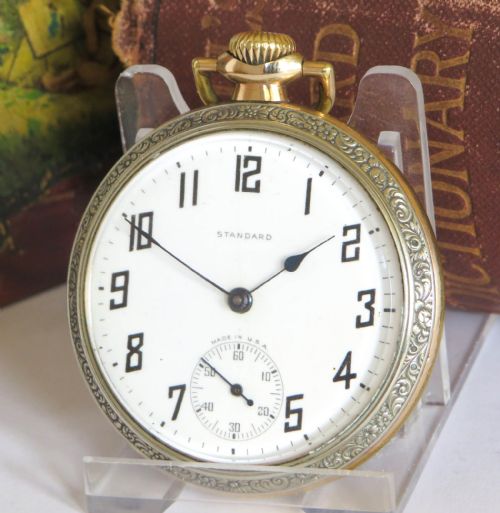
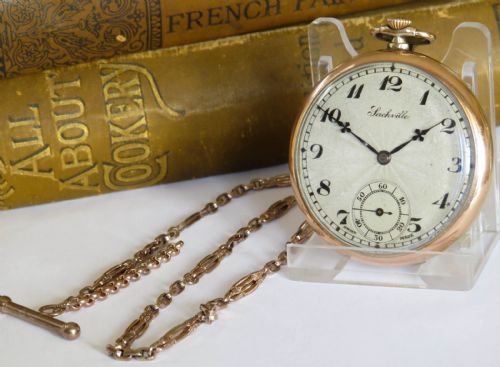
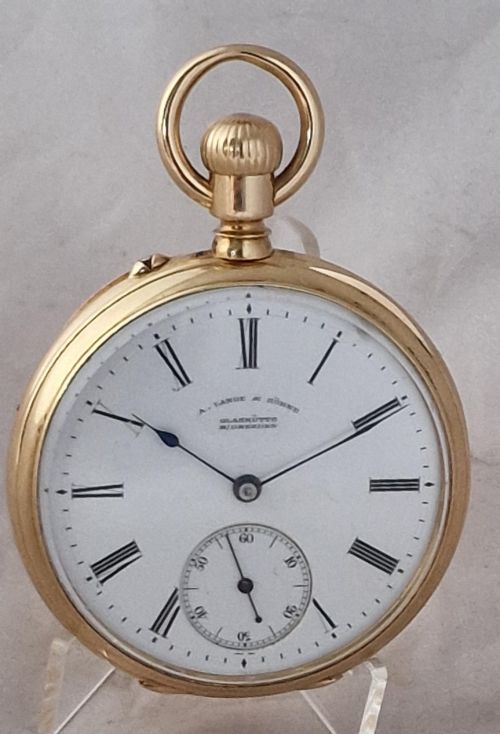
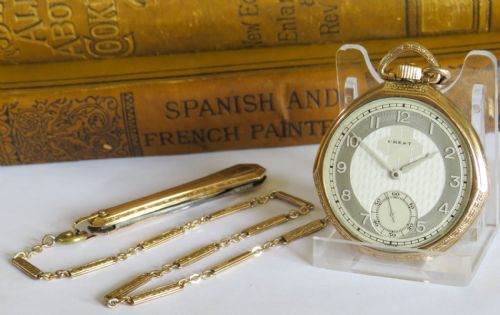
Subsidiary seconds dials sit above the six o'clock position. A small separate hand ticks away the individual seconds.
Winding mechanisms changed over time. You will find early ones require a separate loose key, while later antique gold watches wind directly through the top stem.
Early movements were cut and finished by hand. Craftsmen filed the brass plates and steel pinions individually at their benches.
Engine turning decorates many nineteenth-century cases. A hand-operated lathe cuts tight geometric patterns directly into the soft gold surface.
Mass production introduced interchangeable parts. Factories eventually stamped out identical gears rather than cutting each wheel for a specific antique gold watch.
"Some cases contain hidden compartments. Makers occasionally built tiny photograph frames into the inside of the front cover."
"The movement and the case were often made in different countries. Retailers bought them separately and married them together in the shop."
"Certain early wrist models have a hinged grill over the glass. Officers bought these shrapnel guards to protect the crystal during combat."
Based on almost 25 years of Sellingantiques UK antique market data, Antique Gold Watches appeared 5127 times (out of 1,100,000 antiques) which gives it a rarity score of 36/100.
This score measures scarcity within the Sellingantiques archive only and is not a survey of the entire antiques market, so these statistics may not be indicative of the general availability of Antique Gold Watches elsewhere.
Light hand polishing removes superficial surface tarnish. You can use a jeweller's cloth to bring up the shine without damaging the metal.
Machine polishing is a different story. A spinning mop strips away a thin layer of gold and softens crisp decorative edges. Most dealers prefer to leave minor historical scratches alone.
Leave the crown alone. The old oil inside the movement dries into a sticky paste over the years.
Turning the gears forces grit through the delicate pivots. This grinding action easily snaps the fine steel tips off the wheels.
Take it to a professional watchmaker first. They will strip the mechanism down and clean every part in specialist fluid before applying fresh synthetic lubricants.
Watchmakers set tiny synthetic rubies into the brass plates to act as bearings. The steel gear shafts spin inside these hard stones to reduce friction.
Higher counts generally point to a better grade of mechanism. Most standard mid-century movements use fifteen or seventeen jewels to protect the crucial pivots.
Mechanical timepieces naturally drift a little, but a daily gain this large points to a specific issue. The hairspring is likely magnetised.
Magnets in everyday electronics sometimes cause the fine coils of the hairspring to stick together. The watch then runs fast because the spring behaves as though it is shorter.
A watchmaker can fix this in minutes. They pass the watch through a demagnetising machine to untangle the magnetic field.
Please note: This Antique Gold Watches guide and its associated pricing data are provided for general informational purposes only. It does not constitute formal financial, investment, or appraisal advice and should not be relied upon as the sole basis for any commercial activity, purchasing, or sales decisions. Sellingantiques.co.uk accepts no liability for any actions taken in reliance on this information. Always consult with a qualified professional or independent appraiser.
