
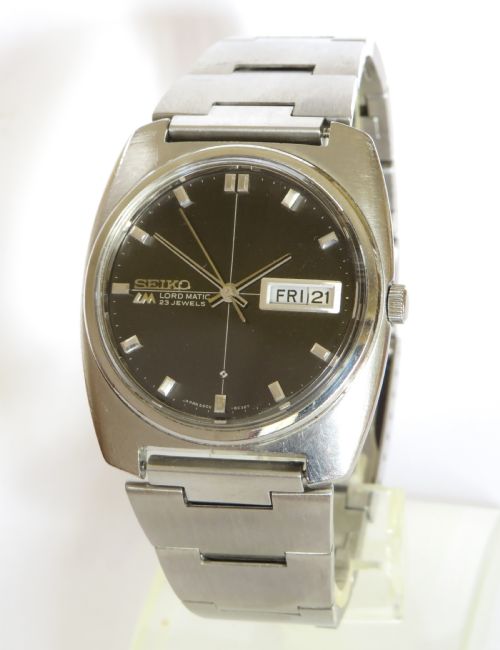
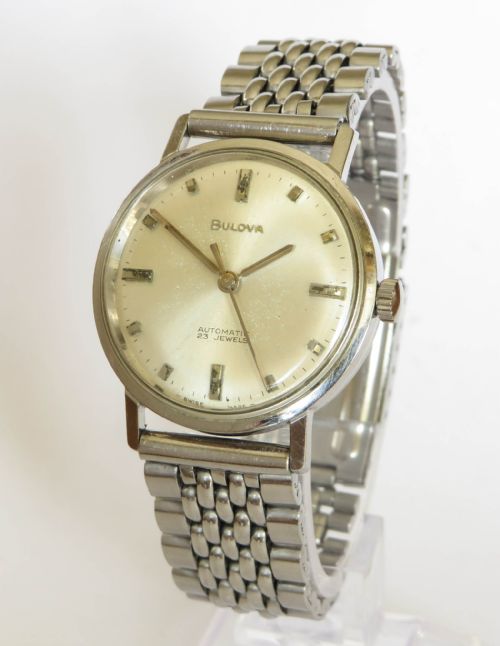
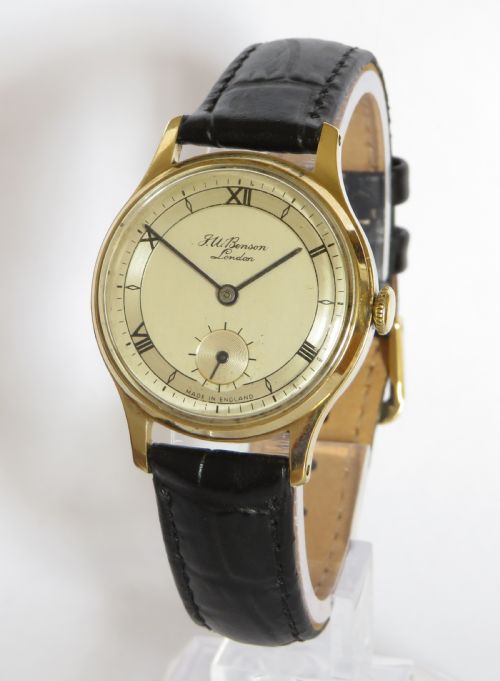
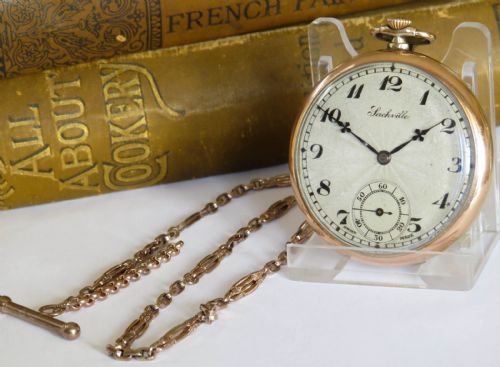
Antique Gents Watches
Men's mechanical wristwatches, mostly Swiss and English and mostly mid-century, worn on the wrist for daily timekeeping in steel, chrome, rolled gold or solid gold cases.
What Are Antique Gents Watches?
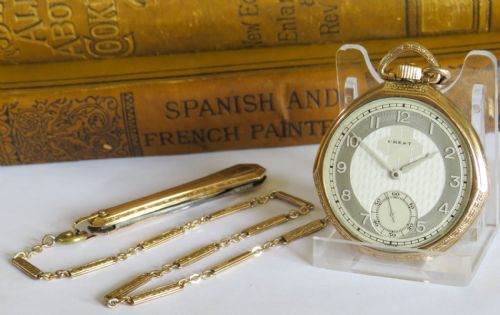
Four titles in five on Sellingantiques say "wrist" or "wristwatch", so what you are looking at is almost always a men's wristwatch. A thin seam of pocket watches runs through the same heading, including silver half-hunters and an 18k London-cased example, but they are the tail, not the body.
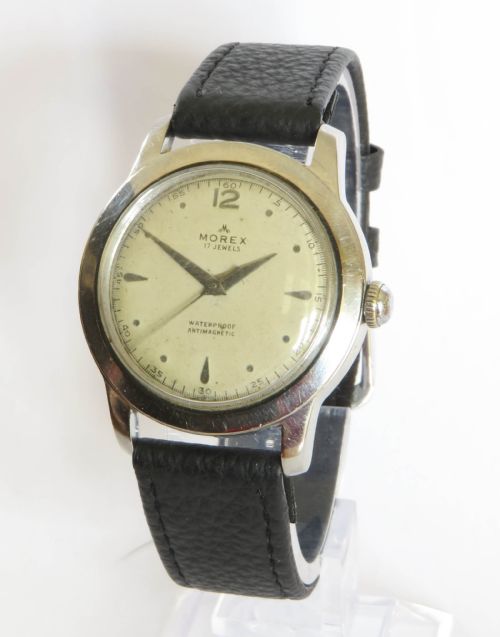
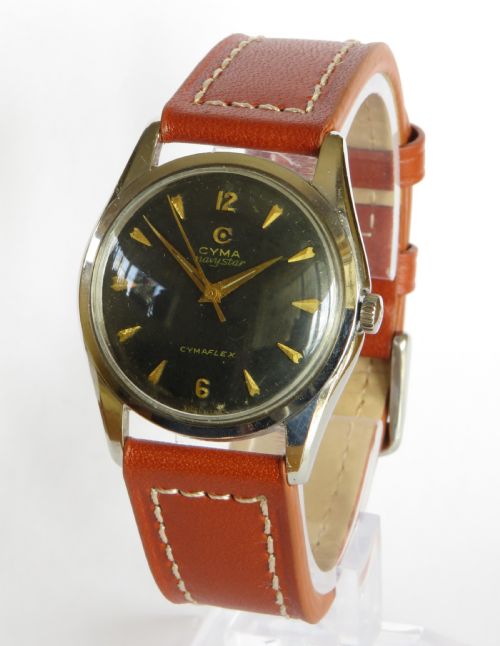
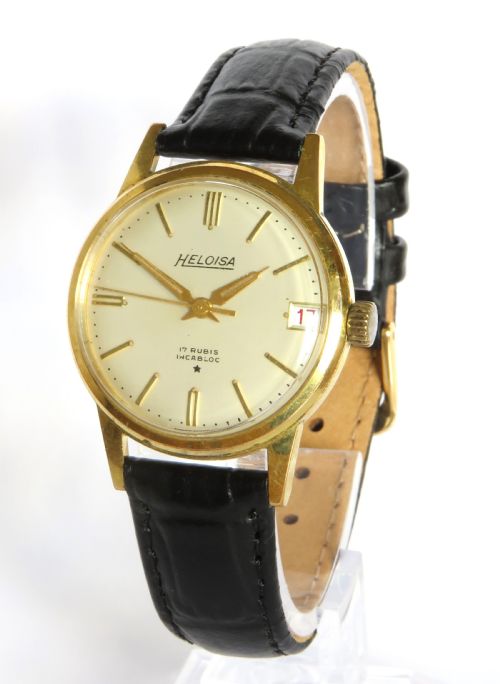
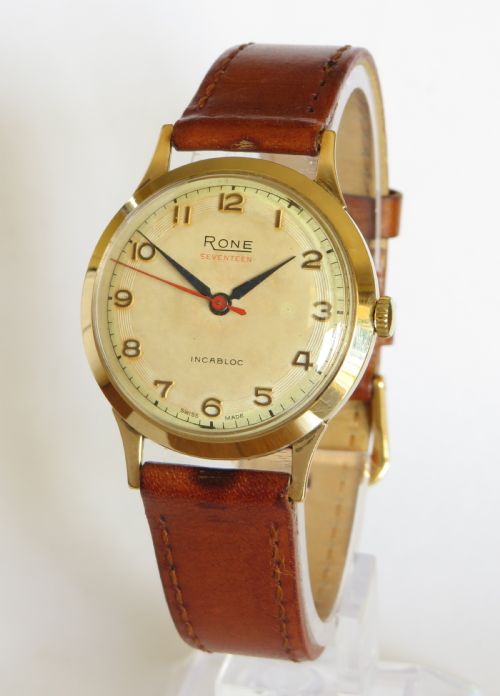
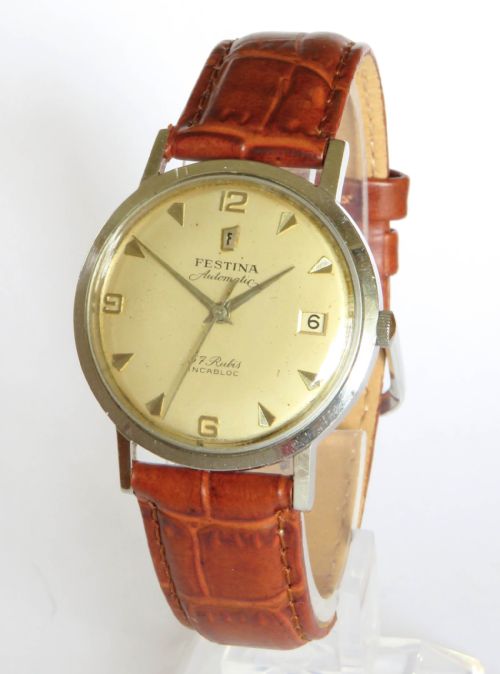
The dominant piece is a 1950s or 1960s manual-wind or automatic watch in a round case. Of the listings carrying a clean year, 463 fall in the 1960s and 396 in the 1950s, close to two thirds of the whole. Dating is unusually firm across the category: 1,360 of 1,367 listings carry a year, and titles often quote the exact one from a hallmark or serial.
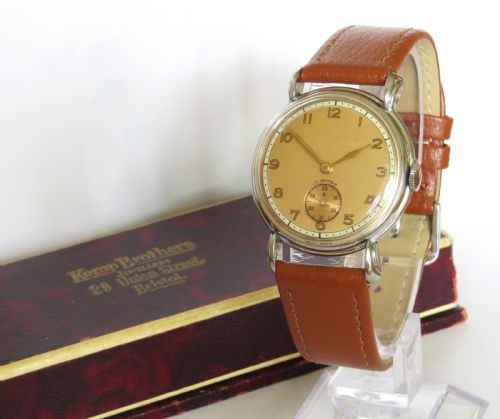
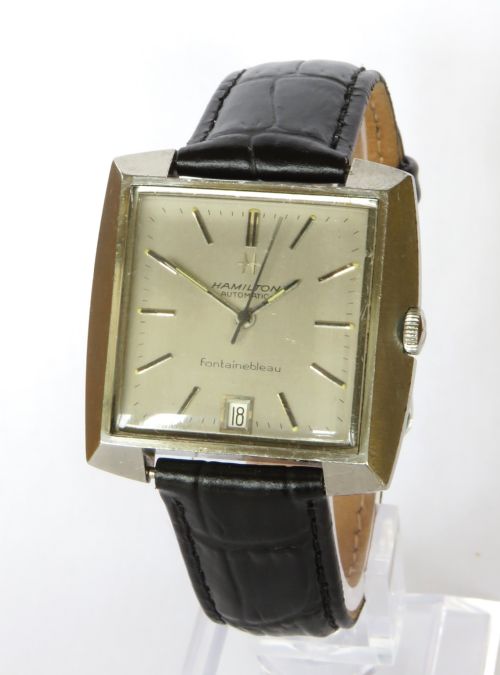
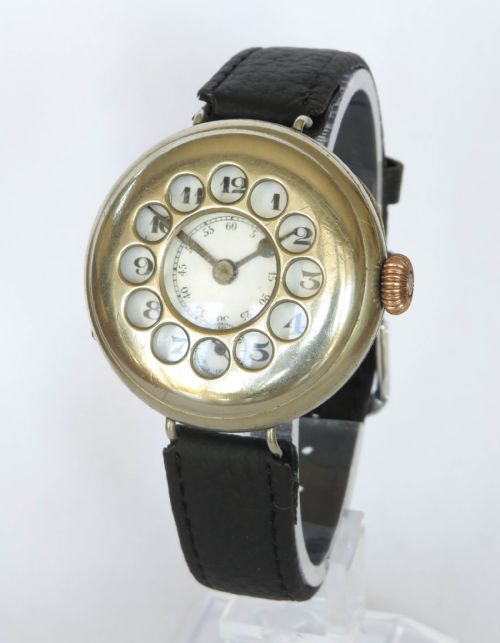
Two other groups have their own character. The Art Deco branch brings square, rectangular tank and cushion cases from the 1920s to 40s, often in 10k gold-filled or rolled gold. Earlier still are the silver trench watches of the First World War era, named in 41 titles, essentially small pocket watches given wire lugs.
Dials run from plain time-only through date and triple-date to alarm and chronograph work. Case metal is stated in about a fifth of titles, gold in 264 of them and 9ct gold in 180, against silver in 120. English-made watches are a substantial minority, with Smiths and its Astral and De Luxe lines behind 114 titles in a field otherwise full of Swiss trade names.
Where The Range Splits
Metal does most of the sorting. Watches with no metal named in the title sit at the bottom, chrome and gold-filled cases just above, and 9ct gold well up the range. Only a handful of 14ct, 18ct and rose-gold cases from the 1940s and 50s reach the very top, and they sit clear of everything else.
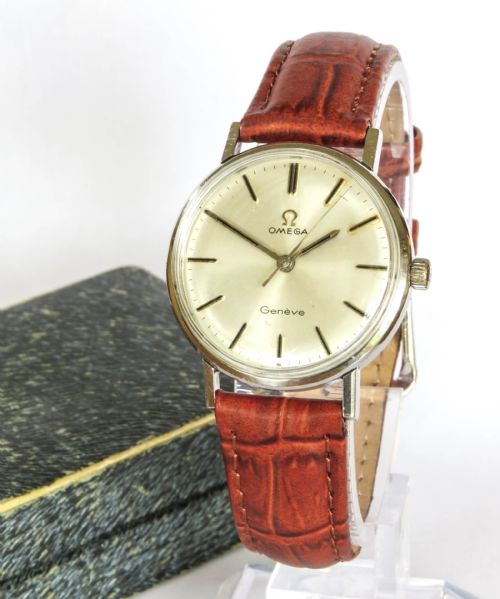
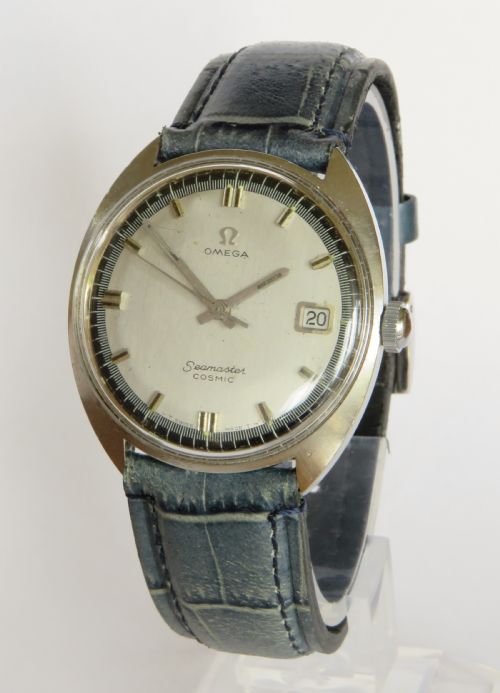
The name on the dial is the second lever. Omega appears in 159 titles, Longines in 81 and Zenith in 24, and those sit high in the sampled range. Below them are the many one-off Swiss trade names that appear once or twice each and no more, which is where the plain 1950s and 60s round-cased watches gather.
After that it is what the watch does and how much of it there is. Chronographs, triple-date and alarm work land disproportionately in the upper half. Size language carries real weight too: "large" turns up 29 times, and jumbo, over-sized and good-sized pieces sit noticeably higher than their standard-cased equivalents. Boxed and unworn old stock adds again, concentrated in the Art Deco band.
Retail Price Guide 2026
Typical UK retail prices for gents watches, calculated from the Sellingantiques database of over a million retail prices indexed since 2003. This retail price guide relies exclusively on Sellingantiques data; no external sources or auction records are used, so the figures do not describe the wider market.
The 1960s is the period label used most on Sellingantiques for gents watches, with the 1950s next and the 1930s third.
The Antique Gents Watches Glossary
- Automatic
- Self-winding by a rotor or weight rather than a crown; 128 titles say so, while the majority name no winding type at all.
- 9ct gold
- A solid nine-carat case, the commonest precious metal in the category at 180 titles.
- Gold filled, rolled gold, GF, RGP
- A thick gold layer bonded to base metal rather than solid gold, recurring as 10k GF and 14k rolled gold across the Art Deco watches.
- Tank
- A rectangular case with the strap running off the long sides, a staple of the 1920s to 40s listings.
- Trench watch
- The WW1-era type, usually silver, with wire lugs and an enamel dial; 41 turn up, one of them with a shrapnel guard over the dial.
- Bumper automatic
- Early self-winding where the weight swings between springs instead of turning full circle; named in 24 titles.
Frequently Asked Questions
What period do most of these come from?
The mass sits in the 1950s and 1960s, with 463 dated listings in the 60s and 396 in the 50s. The 1930s and 40s follow, then the 1920s and 1910s.
Anything before about 1910 is a handful of pieces rather than a group. Four listings fall in the 1900s, and the single Victorian entry is a Chester-hallmarked 18k chronograph pocket watch dated 1881.
Are pocket watches included in this category?
Yes, though they are a minority. Four titles in five say wrist or wristwatch, and the pocket watches run as a thin seam through the rest.
Sampled examples include silver half-hunters, an 18k London-cased watch and a Waltham dated 1903. The vaguest date entries in the whole category attach to pocket watches rather than wristwatches.
Which case metals turn up most often?
Metal is stated in about a fifth of titles. Gold appears in 264 of them, with 9ct gold accounting for 180, and silver in 120.
Beyond that come chrome, steel and the gold-filled and rolled-gold cases common in the Art Deco group. 14ct, 18ct and rose gold appear only in small numbers.
How many gents watches are listed each year?
Around 152 come up in a year on Sellingantiques, handled between thirteen different dealers.
The archive behind that runs to 1,367 titles, so the yearly listing is a slice of a fairly deep category.
What does automatic mean on a watch listing?
It means the watch winds itself from the movement of the wrist, using a rotor or weight, rather than needing the crown turned each day. It appears in 128 titles.
Bumper automatic, in 24 titles, is the earlier version, where the weight swings back and forth between springs instead of rotating fully. Most listings name no winding type, and manual wind dominates the category.
Do chronographs and calendar watches appear here?
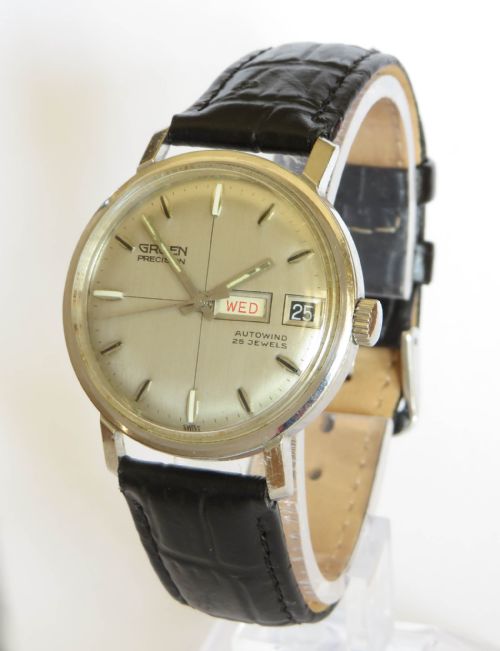
Chronograph shows up in 44 titles, and calendar work runs from a simple date to triple date, giving day, date and month on one dial.
Alarm watches, date pointers and a regulator dial also appear. Sampled one-offs include a tuning-fork Accutron and a Russian cosmonaut chronograph, each surfacing once and nowhere else.