


Antique Swiss Watches
Swiss-movement watches sold in Britain: pocket watches in silver, gold and plated cases, often with their chain, alongside mid-century gents' wristwatches made to be worn every day.

Antique Swiss Watches
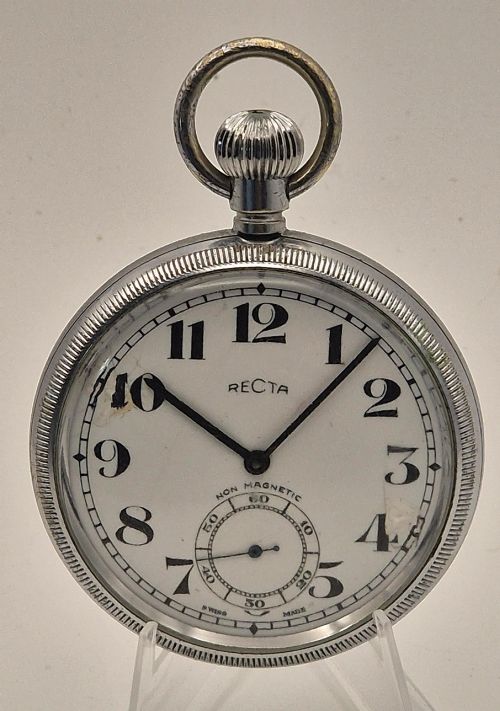
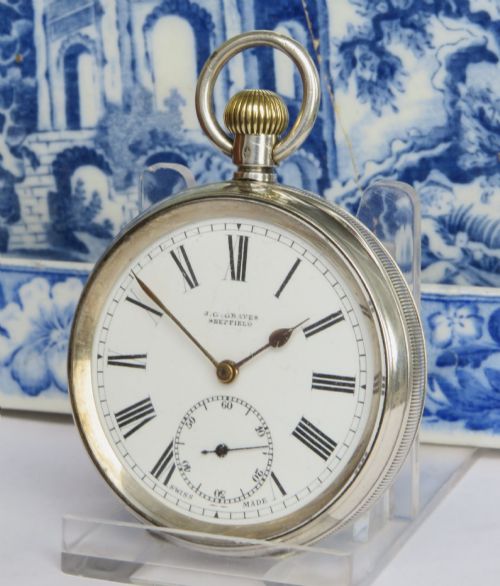
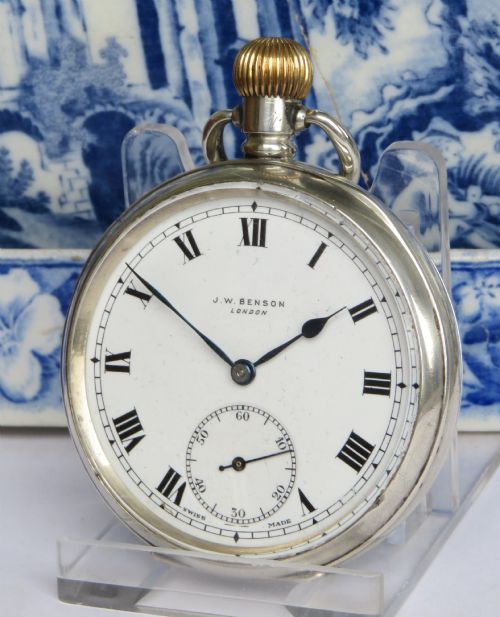
Just over half the listings on Sellingantiques are pocket watches, and the plain open-faced sort in a silver or plated case is what turns up most. Titles run to little more than "Antique Swiss silver pocket watch", sometimes with the winding described as stem-wind rather than key-wound.
Switzerland supplied the movements. Finished watches and bare ébauches both left the country, the ébauches cased and retailed elsewhere, Britain included. That is why so many of these carry no maker at all in the description, only the nationality of the movement.
Dates cluster hard in the 1920s and 1930s, which together account for more dated listings than the 1940s, 1950s and 1960s combined. Nearly all listings carry a clean year. Genuinely 19th-century pieces are marginal: a silver key-wound enamelled heart-front watch of the 1880s and a full hunter of 1883 sit at the older end.
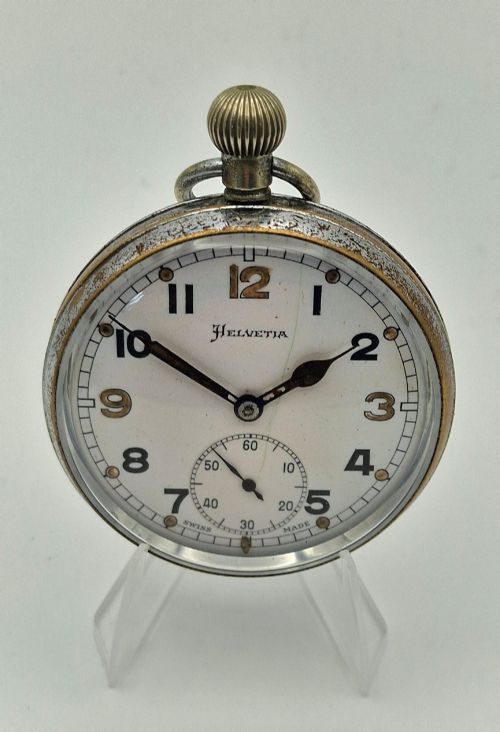
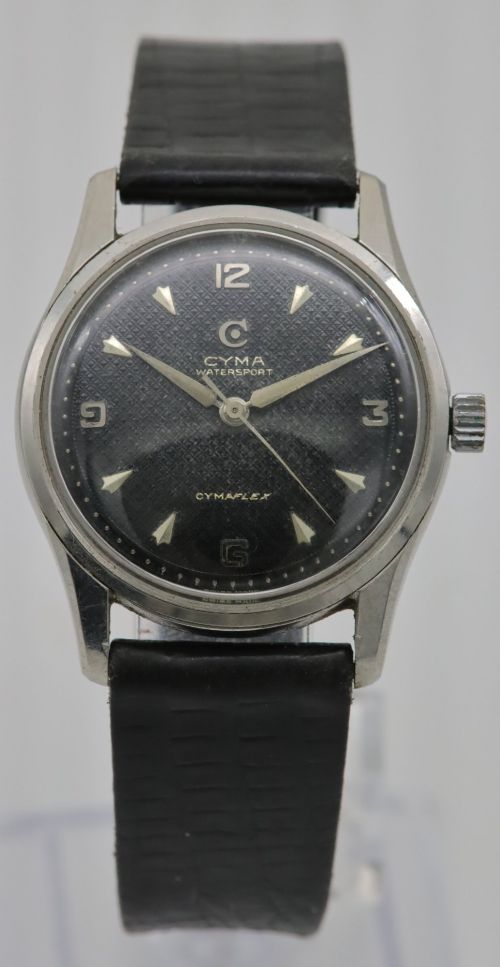
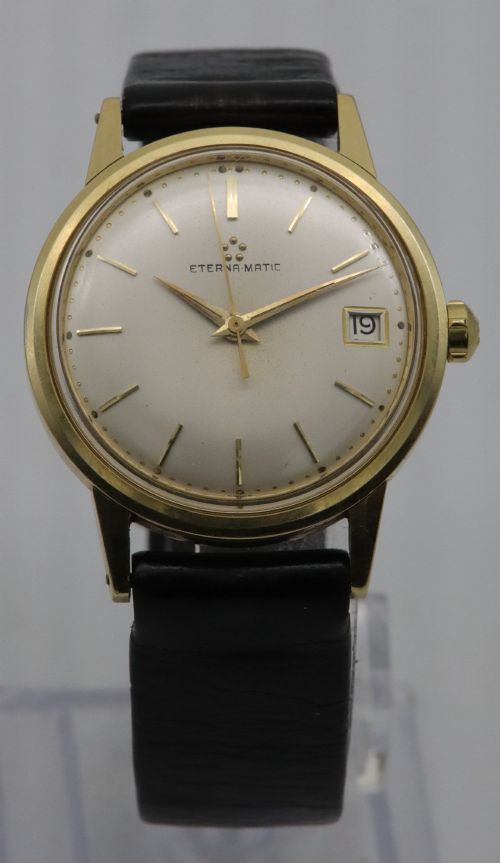
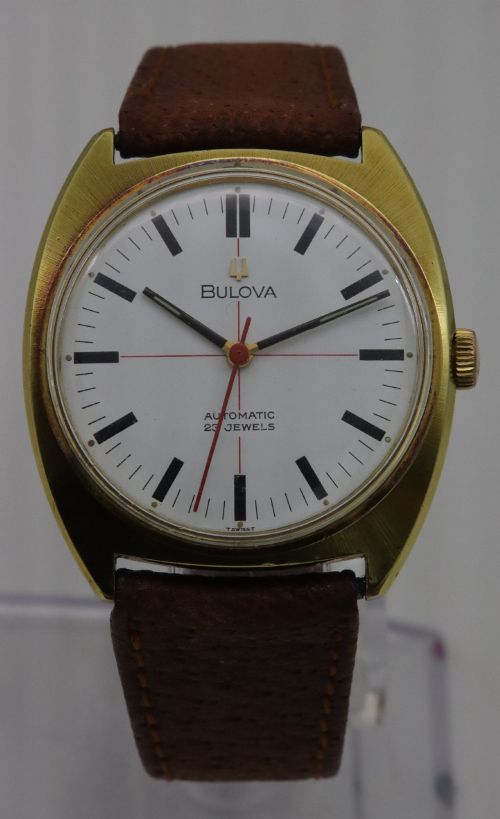
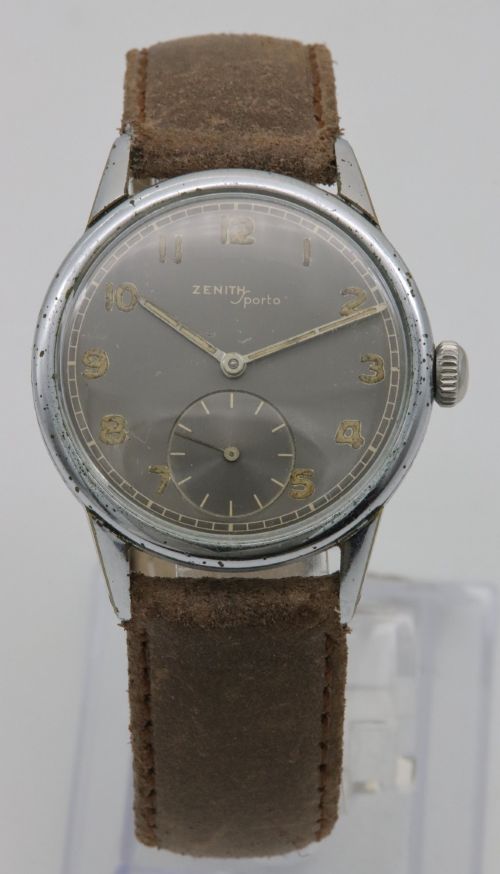
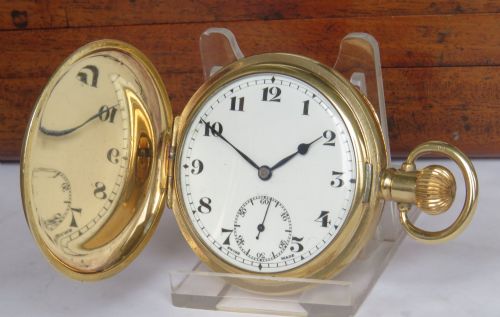
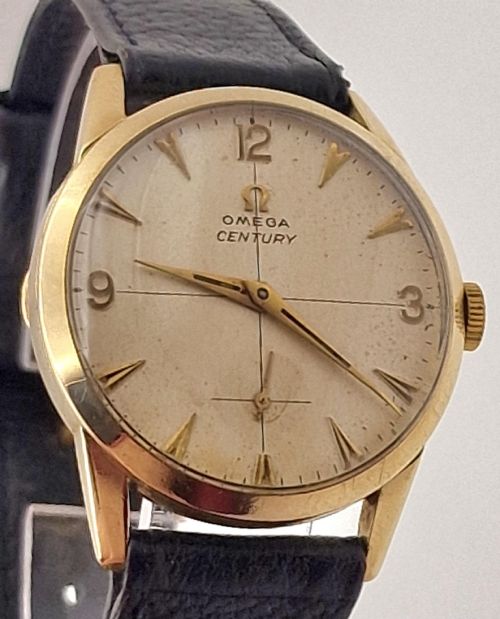
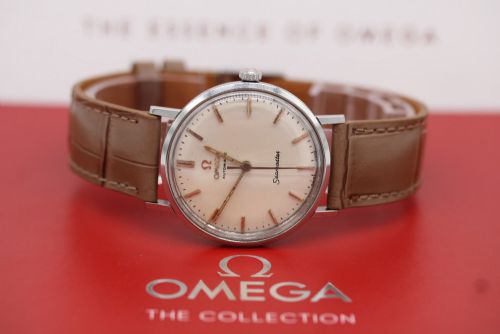
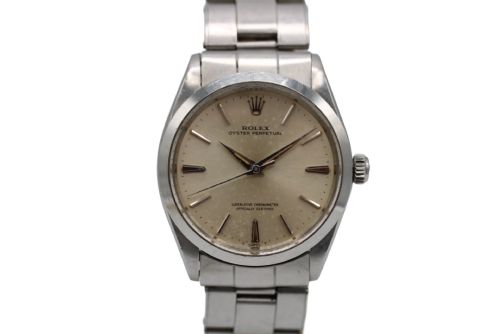
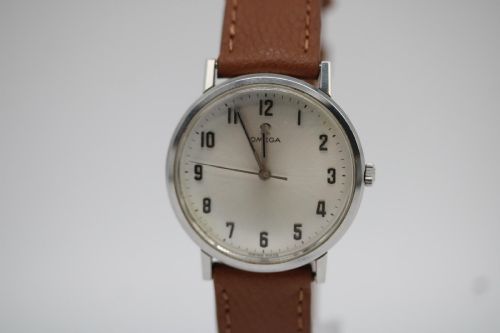
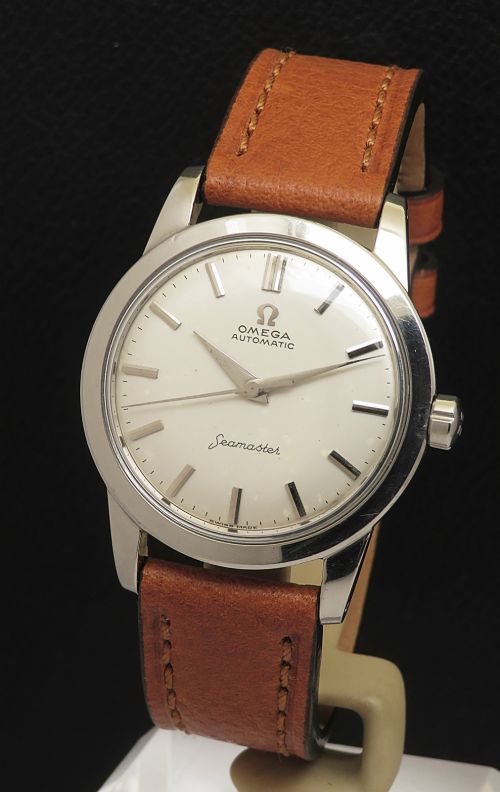
The other main strand is the mid-century gents' wristwatch, manual or automatic, 1950s and 1960s, and it dominates live stock. Where a case size is quoted it sits between 33mm and 37mm, 35mm most often. Smaller strands run alongside: full hunters, half hunters, chronographs, and gold or diamond-set ladies' cocktail watches.
What Separates Them
Case metal does the heaviest lifting. Solid gold sits at the top, 9ct much the commonest and 18ct behind it, while gold-plated, gold-filled and gun-metal cases sit at the bottom of the range. Silver holds the middle, and it is where the bulk of the pocket watches live.
After metal comes a name. The anonymous Swiss silver pocket watch is the floor of this category; titles that carry a maker's name, or a documented calibre and reference number, cluster well above it. Boxes, papers and buckles push the same way.
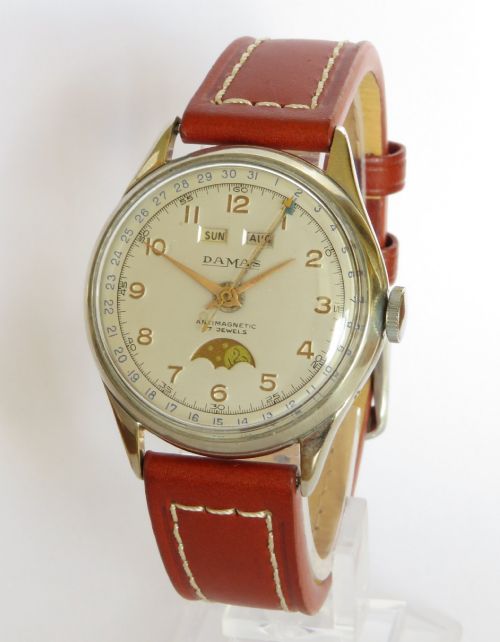
Complications are the other lever, and they turn up only occasionally. A five-minute repeater, a quarter repeater, a minute-repeating chronograph, a split-second rattrapante and a moonphase triple-date each appear once across the archive, all at or near the top. Diamond-set cocktail watches in platinum or white gold reach the upper end by a different route.
Antique Swiss Watches Retail Price Guide 2026
Typical UK retail prices for swiss watches, calculated from the Sellingantiques database of over a million retail prices indexed since 2003. This retail price guide relies exclusively on Sellingantiques data; no external sources or auction records are used, so the figures do not describe the wider market.
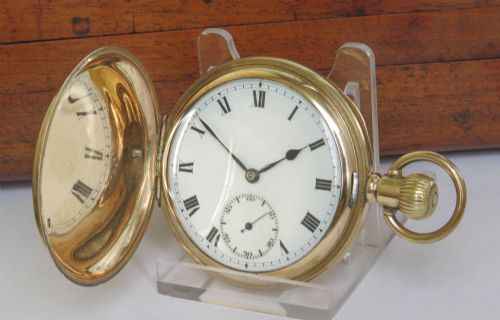
The top sale of the last year on Sellingantiques was a J. W. Benson Swiss made full hunter pocket watch in 9ct gold, in February 2026.
The Antique Swiss Watches Glossary
- Full hunter
- A pocket watch with a hinged metal cover over the dial, opened to read the time. The main cased variant in this category.
- Half hunter
- The same cover, but with a glazed aperture so the hands can be read while it stays shut. Considerably scarcer than the full hunter.
- Open faced
- No cover at all over the dial. The default for pocket watches on Sellingantiques.
- Albert
- The chain that secures a pocket watch to a waistcoat. Listings use "albert" and "chain" interchangeably, and around one in eight includes one.
- Goliath
- An oversized pocket watch, made for a desk or a car rather than a pocket. Two appear in the archive, one given as 70mm in a gun-metal case with a leather stand-case.
- Hebdomas
- An eight-day movement, usually shown off through an aperture in the dial that exposes the escapement. A recurring oddity, with a related Octava also recorded.
Antique Swiss Watches: Frequently Asked Questions
Are most Swiss pocket watches here silver or gold?
Silver is the larger group, and it is the metal behind the plain open-faced pocket watch that dominates the category. Gold cases appear across a similar number of listings overall, with 9ct much the commonest fineness.
Below both sit gold-plated, gold-filled and rolled gold cases, and gun metal at the bottom. Base metal turns up throughout the pocket-watch listings.
What years do these watches cover?
The dated listings run from 1880 to 1960, and nearly all carry a clean year, which is unusual for watches.
The 1920s and 1930s are the centre of gravity, together outweighing the 1940s, 1950s and 1960s combined. The 1960s and 1950s follow, then the 1910s, with the 1900s and 1940s thinner.
Do listings name the maker?
Often not. The bulk of the cheaper pocket watches are described by nationality and case metal alone, with no firm attached.
Where a name does appear it lifts the piece well clear of the anonymous run, and so does a quoted calibre or reference number, which shows up mainly on wristwatches.
How common are chronographs and repeaters?
Chronographs form a small but steady strand across the archive. Some carry only the generic trade name Chronographe Suisse rather than a maker.
Repeaters and other complications are one-offs. A five-minute repeater, a quarter repeater, a minute-repeating chronograph, a split-second rattrapante and a moonphase triple-date each appear once, and each sits at the top of the range.
Is the chain usually included with a pocket watch?
Around one listing in eight pairs the watch with a chain, albert or fob, and several are titled as a set.
The rest are the watch alone. Fobs, meaning either the small watch on a short chain or the ornament hanging from it, appear in a handful of titles.
What wristwatches turn up in this category?
Mid-century gents' models, manual-wind and automatic, mostly 1950s and 1960s. They make up roughly a quarter of everything recorded and the greater part of what is currently listed.
Case sizes are quoted on only a dozen or so, and those cluster between 33mm and 37mm, with 35mm the commonest figure. Ladies' and cocktail watches form a separate, smaller strand, several gold and diamond-set.