


Antique Silver Watches
Silver-cased watches from roughly 1800 to 1960, mostly pocket watches carried on a chain, along with the early wristwatches that took over from them.

Antique Silver Watches
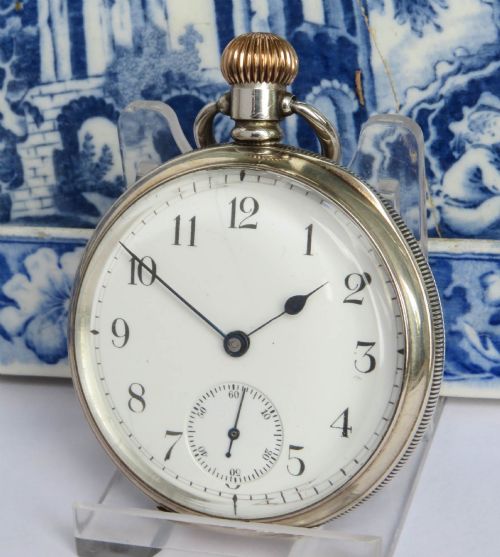
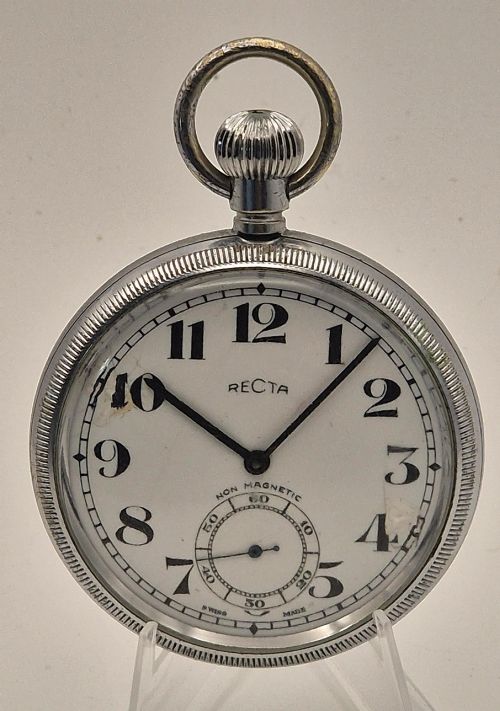
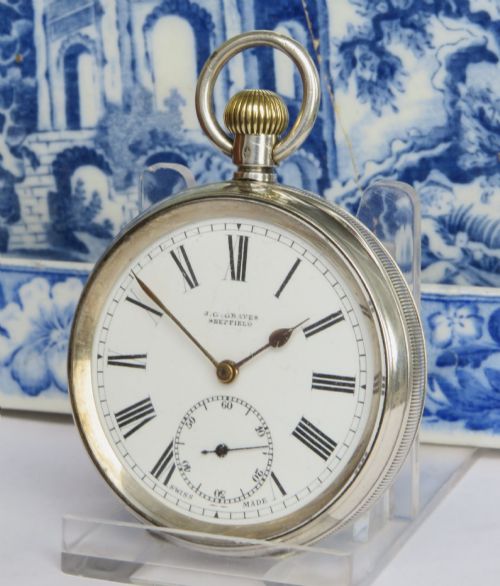
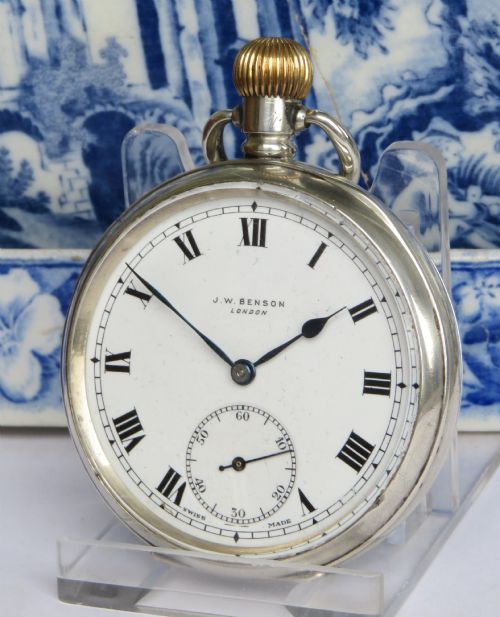
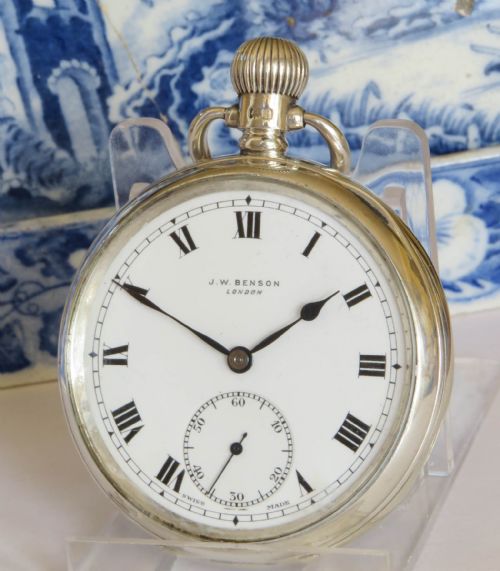
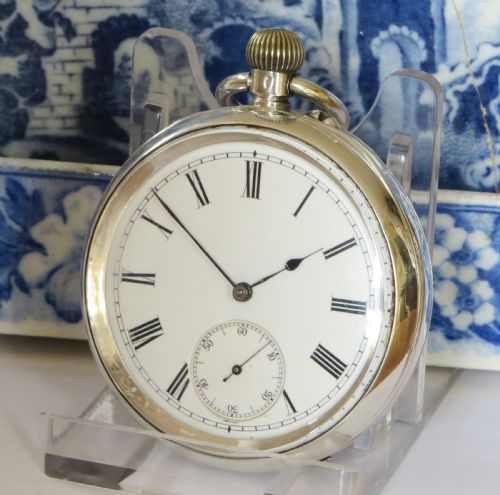
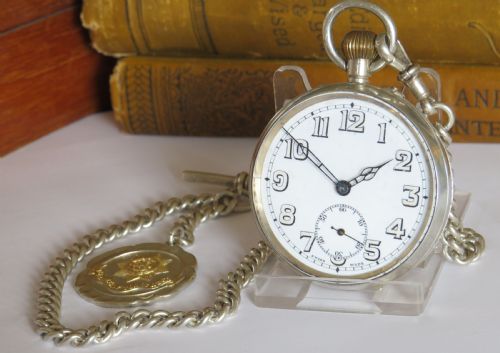
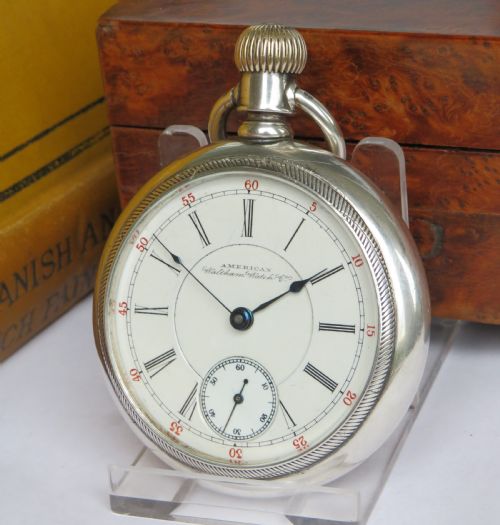
The default is a plain open-faced silver pocket watch: a dial with no lid over it, wound at the crown, dated by the dealer to a year. "Pocket" appears in 1,017 of 1,338 titles on Sellingantiques, and many of those titles say nothing more than the maker and a date, because open face is what a watch is unless the title says otherwise.
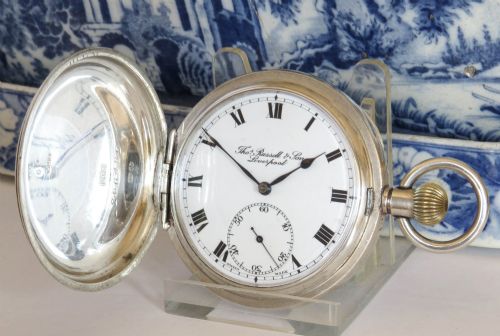
Hunter cases are the named variant and the smaller group. A full hunter carries a solid hinged lid over the dial, a half hunter a lid with a glazed window so the hands read part-shut. Half hunters run to 124 titles and full hunters to 64, against the mass of open-faced watches.
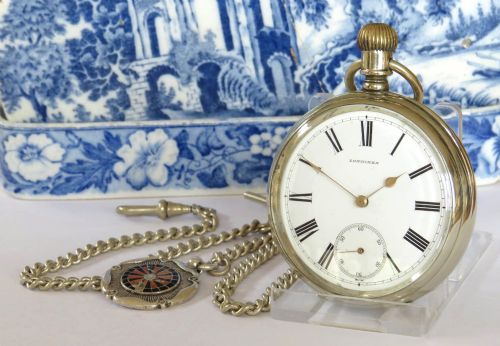
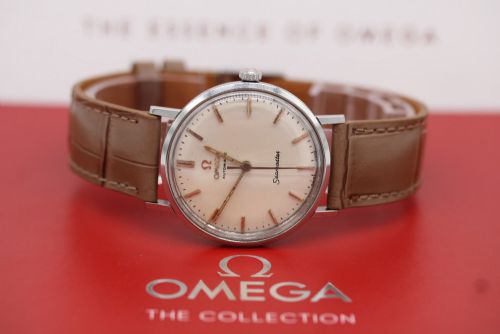
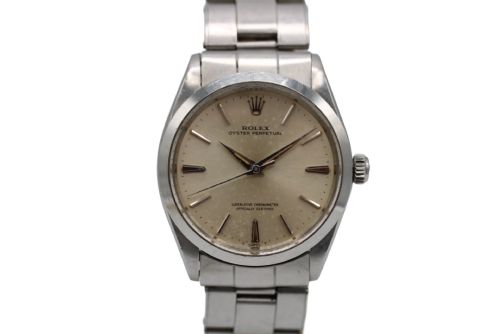
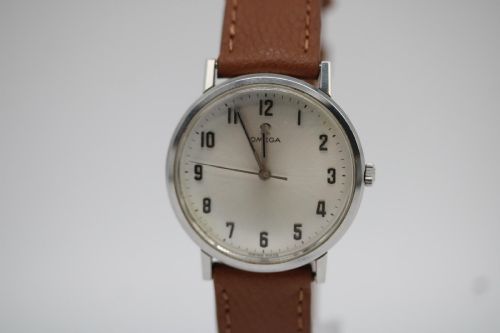
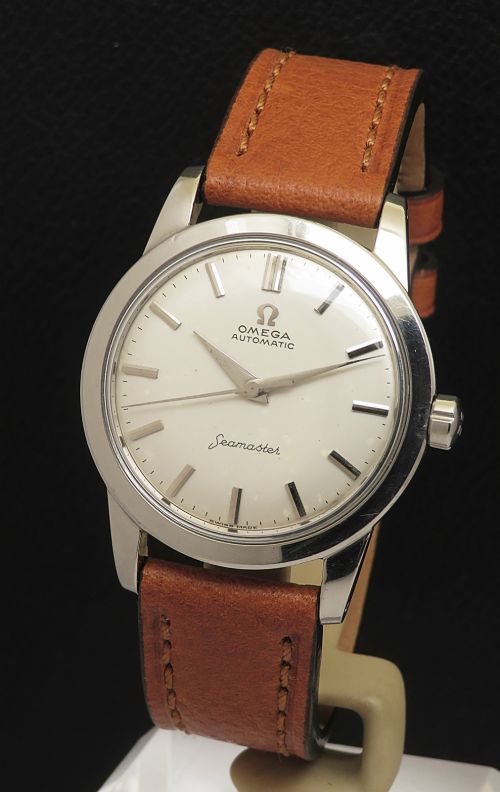
Early wristwatches make up the next branch, around one in eight listings: WW1 trench watches with wire lugs, Borgel screw cases, and 1920s and 30s cushion, tonneau and Art Deco shapes. About one in six watches arrives with its chain, sometimes an albert, sometimes with a football fob, a bell fob or a dog locket attached.
Dates cluster hard. The 1910s, 1920s, 1900s and 1930s together carry more than three quarters of the archive, so an Edwardian or interwar watch is what you'll meet most often. Behind that sits a thin tail: verge and pair-cased survivors dated 1761 through the 1830s, goliaths, travel clocks, sovereign cases, a pocket barometer and a pocket compass.
What Separates Them
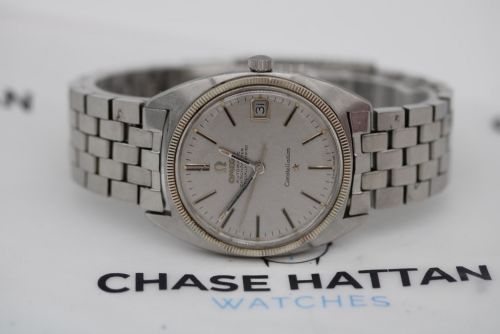
Case and name do most of the work. Hunter and half hunter cases sit consistently above the run of open-faced watches, and a recognised Swiss or American name lifts a watch clear of the anonymous "Antique Swiss silver pocket watch" that fills the bottom of the range. Omega, Longines, Zenith and Stauffer sit in the upper half.
Age tells at the extremes rather than across the middle. The verge and pair-cased pieces dated 1761, 1802, 1809, 1816 and 1833 are among the highest-placed silver pocket watches, while the difference between a 1908 and a 1928 open-faced watch is slight. Only a few dozen listings predate 1890 at all.
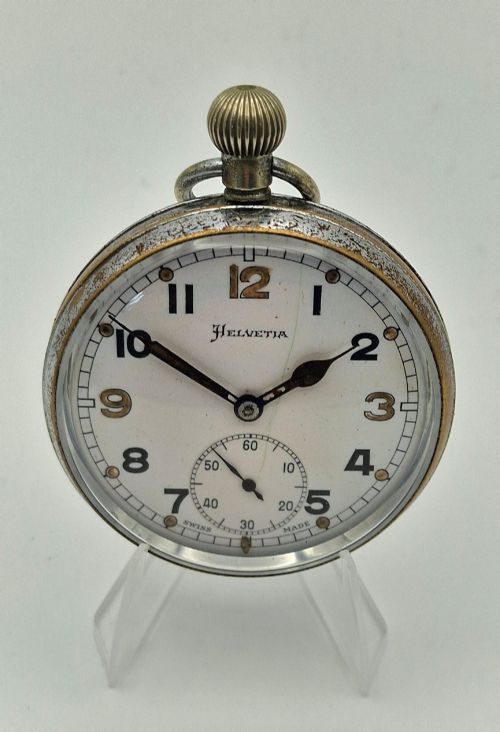
Documented issue moves a watch further than anything else in this category. Admiralty A.P.300, RAF 6B/159 and 6E/50, a Royal Flying Corps Mark IV, Kriegsmarine artillery and railway numbers for the Taff Vale and North British lines all sit high. Chronographs, centre seconds and oversized goliath cases rise above the time-only norm, and a chain or original box adds modestly.
Antique Silver Watches Retail Price Guide 2026
Typical UK retail prices for silver watches, calculated from the Sellingantiques database of over a million retail prices indexed since 2003. This retail price guide relies exclusively on Sellingantiques data; no external sources or auction records are used, so the figures do not describe the wider market.
Around 145 silver watches are listed on Sellingantiques each year, spread across 41 dealers.
Waltham·Omega·J W Benson·Longines·Cyma·Zenith·Buren·Revue Thommen·Rotherhams of Coventry·H Samuel·Thomas Russell·Elgin·Tavannes·Stauffer & Co (IWC)·Lancashire Watch Company·Smiths·Vertex·Marvin
The Antique Silver Watches Glossary
- Open face
- A case with no lid over the dial. It's the commonest form in the category and titles often don't bother to name it.
- Half hunter
- A hinged cover with a glazed aperture, so the time reads without opening the lid. Named in 124 titles.
- Full hunter
- A solid hinged cover with no window, opened by pressing the crown. Named in 64 titles.
- Trench watch
- A WW1-period wristwatch, frequently with wire lugs and sometimes a shrapnel guard over the glass. Sixty titles use the term.
- Fusee
- The chain-and-cone mainspring drive of earlier English movements, found on 31 listings, usually alongside verge or pair-cased descriptions.
- Goliath
- An oversized pocket watch, occasionally sold mounted in a silver stand as a travel or desk clock.
Antique Silver Watches: Frequently Asked Questions
Are most silver watches here pocket watches?
Yes. "Pocket" appears in 1,017 of 1,338 titles, against 151 carrying "wrist".
The wristwatches that do appear are early ones: WW1 trench watches with wire lugs, Borgel screw cases, and 1920s and 30s cushion, tonneau and Art Deco shapes.
What does half hunter mean?
A half hunter has a hinged lid over the dial with a glazed window cut into it, so the hands can be read while the cover is shut. A full hunter's lid is solid.
Both are the minority. Half hunters run to 124 titles and full hunters 64, while over a thousand listings say only "pocket", meaning the plain open-faced case.
How old are these watches?
The dated field runs from 1800 to 1960, with 1,273 listings carrying a clean year.
Four decades dominate: the 1910s, 1920s, 1900s and 1930s together account for more than three quarters of the archive. The 1940s, 50s and 60s together add fewer than a hundred.
Do many come with a chain?
About one in six. Chains are named in 224 titles, with albert specified in 15.
The chains sometimes bring company. A football fob, a bell fob, a dog locket and a double albert all turn up in the archive.
Which makers turn up most often?
Waltham is the single most-named maker in titles, just ahead of Omega. J W Benson is the leading British name.
Plenty of watches carry no maker at all, or a retailer's name only, and some are simply listed as Swiss or English. Names appear stamped on the movement, on the dial, or in some listings only as an attribution.
What are the unusual pieces in this category?
The tail is more varied than the heading suggests. A silver pocket barometer, a brass-and-silver compass built as a pocket watch, a sovereign case, a 24-hour dial, an 8-day Octava and a Hebdomas with a visible escapement have all passed through.
Military and railway issue shows up too, with Admiralty, RAF and Royal Flying Corps numbers, a Kriegsmarine artillery chronograph and watches numbered for the Taff Vale and North British railways.
Engraved presentation pieces appear occasionally, marked for a cycling club, an infantry regiment, a shipyard and a hotel among others.