
A 2026 Guide by Sellingantiques
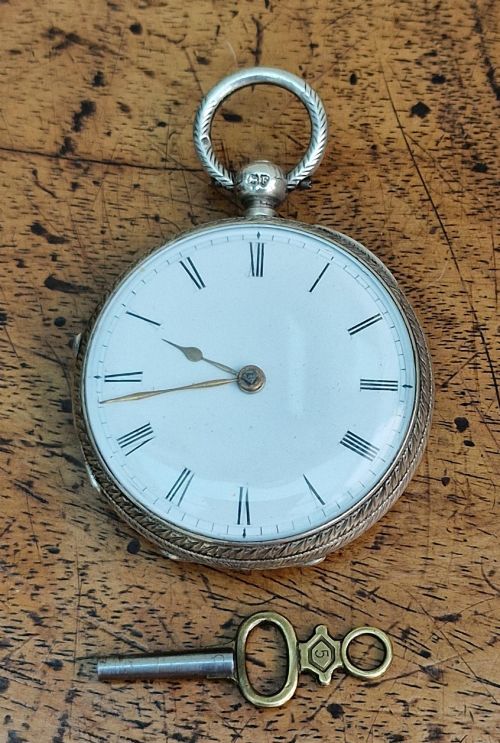
Thick and bulky early on. First examples relied on verge escapements.
Swiss makers eventually dominated the export trade during the nineteenth century. Before that broad shift in manufacturing, English watchmakers held a vast share of the international market for precision timing instruments.
Look for the transition from key-wind mechanisms to the more convenient stem-wind.
Railway expansion forced better timekeeping. The need for synchronised schedules drove demand for precise antique fob watches.
Breguet worked in Paris. His early firm pioneered the tourbillon to improve accuracy.
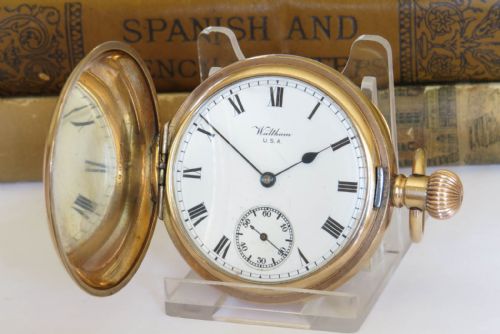
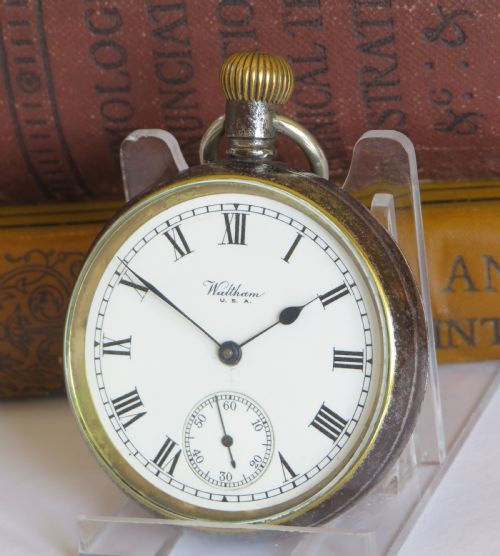
Waltham drove the American system of mass production from the 1850s onwards. They pushed machine-made interchangeable parts across millions of antique fob watches, drastically changing the global industry.
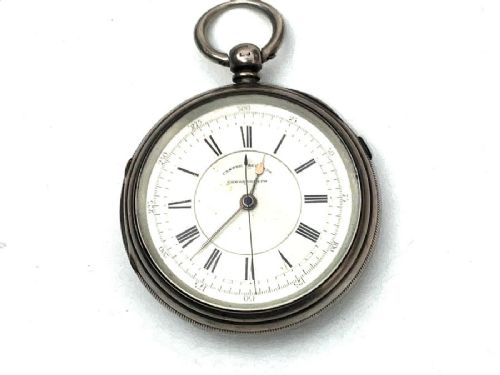
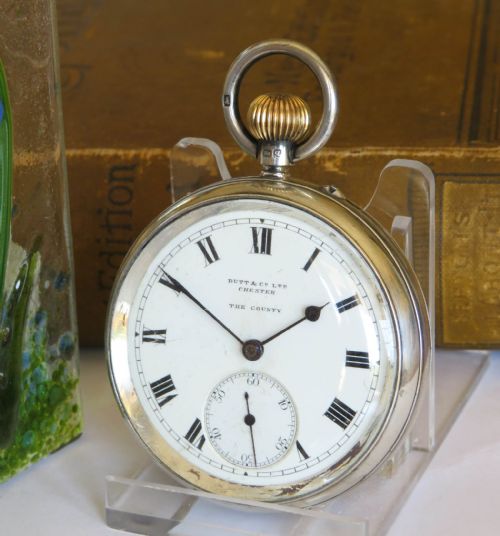
Watch for English provincial names. Local retailers often bought rough movements assembled in Lancashire, finishing them regionally and engraving their own names on the dials.
The 2026 retail price guide for Antique Fob Watches is drawn from a proprietary archive of over 1.1 million retail prices indexed by Sellingantiques since 2003. This guide relies exclusively on their own internal data; no external sources or auction records are used.
Analysing nearly 25 years of UK antique market history alongside current retail values, the data indicates that typical UK retail prices for Antique Fob Watches range between £200 and £1,200. Entry-level prices generally fall under £200 and premium examples upwards of £1,200.
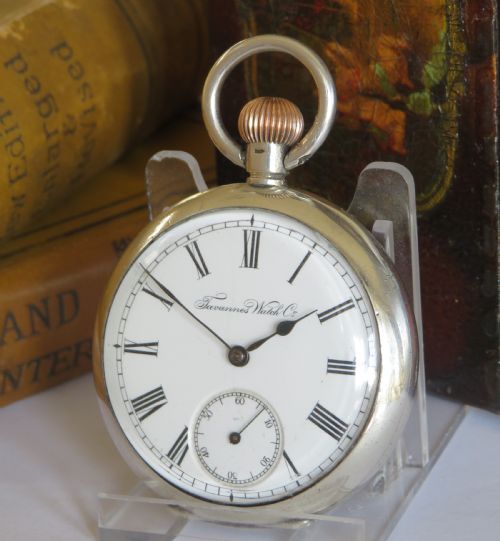
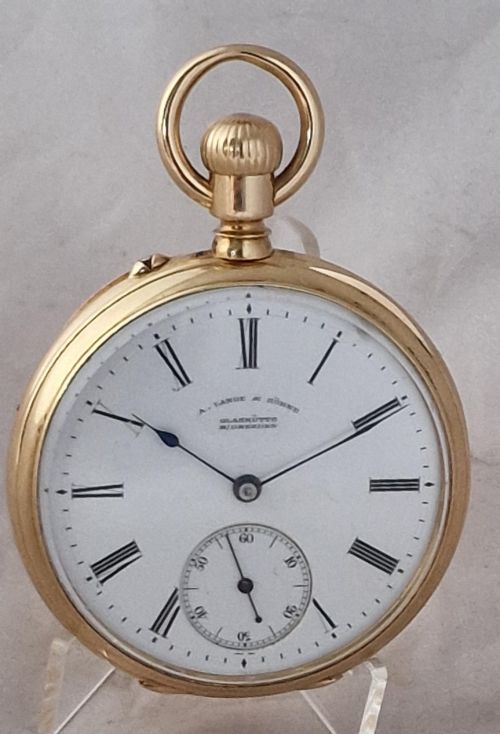
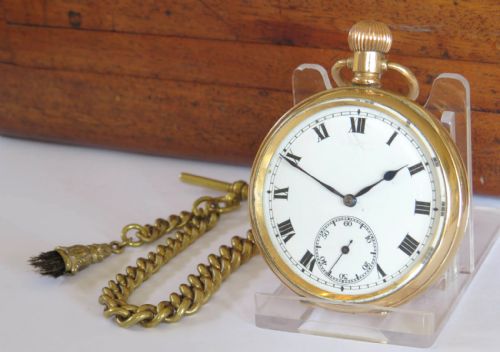
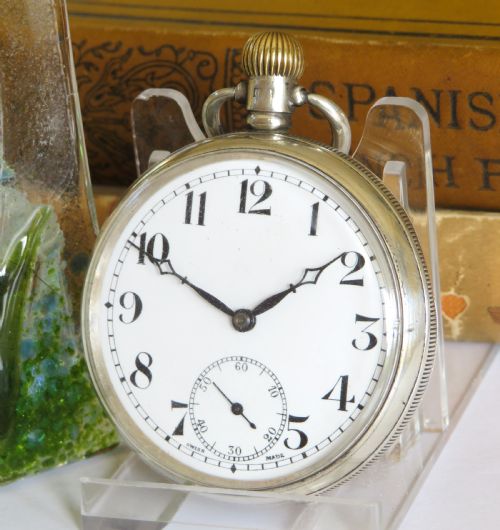
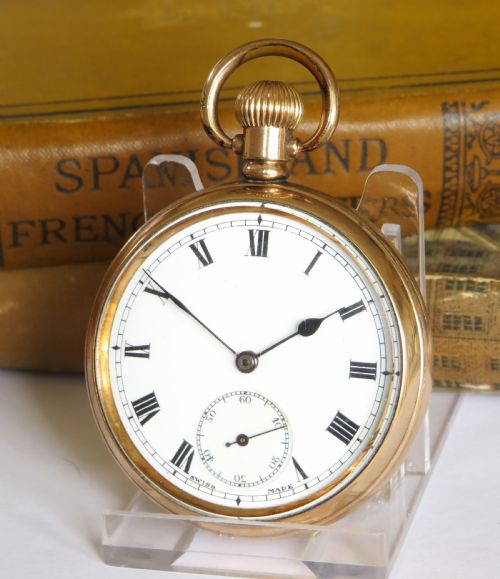
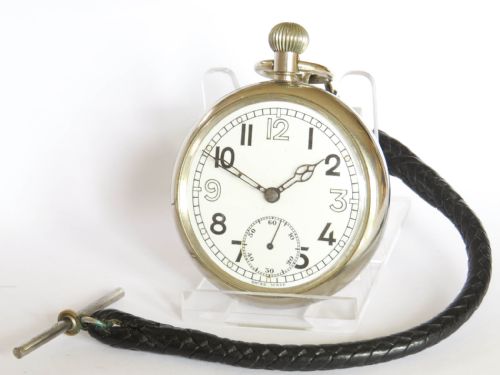
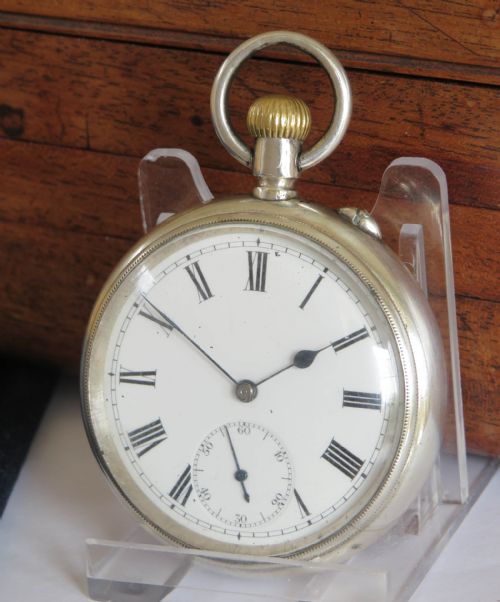
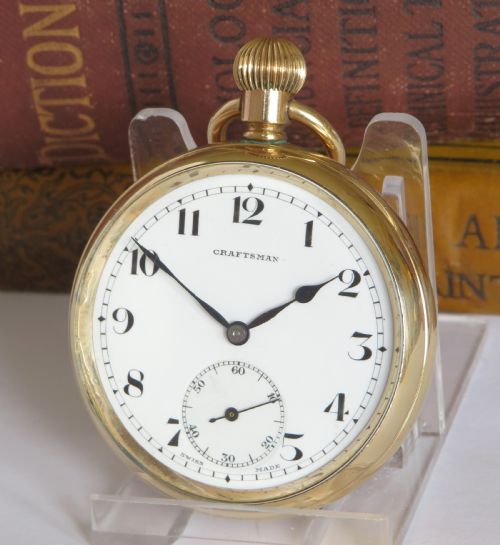
Open-face designs leave the dial exposed directly behind the front crystal.
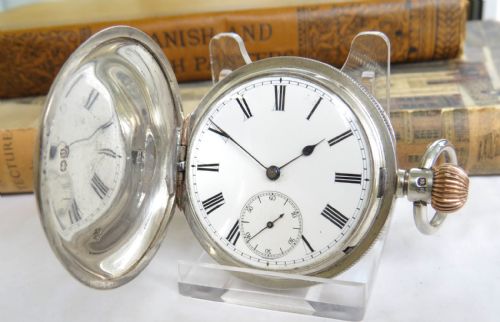
Hunter cases have a hinged metal cover over the dial. Pressing the crown button springs the lid open to read the time.
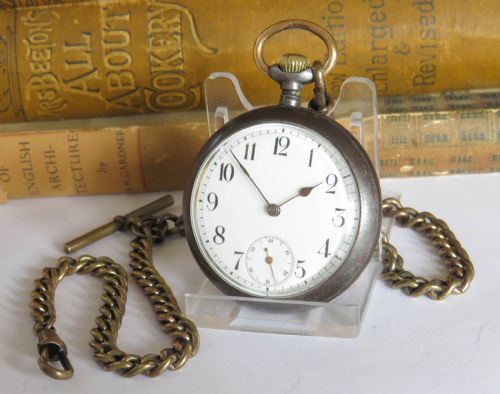
Subsidiary seconds. A tiny hand tracks the passing minute separate from the main central hands, usually placed right near the six o'clock mark on the dial layout.
Hand finishing dominated the early English trades. Watchmakers filed individual brass pinions by eye.
Damaskeening adds decorative etched patterns across the movement plates. American firms used this technique heavily to differentiate mechanical grades in the catalogue.
Inspect the balance wheel. Adjustments for temperature rely on a bimetallic wheel rim that expands and contracts to maintain consistent timing when passing between cold and warm environments.
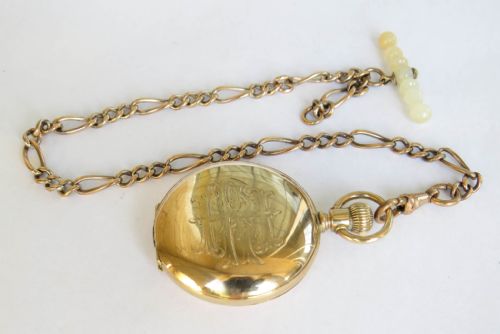
"Pocket watch chains often included a small key for winding. Some heavy chains even held tiny seals for stamping hot wax on folded letters."
"Extra jewels became a major selling point. They indicated a higher grade of movement."
"Hallmark letters. Many silver cases bear stamps that date the watch exactly, pinpointing the specific year the outer case was assayed in Britain."
Based on almost 25 years of Sellingantiques UK antique market data, Antique Fob Watches appeared 1259 times (out of 1,100,000 antiques) which gives it a rarity score of 78/100.
This score measures scarcity within the Sellingantiques archive only and is not a survey of the entire antiques market, so these statistics may not be indicative of the general availability of Antique Fob Watches elsewhere.
Stem-wind watches often have a small lever hidden under the bezel. You pull the lever out with a fingernail, then turn the crown to move the hands.
Pin-set models require pressing a tiny button on the side of the case. Keep the button depressed while turning the winding crown to set the correct hour.
Never use pliers on the winding square. The steel jaws will chew the brass or soft steel post, ruining the metal rapidly.
Watch keys come in standard sizes numbered by the width of the square hole. Dealers sell gauge wheels or star keys with multiple prongs. Buy one of these to test the fit before finding a single key in the correct size.
Gravity pulls on the balance wheel differently depending on the angle it sits in a pocket.
Adjusted means a watchmaker tuned the movement in various resting angles. More positions mean more time spent regulating the mechanism.
The speed of the tick relates to the beats per hour. Older verge movements have a slower, deliberate beat. Later lever escapements tick faster in comparison.
If the watch gains or loses large amounts of time, the hairspring might be sticking. Sometimes old oil turns to a sticky paste and slows the gears down.
A watchmaker can clean the train and re-oil the pivots. This regular maintenance gets the swing back to a healthy amplitude and restores the timing.
Please note: This Antique Fob Watches guide and its associated pricing data are provided for general informational purposes only. It does not constitute formal financial, investment, or appraisal advice and should not be relied upon as the sole basis for any commercial activity, purchasing, or sales decisions. Sellingantiques.co.uk accepts no liability for any actions taken in reliance on this information. Always consult with a qualified professional or independent appraiser.
