
A 2026 Guide by Sellingantiques
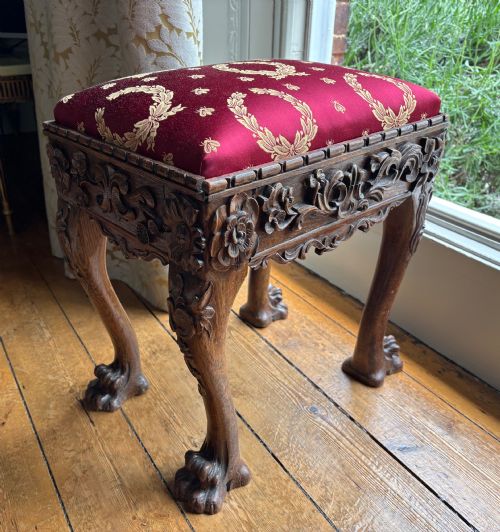
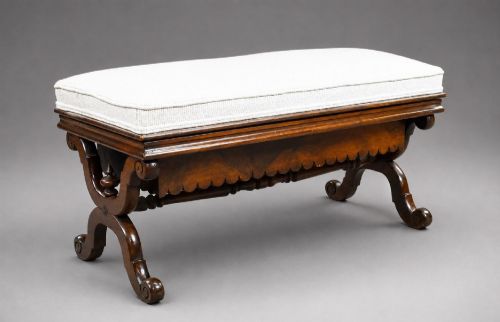
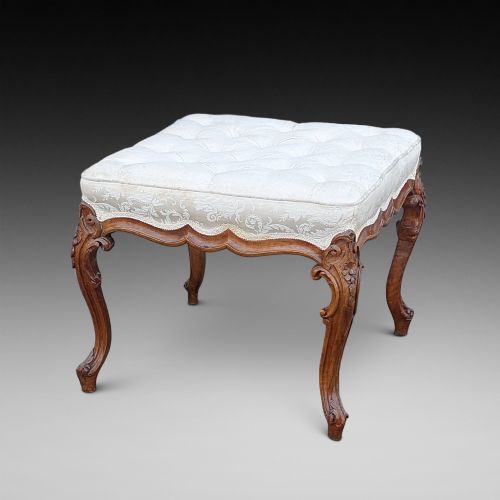
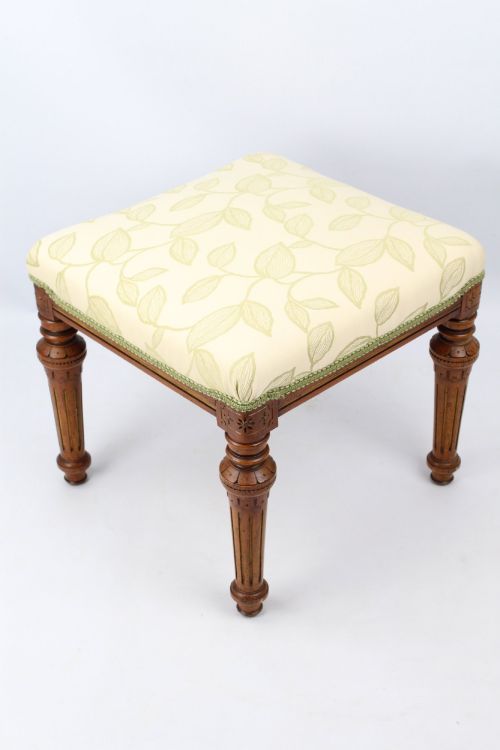
Outstanding Quality Antique Victorian Carved Walnut Freestanding Stool, 1880
Priced at £2,850 from London City Antiques
Long before chairs became common, antique carved stools served as the primary seating for most households across Europe.
Seating hierarchy was strict. Only the master sat in an armchair at the head of the table.
Look at early estate inventories. You often find these listed in dozens, scattered across halls and bedchambers.
They offered practicality. Servants could tuck them under trestle tables or stack them against the panelling when clearing the floor.
Decoration grew richer over time. Wealthy merchant classes demanded heavier ornamentation to reflect their rising social status.
Very few individual makers signed this type of furniture. Most pieces emerged from anonymous provincial workshops supplying local estates.
Look out for distinct regional variations. West Country carvers favoured specific gouge patterns that differ from those used in East Anglia.
Guild rules dictated construction methods in the cities. Rural craftsmen operated outside these restrictions and often employed more robust techniques.
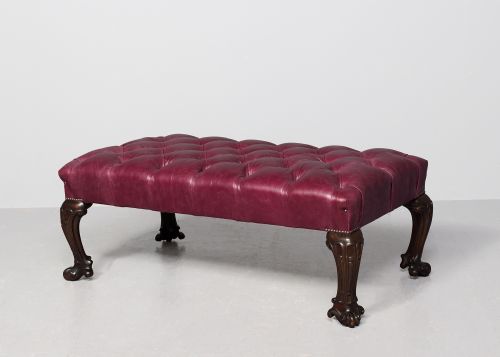
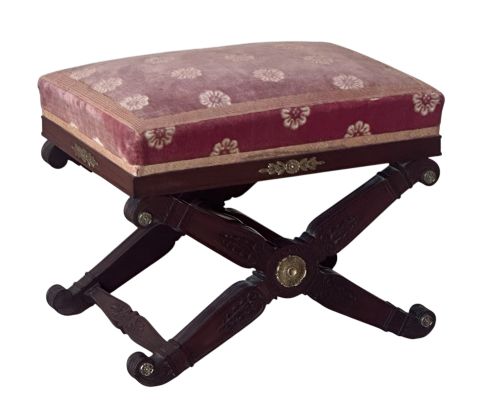
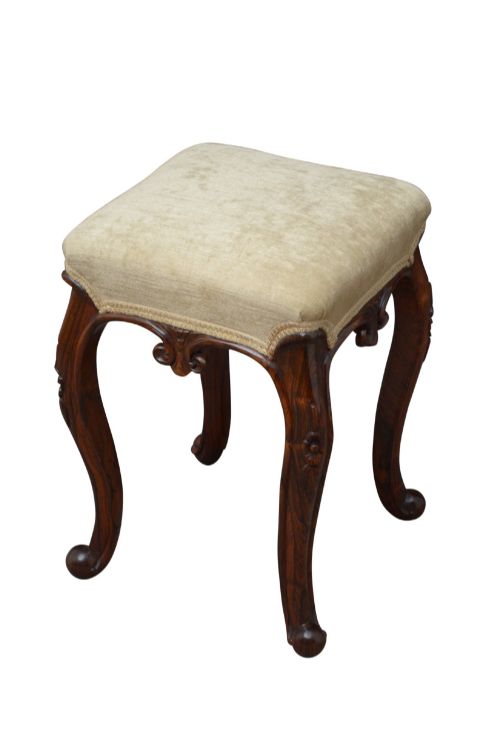
Antique Victorian Quality Carved Walnut Stool, 1860
Priced at £485 from Unique Antiques by Emma Jade
The 2026 retail price guide for Antique Carved Stools is drawn from a proprietary archive of over 1.1 million retail prices indexed by Sellingantiques since 2003. This guide relies exclusively on their own internal data; no external sources or auction records are used.
Analysing nearly 25 years of UK antique market history alongside current retail values, the data indicates that typical UK retail prices for Antique Carved Stools range between £400 and £1,900. Entry-level prices generally fall under £400 and premium examples upwards of £1,900.
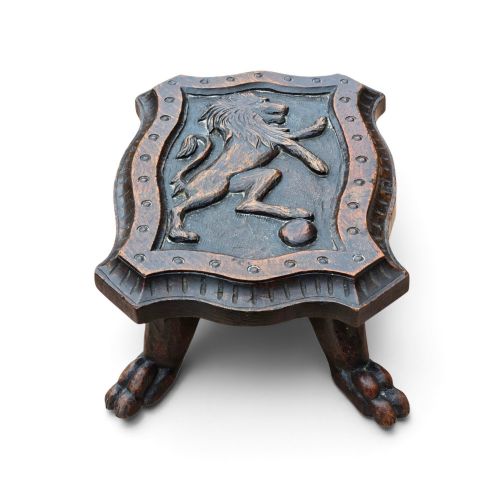
The frieze rail often carries the heaviest ornamentation. Lunette patterns and strapwork are common motifs across seventeenth-century antique carved stools.
Turned legs usually frame the piece. These range from simple baluster profiles to complex ring-and-ball turnings supporting the decorative sections.
Stretchers sit low to the floor. They connect the legs and provide a resting place for feet away from cold draughts.

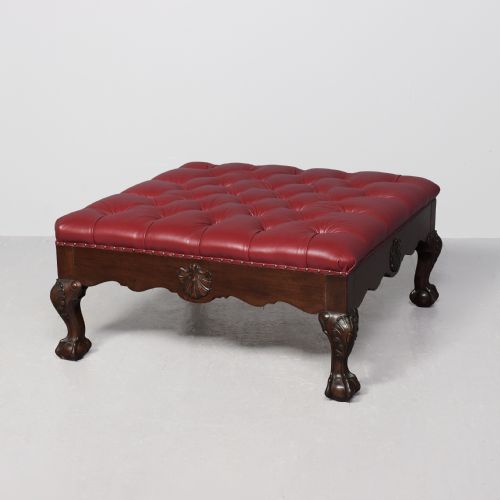
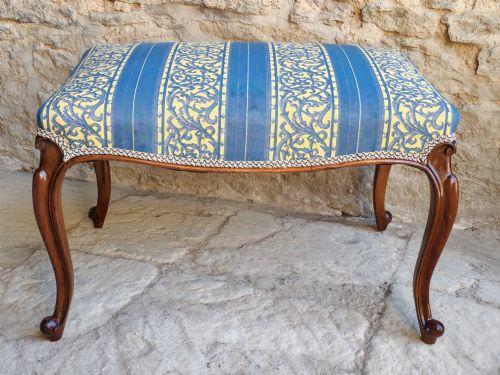
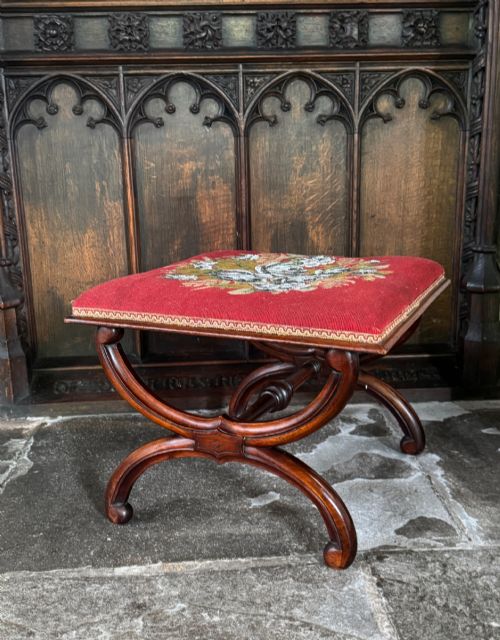
Outstanding Quality Antique Victorian Freestanding Carved Walnut Stool
, 1860
Priced at £975 from London City Antiques
Joiners built the carcase first. They assembled the frame using draw-bored wooden pegs that tightened the joints as they were driven home.
Carvers received the rails next. Tools called gouges removed the background wood to leave the main design standing proud.
Hand-planed surfaces lack uniformity. Run your fingers beneath the seat board to feel the subtle ridges left by the craftsman's plane.
"Many early examples doubled as low tables. Placed next to a bed or a hearth, they provided a handy flat surface for candlesticks."
"The deep carving actually helped hide surface dirt. Elaborate relief patterns masked the daily dust much better than plain, flat panels ever could."
"Upholstery was originally added as a separate loose cushion. People tied padded squabs to the corners rather than nailing fabric directly to the wood."
Based on almost 25 years of Sellingantiques UK antique market data, Antique Carved Stools appeared 1809 times (out of 1,100,000 antiques) which gives it a rarity score of 70/100.
This score measures scarcity within the Sellingantiques archive only and is not a survey of the entire antiques market, so these statistics may not be indicative of the general availability of Antique Carved Stools elsewhere.
Weight varies depending on the specific timber and the thickness of the original planks. An early oak joint stool built with dense timber feels substantial when you lift it.
Later walnut pieces often feel lighter. The overall dimensions and the amount of wood removed during the carving process also play a part. Some rural pieces carry extra bulk in the legs.
Wealthy households often commissioned them in large batches to furnish a long gallery or a dining hall. Estate records from the period frequently list them in dozens. They formed a cohesive scheme alongside the main dining tables.
Smaller rural homes usually acquired pieces piecemeal over the years. A local joiner might make a single seat to mark a marriage or replace a broken item. Finding a true matched set today is uncommon because they dispersed through inheritance.
Good quality beeswax polish handles basic maintenance well. Apply a thin layer with a soft cloth once a year to feed the timber.
Avoid spray polishes. They leave a residue that builds up inside the carved recesses and dulls the historic surface over time.
Early joiners worked efficiently and focused their efforts on the visible surfaces. The underside of the seat board usually retains the coarse marks from a scrub plane or a pit saw. They had no reason to smooth timber that would face the floor.
Sanding as a modern process did not exist in the same way. Craftsmen smoothed the primary faces using metal scrapers and finer hand planes. Leaving the hidden carcase rough saved hours of unnecessary labour in the workshop.
Please note: This Antique Carved Stools guide and its associated pricing data are provided for general informational purposes only. It does not constitute formal financial, investment, or appraisal advice and should not be relied upon as the sole basis for any commercial activity, purchasing, or sales decisions. Sellingantiques.co.uk accepts no liability for any actions taken in reliance on this information. Always consult with a qualified professional or independent appraiser.
