
A 2026 Guide by Sellingantiques
Check the English Restoration period for the earliest recognisable antique daybeds.
Caned seating surfaces and adjustable backs turned up frequently by the late seventeenth century.
A marked shift towards padded upholstery emerged during the eighteenth century as comfort became a priority.
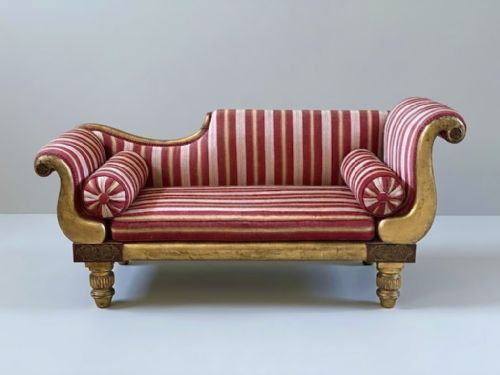
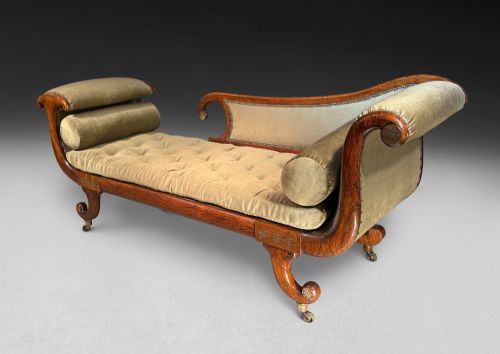
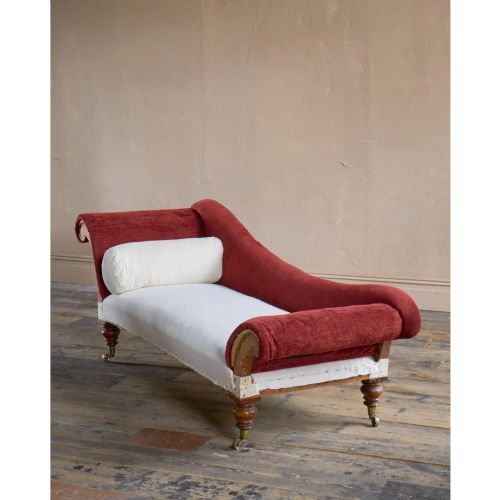
French Empire designs brought a different silhouette to the antique daybed with scrolled ends and bolster cushions.
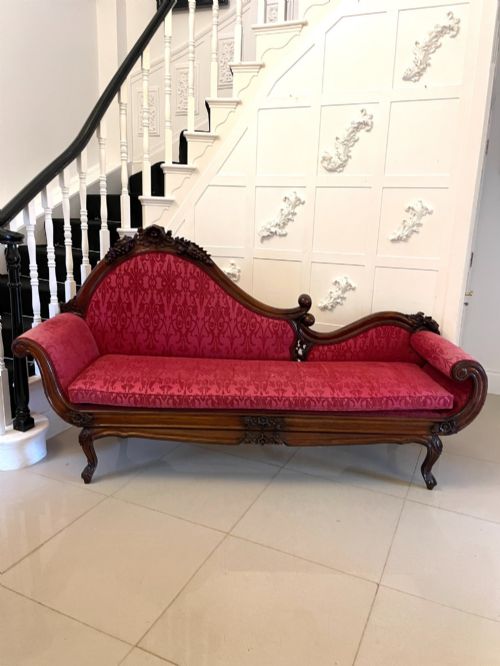
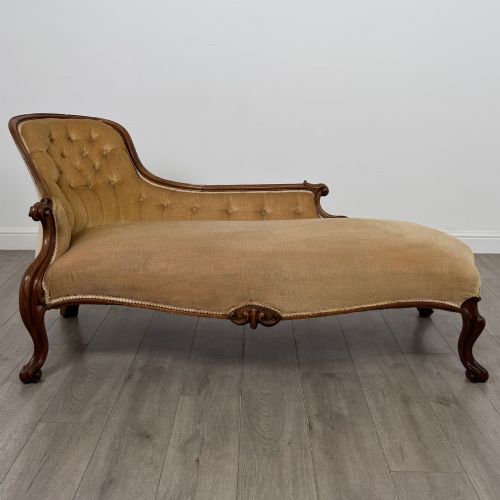
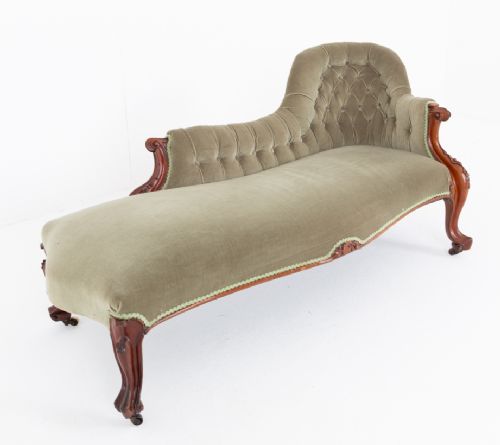
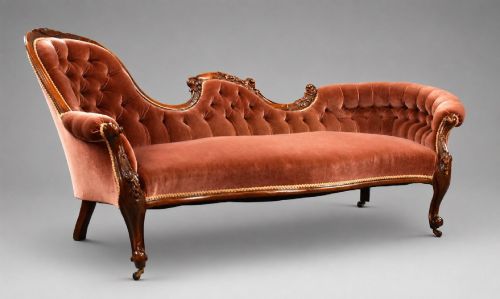
Victorian workshops adapted the form into heavily carved mahogany parlor pieces intended for afternoon naps.
Thomas Chippendale supplied carved mahogany examples to wealthy clients during the mid-eighteenth century.
Stamped pieces by Gillows of Lancaster dating to the early nineteenth century.
Provincial cabinetmakers constructed countless unlabelled versions adapting fashionable London patterns for regional buyers.
The 2026 retail price guide for Antique Daybeds is drawn from a proprietary archive of over 1.1 million retail prices indexed by Sellingantiques since 2003. This guide relies exclusively on their own internal data; no external sources or auction records are used.
Analysing nearly 25 years of UK antique market history alongside current retail values, the data indicates that typical UK retail prices for Antique Daybeds range between £800 and £4,000. Entry-level prices generally fall under £800 and premium examples upwards of £4,000.
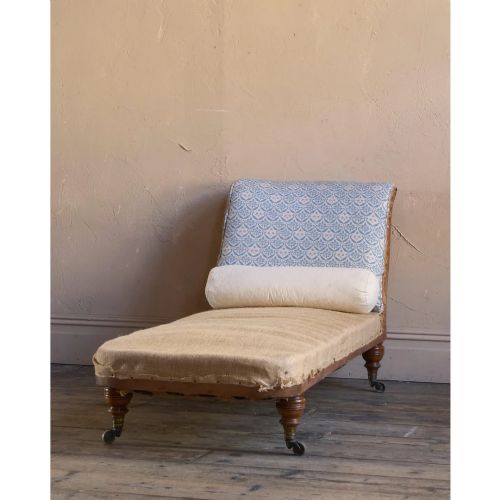
Most antique daybeds feature a long rectangular seat designed to support an outstretched adult.
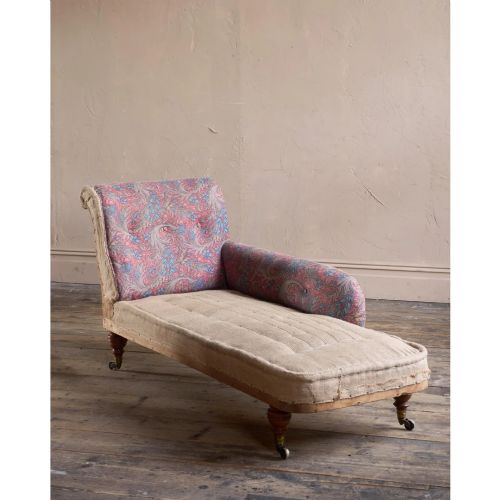
An adjustable backrest at one end, secured by metal ratchets or wooden pegs.
Look for six to eight legs distributing the weight along the extended frame.
Early antique daybeds relied on pegged mortise and tenon joints to secure the multiple leg stretchers.
Feel along the inner rails for hand-forged iron brackets added to reinforce the corners.
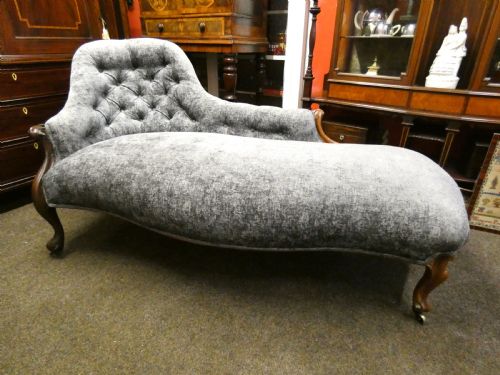
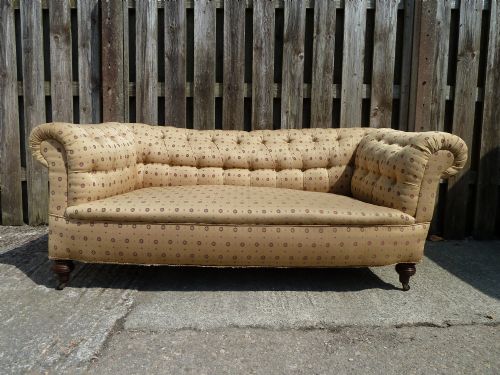
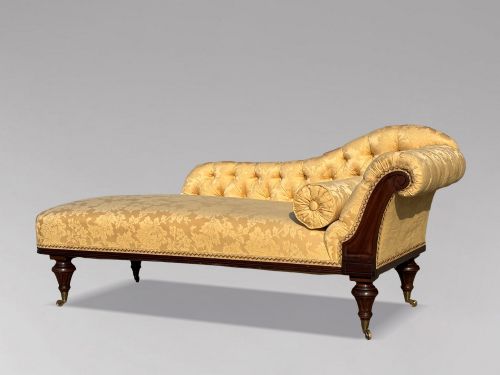
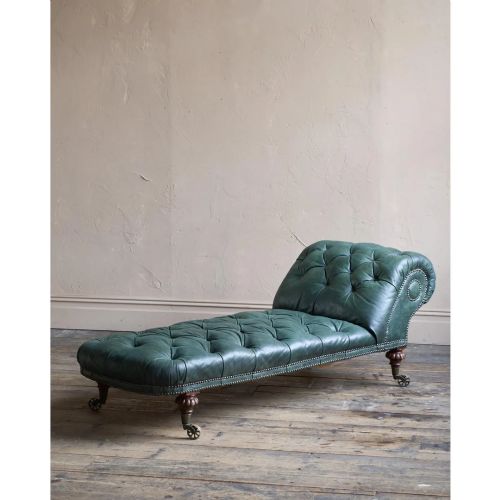
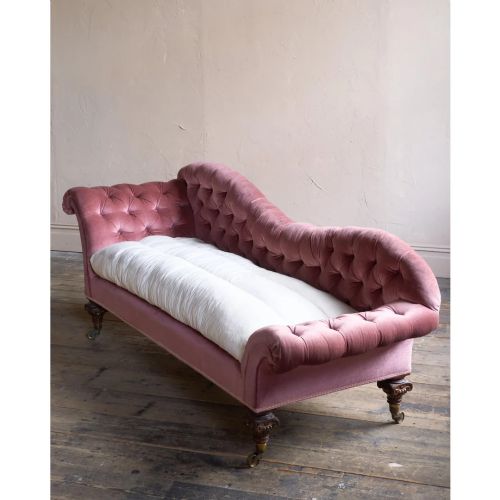
Deep buttoning introduced during the Victorian period to hold horsehair stuffing firmly in place.
"Many seventeenth-century versions were designed to match suites of dining chairs perfectly."
"An adjustable back allowed the sitter to angle themselves toward the light for reading."
"Appreciate how the elongated form doubles as a practical room divider in open spaces."
Based on almost 25 years of Sellingantiques UK antique market data, Antique Daybeds appeared 730 times (out of 1,100,000 antiques) which gives it a rarity score of 86/100.
This score measures scarcity within the Sellingantiques archive only and is not a survey of the entire antiques market, so these statistics may not be indicative of the general availability of Antique Daybeds elsewhere.
Dust it with a soft brush to stop dirt grinding into the woven fibres.
Avoid soaking the cane with water. The natural material will swell and snap when it dries.
Most early examples have fixed joints glued and pegged at the workshop. They won't break down into smaller sections for moving.
Some later nineteenth-century pieces might have removable legs or drop-in seat frames. You will need to measure your staircase carefully and compare it against the maximum dimensions of the piece before buying.
Horsehair or wool damask works well for seventeenth and eighteenth-century frames. These materials reflect what the original upholsterers used and they wear well over decades of use.
Linen is another good choice for a softer finish. It breathes well and fits the relaxed nature of the seating form.
They offer a firm sit compared to modern sofas. The traditional stuffing relies on horsehair and tightly webbed springs rather than deep foam.
Adding a thick feather-filled squab cushion transforms the feel. You'll find them excellent for lying flat, though they lack the deep back support you might expect from a standard couch.
Please note: This Antique Daybeds guide and its associated pricing data are provided for general informational purposes only. It does not constitute formal financial, investment, or appraisal advice and should not be relied upon as the sole basis for any commercial activity, purchasing, or sales decisions. Sellingantiques.co.uk accepts no liability for any actions taken in reliance on this information. Always consult with a qualified professional or independent appraiser.
