




A 2026 Guide by Sellingantiques
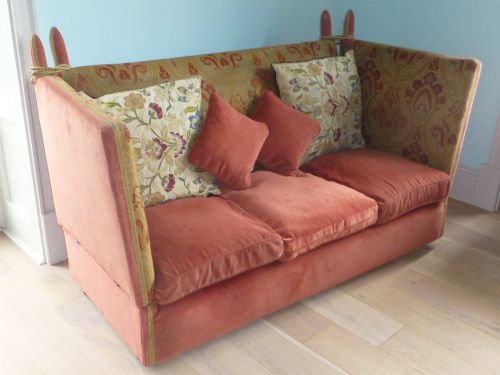
Seventeenth-century origins. Often tied to a surviving early example at Knole House.
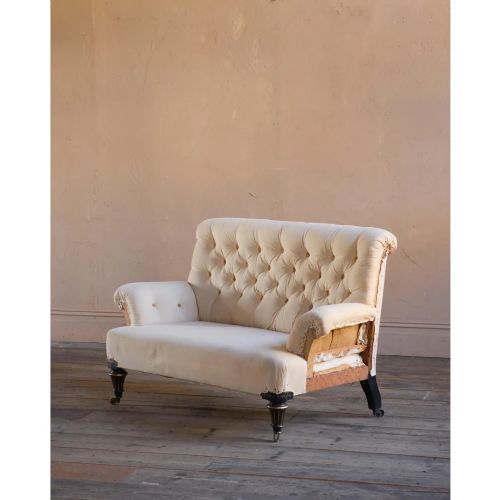
Victorian makers revived the concept for smaller drawing rooms. They needed space-saving furniture.
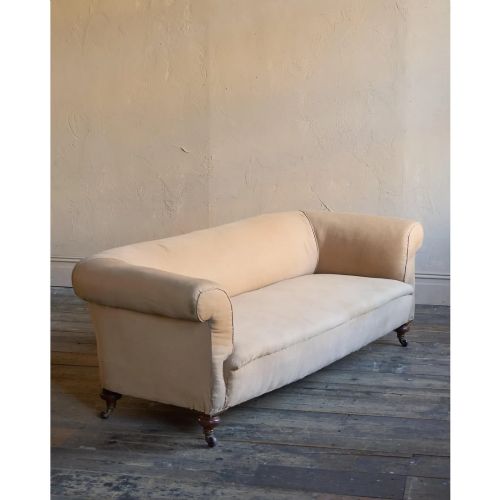
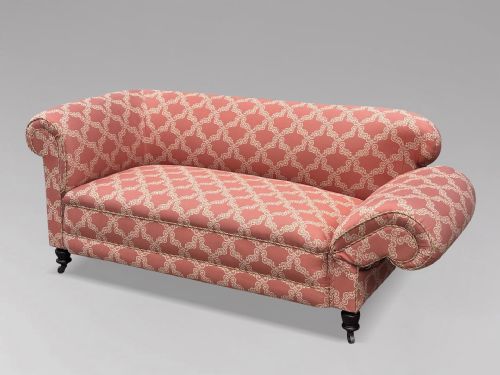
By the Edwardian period, a single hinged end became common. This turned a regular seat into a chaise longue.
Check early twentieth-century catalogues. Middle-class households bought antique drop arm sofas in steady numbers.
Howard and Sons made high-quality variations during the late nineteenth century. Their stamped castors and ticking survive on untouched frames.
Maple and Co produced large volumes of single drop arm sofas. These filled suburban villas in the nineteen tens.
James Shoolbred offered sturdy mechanical upholstery. You'll find their stamped metal plates on the frame.
The 2026 retail price guide for Antique Drop Arm Sofas is drawn from a proprietary archive of over 1.1 million retail prices indexed by Sellingantiques since 2003. This guide relies exclusively on their own internal data; no external sources or auction records are used.
Analysing nearly 25 years of UK antique market history alongside current retail values, the data indicates that typical UK retail prices for Antique Drop Arm Sofas range between £400 and £2,800. Entry-level prices generally fall under £400 and premium examples upwards of £2,800.
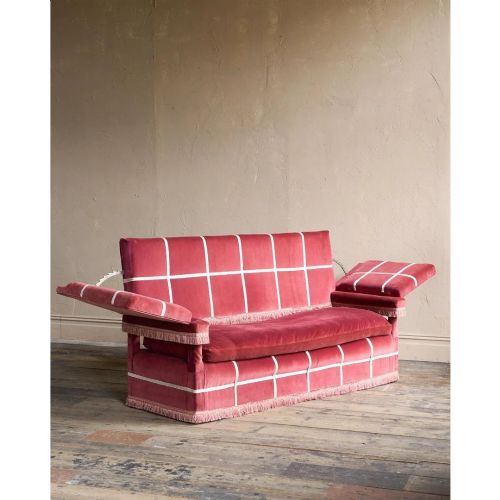
Adjustable ends define antique drop arm sofas. You'll let them down using a metal ratchet or loosening decorative cords.
Deep seating areas often sit quite low to the ground. Castors make them easier to reposition.
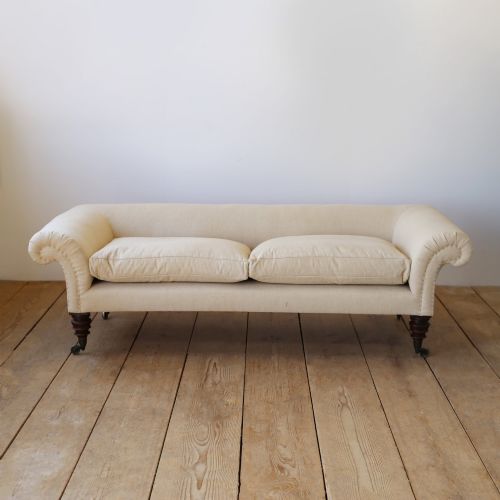
Look for tall backs on dual-arm models. These kept out cold draughts in large country houses.
Early antique drop arm sofas rely on heavy timber joints. Thick oak dowels take the strain of the moving parts.
Metal workers eventually developed internal clicking ratchets. This removed the need for bulky exterior ropes and pegs.
Upholsterers had to stitch the horsehair roll carefully. A bad edge collapses when the arm drops flat.
"Lowering the arm creates a flat sleeping surface. They served as instant guest beds in smaller houses."
"The varied angles let you find the right pitch for reading. A fixed sofa rarely offers this flexibility."
"Surviving original tiebacks often feature woven metallic threads. These add a flash of quiet luxury to the room."
Based on almost 25 years of Sellingantiques UK antique market data, Antique Drop Arm Sofas appeared 132 times (out of 1,100,000 antiques) which gives it a rarity score of 97/100.
This score measures scarcity within the Sellingantiques archive only and is not a survey of the entire antiques market, so these statistics may not be indicative of the general availability of Antique Drop Arm Sofas elsewhere.
Most rely on a hidden metal ratchet mechanism. You'll pull the arm up, and it clicks into position.
Older models might use ropes tied to wooden finials. If the arm drops without warning, the ratchet teeth are worn out.
They'll take two people to lift safely. The solid beech frames add substantial weight.
Original brass castors help you roll them across hard floors.
A dropped arm adds around two feet to the overall length. You need to plan for this extension when measuring your room.
Keep the main body away from the wall if you intend to use the mechanism often. A side table might block the arm from lowering fully.
They work well in tight spaces as flexible daybeds. You'll just need clear space on one side.
Tall backs belong to the early Knole style. They'd block draughts in large historic halls.
Later Edwardian pieces look much like a standard low-backed settee. The only difference is the single hinged arm at one end.
You can find variations to suit most ceiling heights. The lower versions fit well in modern rooms.
Please note: This Antique Drop Arm Sofas guide and its associated pricing data are provided for general informational purposes only. It does not constitute formal financial, investment, or appraisal advice and should not be relied upon as the sole basis for any commercial activity, purchasing, or sales decisions. Sellingantiques.co.uk accepts no liability for any actions taken in reliance on this information. Always consult with a qualified professional or independent appraiser.
