



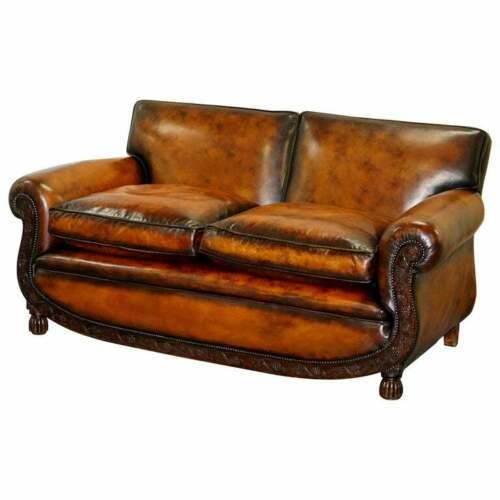


Antique Oak Sofas
Oak-framed seating for two or more people, from the high-backed panelled settle built to keep the draught off a hall or kitchen to upholstered sofas and benches on oak frames.
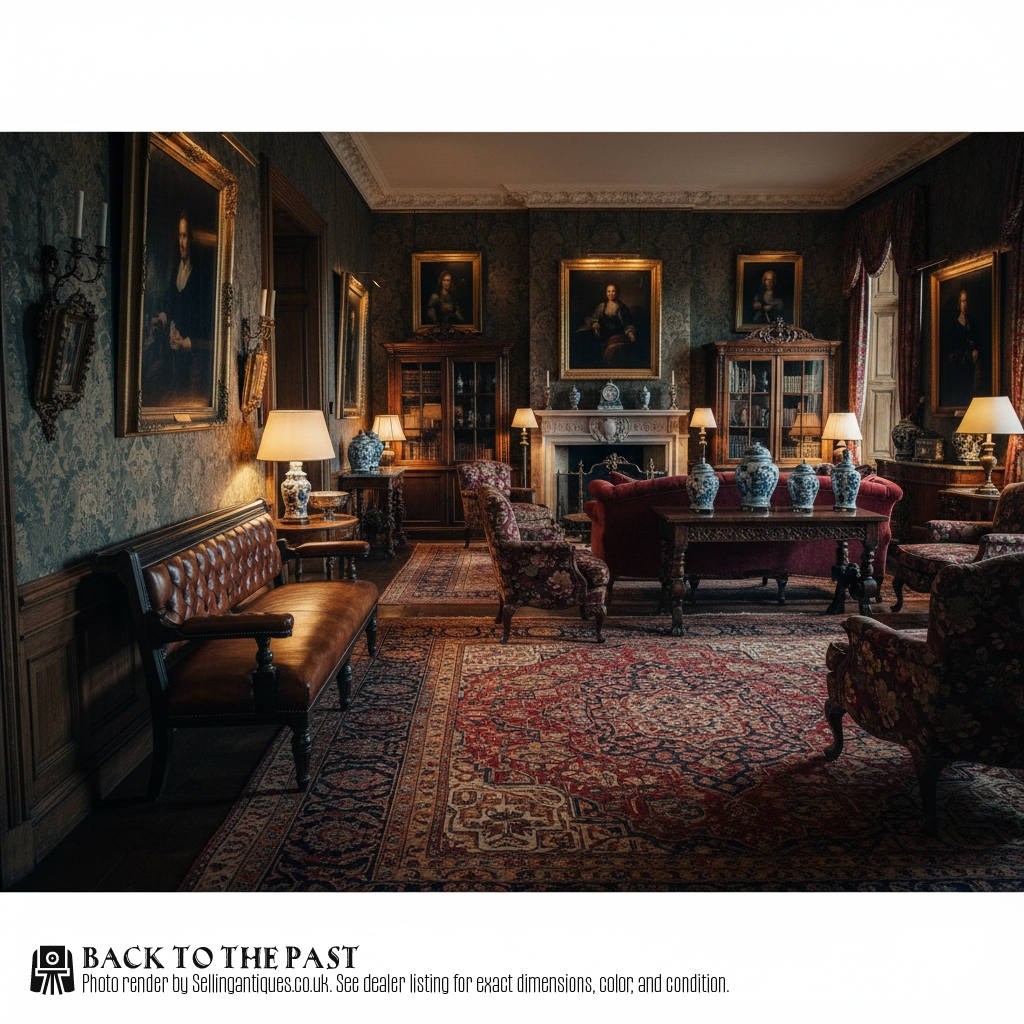
Antique Oak Sofas
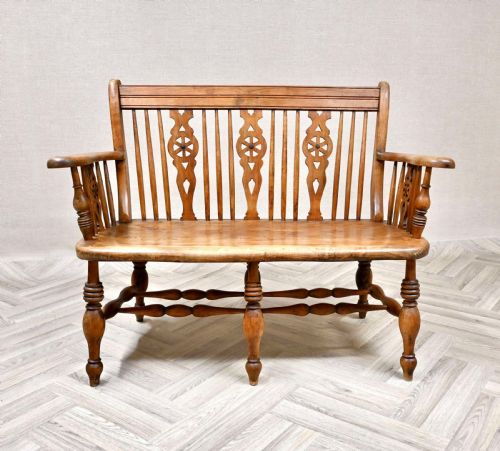
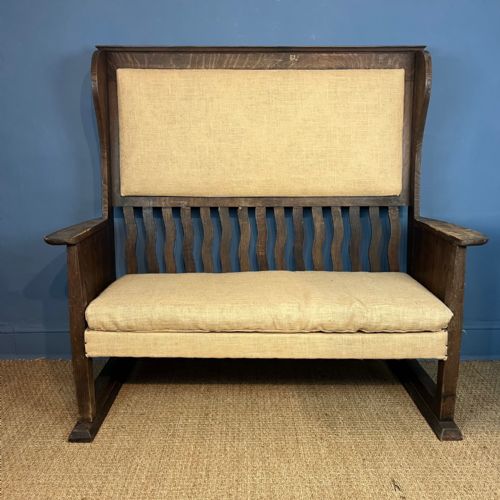
The word in the heading is sofa, but the form you meet most often is the settle. It appears in 63 of 166 titles, more than twice the share of the next term, bench. A settle is a high-backed oak seat for two or more, often built up of framed panels, sometimes with a box seat under the lid or a loose squab cushion on top.
The settle is the long-established English answer to fixed seating for several people: a tall back to block the draught, in the hall, kitchen and tavern. Panel counts are part of the description, four-panel and five-panel both turning up, along with crossbanded and Gothic examples. Regional naming appears occasionally, Yorkshire and Westmoreland among them.
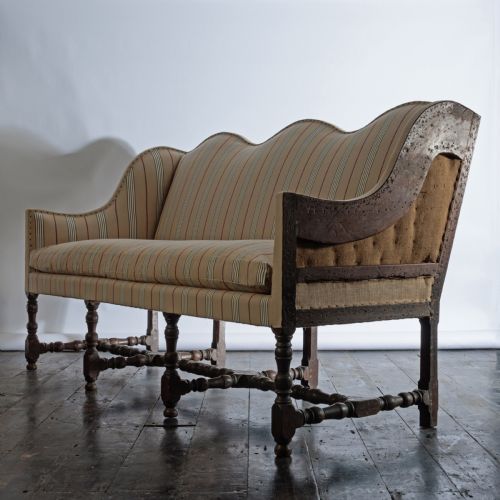
Hall benches and hall seats make up the next group, some with lift-out upholstered seats, some with barley twist turnings and arms, and pairs among them. Fully upholstered oak-framed settees are the smaller strand, in leather, damask and tapestry, deep-buttoned or left as a show frame with the polished oak visible.
Dating runs from 1700 to 1930, with 75 listings carrying a clean year and the rest labelled Georgian, 19th Century or 18th Century, so a Georgian settle could sit anywhere across a century. Where decades are given they bunch in the 1890s and 1920s, the Arts and Crafts to Art Deco end, where limed and bleached oak, Glasgow School and Cotswold School pieces sit. Around eleven come to market on Sellingantiques in a year, across 63 different dealers.
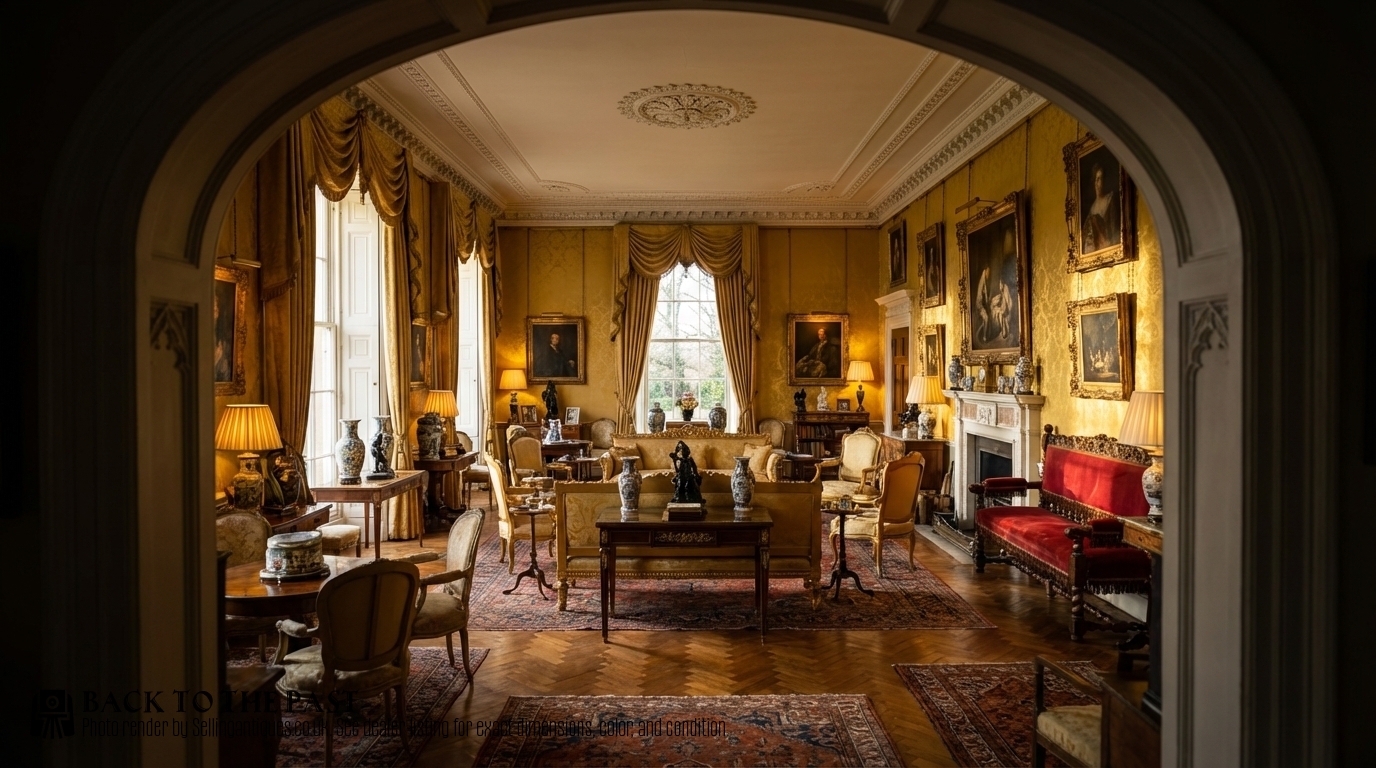
Where The Range Splits
Provenance to a named house or ship does the most work. The two highest-reaching sampled pieces both came from Skibo Castle, a small carved sofa and a pair of hall benches, and a first-class lounge seat from a White Star liner sits near the top as well. Institutional survivals turn up too, among them a four-seat cinema or church bench.
Carving lifts a piece. The word appears in 26 titles and clusters in the upper half, Renaissance Revival and Carolean-style among them. Early date pulls the same way: 17th and early 18th-century settles sit high, while later pieces made in the style of an earlier period sit lower down.
Scale and number matter. Titles carrying small tend to the lower half, while large and long examples read higher, and anything sold as a pair or a suite goes higher again: pairs of benches, pairs of settles, pairs of library sofas, three-piece suites.
Antique Oak Sofas Retail Price Guide 2026
Typical UK retail prices for oak sofas, calculated from the Sellingantiques database of over a million retail prices indexed since 2003. This retail price guide relies exclusively on Sellingantiques data; no external sources or auction records are used, so the figures do not describe the wider market.
The highest price of the last year on Sellingantiques went to an antique leather and carved oak bobbin sofa, sold in June 2026.
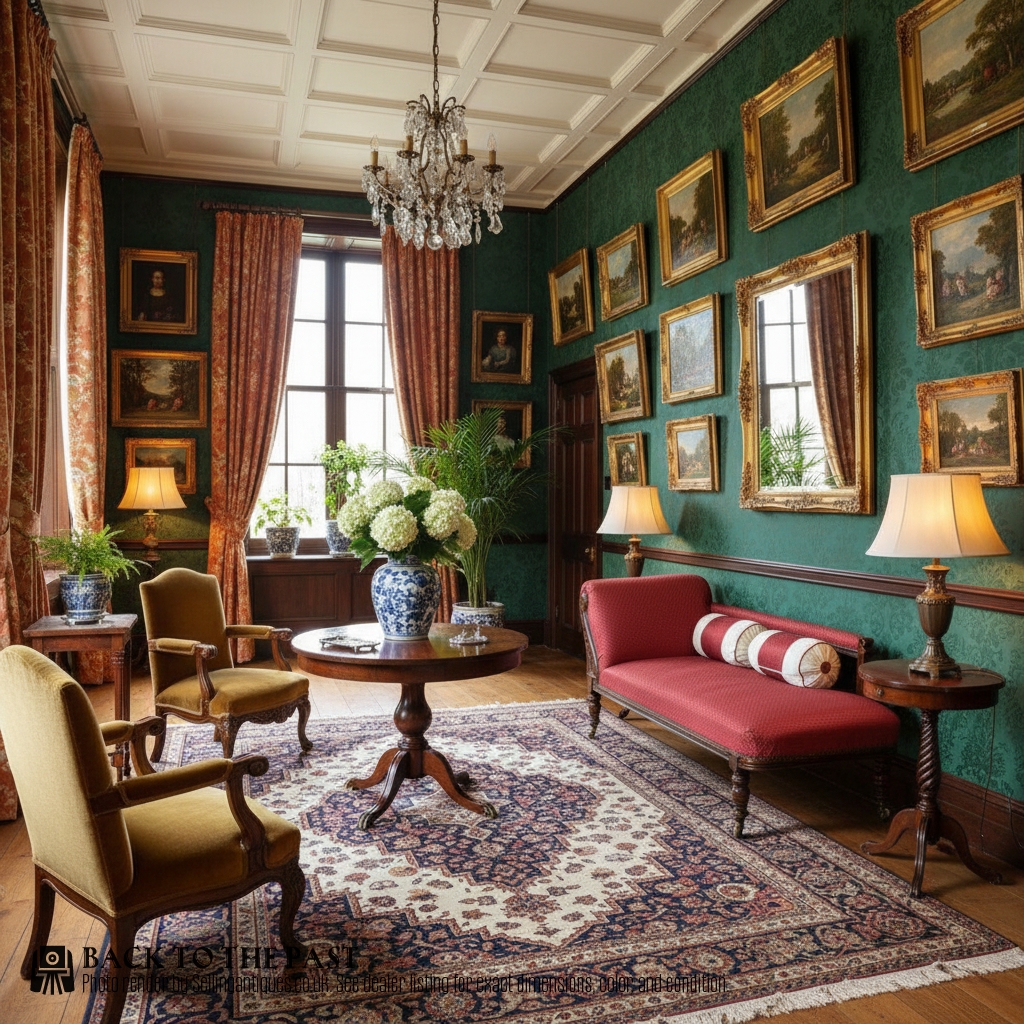
The Antique Oak Sofas Glossary
- Settle
- A high-backed oak bench seating two or more, often panelled and sometimes with a box or lift-up seat.
- Squab
- A loose flat seat cushion laid on the hard seat of a bench or settle.
- Show frame
- An upholstered sofa where the polished oak frame is deliberately left visible.
- Chairback settee
- A settee whose back is formed of two or more joined chair backs.
- Barley twist
- Spirally turned members, recurring across settles, benches and sofas; bobbin turning is the ring-turned relation.
- Knole
- A sofa with a high fixed back and hinged sides fastened with ties; it appears once in the samples.
Antique Oak Sofas: Frequently Asked Questions
Are these actually sofas?
Mostly not, in the modern sense. The settle dominates the category, a hard-seated panelled oak bench with a tall back, and bench and seat account for a good many more titles.
Upholstered oak-framed settees are the minority strand, described with leather, damask, tapestry, deep buttoning or a show frame.
What does a five-panel settle mean?
It counts the framed panels making up the back. Four-panel and five-panel settles both appear in the listings, and the count is used the way a seat count is used elsewhere.
Crossbanded and Gothic backs turn up alongside the plain panelled ones.
How old are oak settles on Sellingantiques?
The dated field runs from 1700 to 1930. Seventy-five of the 166 listings carry a clean year; the rest use period labels such as Georgian, 19th Century or 18th Century.
The settle clusters with the Georgian and 18th-century end. A handful of sampled titles claim the 17th century.
Is there French oak seating in this category?
Yes, a small strand. Eight titles carry French, including a rush-seated provincial radassier and a pair of bleached oak settles.
Walnut slips in now and then too, as with an Italian carved bench and a buttoned walnut chaise longue.
Which unusual forms turn up?
Single appearances include a knole sofa, a conversation sofa, a corner sofa, a Gothic banquette, a double-ended coachman's settle, a hybrid settle-and-chaise and folding theatre seating.
Chaise longues, daybeds and window seats also appear as a scattering rather than a group.
Do any makers' names appear?
No name runs across this category. The firm names that do appear come from single listings rather than any pattern.
What carries weight instead is house and ship provenance, Skibo Castle and a White Star liner lounge seat among the sampled pieces.